



Apple has been steadily building its "Ultra" brand across different product categories, but recent industry reports suggest the company's premium hardware strategy is about to get more complex. While we've seen the Ultra designation transform everything from the Apple Watch to Mac processors, Bloomberg's latest reporting via AppleInsider indicates that Apple's 2026 roadmap includes several high-end devices that won't carry the Ultra moniker at all.
This shift raises fascinating questions about how Apple plans to differentiate its premium offerings and whether the Ultra brand might be reaching its strategic limits as a catch-all designation for top-tier hardware. What's emerging is a more sophisticated approach to premium product positioning that could fundamentally change how we understand Apple's hardware hierarchy.
Why Apple's branding strategy is getting more nuanced
Apple's approach to the Ultra brand has been anything but random, reflecting the company's characteristic precision in market positioning. According to industry analysis from AppleInsider, the company has been deliberately selective about which products earn the Ultra designation, focusing primarily on devices that represent significant performance leaps rather than incremental upgrades. The Apple Watch Ultra carved out a distinct niche for extreme sports enthusiasts who needed ruggedized durability and extended battery life, while the M1 Ultra chip delivered unprecedented computational performance that justified its professional-grade positioning.
However, Bloomberg's reporting suggests that Apple recognizes the strategic limitations of applying Ultra branding too broadly across its 2026 lineup. The company appears to be developing a more sophisticated tiering system that allows for premium features without the Ultra label's specific performance and durability implications. This approach mirrors luxury automotive brands that reserve performance designations like "AMG" or "M" for vehicles that meet specific engineering criteria, rather than applying them to every high-end model.
This strategic pivot addresses a critical branding challenge: Ultra branding carries specific customer expectations about ruggedness, battery life, and professional-grade capabilities that don't necessarily align with every premium feature set Apple wants to offer. A device optimized for superior camera performance or display quality might warrant premium pricing without requiring the extreme durability standards that define other Ultra products.
What high-end hardware categories are getting the premium treatment
The 2026 hardware expansion reportedly spans multiple product categories, with AppleInsider's coverage indicating that Mac computers will see significant premium additions beyond the current Ultra chip offerings. These new high-end Macs are expected to target creative professionals and enterprise users who need specialized capabilities—perhaps enhanced thermal management for sustained performance, professional-grade displays, or advanced connectivity options—without necessarily requiring the computational extremes that Ultra branding implies.
This segmentation strategy addresses a significant market gap. Consider creative professionals who prioritize color-accurate displays and reliable performance over raw computational power, or enterprise users who value security features and build quality above maximum processing capability. These users represent substantial revenue opportunities that don't fit neatly into existing Ultra product positioning.
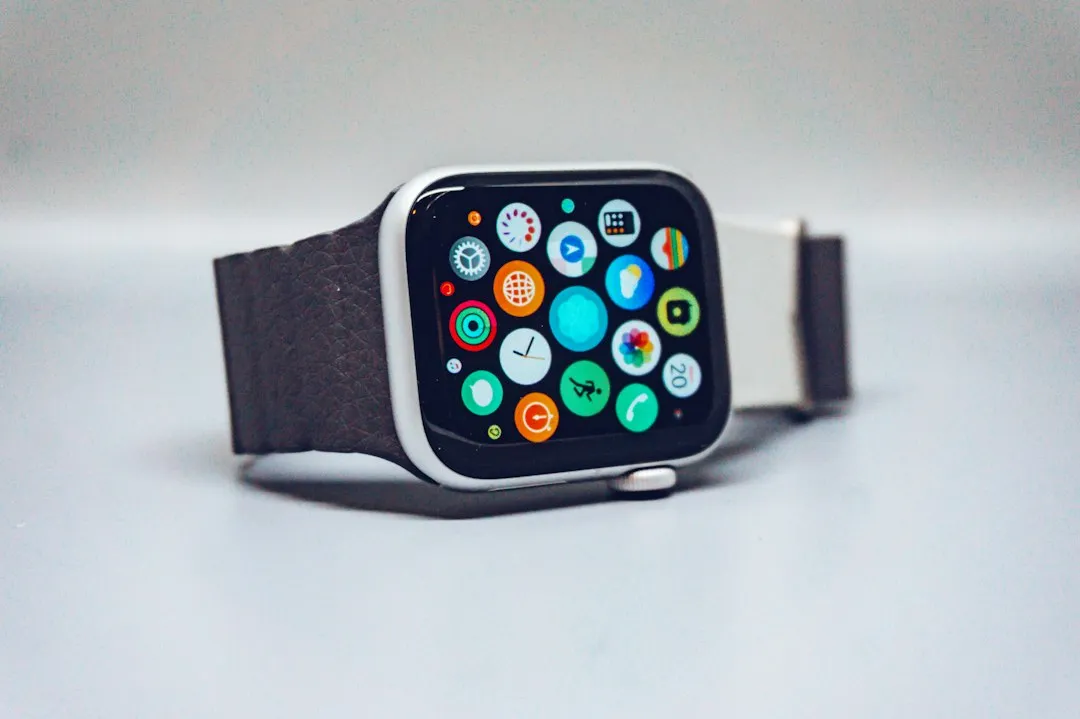
Wearable devices represent another key expansion area, with industry sources suggesting that not all premium Apple Watch variants will adopt Ultra naming conventions. This approach enables Apple to create specialized versions focusing on health monitoring advances, luxury materials, or enhanced connectivity features without diluting the Ultra brand's association with extreme sports and outdoor durability.
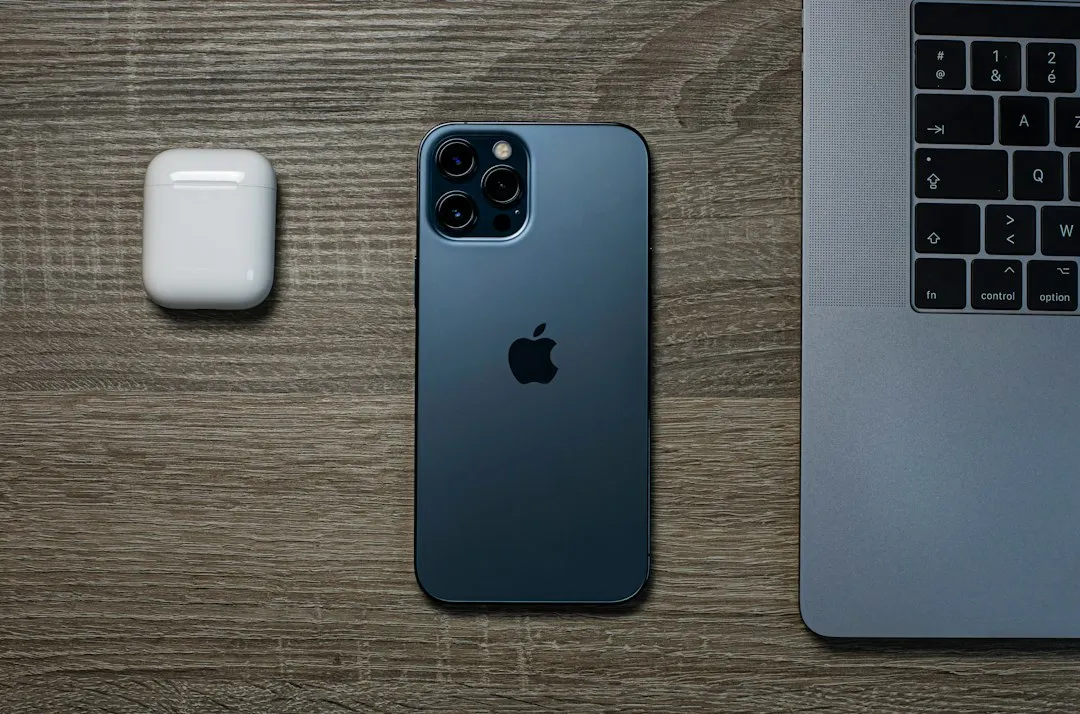
The iPhone category appears particularly well-positioned for this strategy, with Bloomberg's reporting hinting at high-end models that push boundaries in camera technology, display innovation, or battery performance while maintaining the design aesthetics and user experience that define iPhone's broader market appeal.
How pricing and market positioning will evolve
Apple's expanded premium strategy reflects sophisticated market segmentation principles that extend beyond traditional good-better-best hierarchies. Analysis from AppleInsider shows that the company has successfully used tiered branding to justify premium pricing across multiple categories, but the Ultra designation has created pricing expectations and feature requirements that constrain flexibility in product development.
By developing premium devices without Ultra branding, industry experts suggest that Apple can create more nuanced pricing structures that better reflect specific value propositions. A premium iPhone focused on camera innovation might command high prices based on imaging capabilities alone, without needing to justify the comprehensive feature set that Ultra branding demands.
This strategy also preserves Ultra products' market positioning by maintaining their exclusivity and preventing brand dilution that could occur if too many products carried similar premium designations simultaneously. It's a sophisticated approach that maintains pricing power while offering more targeted solutions for different user segments.
What this means for Apple's ecosystem integration
Perhaps most strategically significant, this diversified premium approach suggests Apple is prioritizing ecosystem cohesion over individual product supremacy. AppleInsider's reporting indicates that the 2026 hardware expansion emphasizes seamless integration between premium devices, regardless of their specific branding designations.
This ecosystem-first philosophy enables high-end features like advanced connectivity protocols, enhanced security implementations, or superior display technologies to be distributed across multiple device categories without requiring every premium product to meet Ultra-level specifications. Industry analysis suggests that this strategy creates more compelling upgrade paths and cross-device functionality that increases the total value proposition for users invested in multiple premium Apple products.
The implications extend beyond individual purchase decisions. Users might choose a premium Mac for creative work, a specialized Apple Watch for health monitoring, and an advanced iPhone for photography—each optimized for specific use cases while maintaining seamless ecosystem integration. This approach potentially increases customer lifetime value while providing more targeted solutions than a one-size-fits-all Ultra approach could deliver.
Where Apple's premium strategy heads next
Apple's 2026 hardware expansion could represent a fundamental evolution in premium technology positioning that extends well beyond simple product launches. Bloomberg's reporting through AppleInsider suggests that the company is moving beyond traditional hierarchical product tiers toward specialized premium positioning that serves distinct user needs and use cases.
This evolution positions Apple to compete more effectively across diverse market segments while preserving the exclusivity and performance associations that make Ultra products strategically valuable. For consumers, it represents expanded access to premium features without the complexity of determining whether every high-end device needs Ultra-level capabilities to justify its investment.
The ultimate success of this strategy will depend on Apple's ability to clearly communicate these distinctions to consumers and maintain coherent value propositions across an increasingly sophisticated premium product lineup. However, the strategic foundation appears sound: rather than diluting successful branding through overextension, Apple is creating space for targeted premium solutions that serve specific user needs while strengthening overall ecosystem value.
What emerges is a vision of premium technology that prioritizes user-specific optimization over universal flagship positioning—a approach that could reshape how the entire industry thinks about high-end product development and market positioning.







Comments
Be the first, drop a comment!