



Apple's push into smart home hardware has been slow and steady—but a Face ID-enabled video doorbell might finally give the company a product that stands out in a crowded, competitive market. According to Bloomberg's Mark Gurman, Apple is working on a smart doorbell that could recognize your face and unlock your door automatically, making it a potential game-changer not just for Apple users, but for the broader smart home industry. The device is expected to integrate deeply with HomeKit, utilize Apple's Secure Enclave for biometric data protection, and possibly bundle with a smart lock partner to offer a complete access control system right out of the box. While the product is still in early development—with a launch window likely in 2026 at the earliest—the implications are significant: enhanced privacy, seamless ecosystem integration, and truly hands-free home entry.
Having covered Apple's smart home efforts for years, I've watched the company struggle to gain traction in a market dominated by Amazon and Google. This doorbell could finally be the breakthrough product that makes HomeKit relevant to mainstream consumers—if Apple can solve the considerable technical challenges of outdoor facial recognition.
Why Face ID at the front door changes everything
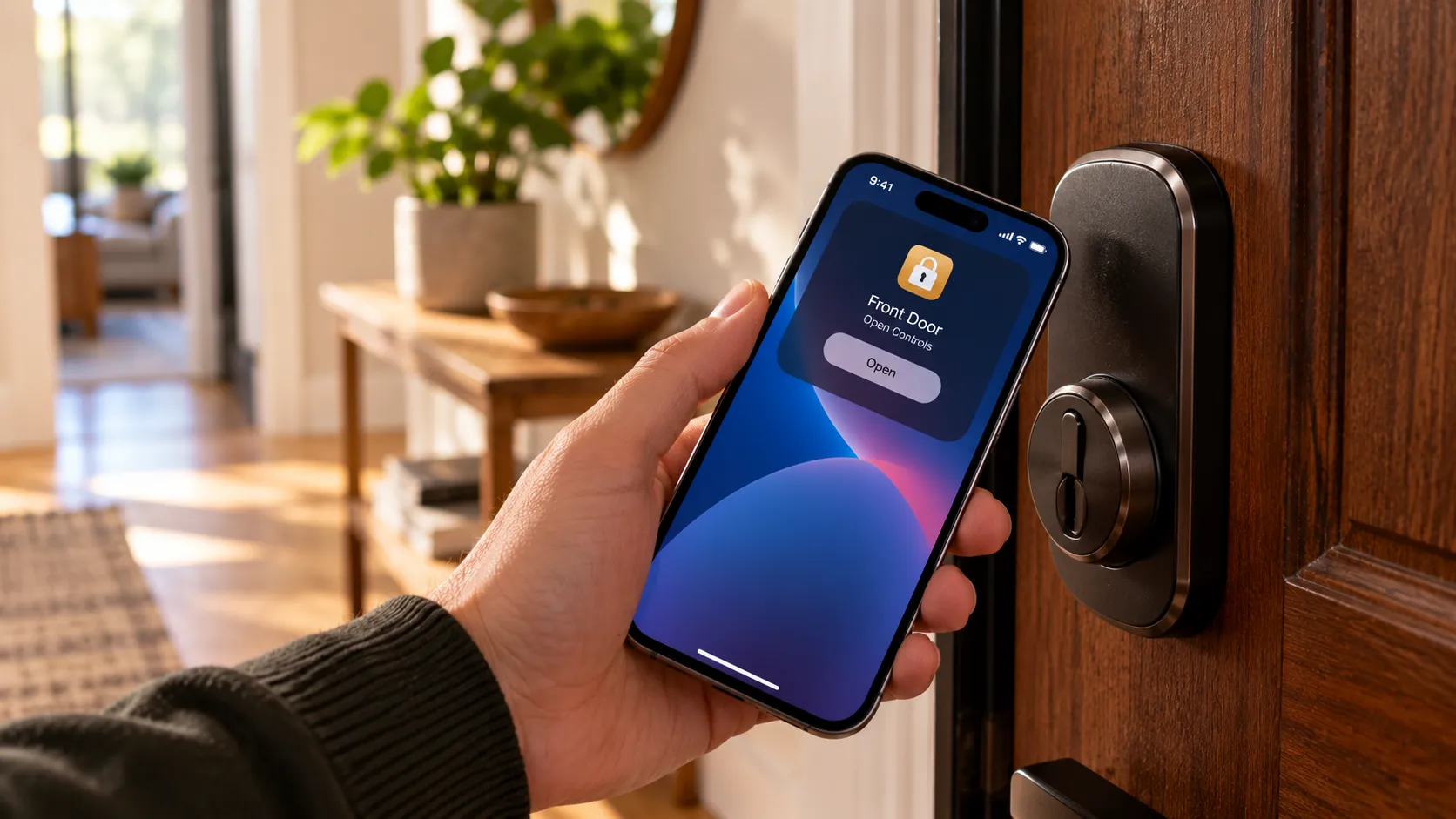
Here's what you need to know: most smart doorbells today are glorified cameras with two-way audio and motion alerts. Apple's rumored doorbell, however, aims to be an access control system. The device would use Face ID technology powered by the Secure Enclave chip—the same encrypted processor found in iPhones and iPads—to recognize your face and automatically unlock a compatible smart lock. No fumbling for keys, no tapping your Apple Watch on a sensor, no pulling out your phone. You walk up to your door, the camera scans your face, and you're in.
This is a fundamentally different approach than what Ring, Nest, or Eufy offer. While competitors like Eufy provide local AI recognition, none offer Face ID-level security. Apple has refined Face ID over several generations of iPhones, achieving a false unlock rate of less than one in a million, according to reports.
But here's the real challenge: extending this technology to an outdoor doorbell that operates in varying lighting conditions—rain, snow, glare, shadows—is a bold leap forward. Unlike your iPhone, which you hold at a relatively consistent angle and distance in fairly controlled lighting, a doorbell has to recognize faces from multiple angles and distances under wildly variable conditions. The doorbell's camera would need to capture high-quality images under varying lighting conditions, and the Face ID system must work reliably even when a person is at a distance or partially obscured by environmental factors. This isn't just an incremental improvement—it's solving a technical problem that has deterred competitors from attempting Face ID-level biometric authentication at the front door.
The doorbell is also expected to include a next-generation wireless chip, possibly an internal component dubbed "Proxima", that boosts local connectivity using ultra-fast Wi-Fi and Bluetooth. This advanced connectivity matters because faster local processing could dramatically improve Face ID response time, reducing the lag between facial recognition and door unlocking. The Proxima chip's support for Thread protocol—a mesh networking standard designed specifically for smart home devices—would also allow the doorbell to communicate more reliably with other products in your home. Imagine arriving home in the evening: the doorbell recognizes you, unlocks the door, disarms your alarm system, turns on the entryway lights, and adjusts the thermostat—all before you even touch the doorknob, with each action triggered in sequence based on your facial recognition.
HomeKit integration: the real competitive advantage
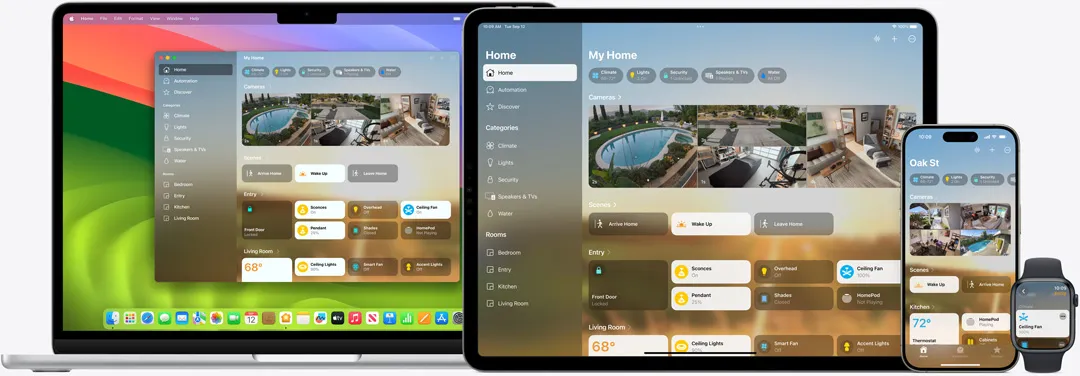
What sets Apple's doorbell apart from existing players like Ring, Nest, and Arlo is its likely deep integration with HomeKit. The device is expected to work seamlessly with HomeKit-compatible smart locks, be included in Apple Home scenes (like automatically disarming your alarm or adjusting lights when you enter), and use iCloud Secure Video for encrypted footage storage. Apple may partner with a smart-lock maker to offer an integrated system; Gurman reports a pairing with third-party smart locks is likely, but no vendor names have been confirmed.
Now here's the thing: HomeKit has historically struggled to gain market share against Amazon Alexa and Google Home. The platform has always been more locked down, with stricter requirements for manufacturers and fewer compatible devices. According to industry estimates, HomeKit-enabled devices represent less than 15% of the smart home market, while Amazon and Google each claim roughly 30-40% market share. But Apple's recent push toward Matter—the universal smart home standard—suggests the company is finally serious about making HomeKit more accessible. A Face ID doorbell that works beautifully with both HomeKit devices and Matter-compatible products could be the killer app that brings more users into Apple's smart home ecosystem.
By integrating with HomeKit, the doorbell could work in concert with other Apple devices, creating a unified and streamlined experience that is hard to replicate with a mix-and-match approach from different manufacturers. This is the kind of ecosystem lock-in that Apple does best, and it's a major reason why the doorbell could be a hit—even if it launches at a premium price point. You're not just buying a doorbell—you're buying entry into a comprehensive, privacy-focused smart home system that plays nicely with all your other Apple gear. For users already invested in iPhones, iPads, HomePods, and Apple Watches, adding a doorbell that seamlessly integrates with all these devices could justify a higher price than competing products.
MagSafe, AirPods, and the broader smart home push
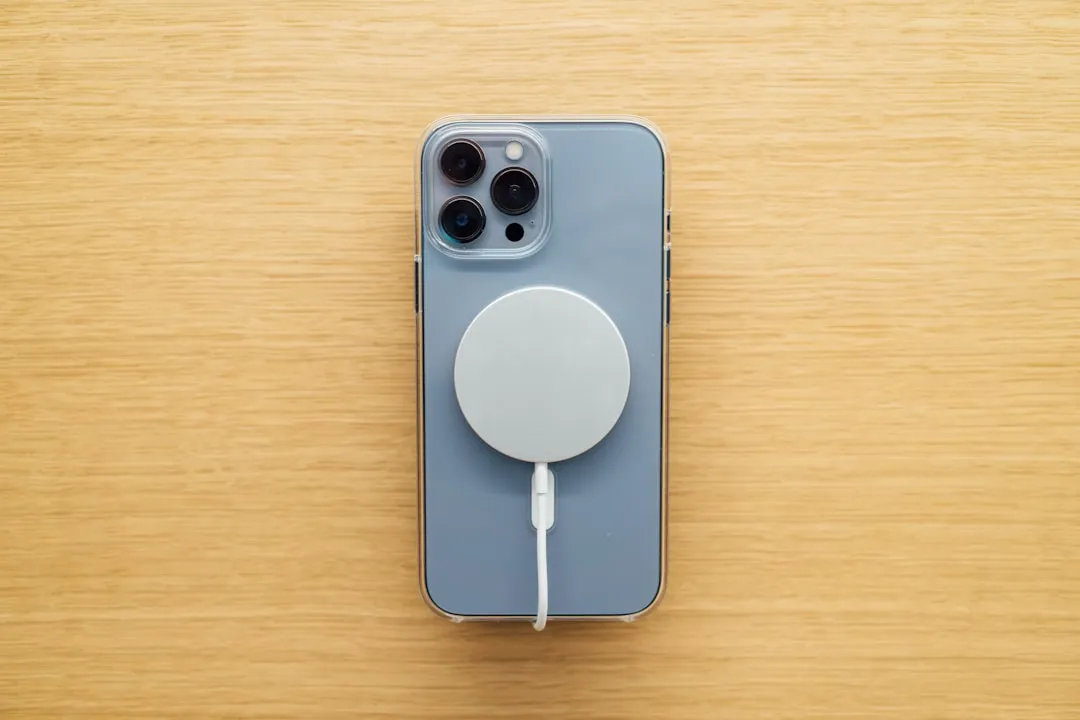
One of the more intriguing rumors is that the doorbell might incorporate MagSafe technology. A recent leak from industry figure Kosutami suggested the device might feature MagSafe compatibility, which could allow it to be wirelessly recharged using a MagSafe-compatible charging puck.
This addresses one of the biggest pain points with battery-powered doorbells: they either need hardwiring (which means calling an electrician and dealing with potentially outdated doorbell wiring) or they need regular battery swaps (which everyone forgets to do until the doorbell dies at the worst possible moment—usually when you're expecting an important delivery). Many smart doorbells are designed to operate on battery power, and while current devices can function for months on a single charge, integrating MagSafe might allow for easier, more reliable recharging. Users could simply attach a MagSafe-compatible charger to the device, ensuring that the doorbell remains fully powered without the need for cumbersome wiring or frequent battery replacements.
The MagSafe application here is genuinely clever, though it raises practical questions about outdoor durability. Magnetic connections would need to withstand temperature extremes, moisture, and potential tampering. In my testing of outdoor smart home devices, I've seen how even supposedly weatherproof charging ports can fail after a few months of exposure to the elements. Apple would need to engineer a MagSafe system that's significantly more robust than what works indoors on iPhones.
There's also speculation about how AirPods Pro might tie into the experience. When wearing AirPods Pro, you might get an audio alert that a person is at the door, and you'd then be able to communicate with them using just your earphones. This kind of seamless, multi-device integration is classic Apple—and it's the sort of thing that could make the doorbell feel less like a standalone gadget and more like a natural extension of your existing devices. Picture this: you're on a conference call in your home office, someone rings the doorbell, and you get a discreet notification in your AirPods. You can see who's there via a picture-in-picture notification, speak to them if needed, and never leave your desk. This hands-free convenience offers clear advantages over pulling out your phone to check a Ring notification during a meeting.
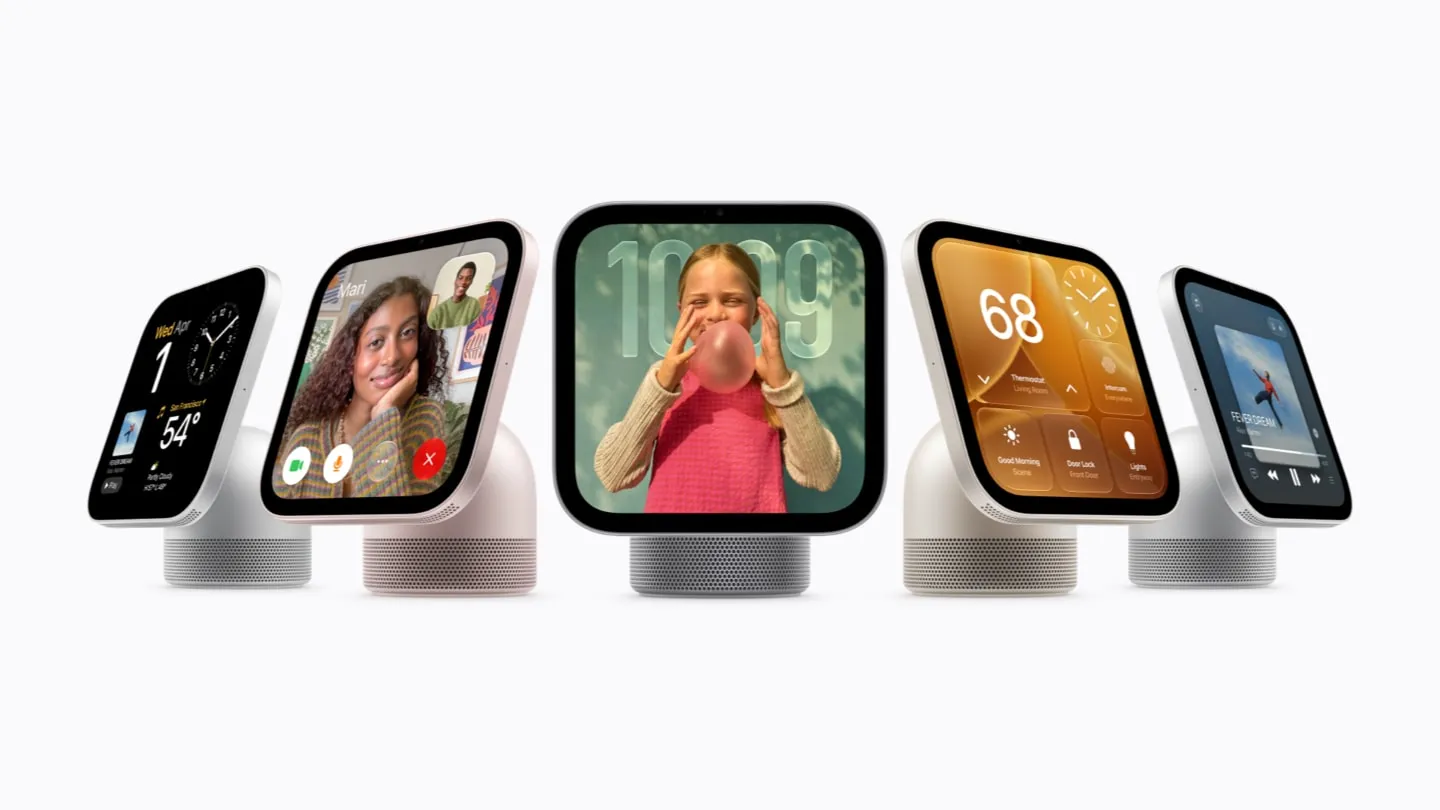
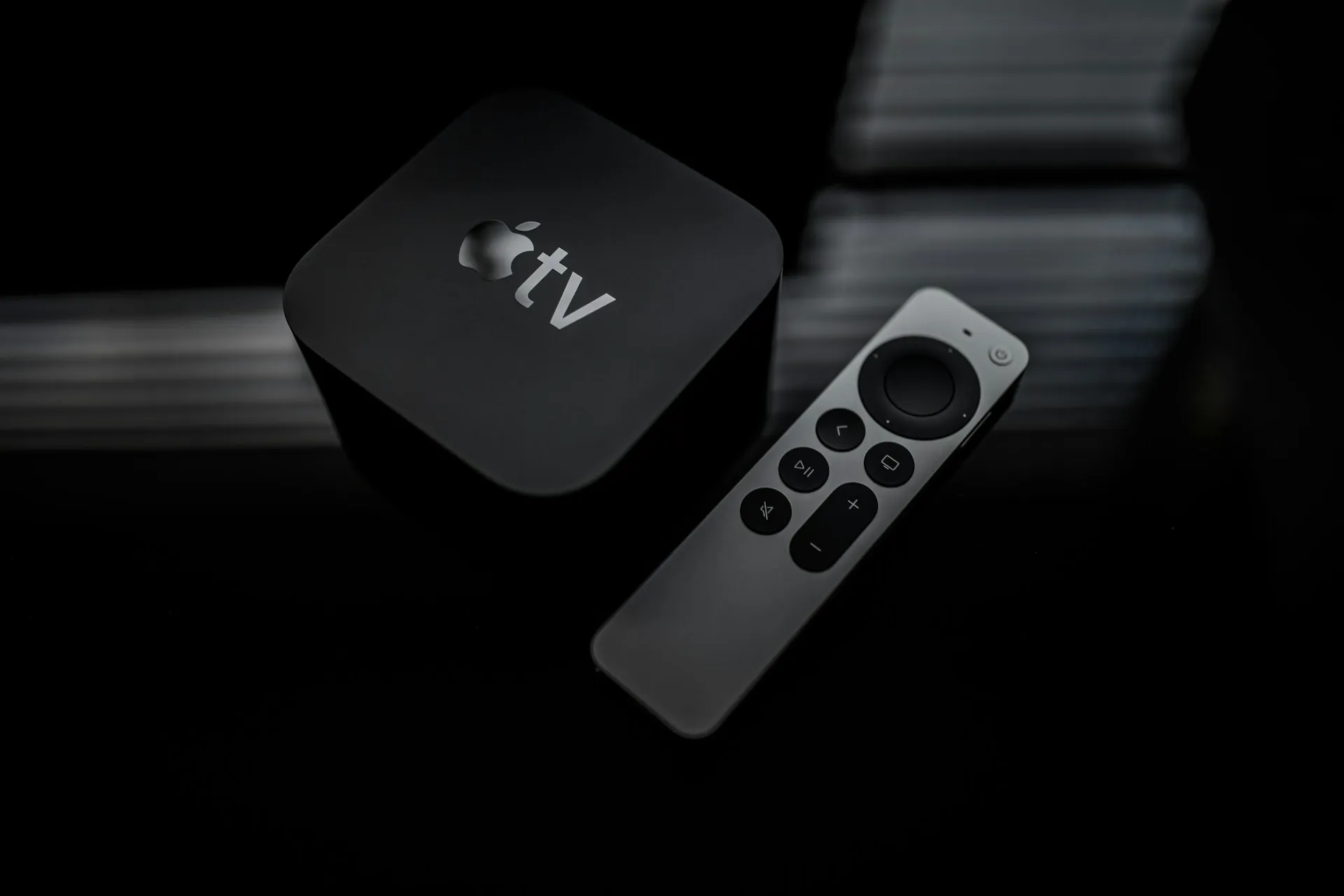
The doorbell isn't an isolated project, either. It's part of a broader smart home expansion by Apple, which reportedly includes a next-gen HomePod with a built-in display, a smart display tablet meant to compete with Google Nest Hub and Amazon Echo Show, and improved Apple TV and Matter integration. References to a so-called "HomePad" have been spotted in early beta versions of iOS 18.4, suggesting that Apple's ambitions extend well beyond the doorbell. When considered alongside the smart doorbell, it becomes clear that Apple is working to build a comprehensive smart home ecosystem where each device enhances the functionality of the others, creating a cohesive experience that leverages the company's traditional strengths in hardware-software integration.
Privacy, security, and the challenges ahead
Let's talk about what Apple would need to get right here—because the technical hurdles are significant. Ring's privacy problems create an opening that Apple is uniquely positioned to exploit. Ring has faced intense criticism over data-sharing practices and law enforcement partnerships, with reports of police departments requesting doorbell footage without warrants and Ring employees accessing customer video feeds. Apple has consistently positioned itself as the privacy-first tech company, and a smart doorbell represents another opportunity to prove that point.
The company is planning to use a HomeKit Secure Video service with end-to-end encryption for storing video footage in iCloud, ensuring that your data remains private and secure. This is a major differentiator from competitors. The use of Face ID technology for identity verification means that the device could provide a high level of security, ensuring that only authorized individuals are granted access to the home. Apple's strong stance on user privacy could extend to the doorbell, with data encryption and strict controls on how video and biometric information are stored and used.
But delivering on these privacy promises requires solving several technical challenges that have deterred competitors. Weather resistance is another critical factor—unlike indoor devices, a doorbell is constantly exposed to varying weather conditions. Ensuring that the MagSafe charging system and other components are weatherproof will be essential to the product's success. Additionally, the integration of Face ID must be optimized for outdoor use, where lighting conditions can change rapidly and unpredictable factors such as shadows or glare might affect performance.
Here's what worries me most: liability. Despite Face ID's proven track record on iPhones with a reported false unlock rate of less than one in a million, Apple executives are reportedly concerned about the implications of security breaches in a home setting. If someone gains unauthorized access to your home because Face ID failed in outdoor conditions—perhaps fooled by a high-quality photograph in direct sunlight, or unable to distinguish between identical twins—the liability implications could be enormous. Apple would potentially face lawsuits from homeowners whose property was compromised by system failures. If technical or security concerns prove too challenging, Apple may opt to license the technology to established smart home accessory makers like Logitech or Belkin rather than releasing its own branded product.
What this means for the smart home market
Bottom line: if Apple enters the video doorbell space, it could pose a serious challenge to Amazon's Ring, which dominates with approximately 50% market share but has faced privacy backlash and recent security breaches, and Google Nest, which lacks tight iOS integration and has struggled to differentiate its doorbell offerings in recent years. Apple's reputation for premium design, seamless software, and privacy could attract users who've been skeptical of current options—or already own multiple Apple devices.
The doorbell could differentiate itself through superior integration with the Apple ecosystem, enhanced design, and innovative features like MagSafe and Face ID. But here's the real question: what price point would make this competitive? Ring's Video Doorbell starts at $99, with premium models reaching $249. Google's Nest Doorbell (battery) sells for around $179. If Apple prices its Face ID doorbell at $299-399—which seems likely given the advanced technology—it would target a premium segment willing to pay for enhanced security, privacy, and ecosystem integration.
The smart home market is already crowded, but it's also surprisingly fragmented. Most households mix and match products from different manufacturers, dealing with multiple apps and inconsistent experiences. According to recent smart home adoption studies, the average connected home has devices from 3-4 different brands, creating complexity that frustrates users. Apple has the chance to offer something genuinely different: a smart home ecosystem that just works, where devices communicate seamlessly and security is baked in rather than bolted on. If the Face ID doorbell delivers on its promise, it could become the anchor product that pulls more users into Apple's smart home vision—the same way AirPods became the gateway device that deepened iPhone users' investment in the Apple ecosystem.
While Apple has a loyal customer base, convincing users to switch from established products like those from Ring will require the doorbell to offer clear and compelling advantages. Apple will need to demonstrate that its product not only matches but exceeds the performance and reliability of existing solutions. This means rigorous testing across diverse weather conditions, multiple facial recognition scenarios (different ages, lighting, accessories like sunglasses or hats), and real-world deployment with thousands of beta testers before any public launch.
Where do we go from here?
There have been additional rumors and leaker posts in 2025 (e.g., Feb 2025 posts by leaker 'Kosutami'); major reporting on the story began with Mark Gurman's Dec. 22, 2024 Power On newsletter. Apple is likely keeping the project under wraps until it's closer to completion, as it often does with first-generation hardware. The original report pointed to a late 2025 debut at the earliest, but a more realistic window is early-to-mid 2026, especially since no prototypes, FCC filings, or supply chain leaks have emerged since December 2024.
Apple typically unveils home products quietly (like the HomePod mini), so it's possible the doorbell could make a surprise appearance at a spring or fall event in 2025 or 2026. With its innovative design, potential for accessory expansion through MagSafe, and integration with Apple's existing ecosystem, this smart doorbell could become a key component of the next generation of home security systems.
What's interesting is that Apple seems to be taking its time with this one. Unlike the company's rush to enter new product categories in previous years, the slow development timeline suggests Apple is being deliberately cautious about getting the outdoor Face ID experience right. And honestly? That's probably the smart approach. A Face ID doorbell that works perfectly 99% of the time but fails in a rainstorm or gets fooled by a photograph is worse than no Face ID doorbell at all. The stakes are higher when you're literally controlling access to someone's home.
PRO TIP: Should you wait for Apple's doorbell? If you're deep in the Apple ecosystem with multiple devices and already using HomeKit, holding off on a doorbell purchase until mid-2026 makes sense—this could offer integration that no competitor can match. But if you need a smart doorbell now, or you're not invested in Apple's ecosystem, Ring and Nest offer proven solutions at lower price points. Watch for these signals that launch is imminent: FCC filings (required 60-90 days before retail sales), supply chain reports from Asian manufacturers, and beta tester leaks on platforms like Reddit's r/HomeKit.


Comments
Be the first, drop a comment!