



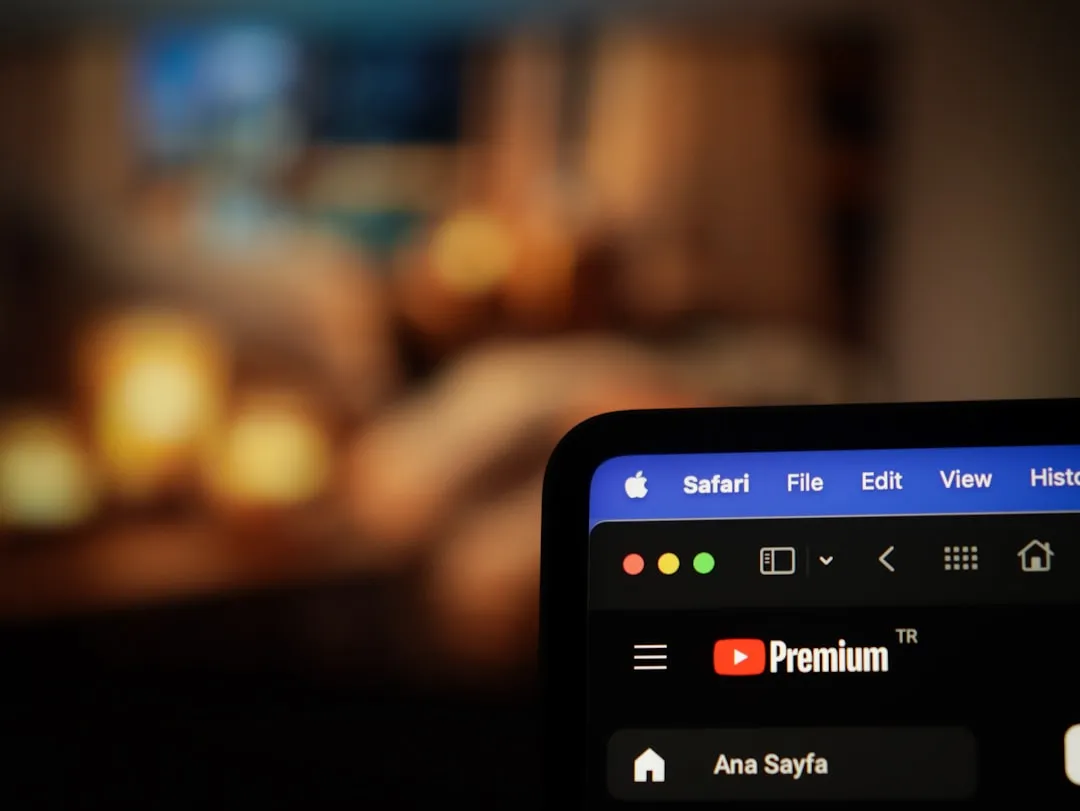
Siri Summarize Webpages and Videos in Safari and YouTube: Real but Unreliable
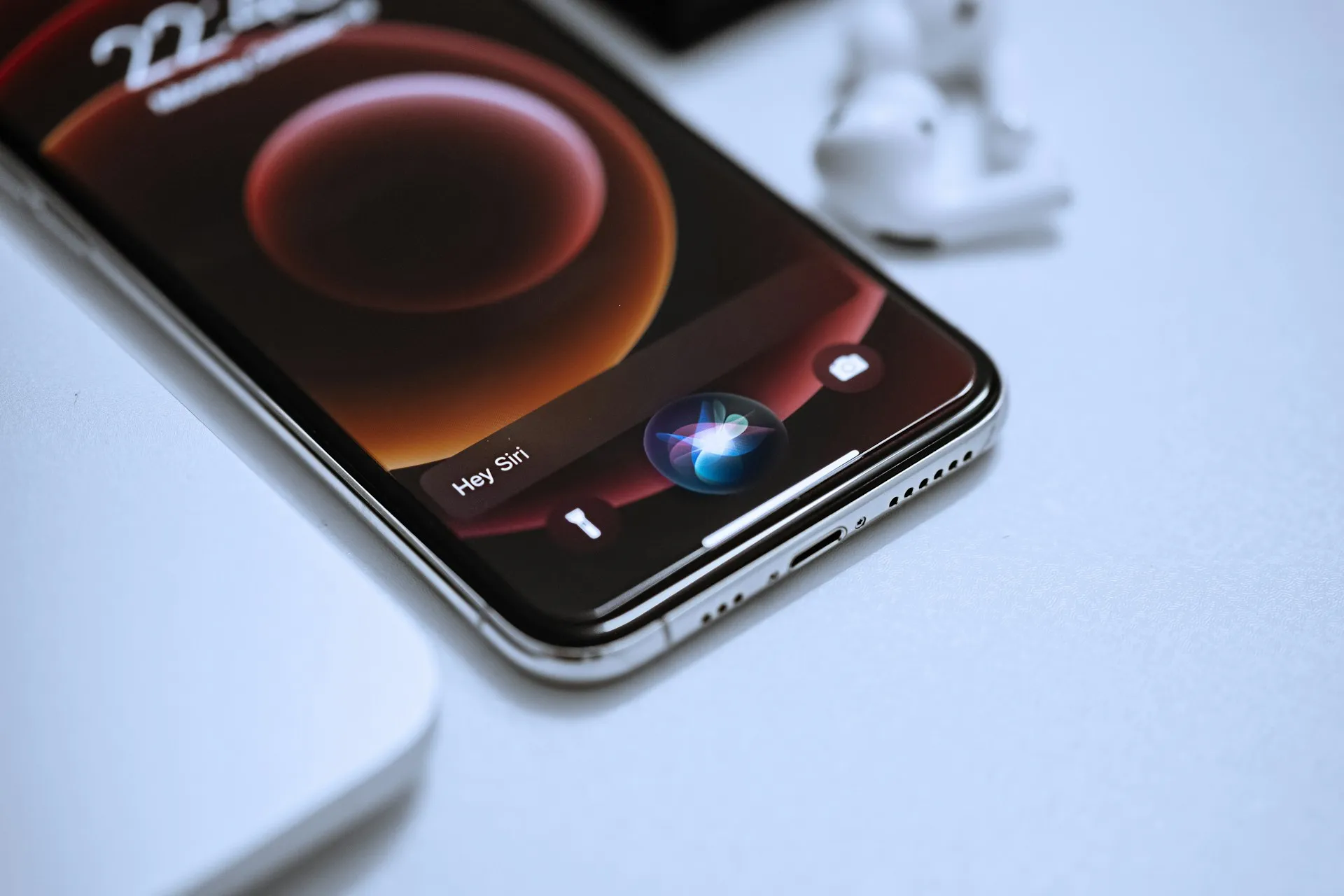
Siri is intermittently summarizing webpages in Safari and videos in YouTube when users ask behavior 9to5Mac reported today that Apple has not clearly documented and that appears inconsistent across requests. The same prompt that produces a summary one moment draws a refusal the next, with no visible difference in conditions. For a company that has built its Siri AI pitch around on-screen context awareness, the gap between that promise and this behavior is worth understanding.
What's actually been observed
The reported behavior, stripped to its essentials:
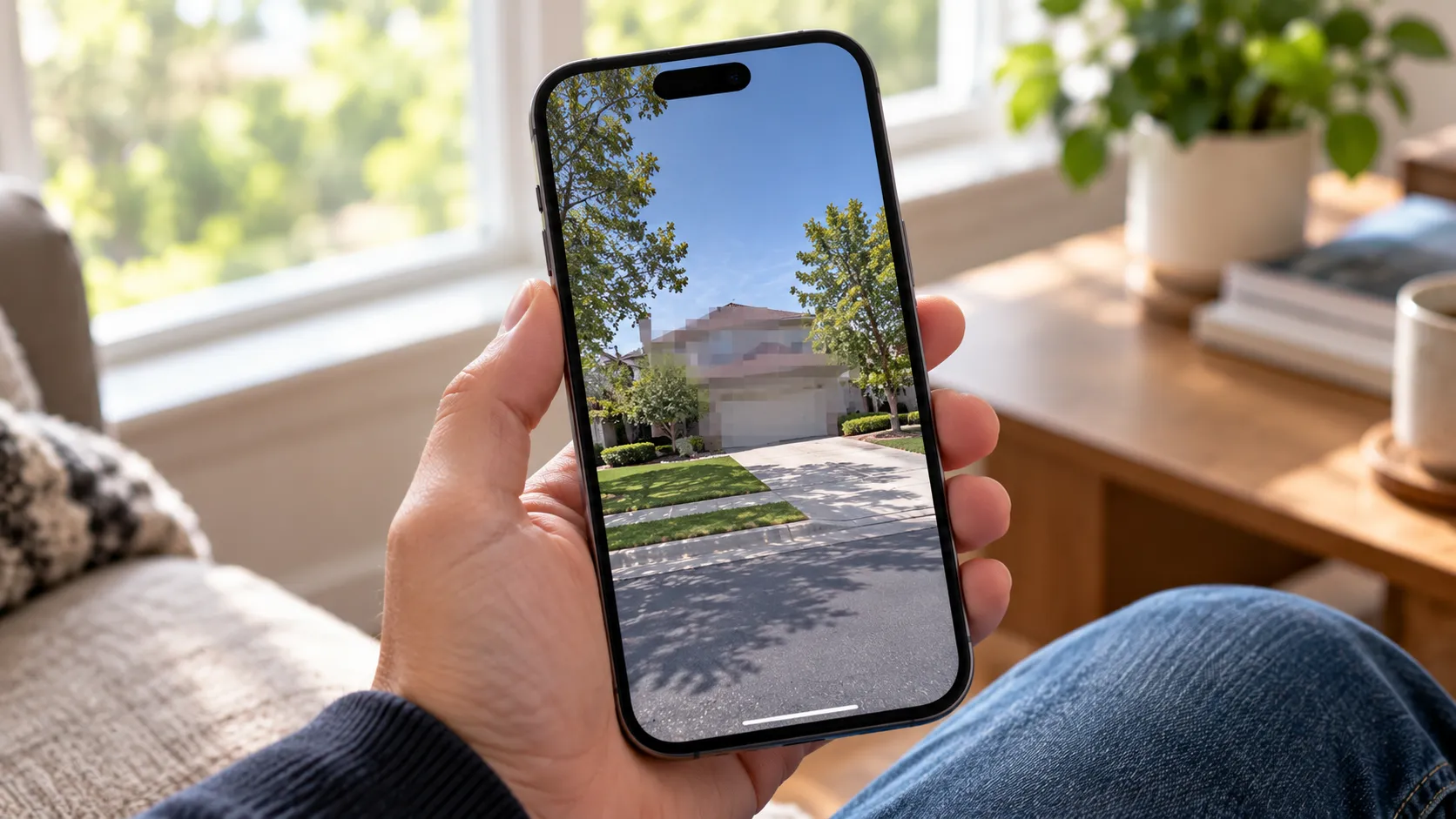
- Inside Safari, asking Siri to "summarize this" produces a summary at least some of the time and a refusal to do so at others, 9to5Mac reported today
- The same pattern holds in the YouTube app, where Siri will sometimes summarize a video on request and sometimes say it is unable to, 9to5Mac reported
- Safari already offers Apple Intelligence-powered summaries through a dedicated UI button, but that feature is only accessible while the user is actively viewing a page, 9to5Mac noted yesterday
- The day before this behavior surfaced, 9to5Mac reported that Apple had configured Siri to explicitly refuse requests to summarize URLs in a beta build, 9to5Mac
That last point matters. Siri responding to a natural language prompt about the current page is a different capability from tapping a summary button while reading an article. The button is a scoped tool. The prompt-based response is conversational AI with on-screen context which is exactly what Apple has been marketing.
Why this sits at the center of Apple's Siri AI claims
Apple's official product language describes Siri as able to "answer questions related to the content on a user's screen, draw on personal context understanding to search across apps, and go out to the web to get up-to-date information using broad world knowledge and generate a helpful answer," according to Apple's Newsroom. That framing covers a request like "summarize this" not as a stretch of interpretation, but as a fairly direct match.
Apple also describes extended conversational follow-up as a deliberate design feature, with users able to deepen any Siri response through continued questions, Apple's announcement notes. Intermittent refusals are hard to square with that design intent.
The URL-refusal configuration from yesterday's reporting suggests Apple is actively drawing lines around this capability. What the current reporting does not establish is why some requests pass through those lines and others don't. That suggests Apple is still scoping where the feature should work, though the current reporting does not explain why these requests sometimes succeed.
Three interpretations and what the evidence can support
No single explanation fits all the facts, but three are consistent with what's been reported. None can be ruled out.
The most straightforward reading is a staged or server-side rollout. Apple enabling the capability for a subset of users or request types before broader release would look exactly like this from the outside: inconsistent behavior with no user-visible trigger. Nothing in the current reporting confirms this, but it would explain why the behavior appears at all.
A second possibility is a technical dependency users can't see. Whether a YouTube video has captions or a machine-readable transcript available, for instance, or whether a webpage's content is structured in a way Siri can parse. Behavior that tracks a hidden dependency would register as random externally while following an internal rule.
The third reading is that this capability surfaced before Apple finished scoping it. The URL-refusal instruction in yesterday's beta reporting points to Apple making deliberate decisions about where summarization should and shouldn't work, 9to5Mac. What users are encountering today could be a related boundary that hasn't been fully enforced. Siri already proofreads automatically as users type, including within most third-party apps, Apple says so the plumbing for consistent cross-app AI behavior exists. That makes the inconsistency in summarization a data point worth flagging, not a baseline to accept.
Staged rollout requires the least speculation. But given the URL-refusal context, "not yet fully scoped" is a more honest framing until Apple clarifies.
Why Safari and YouTube are the wrong places for Siri to be unreliable
Apple's AI strategy rests on ecosystem depth: Siri knows which device you're on, which app is open, and what's on screen. Conversation history syncs privately across iPhone, iPad, Mac, Apple Watch, and Vision Pro via iCloud, Android Authority's hands-on found, so the experience follows the user from device to device. As that review put it, "the AI is a tool, a rather good one, but not the product." The product is integration. The AI is what makes integration useful.
Gemini operates differently: tied to a Google account rather than specific hardware, accessible from any browser, no ecosystem required, Android Authority notes. When Gemini falls short, the failure is about the model. When Siri fails to read what's visibly on screen inside Apple's own browser, the failure implicates the integration layer the thing Apple has built its argument around.
Safari is the sharpest test case for that argument. Apple has already shipped "Notify Me" in Safari, which monitors webpages for changes like price drops or restocks, Apple announced earlier this month proof that Apple can deliver reliable, persistent in-app AI behavior when a feature is finished. On-screen summarization that works sometimes reads differently against that baseline.
Where this stands
Siri can apparently summarize webpages in Safari and videos in YouTube on request. The behavior is real. It is also inconsistent, undocumented by Apple, and not yet explained by the available reporting, 9to5Mac established today.
What would move this from uncertain to understood: consistent behavior tied to a specific iOS build would indicate controlled rollout; behavior that reliably tracks the presence of YouTube captions or transcripts would point to a technical dependency; any Apple documentation clarifying how Siri accesses in-app content would tell developers and users what they can actually count on. The URL-refusal instruction from yesterday's beta suggests Apple is still drawing those boundaries, 9to5Mac. Until one of those signals arrives, the honest read is that Siri's ability to summarize webpages and videos is worth watching not worth building habits around.




Comments
Be the first, drop a comment!