



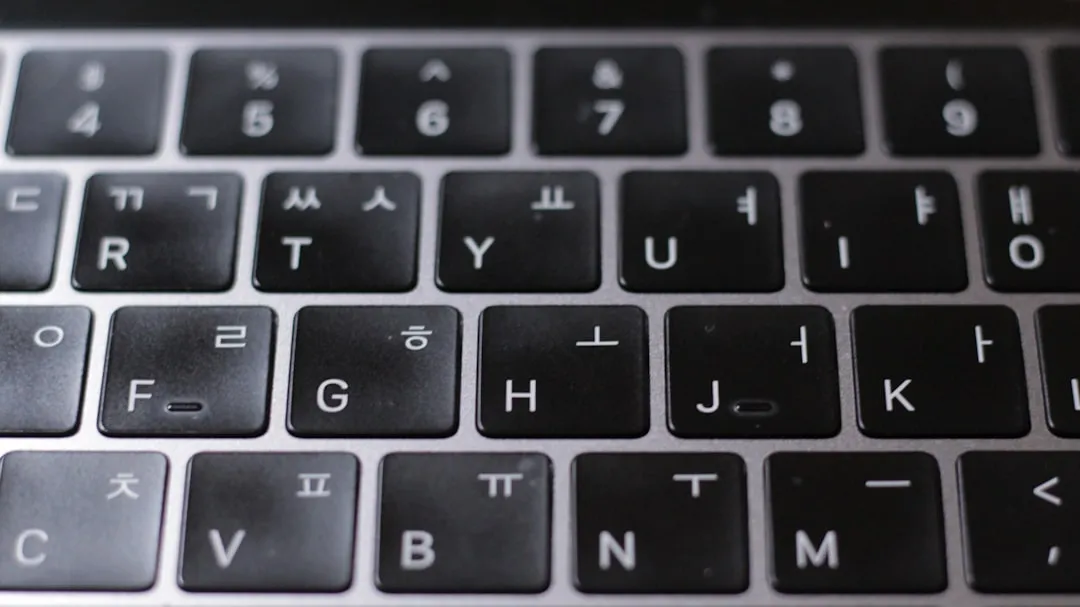
When the MacBook Air M4 launched, everyone got excited about the M4 chip's performance improvements and that stunning Sky Blue color option. But there's been another change quietly happening in the background—one that finally addresses a design quirk that's been annoying Mac users since 1999.
Apple has finally updated the mute button icon to include a diagonal line through the speaker symbol, according to Tech Times. Now, I know what you're thinking—how is a tiny keyboard icon change worth getting excited about? Here's the thing: this seemingly minor adjustment represents the end of one of Apple's most persistent design inconsistencies and signals a broader shift in how the company prioritizes user clarity over minimalist aesthetics.
For decades, when you looked down at your MacBook's keyboard, the mute key showed just a plain speaker outline. No visual indication whatsoever that pressing it would silence your audio. But when you actually pressed that key, macOS would display a speaker icon with a strike-through line on your screen. The physical key and the software interface didn't match, and it's been that way since the PowerBook G3 debuted in 1999, as reported by Tom's Guide.
This change also appears on the new Magic Keyboard that ships with the new Magic Keyboard for iPad Air, suggesting Apple is rolling this out across their entire keyboard lineup going forward.
Why this seemingly small change actually matters
Think about it from a user experience perspective: you're looking at your keyboard trying to figure out what each function key does, and you see three speaker-related icons in a row. Two of them (volume down and volume up) show clear visual differences with varying sound wave symbols. But the third one? Just a plain speaker that gives you zero indication of its actual function. You had to press it to find out what it would do.
This discrepancy violated one of Apple's most fundamental design principles: seamless integration between hardware and software experiences. Even the discontinued Touch Bar on Intel MacBook Pro models displayed the correct muted speaker icon, as noted by iDownload Blog, highlighting how physical keyboards had been lagging behind digital interfaces for years.
What makes this particularly fascinating is the broader design philosophy shift it represents. The original design dated back to when Apple added a mute key to Mac keyboards with the 1999 release of the PowerBook G3, according to iDownload Blog. In 1999, functional minimalism was the priority, but today's Apple emphasizes intuitive interfaces and consistent visual language across all products. When clarity and minimalism conflict, clarity now wins—and this change demonstrates that evolution in real-world hardware.
What this reveals about Apple's design evolution
This keyboard update signals Apple's renewed focus on standardizing visual language across all its products, but more importantly, it reveals their current competitive strategy. The fact that both the MacBook Air M4 and the new Magic Keyboard for iPad Air received identical updates suggests Apple is consolidating their design systems to create a more cohesive ecosystem experience, according to iDownload Blog.
From a supply chain perspective, this change represents Apple's growing emphasis on operational efficiency. Rather than maintaining separate icon sets for different product lines, unified symbols across keyboards reduce manufacturing complexity and tooling costs while creating economies of scale. It's the kind of behind-the-scenes optimization that strengthens Apple's competitive positioning against manufacturers who struggle with cross-product consistency.
This timing also coincides with Apple's broader push toward accessibility and universal design principles. The strike-through speaker icon is immediately recognizable across language barriers and cultural contexts—exactly the kind of inclusive design language that positions Apple favorably in international markets where visual clarity trumps cultural assumptions about interface conventions.
The change makes it easier to distinguish the latest MacBook Air from earlier models, as reported by iDownload Blog, which serves Apple's business interests by creating clear differentiation points for premium pricing and trade-in programs.
The bigger picture: small details, big impact
While most coverage focuses on the M4 chip's performance gains and new color options, this keyboard refinement exemplifies Apple's strategic approach to user experience—building competitive moats through thousands of small improvements that competitors struggle to replicate systematically, as reported by MacRumors.
What's revealing about this change is how it demonstrates Apple's current product development priorities. Taking time to address a quarter-century-old iconography inconsistency suggests they're operating from a position of technical strength where they can focus resources on refinement rather than rushing to catch up on fundamental capabilities.
The fact that Apple synchronized this change across both MacBook and iPad Magic Keyboards indicates they're thinking systematically about user experience consistency. This kind of coordinated rollout requires significant internal coordination between hardware design, manufacturing, and software teams—organizational capabilities that create sustainable competitive advantages beyond any single product feature.
For users who've been frustrated by unclear iconography over the years, this validates Apple's responsiveness to long-standing community feedback. Some Mac users have pointed out this inconsistency in forums and support discussions for decades, and addressing it shows Apple's commitment to foundational user experience improvements alongside headline-grabbing innovations.
What comes next for Apple's keyboard evolution
With this mute key correction now standard across new devices, Apple could apply similar consistency audits to other function keys and interface elements. The company's systematic approach suggests they're likely reviewing all hardware/software interface points for similar discrepancies, according to iDownload Blog.
This creates interesting implications for Apple's future hardware strategy. If they're willing to invest in correcting long-standing inconsistencies, we might see more fundamental keyboard innovations in future generations—potentially including the dynamic function key concepts that have been rumored for years.
The international market implications are particularly noteworthy. As Apple expands into markets where English isn't the primary language, universal iconography becomes increasingly valuable for user adoption and support cost reduction. This mute key fix positions them well for markets where clear, culturally neutral symbols matter more than text-based interfaces.
Looking ahead, if Apple took the effort to standardize this symbol across MacBook and iPad keyboards simultaneously, it signals they're serious about eliminating friction points that might seem minor individually but create cumulative user experience advantages, as suggested by Tom's Guide.
Bottom line: this tiny icon change represents Apple's evolving design maturity—the recognition that great products aren't just about breakthrough features, but about perfecting thousands of details that competitors often overlook. After 25 years, Apple finally got this one right, and it suggests they're just getting started on the details that matter most to daily usability.







Comments
Be the first, drop a comment!