



Apple's smart-home ecosystem is about to undergo a major change, and if you're still running older iOS or macOS versions, you're on borrowed time. Apple has set a firm deadline of February 10, 2026, after which devices not updated to at least iOS 16.2, iPadOS 16.2, macOS 13.1, tvOS 16.2, or watchOS 9.2 will lose access to the updated Home app features and critical security updates.
This isn't just a routine software reminder, but a broader platform change that could affect automations, shared home access, and accessory compatibility. The company is requiring all users in a shared home to upgrade to maintain access. Imagine waking up to find your "Good Morning" automation failing to unlock doors, your security cameras inaccessible, and voice commands through Siri returning nothing but errors—all because one family member's iPad is still running last year's software.
What's actually changing and why it matters
Here's what you need to know: Apple's upgrade requirement centers on the Home app's underlying architecture, which the company overhauled to improve reliability and performance. After February 10, 2026, homes on the updated Apple Home architecture require at least iOS 16.2, iPadOS 16.2, macOS 13.1, tvOS 16.2, or watchOS 9.2 for any device (including invited users) to access the home.
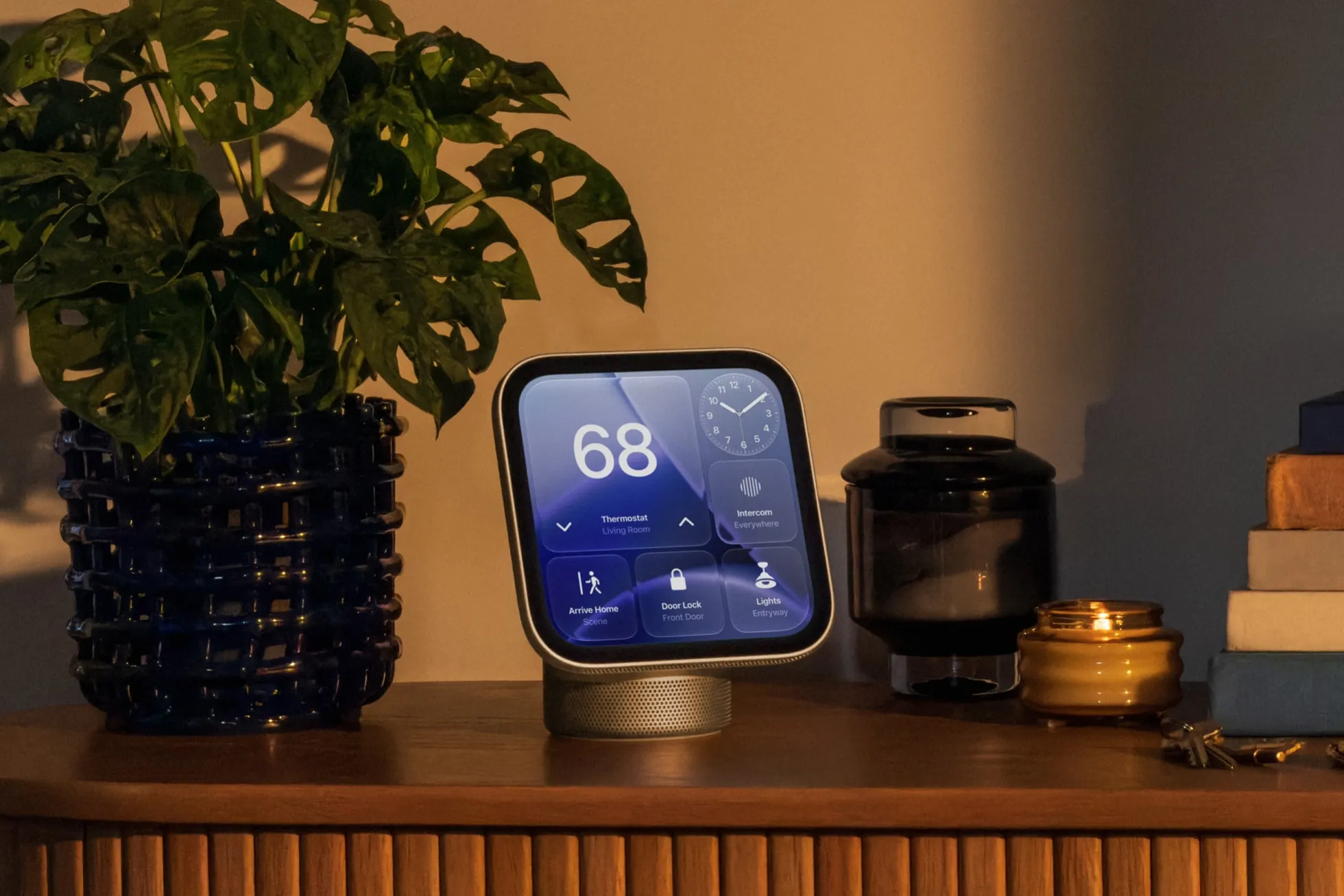
Let's break it down—users who don't upgrade will lose the ability to control accessories, view camera feeds, or trigger automations through the Home ecosystem. This means your "Arrive Home" automation won't unlock doors, your security cameras become completely inaccessible, voice commands through Siri will fail entirely, and that carefully timed evening lighting routine simply won't trigger. This means older devices won't be able to access the updated home until they're updated to the minimum supported versions.
The architectural overhaul Apple implemented addresses several long-standing HomeKit pain points. The new infrastructure improves home hub reliability when switching between devices, reduces the lag that sometimes occurred when triggering scenes, and creates a more robust foundation for handling the increasing complexity of modern smart homes. These improvements require changes to how devices communicate within the Home ecosystem, which is why older operating systems simply can't bridge the gap—they're missing the core framework necessary for the new architecture to function.
What makes this particularly challenging is that the requirement extends to all members of a shared home. The new architecture relies on every device in a shared home speaking the same protocol language. When one device is running the old framework and others are on the new system, it creates conflicts in how home data is synchronized and how commands are processed. You've diligently updated all your devices, but your partner is still running last year's iOS on their backup iPhone? That single outdated device doesn't just affect their experience—it can prevent the entire household's Home app from functioning correctly, particularly when it comes to automations and home hub handoffs.
How shared homes and accessories will be affected
Here's where the coordination challenge becomes real. If even one person in a shared home hasn't upgraded to the required OS versions, it can impact the entire home's functionality. When that outdated device tries to sync with your home's data, it can create synchronization errors that ripple through the system. Automations may fail to trigger reliably, accessories might show as "Not Responding," and in some cases, other users may find themselves unable to control devices until the compatibility issue is resolved.
Apple recommends checking with all home members to ensure everyone can update their devices before the deadline, but here's the practical challenge: you need to know which devices won't make the cut. The compatibility line falls at iPhone 8 and earlier, iPad 5th generation and earlier, Apple Watch Series 3 and earlier, and the original Apple TV HD. If your home hub is one of these older models, that's particularly critical since home hubs handle automation processing and remote access.
Consider a common scenario: you've got an older mounted in the kitchen as a dedicated Home control panel. It runs iOS 16 perfectly well, controls accessories without issue, and has become an integral part of your household routine. The problem? That iPad mini can't upgrade to iOS 18, making it a blocking device for your entire home after February 2026. You're left choosing between a $500 replacement for a device that otherwise works perfectly, or removing it from your Home setup and disrupting established family workflows.
Apple TV HD and Apple TV 4K models can run tvOS 18—the bigger hub change is that iPad isn't supported as a home hub on the latest Apple Home architecture. Since home hubs process automations and enable remote access, an incompatible hub doesn't just affect one person—it degrades functionality for everyone in the home. The company has provided a support document outlining compatibility requirements and upgrade steps, but understanding which specific hardware needs replacement versus upgrade requires checking model numbers against Apple's compatibility lists.
Bottom line: the financial implications are real. A new iPad starts at $349, an Apple TV 4K runs $129, and if you're managing multiple incompatible devices across a household, you could be looking at four figures in replacement costs. For users who've been loyal to the HomeKit ecosystem and invested in compatible accessories over the years, being forced to replace functioning hardware feels particularly frustrating.
Verifying readiness and avoiding disruption
The good news is that you have over a year to prepare, giving you time to budget for upgrades and coordinate with household members rather than facing a crisis in early 2026. Apple's support documentation includes instructions for checking your current OS versions and verifying upgrade eligibility.
Pro tip: Start by auditing your home hubs first—these are critical infrastructure. Open Settings > General > About on each device and note the model number. On iPhone, look for "Model Name." On iPad, you'll find it listed as "Model." For Apple TV, go to Settings > General > About and check "Model." Cross-reference these against Apple's compatibility lists to identify which devices need replacement versus simple software updates. Prioritize replacements in this order: home hubs first, then primary control devices, then secondary devices.
Make a comprehensive list of every device in your household that interacts with the Home app. This includes not just your primary iPhone, but also that iPad mounted in the kitchen, the Apple Watch your spouse uses to trigger the "Leaving Home" scene, and especially any Apple TV boxes serving as home hubs. For each device, you need to determine: Can it run the required OS version? If not, what's the replacement cost? What's the timeline for replacement or removal?
For devices that can't run the required operating systems—those older iPhones, iPads, or Macs that have reached end-of-life for software updates—you have a decision tree to work through. If it's a secondary device used occasionally for Home control, removing it from your setup is straightforward. If it's a primary control device someone uses daily, you're looking at replacement. If it's a home hub, replacement becomes essential for maintaining automation and remote access functionality.
The upgrade process itself requires all home members to coordinate their updates, which means communication is critical if you're managing a shared home. Schedule a household discussion about the deadline, help family members check their device compatibility, and create a timeline that ensures everyone upgrades before the cutoff. This isn't something you can handle in isolation and hope for the best.
After upgrading devices—whether through software updates or hardware replacement—implement a systematic testing protocol. Start with basic control: open the Home app and verify you can control each accessory. Test your automations by checking your Home app's automation history, which shows whether triggers are firing correctly. Create a test automation that runs immediately so you can verify the entire chain works from trigger to action. Check that your home hub is functioning by going to Home Settings > Home Hubs & Bridges and confirming status shows "Connected." Test remote access by connecting to cellular data and attempting to control an accessory or view a camera.
If replacement costs are a concern, consider that a new Apple TV 4K ($129) can serve as a home hub for an entire household, potentially eliminating the need to upgrade multiple older iPads that were serving that function. A single home hub replacement may be more cost-effective than replacing several control devices, particularly if other family members can upgrade their primary devices through software updates alone.
For multi-home setups—vacation properties, offices, or family members' homes you help manage—each location needs the same verification and upgrade attention. Create a spreadsheet tracking device compatibility across all properties so nothing falls through the cracks when the deadline arrives.
The bigger picture: what this means for Apple's smart-home strategy
This aggressive compatibility cutoff reveals Apple's strategic bet that security and modern architecture matter more than maintaining backward compatibility with older hardware. While Amazon and Google maintain broader device support for their smart-home platforms—often supporting devices four or five years old without forced upgrades—Apple is essentially declaring that a smaller, more secure user base operating on unified architecture is preferable to a fragmented ecosystem with varying security and performance capabilities.
The timing is telling. By enforcing a February 2026 cutoff, Apple ensures that by mid-decade, its entire active Home user base will be running modern operating systems capable of supporting emerging standards like Matter and Thread at a fundamental level. This creates a foundation for new features and capabilities that would be impossible to implement across a fragmented user base where some devices are running six-year-old software.
The February 10, 2026 deadline gives users substantial lead time to plan upgrades—more generous than some of Apple's past compatibility transitions. But it also represents one of the most aggressive smart-home compatibility cutoffs in the industry. Google's Home ecosystem has maintained support for significantly older Android devices, and Amazon's Alexa works with everything from current-generation tablets to budget devices from years past. Apple's approach here is consistent with its broader ecosystem philosophy, but it's worth questioning whether improved architectural reliability justifies forcing hardware upgrades for users whose current setups work without issue.
There's also a competitive risk in play. HomeKit has historically struggled with market share compared to Google Home and Amazon Alexa. Forcing users to replace functioning hardware or exit the ecosystem entirely could push some toward platforms with less stringent requirements. For users who've invested hundreds or thousands in HomeKit-compatible accessories, the switching cost is high—but for someone facing a $500+ device replacement bill, competitor platforms start looking more attractive.
The requirement that all shared home members must upgrade underscores how deeply interconnected modern smart-home systems have become. This isn't like upgrading your iPhone where your experience is independent of others. Smart homes are collaborative infrastructure, and Apple's architecture requires collective compliance for system integrity. Whether you view this as reasonable security hygiene or heavy-handed ecosystem control depends largely on whether you're facing hardware replacement costs.
For smart-home enthusiasts who've invested heavily in HomeKit accessories, the message is unambiguous: staying current with Apple's software updates isn't optional if you want continued access. This might feel particularly frustrating if your hardware is working perfectly fine and you don't see an immediate need to upgrade. But from Apple's perspective, maintaining a modern, secure, architecturally consistent Home ecosystem requires drawing a line—even if it means leaving some users behind.
As we move toward the deadline, here's your action plan: conduct your device audit this month, not next year. Create a budget for any necessary hardware replacements with enough runway to spread costs over time if needed. Initiate conversations with everyone who shares your home about compatibility and upgrade timing. If you discover critical devices that can't upgrade, start researching replacements now while you have time to wait for sales or trade-in opportunities rather than paying full price in a panic next January.
The worst-case scenario—waking up on February 11, 2026, to find that your smart lights won't respond, your security cameras are inaccessible, and your carefully crafted automations have stopped working—is entirely avoidable. With more than a year of runway, tackle this requirement thoughtfully and systematically rather than waiting until it becomes an emergency.



Comments
Be the first, drop a comment!