



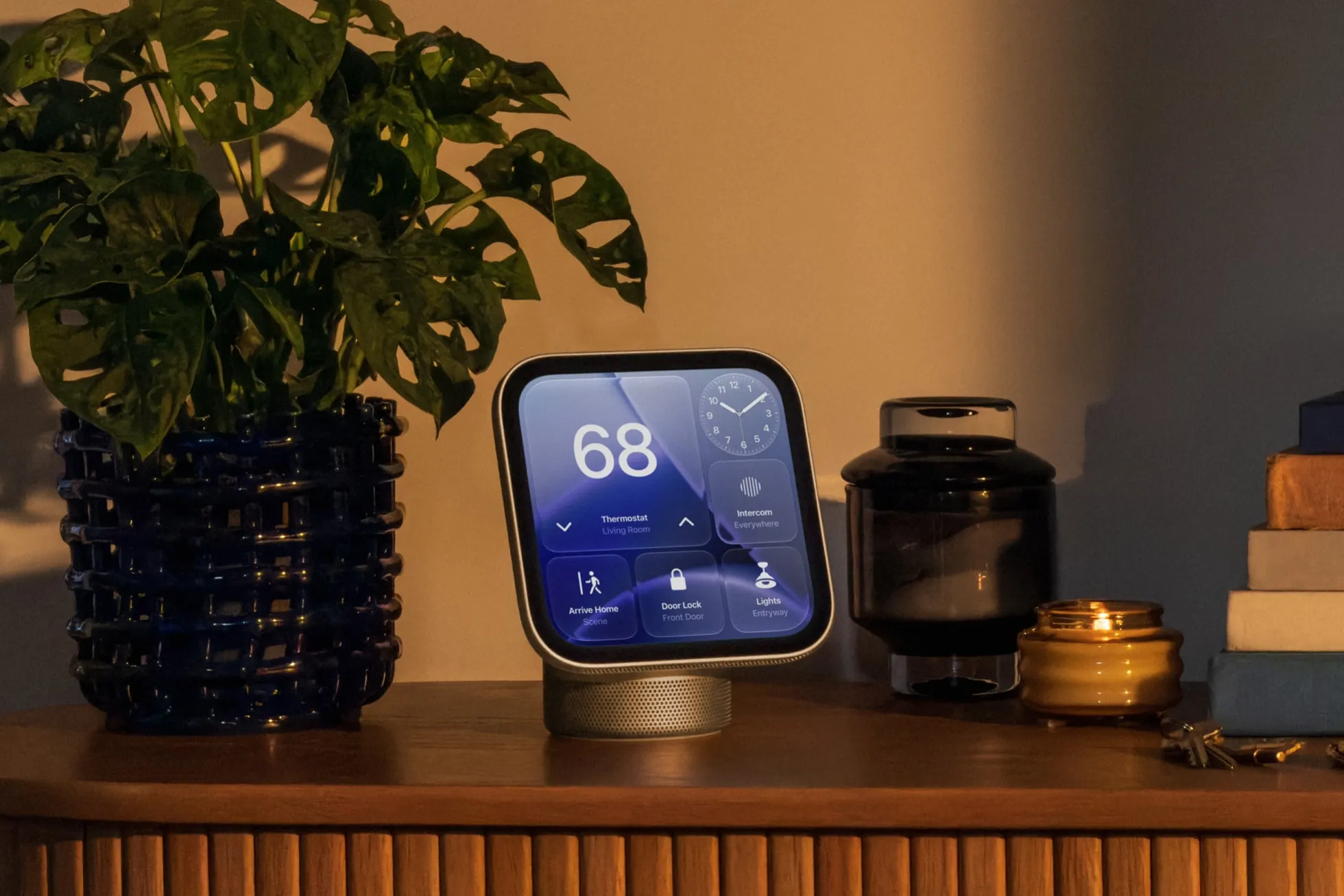
Apple's smart home ambitions are about to take a significant leap forward. Recent insider reports suggest the company is developing a dedicated Home Hub device that could reshape how we interact with our connected homes. This isn't just another Echo Show competitor – we're looking at something uniquely Apple, combining the familiar watchOS interface with the versatility of MagSafe technology.
The timing couldn't be more strategic. As smart home adoption accelerates and competitors like Amazon and Google continue to dominate the space, Apple appears ready to offer its own take on the central home control device. But what makes this rumored device particularly intriguing is how it might leverage existing Apple technologies in entirely new ways.
What a watchOS-style interface means for home control
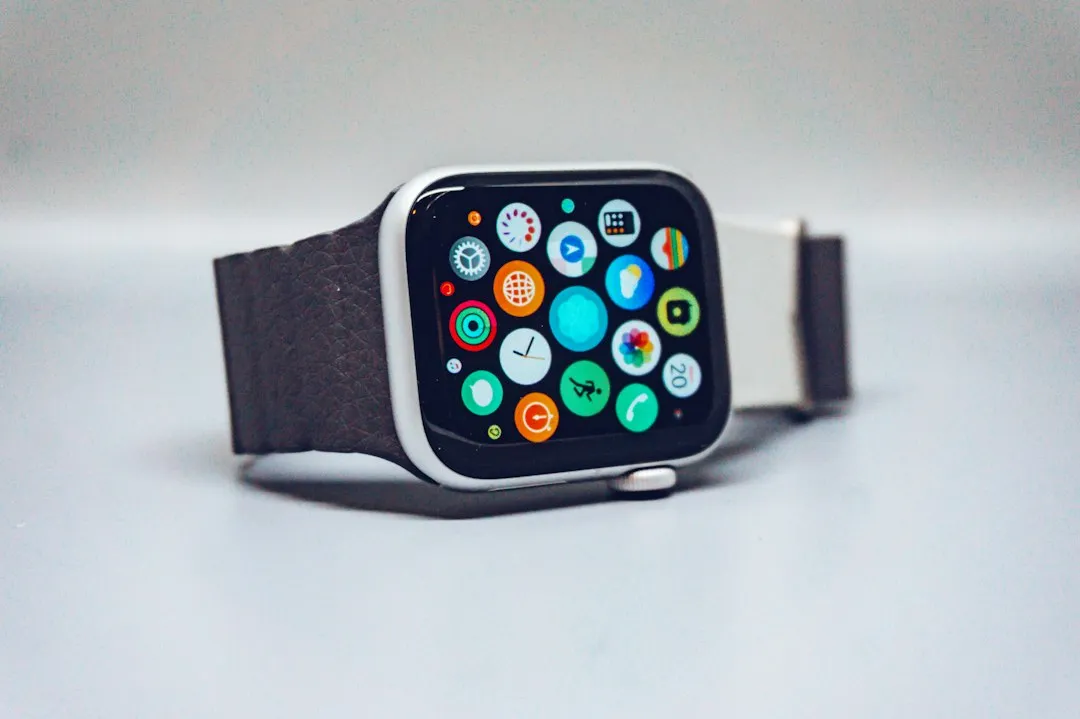
The choice to adopt a watchOS-inspired interface for a home hub makes more sense than you might initially think. Consider how we actually interact with smart home devices – quick glances, simple taps, and immediate actions. That's essentially the watchOS experience translated to a larger screen.
This interface approach suggests Apple is prioritizing simplicity over complexity. Rather than cramming every possible feature onto the screen like some competing devices, a watchOS-style UI would likely focus on essential controls presented in an easily digestible format. Think large, colorful app icons for different rooms or device categories, with the ability to quickly drill down into specific controls.
This constraint-driven approach could solve a critical UX problem plaguing current smart displays. Many users report feeling overwhelmed by cluttered interfaces where finding basic controls requires navigating through multiple menu layers. The watchOS philosophy – where every interface element serves a clear purpose – could make smart home control genuinely intuitive for mainstream users.
The Digital Crown navigation model presents particularly interesting possibilities when scaled up. Imagine rotating through different rooms or device categories with the same fluid gestures Apple Watch users already know, but now with the precision of a larger display. You could smoothly scroll through lighting scenes, adjust temperature controls with haptic feedback, or quickly jump between security camera feeds.
How MagSafe could revolutionize home hub placement
Here's where things get really interesting from a practical standpoint. MagSafe integration opens up possibilities that traditional smart displays simply can't match. We're potentially looking at a device that seamlessly transitions between wall-mounted and portable configurations.
Picture this: your home hub magnetically attaches to a kitchen wall mount for daily use, but easily detaches when you need to carry it to another room or take it outside to control patio lighting. This flexibility addresses one of the biggest limitations of current smart displays – they're stuck wherever you initially place them.
The charging implications are equally compelling. MagSafe's wireless charging capability could enable continuous power when mounted while maintaining full portability when needed. This eliminates the awkward charging cables that plague current portable smart home controllers, creating a truly seamless experience.
Beyond the charging convenience, this magnetic system fundamentally changes how we think about smart display placement. Instead of choosing the "best compromise" location for a fixed device, you could have dedicated mounting points throughout your home – kitchen for morning routines, bedroom nightstand for evening controls, outdoor patio for entertainment setup. The hub moves where you need it, when you need it.
Standing out in the crowded smart display market
Apple faces significant competition in this space, but the company's approach appears fundamentally different from existing solutions. While Amazon's Echo Show focuses on Alexa integration and Google's Nest Hub emphasizes Assistant capabilities, Apple seems to be betting on hardware elegance and ecosystem integration.
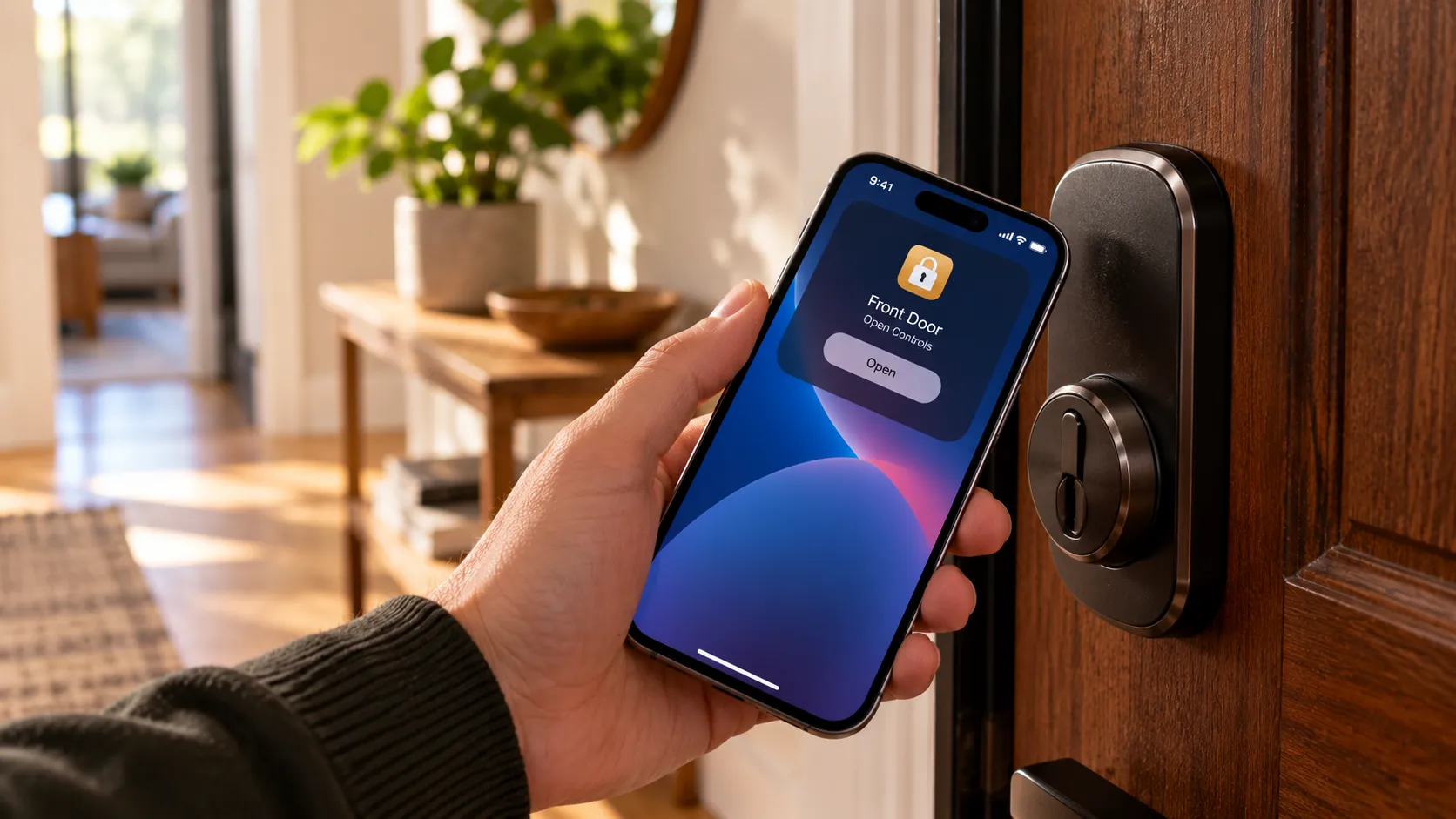
The key differentiator likely lies in how deeply this device integrates with existing Apple products. Imagine seamless handoff between your iPhone's Home app and the hub, or the ability to use your Apple Watch as a remote controller. These ecosystem advantages could prove more valuable than raw feature counts.
This ecosystem approach addresses a real user behavior pattern. Apple users demonstrate significantly higher cross-device usage rates, frequently switching between iPhone, iPad, Mac, and Apple Watch throughout their daily routines. A home hub that fits naturally into this workflow could see much higher engagement than competing devices that exist in isolation.
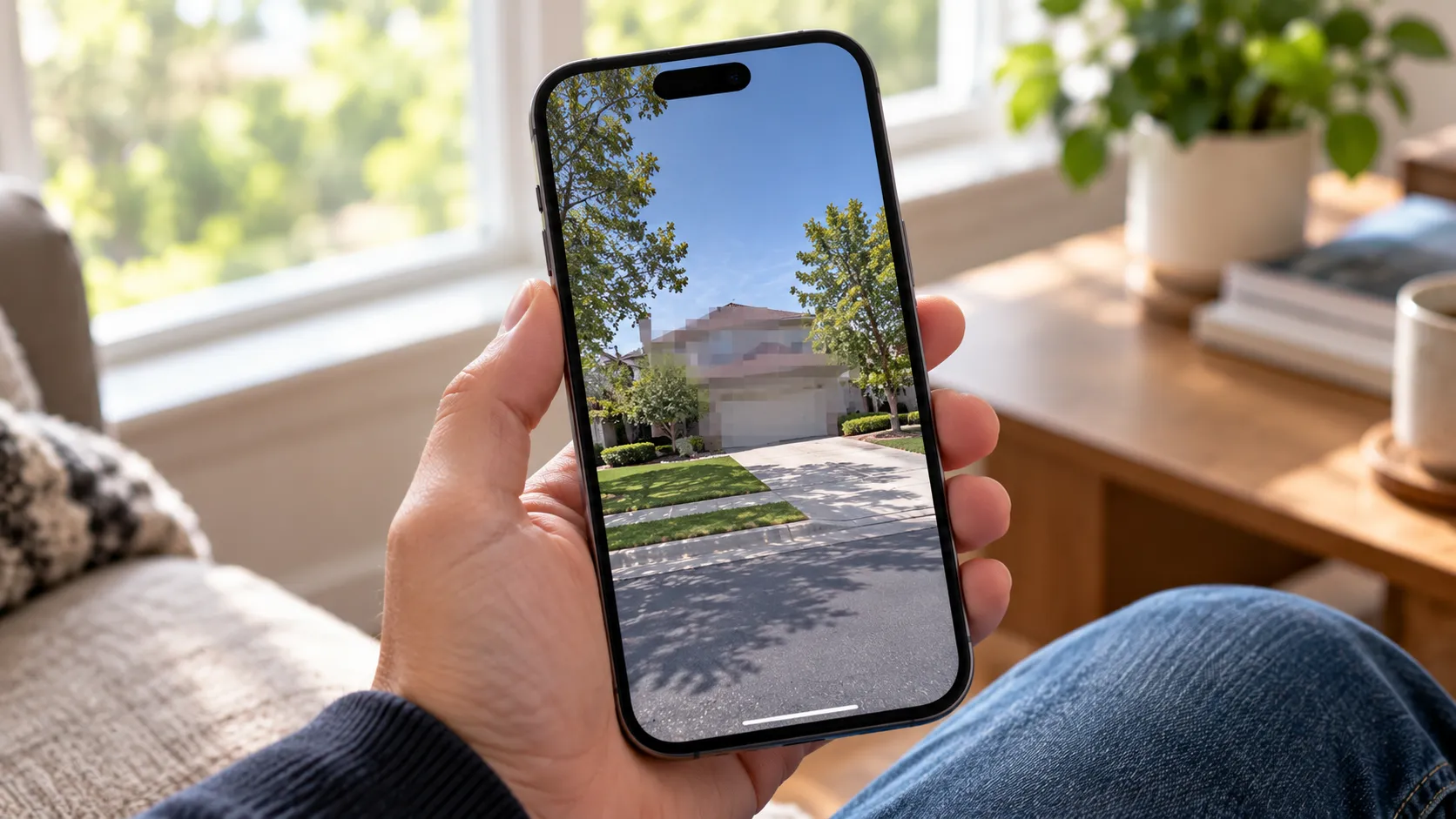
Privacy considerations also set Apple apart in this category. While competitors often rely on cloud processing for voice commands and data analysis, Apple's focus on on-device processing could make their home hub more appealing to privacy-conscious consumers. Features like Apple Home adoption Secure Video, which processes footage locally rather than uploading to the cloud, demonstrate how Apple could differentiate on privacy without sacrificing functionality.
Implications for Apple's broader smart home strategy
This rumored device represents more than just a new product – it signals Apple's renewed commitment to the smart home market. After years of playing catch-up in home automation, the company appears ready to leverage its strengths in hardware design and ecosystem integration.
The timing aligns with Apple's broader push into new product categories. Just as the company successfully entered the wearables market with Apple Watch, a well-executed home hub could establish Apple as a serious player in home automation hardware, not just software and services.
What's particularly strategic is how this fits into Apple's services expansion. HomeKit currently holds a smaller market share compared to Amazon's Alexa or Google's Assistant platforms. A compelling home hub creates new opportunities for Apple to expand HomeKit adoption, which in turn strengthens the overall ecosystem and creates more touchpoints for services revenue.
The Apple Watch provides a proven blueprint for this approach. Initially dismissed by critics as unnecessary, the watch became the world's best-selling smartwatch by focusing on seamless ecosystem integration rather than trying to match every competitor feature. A home hub following the same philosophy – doing fewer things exceptionally well within the Apple ecosystem – could achieve similar success.
Success here could also pave the way for additional smart home hardware. If Apple can nail the central control experience, we might see the company expand into other connected home devices, creating a more comprehensive ecosystem to rival Google's Nest lineup. The company's recent forays into different product categories suggest they're not afraid to challenge established players when they see an opportunity.
What this means for the future of home automation
The convergence of familiar interface design with innovative mounting solutions points toward a more flexible future for smart home control. Rather than choosing between fixed displays and portable controllers, we might soon have devices that excel at both roles.
This approach could influence how other manufacturers think about smart home interfaces. The success of watchOS proves that simplified, gesture-based interfaces can be incredibly powerful when designed thoughtfully. Applying these principles to home automation could make smart homes more accessible to mainstream consumers who currently find the technology too complex or intimidating.
The MagSafe integration also suggests we're moving toward more modular smart home setups. Instead of permanent installations that become outdated, we might see systems designed for easy reconfiguration as needs change. This flexibility could accelerate smart home adoption by reducing the commitment barrier for hesitant consumers.
PRO TIP: If this device becomes reality, the key to maximizing its potential will be strategic mounting point placement. Consider high-traffic areas where you frequently make smart home adjustments, but also think about scenarios where portability matters – outdoor entertaining spaces, guest rooms, or workshop areas where temporary control access is valuable.
Bottom line: Apple's rumored home hub represents a thoughtful approach to solving real problems in the smart home space. By combining proven interface design with innovative hardware solutions, they're positioning themselves to offer something genuinely different in a crowded market. Whether this device becomes reality remains to be seen, but the concept alone suggests Apple is thinking seriously about how to make smart homes work better for everyone.




Comments
Be the first, drop a comment!