



Reviewed by: Y. Garcia
Apple's smart home ecosystem is approaching a pivotal moment, and if you're still running the old Home architecture, you've got some important decisions to make. The company has officially pushed back its deadline for ending support of the legacy Home app system, but according to HomeCoreOS, February 10, 2026, marks the final cutoff date. This isn't just another routine software update — it's a complete transformation of how Apple handles smart home control, and the implications go far beyond what you might expect.
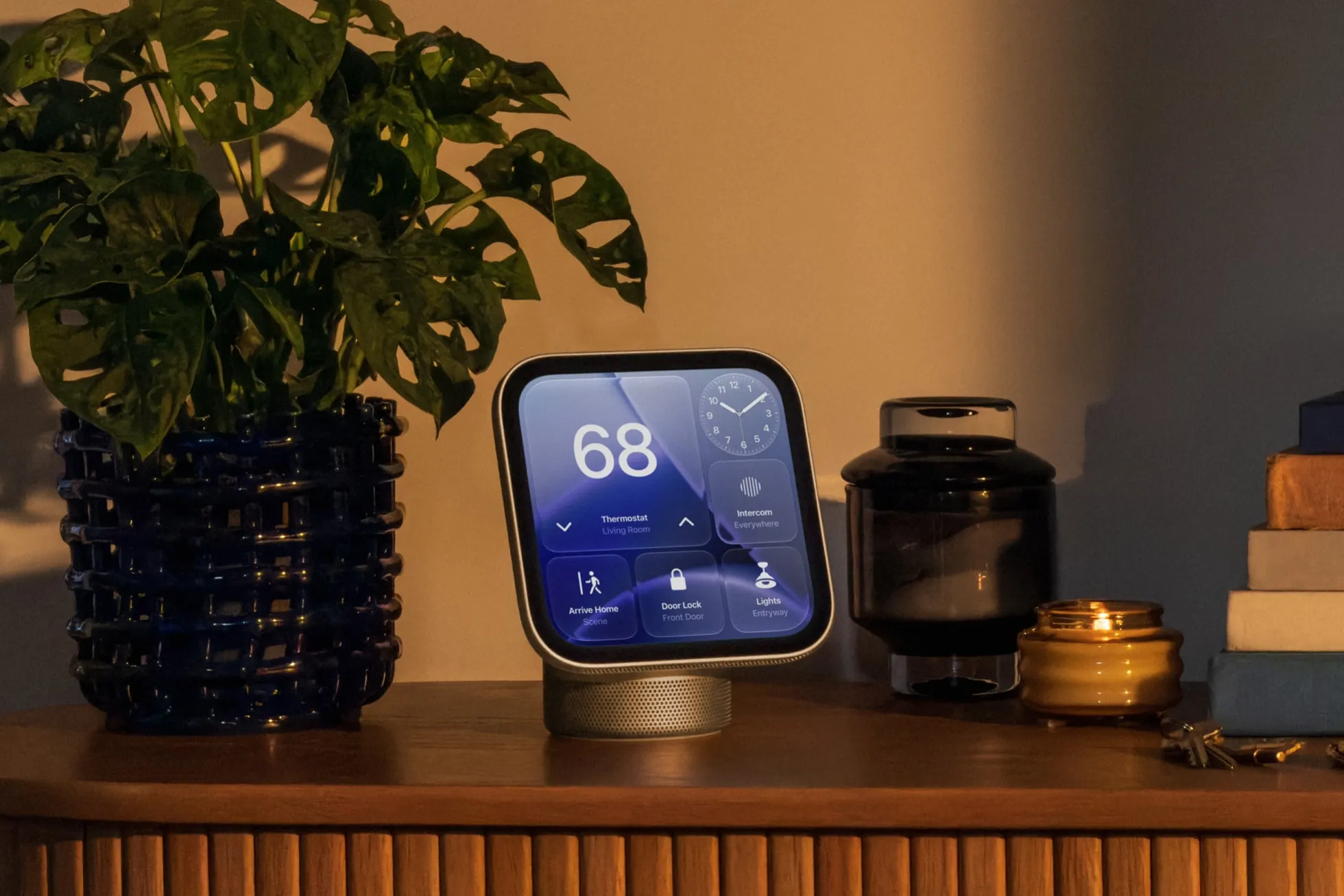
The timing of this announcement is particularly interesting when you consider Apple's broader smart home strategy. Research from MacRumors reveals the company is developing a dedicated home hub device expected to launch in March or April 2026, complete with a 7-inch display and its own operating system. Meanwhile, analysis from HomeCoreOS indicates Apple is fundamentally restructuring its entire smart home ecosystem to support future innovations like HomeOS and enhanced Matter compatibility.
What exactly changes on February 10, 2026?
When that deadline hits, the impact will be immediate and comprehensive. HomeCoreOS reports that households still using the old architecture will lose complete access to their smart home via the Home app — no device control, no automations, and no shared family access. This isn't a gradual phase-out; it's a hard stop that affects your entire smart home setup.
The consequences extend beyond simple app functionality. Imagine waking up on February 11th and finding that your carefully crafted automations have simply vanished, your smart lights won't respond to commands, and your partner can't access any of the shared home controls you've set up over the years. Even worse, your HomeKit Secure Video recordings become inaccessible, and any scheduled routines — from morning coffee makers to evening security settings — stop working entirely.
The device compatibility requirements are equally strict. According to MacRumors, only devices running iOS 16.2, iPadOS 16.2, macOS 13.1, tvOS 16.2, or watchOS 9.2 and later will maintain Home app functionality. Older devices will be completely locked out, which could be particularly problematic for households with mixed-generation Apple products. If you've got that old iPad sitting on the kitchen counter as your smart home control center, it might be time to start shopping for a replacement.
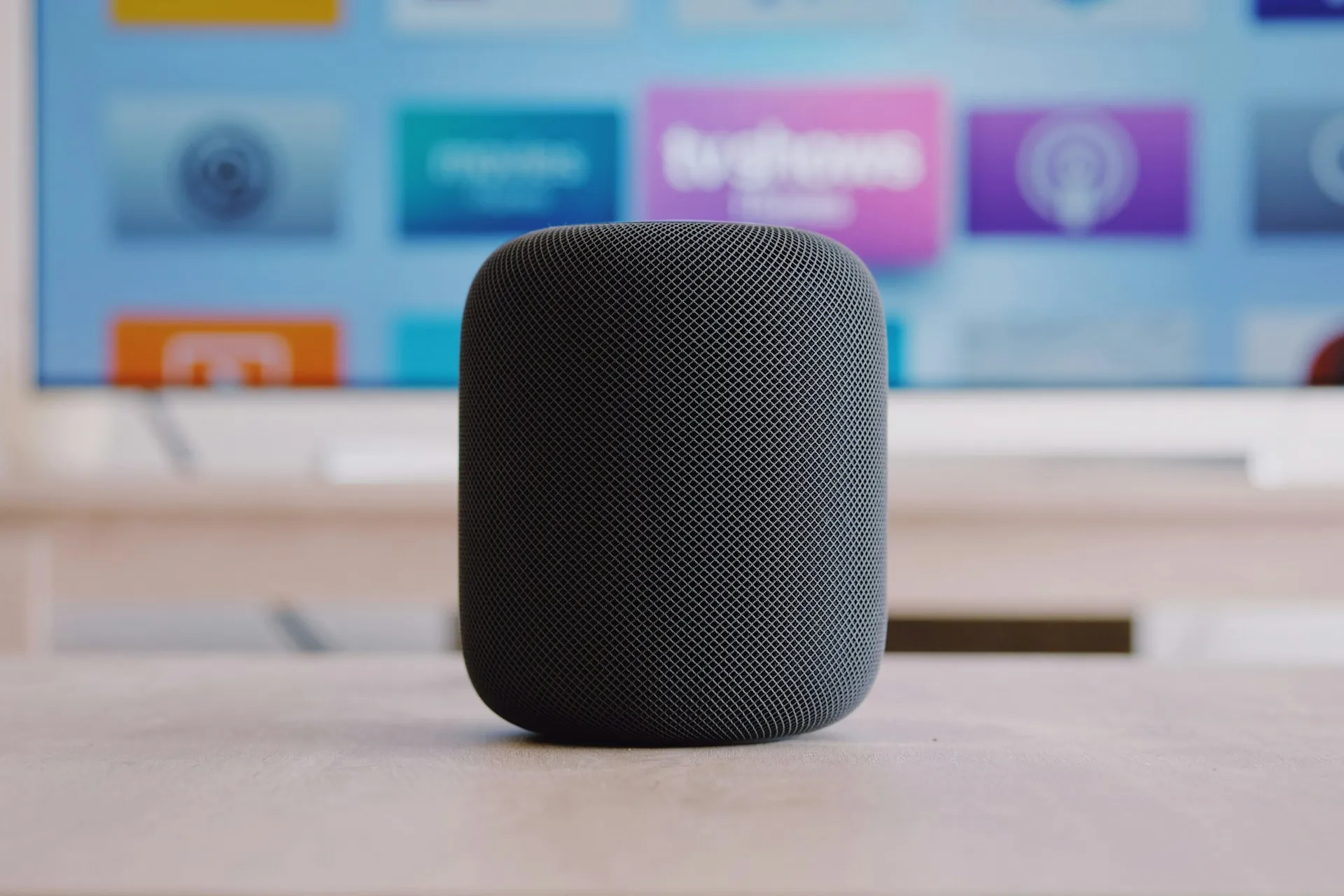
Perhaps most significantly, HomeCoreOS analysis shows that iPads can no longer serve as home hubs under the new system due to their lack of Thread support and permanent wired connections. Thread protocol is crucial for creating a reliable mesh network among smart devices, providing faster response times and better connectivity than traditional Wi-Fi connections. This forces users toward either the HomePod mini or the Apple TV 4K, with the latter being considered the premium choice for larger smart home setups due to its Ethernet capability, ensuring rock-solid network stability.
Why Apple's making this dramatic shift
The architectural overhaul isn't just about cleaning house — it's about enabling capabilities that the old system simply couldn't support. HomeCoreOS research indicates the new framework addresses long-standing performance issues like sluggish app responses, persistent "Updating..." status delays, and unreliable automation triggers that have plagued HomeKit users for years.
If you've ever sat there tapping frantically on a light switch in the Home app while it stubbornly displays "Updating..." you know exactly what I'm talking about. These weren't just minor annoyances — they were fundamental architectural problems rooted in the old system's inability to efficiently handle modern smart home demands and cross-platform device communication.
The new architecture's enhanced data structure allows for more efficient device state management and faster synchronization across multiple hubs and devices. This technical improvement translates directly into user benefits: According to HomeCoreOS, the system now unlocks Matter compatibility, custom guest access controls, detailed activity history tracking, and support for robot vacuums. These aren't minor additions — they represent fundamental expansions of what HomeKit can accomplish.
Take guest access, for example. Instead of having to share your full home controls with visitors, you can now create customized access levels that let the dog sitter control specific lights and locks without giving them access to your security cameras or thermostat settings. The activity history feature provides detailed logs of who controlled what and when, essential for security and troubleshooting.
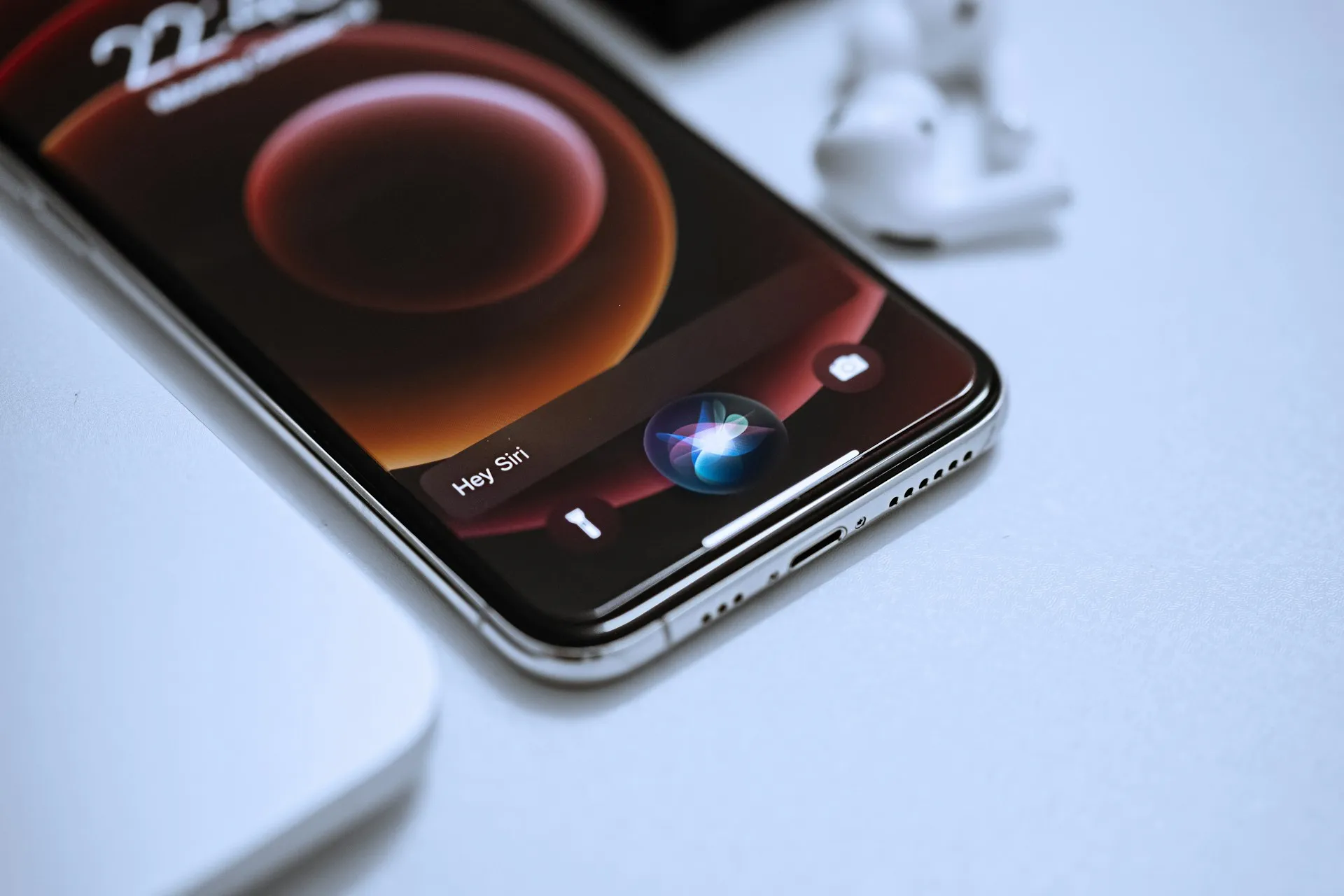
Looking ahead, MacRumors analysis reveals this transition is essential groundwork for Apple's upcoming smart home initiatives. The new architecture will support advanced features like presence detection, enhanced Siri integration with large language models, and seamless cross-platform orchestration through Matter protocols. Apple is essentially future-proofing the entire HomeKit ecosystem for capabilities we haven't even seen yet.
The rocky road to this moment
Apple's path to this deadline hasn't been smooth. HomeCoreOS documentation shows the company first introduced the new architecture with iOS 16.2 in late 2022, but the rollout was plagued with serious bugs, including disappearing accessories, broken family sharing, and malfunctioning HomeKit Secure Video. The problems were so severe that Apple completely pulled the update — something the company rarely does, which tells you just how problematic those initial bugs were.
Users reported entire homes' worth of smart devices simply vanishing from their Home app, automations that had worked for years suddenly failing, and family members getting locked out of shared home controls entirely. Some users even lost access to their security cameras' historical recordings, creating genuine safety concerns.
PC World reports that Apple has been running both architectures simultaneously for nearly three years, originally planning to end legacy support in fall 2025 before extending the deadline. MacDailyNews analysis suggests the initial stability issues discouraged many users from upgrading, though those problems have since been resolved.
Interestingly, these delays actually benefited Apple's broader strategy. MacRumors indicates the company delayed its smart home hub launch specifically to wait for a more capable version of Siri powered by large language models, which is expected to arrive with iOS 26.4 around the same time as the architecture cutoff. This coordinated timing ensures that when the old system dies, users will have access to significantly enhanced smart home capabilities rather than just a basic replacement.
What you need to do right now
The migration process is straightforward but irreversible, and the sooner you act, the better. HomeCoreOS guidance shows the upgrade is handled directly through the Home app and applies to your entire Apple ID across all associated devices and homes — there's no selective migration option.
Here's what that means in practical terms: once you upgrade one home to the new architecture, every home associated with your Apple ID gets upgraded too. You can't test it out on a secondary property while keeping your main home on the old system. This all-or-nothing approach is why Apple has provided such an extended timeline for the transition.
PRO TIP: Start your migration process at least 30 days before the February deadline. This gives you time to identify any compatibility issues with specific devices and work through setup problems without the pressure of an impending cutoff.
Before you begin, ensure you have a compatible hub device. HomeCoreOS recommends the Apple TV 4K with Ethernet as the gold standard for stability and performance, while the HomePod mini serves as an affordable alternative for smaller setups. Remember, iPads are no longer viable hub options under the new system.
The Apple TV 4K recommendation isn't just about processing power — though the A15 Bionic chip certainly helps with complex automation processing. The Ethernet connection provides the network stability that's crucial for managing dozens of smart home devices, especially when you start mixing in Matter devices from different manufacturers. The wired connection eliminates Wi-Fi interference issues that can cause intermittent connectivity problems, particularly in homes with multiple 2.4GHz devices.
The performance benefits alone make the upgrade worthwhile. MacRumors testing shows the new architecture delivers faster, more reliable performance, especially for homes with extensive HomeKit and Matter device collections. Users report automation response times improving from several seconds to nearly instantaneous, and the persistent "No Response" device states that plagued the old system are largely eliminated.
Where Apple's smart home vision is headed
This architecture transition is just the beginning of Apple's smart home ambitions. MacRumors reporting indicates the company is developing a dedicated home hub with presence detection capabilities, built-in sensors, and a widget-based interface that adapts based on who's nearby. The device will feature video calling capabilities and rely heavily on an enhanced Siri system.
Picture this scenario: you walk into your kitchen, and the hub automatically displays the controls most relevant to you — maybe your morning routine lights and coffee maker settings. Your partner walks in, and it shifts to show their preferred temperature controls and calendar appointments. The presence detection uses a combination of proximity sensors and device recognition to create these personalized experiences without compromising privacy.
The technical requirements for these advanced features explain why the architectural transition was necessary. The new system's enhanced device communication protocols and improved data structures enable real-time presence detection and contextual automation that would have been impossible under the legacy framework.
What's particularly exciting is the Siri enhancement coming alongside these changes. MacRumors reports that Apple delayed the home hub launch specifically to wait for a more capable version of Siri powered by large language models, expected to arrive around the same time as the architecture deadline. Instead of the current limited voice commands, you'll be able to have natural conversations about your home automation needs — asking complex questions like "Why didn't the living room lights turn on when I got home yesterday?" and receiving detailed, actionable responses.
HomeCoreOS analysis suggests this new architecture serves as essential groundwork for future innovatio,ns including HomeOS, Apple's upcoming home-focused operating system, and more sophisticated automation capabilities that leverage AI and cross-platform Matter integration. The enhanced framework will support predictive automations that learn from your behavior patterns and suggest optimizations for energy efficiency and convenience.
Bottom line: February 10, 202,6 represents more than just a software deadline — it's Apple's definitive move toward a more capable, secure, and feature-rich smart home ecosystem. The question isn't whether you should upgrade, but how soon you can make the transition to ensure you're ready for the next generation of smart home capabilities. Don't wait until the last minute on this one — give yourself time to test the new system, optimize your device setup, and work out any kinks before that hard cutoff date arrives.



Comments
Be the first, drop a comment!