



The most interesting evidence for Apple's rumored home hub isn't a spec sheet. It's a home-screen system borrowed straight from the Apple Watch, and it does more to justify buying several units than any display resolution or chip upgrade could. That's the real story buried in this month's Apple HomePad rumors: not a bigger screen, but a smarter one.
Code inside the macOS 26.7 beta references two strings, "HomeAccessory" and "HomeAccessory_wall," with the wall-mounted label suggesting Apple is testing a wall-mounted configuration alongside a tabletop one, according to Engadget, which reviewed the beta last week.
Bloomberg's Mark Gurman fills in the rest: Apple is planning both tabletop and wall-mounted versions and expects many buyers to purchase more than one for placement around the house, with a launch window sometime between October 2026 and early 2027.
That's the detail that turns this from a rumor roundup into an actual product thesis. A company planning for multiple units per household needs each one to serve a different purpose, not repeat the same dashboard five times over. Whether that pitch holds up depends on how well the customization works, and on what Apple decides to charge for the privilege.
What Apple HomePad customizable faces would actually look like
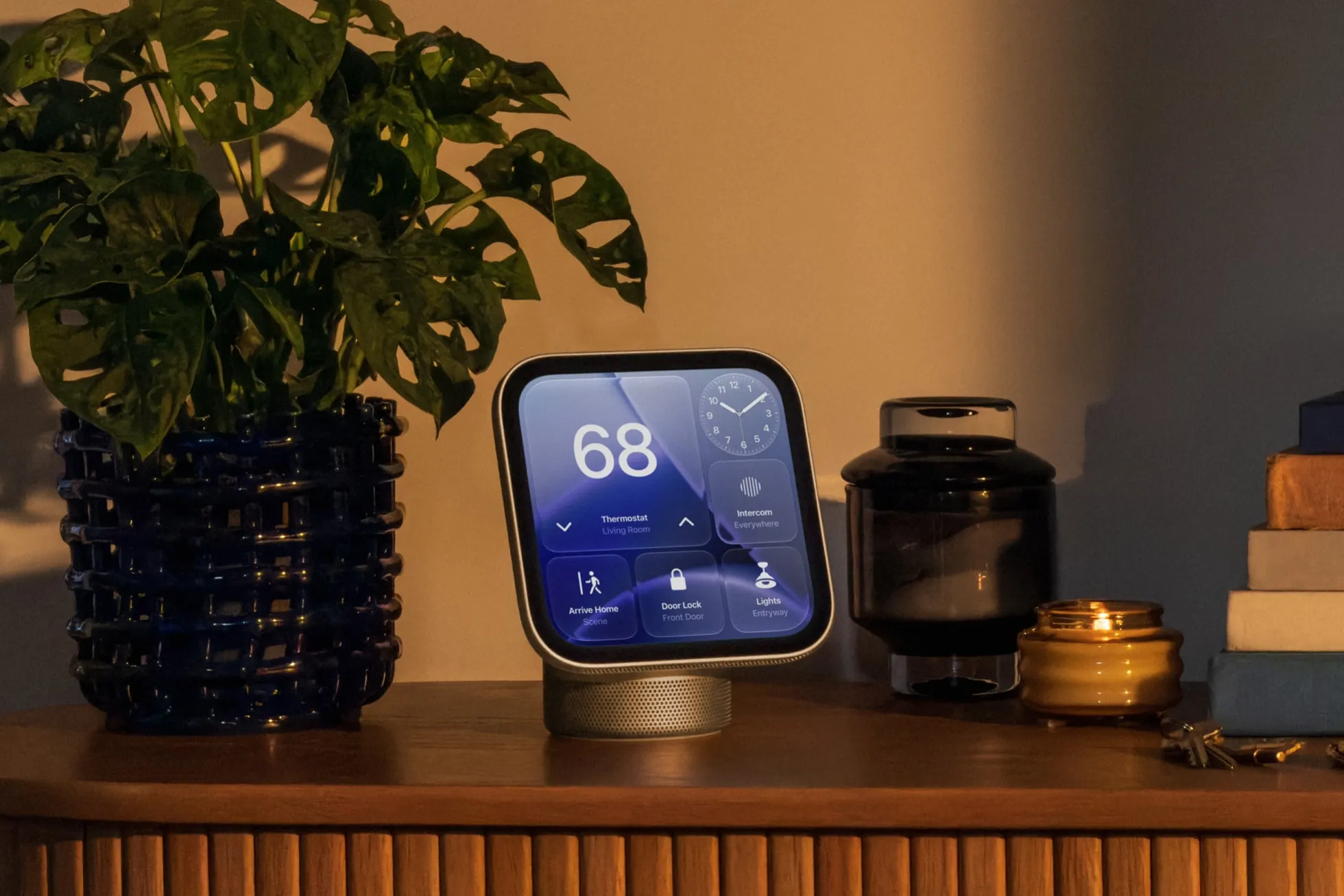
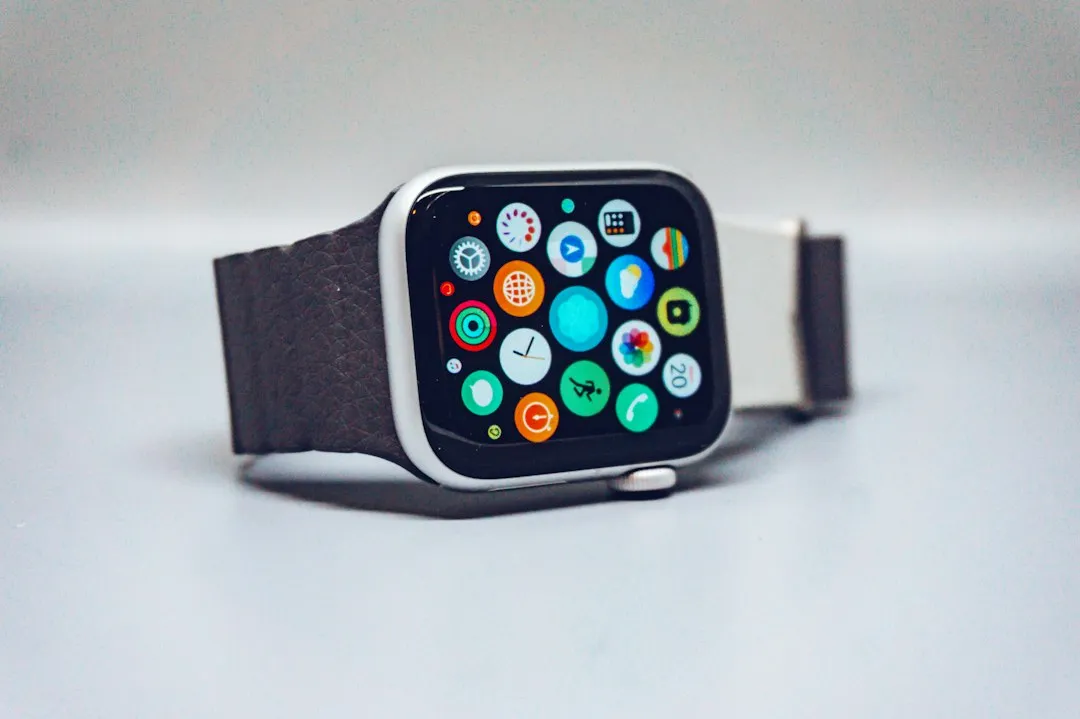
Several outlets digging through the same beta code describe a home screen built around "Faces" and a "Face Gallery," which multiple reports compare to oversized Apple Watch faces. Macworld notes the software runs a variant of tvOS, but with an interface its report describes as inspired by watchOS rather than anything on the current Apple TV.
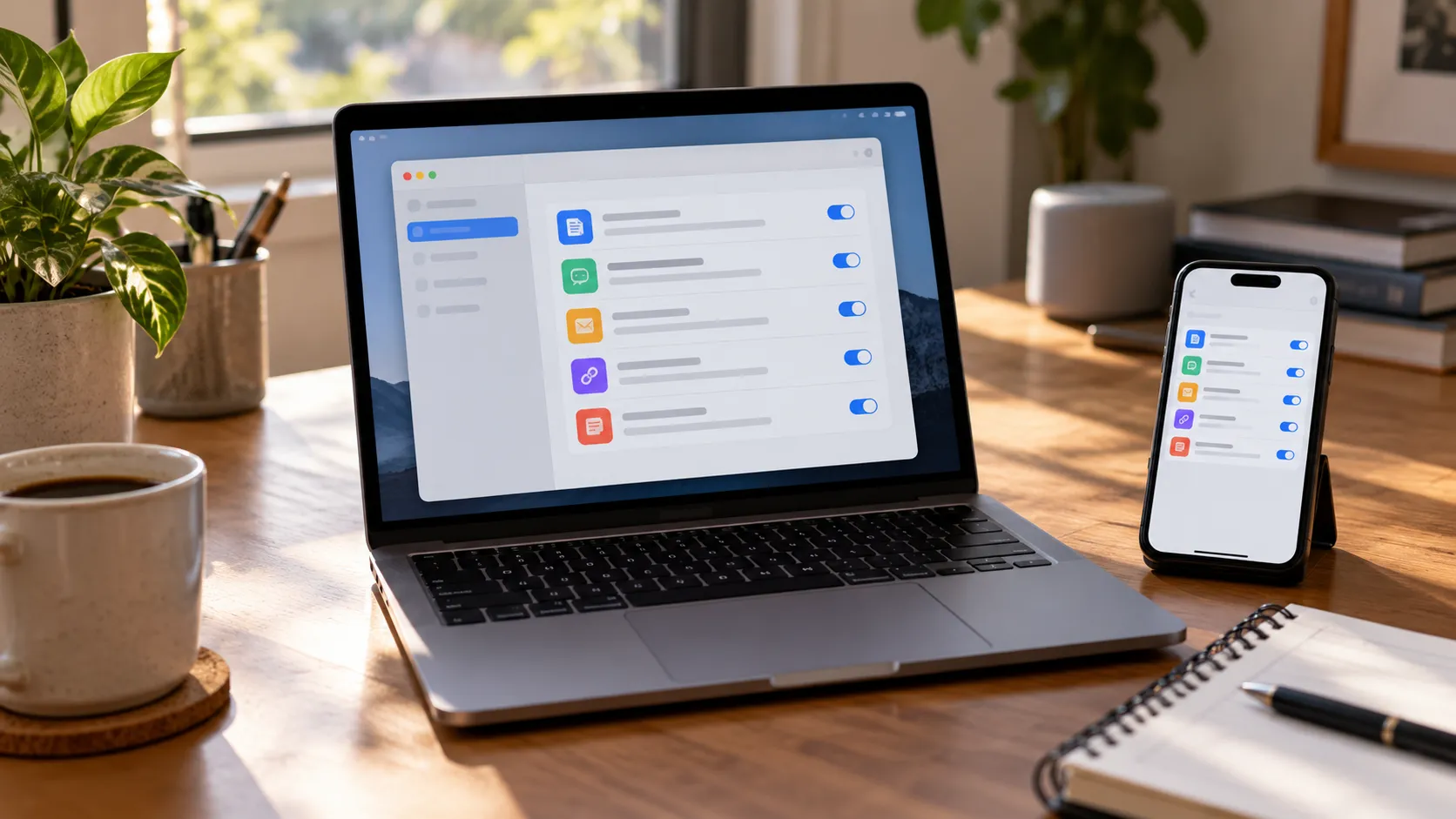
These Faces reportedly support customizable widgets and Smart Stacks, the rotating widget system already familiar from iPhone and Apple Watch, so the information on screen could shift automatically over the course of a day. iPhone app widgets can apparently be pulled onto the hub in a Handoff-like way, and MacRumors' summary of Bloomberg's reporting describes the underlying operating system as a blend of tvOS, watchOS, and iOS elements.
None of this guarantees the product ships as described. But it explains why Apple would build software this flexible for hardware Bloomberg expects households to buy in multiples. Configured through a Face system, identical hardware stops being redundant screens and starts being room-specific tools.
The room-by-room case for an Apple smart home hub
9to5Mac makes its own editorial case here: setting different widgets and layouts in the kitchen, the living room, and each bedroom directly strengthens the argument for buying several units, though that's the outlet's interpretation rather than a confirmed Apple strategy.
The reported Apple HomePad features support that reads: Photos slideshows and Memories, Apple Music playback with lyrics and artwork, security-camera monitoring, and an intercom system for multi-device households. The hub is also expected to double as a HomeKit control panel, calendar, and FaceTime endpoint, extending its job well beyond toggling smart lights.
That list raises the harder question the multi-unit pitch actually has to answer: what does a dedicated hub do that an iPhone left on the counter doesn't already handle? A phone already runs widgets, plays music, and shows photos.
The case for a fixed screen rests on things a phone doesn't do well sitting in a kitchen or hallway: it stays visible without anyone picking it up, it can be shared by a whole household instead of tied to one pocket, and it can run background functions, security footage, an intercom, HomeKit toggles that make more sense left running permanently than checked occasionally.
An iPad propped on a stand approximates some of that, but it wasn't built for always-on wall mounting, multi-user recognition, or the glanceable interface Apple is reportedly building into Faces. If the customization works as described, that's the gap a HomePad fills. If it doesn't, buying several is just buying several iPads with extra steps.
None of the reporting states that Apple intends specific layouts for specific rooms; that inference belongs to 9to5Mac's framing and to this analysis. But the feature set does map onto how households use space, and the trade-offs are worth naming rather than treating "one in every room" as an interchangeable slogan.
Picture how each room might actually use it. A kitchen display works best kept glanceable, something like a timer or a running list, readable mid-task without stopping to focus on it. An entryway screen could lean on shared, non-sensitive information already in the reported feature set: security footage, the day's calendar, an intercom button, since it's likely to be seen by anyone in the house or at the door.
A bedroom is the trickiest case: it's where personalization matters most, and also where a lit screen showing notifications or camera feeds is most likely to become a distraction rather than a convenience.
None of this is confirmed Apple product design; it's what the reported feature set would need to do differently by room for the customization argument to hold up. If the Face system delivers that switch without extra setup, the multi-unit pitch works. If it doesn't, four hubs just mean four identical screens running the same widgets, which is a much weaker reason to buy them.
Personalization, privacy, and the facial recognition question
The beta code reportedly lets the hub detect a nearby iPhone and restrict personal widget data to that specific user, a built-in privacy layer for what is, by design, a shared household display, according to Engadget and GSMArena. That's the better-supported leak: it comes directly from strings inside the beta code Apple is testing, not from a source's description of planned behavior.
Separately, Bloomberg's reporting via MacRumors claims the hub may use facial recognition to identify whoever is looking at the screen and personalize the display accordingly, along with an approach-based effect where interface elements resize as someone moves closer to or farther from the hub.
Newer macOS 26.7 code strengthens the personalization claim: strings reference Personal Content, user profiles, cameras, and 'ambient sensing' used to verify a person's identity. That still doesn't confirm exactly how Apple's final recognition system will work, but camera- and sensor-based user identification is no longer supported only by Bloomberg's reporting.
Neither the code references nor the Bloomberg summary explain how the system would handle guests, kids, or a counter full of phones, which matters given that the entire "one in every room" case depends on shared-space use working smoothly.
iPhone-proximity detection is a modest mechanism visible in code Apple is testing right now. Facial recognition on a countertop or wall-mounted display is a much bigger claim, and it deserves more skepticism until Apple documents it directly instead of through a secondhand report.
Apple HomePad release date: Siri AI and the price question
9to5Mac notes the product was originally planned for early 2025 but was delayed by problems finishing Siri AI, Apple's overhauled assistant, with a new target of launching as soon as next month. Whether that overhauled Siri will actually be finished by then is an open question the reporting doesn't resolve.
The assistant's troubles already pushed the hub's launch back once, and nothing in the available reporting confirms the software is done, just that Apple is now aiming for a much tighter window than it originally planned.
Final pricing and display specifications remain unconfirmed. MacRumors has previously cited a possible price around $350, while newer macOS 26.7 code points to two models: a wall-mounted version and one with a speaker base. Even 9to5Mac's own case for buying several units is explicitly conditioned on price, and that condition carries more weight here than it would for a single purchase. A price aimed at the smart-speaker market could support buying multiple units without much hesitation; a price closer to a premium tablet likely would not.
Bloomberg's window, October 2026 through early 2027, is broad enough that it mostly tells buyers "sometime in the next several months" rather than anything firmer. That leaves little certainty for anyone planning to furnish a house with these things before Apple locks in a date.
Where the Apple HomePad rumors leave the multi-unit pitch
Apple hasn't yet demonstrated the two things that would actually separate a HomePad from a wall-mounted iPad propped in the kitchen: personalization that holds up once more than one person lives in the house, and room-aware behavior that goes beyond swapping a wallpaper.
The code-level evidence — Faces, a Face Gallery, Smart Stacks, a wall-mountable variant — shows Apple building toward that outcome. It doesn't prove Apple has solved the harder parts: what happens when a guest stands in front of the screen, whether facial recognition works reliably enough to trust with a security feed, or what any of it costs.
Until Apple demonstrates how those beta-code features work in a shipping product, the sensible move is to watch this one closely and hold off on furnishing the whole house.
A single unit in the kitchen makes sense as soon as it ships, price permitting. Buying three or four of them before Apple demonstrates the software and names a number is a bet on a beta feature, not a purchase decision.




Comments
Be the first, drop a comment!