



Affinity for iPad Launches: What Mac Users Should Verify First
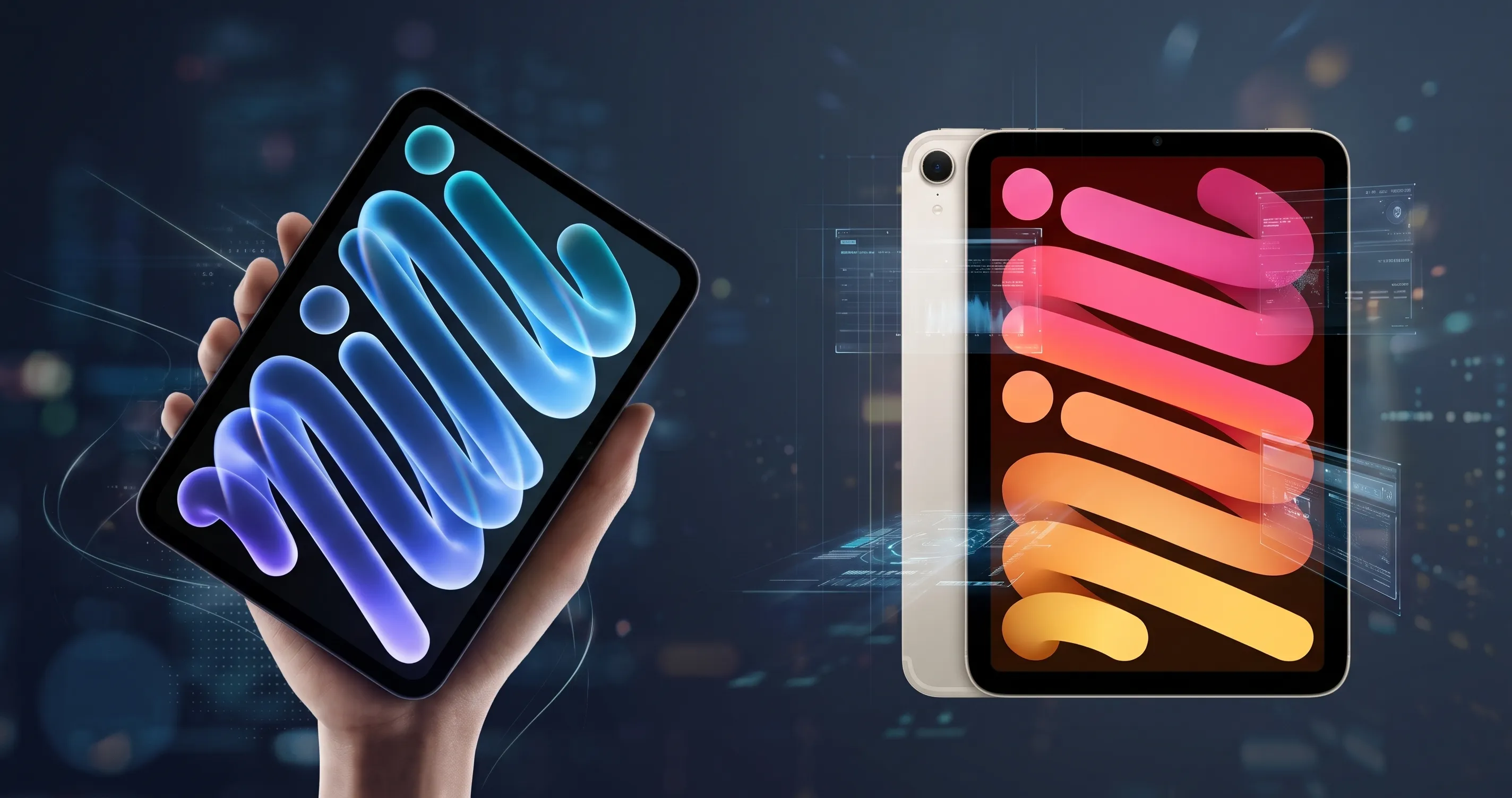
Affinity for iPad launched today as a free download, finally giving Mac-based Affinity users a matching iPad app built around the same unified sketch, vector, photo, and layout toolset (Thurrott; 9to5Mac, today).
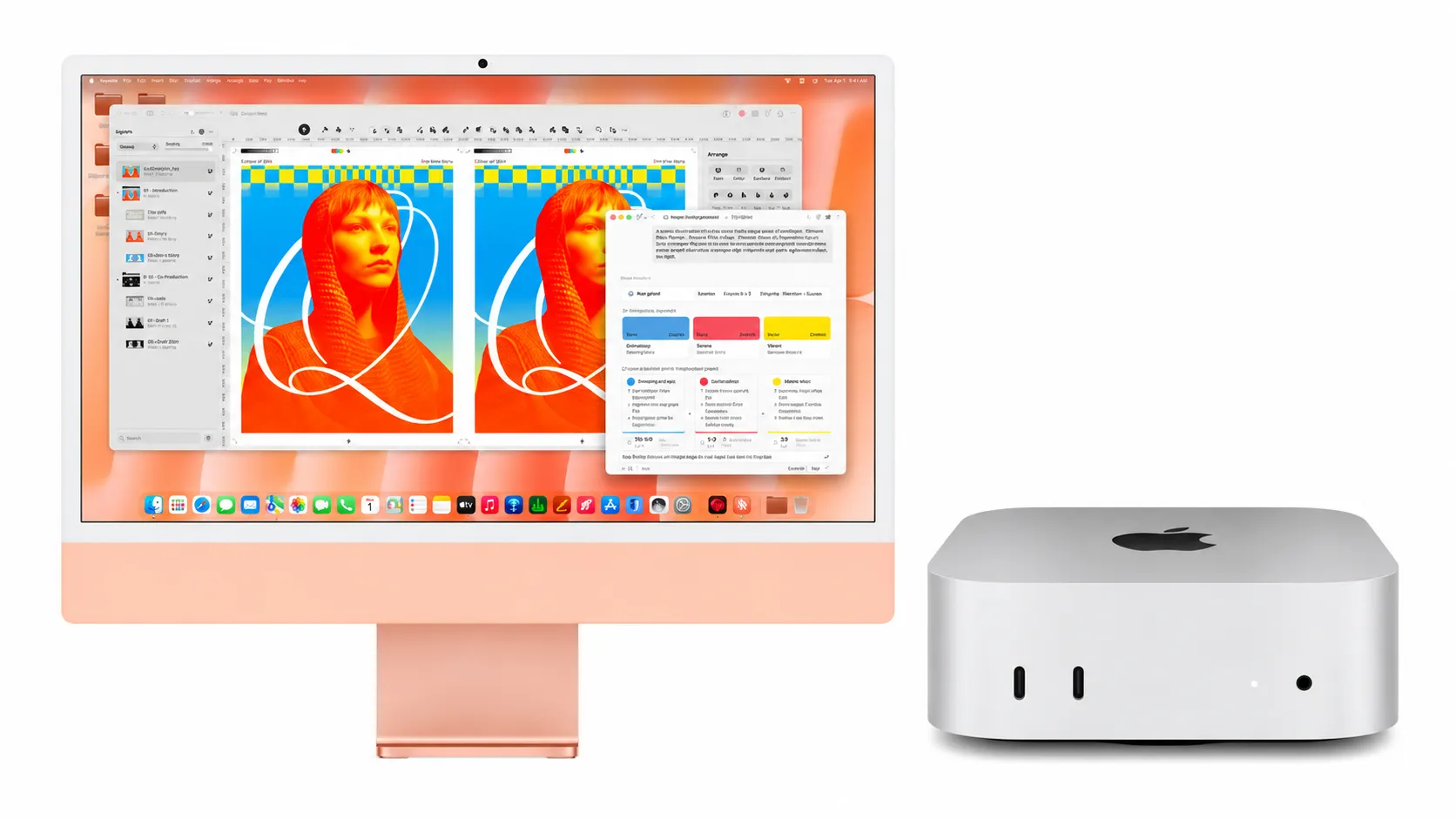
The app replaces the separate Affinity Photo, Designer, and Publisher apps, mirroring the unification Affinity brought to its Mac software a year ago, when those three desktop apps merged into one (9to5Mac, today). It saves projects in that same .af file format, and its core sketch, vector, photo, and layout tools are free for individuals, though opening the app for the first time requires a Canva account (The Verge, today).
Thurrott's hands-on testing found the toolset tracks closely with desktop overall, but flagged several desktop features missing from this first iPad release, including Batch processing, Data Merge, and macro recording (Thurrott, today). The app carries the same Affinity v3 branding used on desktop, though Thurrott's review noted it "isn't quite what I expected" once those gaps surfaced (Thurrott, today).
For anyone already splitting design work between Mac and iPad, that combination matters: a touch-first companion for sketching, vector work, photo editing, and layout that isn't yet a one-to-one desktop replacement. A handful of specific gaps and unverified claims are worth checking before anyone retires a Mac-based workflow.
Who can install the Affinity iPad app, and what logging in requires
Affinity for iPad is live now on the App Store as a free, 1.9GB download listed under "Affinity by Canva" (Apple App Store, today).
It needs iPadOS 18 or later, and Thurrott's testing lists compatibility across iPadOS 18, 26, and 27 (Thurrott, today). The app runs on iPad 7th generation and newer, iPad mini 5th generation and newer, iPad Air 3rd generation and newer, and iPad Pro, though Thurrott's report only specifies "various versions" without naming exact Pro models. Machine Learning–based tools specifically require an M-series chip, so an older iPad without one gets the core app but not those AI-assisted extras (Thurrott, today).
Opening the app for the first time requires signing into or creating a free Canva account before any tool becomes usable. On desktop, Affinity stays usable offline after that initial sign-in, though this hasn't been specifically confirmed for the iPad build yet (TechRadar, 9 months ago).
Before assuming the iPad app matches what a Mac already runs, check iPad model, iPadOS version, and chip generation. Anyone on an older iPad without an M-series chip gets the core toolset but loses access to the AI-powered tools entirely.
What's actually free, and what requires Canva Pro
AI Studio features, including generative expand, motion blur, and resolution upscaling, require Canva Pro, listed on the U.S. App Store at $18 per month or $143.99 per year (Apple App Store, today). Canva and Serif have said they won't force users into a paid subscription just to use Affinity, and that pledge still applies to this iPad release (The Verge, today).
Skipping Canva Pro doesn't lock anyone out of sketching, vector editing, photo work, or layout. It only removes the AI-assisted extras Canva has layered on top, which sit outside Affinity's core toolset rather than inside it.
Affinity desktop feature parity on iPad: what's missing
The app merges four workspaces, Sketch, Vector, Photo, and Layout, into that single .af file, letting a project move from a rough Apple Pencil sketch to a print-ready layout without exporting between apps (9to5Mac, today).
It handles RAW photo editing with non-destructive adjustments, intelligent selections and composites, vector illustration, and multi-page layouts up to 500 pages with master pages and color controls, according to Affinity's App Store listing (Apple App Store, today). Affinity's release notes describe the app as delivering feature parity with its desktop equivalent (Thurrott, today), a claim Thurrott's own testing largely backed up, calling the toolset broadly similar to desktop.
That testing also turned up specific gaps. Books, Batch processing, Data Merge, Quick Adjustments, the Info and Scope panels, macro recording, and the Astrophotography Studio are all missing from the iPad version, according to Thurrott (Thurrott, today). Affinity's release notes say more features are coming to iPad over time, and Thurrott's report didn't include a timeline for when (Thurrott, today).
Keep a Mac on hand for a few specific jobs:
- Recurring template production, since there's no Batch tool on iPad
- Data-driven catalogs or mail-merge layouts, since Data Merge isn't available
- Repetitive edits that rely on macro recording
- Long-form book projects
- Astrophotography stacking
One import claim is worth testing directly before trusting it with client files. Affinity's App Store listing states that PSD, AI, INDD, IDML, PDF, and SVG files import with layers and structure preserved, a company claim rather than independent verification (Apple App Store, today). A TechRadar review of the desktop app, published months before this iPad launch, found that native InDesign .indd files couldn't be opened directly and had to be converted to IDML first (TechRadar, 9 months ago). That's a conflict between a current company claim and an older desktop test, not proof the iPad app fails the same way, but it's reason enough to run a real INDD file through it before relying on it for client work.
Why a Magic Keyboard doesn't turn this into a desktop app
A new Sketch Studio is built specifically for freehand drawing and sketch-to-vector conversion, with tools that clean up rough shapes into precise geometry (The Verge, today). It's paired with support for Apple Pencil Pro capabilities, including natural gestures, pressure sensitivity, tilt, barrel roll, squeeze, and hover for switching tools and triggering shortcuts (The Verge, today).
Attaching a Magic Keyboard doesn't flip the interface into a desktop-style layout. Thurrott's testing found it keeps the same floating toolbars and a touch-oriented circular shortcut menu even with a keyboard connected (Thurrott, today).
Mac users expecting a keyboard-equipped iPad to behave like a laptop should recalibrate that expectation. The interface stays touch-first regardless of what's attached, at least in this first release.
What to do before relying on it
Affinity for iPad is a free launch that puts sketching, vector design, photo editing, and layout into one app using the same .af format as Mac (9to5Mac, today).
It isn't a complete desktop stand-in yet. Batch, Data Merge, macros, Books, and the Astrophotography Studio are all absent, and the launch materials and reporting reviewed here don't explain how projects sync between Mac and iPad, or whether files from the legacy Affinity Photo, Designer, and Publisher apps move into the new app without extra steps.
Before trusting it with client or production work, verify:
- iPad model, iPadOS version, and chip generation against Affinity's listed requirements
- Whether INDD or complex PSD files import cleanly, rather than relying on the App Store description alone
- Whether Canva Pro's AI tools are worth the added subscription for the work at hand
- Whether Batch, Data Merge, or macro-dependent workflows are part of the regular routine, since none of those are available on iPad yet
Desktop Affinity remains the option for batch jobs, macro-based edits, and data-merge layouts until Affinity confirms those tools are headed to iPad.



Comments
Be the first, drop a comment!