




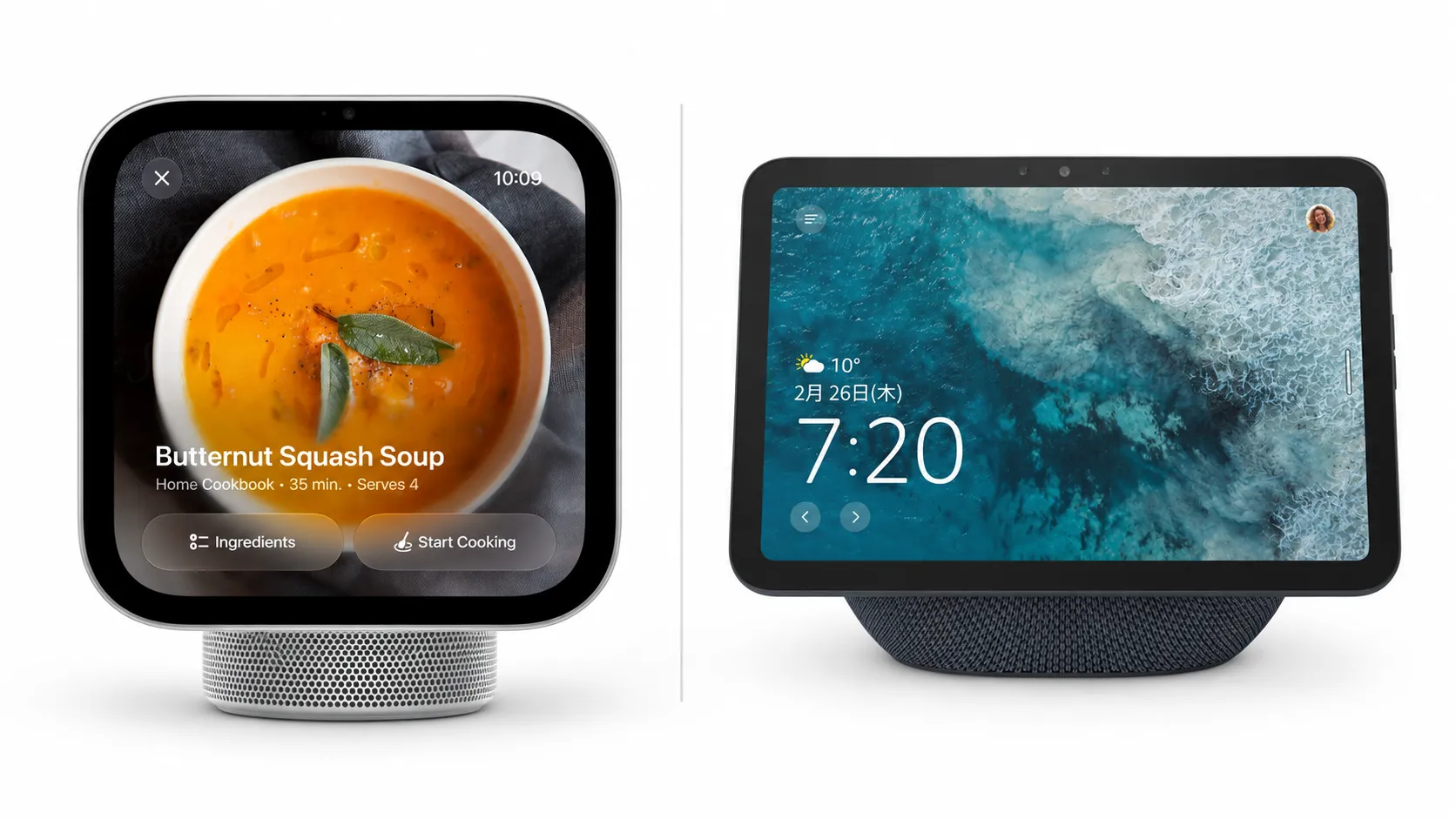
Apple is giving longtime Alexa users a new reason to reconsider their smart-home setup. Its $299 HomeView, arriving November 13, promises a shared display that recognizes household members and brings their personal apps, calendars, and messages onto one screen. Amazon's fourth-generation Echo Show 8 already offers facial recognition, Alexa+, and a larger display for a lower price.
The decision isn't simply about which assistant can answer more questions. HomeView brings Apple's iPhone services into the kitchen, living room, or hallway, while Echo Show 8 builds on an established Alexa ecosystem. Switching could make daily routines easier for some households, but it could also mean paying more to replace features they already have.
HomeView vs. Echo Show 8: What changes for the money?
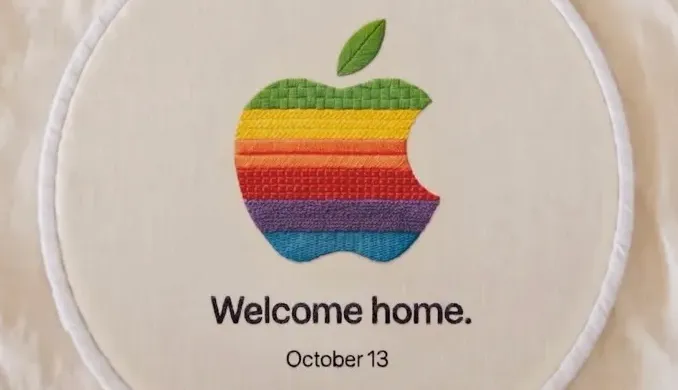
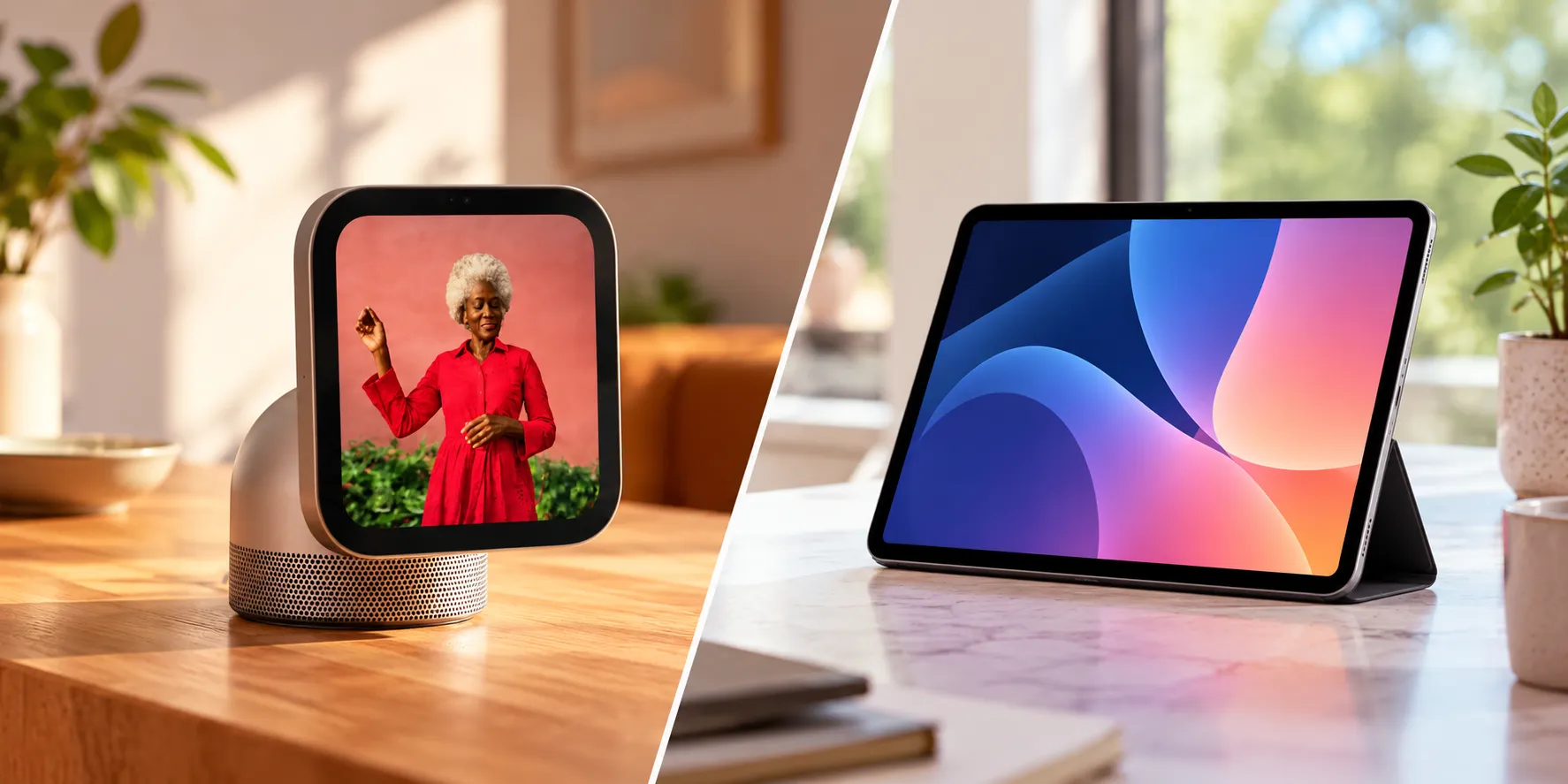
Apple introduced HomeView on October 13, with preorders opening ahead of its November 13 release. The device has a 7-inch square Liquid Retina display, an A18 chip, a 12MP Center Stage camera, and Siri AI powered by Apple Intelligence.
Amazon's fourth-generation Echo Show 8, announced in September 2025, has an 8.7-inch widescreen display, a 13MP camera, and an AZ3 Pro processor designed to support Alexa+. Its built-in smart-home hub supports Zigbee, Matter, and Thread, while HomeView works with Apple Home-compatible and Matter accessories, including devices that use Thread.
At their U.S. launch prices, HomeView costs $119.01 more than Echo Show 8's $179.99. That premium doesn't buy a larger screen. Amazon's display offers more room for widescreen video, while HomeView's square layout favors widgets, household information, and smart-home controls.
Both devices also emphasize audio. HomeView includes two full-range drivers and a down-firing woofer, while Echo Show 8 uses front-facing stereo speakers and a custom woofer. Specifications alone can't establish which sounds better; independent listening tests will be needed after HomeView ships.
Apple's personalization comes with requirements
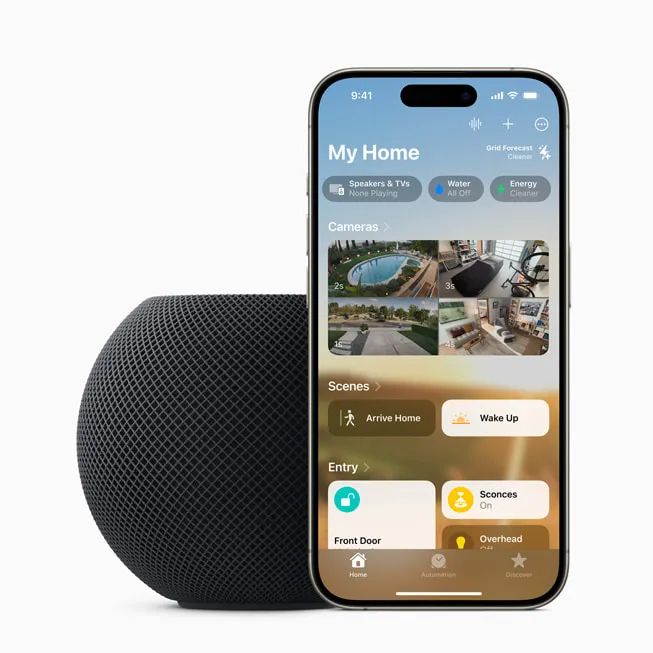
HomeView recognizes up to six household members, displaying individual Home screens and providing access to personal information when the appropriate conditions are met. Shared functions, including timers, music, weather, and compatible smart-home controls, remain available without personal recognition.
Deeper personalization requires more than standing in front of the camera. Users need an Apple Account, a compatible iPhone or iPad, and access to the household's shared Home setup. Siri AI can answer general questions without drawing on someone's personal information, but requests involving content from Messages, Calendar, and other apps require a paired Apple Intelligence-compatible device.
Apple's technical specifications require an iPhone running iOS 27.2 or later, or an iPad running iPadOS 27.2 or later, for setup. Personal-context features have additional device and software requirements, and Siri AI remains in beta at launch.
For an all-iPhone household, the integration could be convenient. Android-only family members can still use shared functions, but they won't receive the same individualized experience.
Amazon isn't without personalization of its own. Echo Show 8 uses Visual ID to recognize enrolled users and display relevant notifications, calendars, and information. Apple's advantage is less about inventing facial recognition than connecting it directly to services people already use on their iPhones.
Recipes, photos, and video calls
HomeView can convert online recipes into step-by-step instructions, help track ingredients, and control cooking timers by voice. It also displays pictures from Apple Photos, including shared albums, without requiring a separate photo library.
FaceTime and Center Stage bring familiar iPhone calling features to the shared screen. Apple's Find My integration also lets users locate compatible devices and accessories or check locations shared by family members.
Amazon's Echo Show 8 feature guide describes several comparable conveniences. Alexa+ can organize family calendars, control connected devices, and find photographs in Amazon Photos using conversational requests. The display's 13MP camera supports auto-framing and three-times zoom during calls.
There are differences in how these functions work. Apple's recipe tools are integrated into HomeView's announced experience, while Amazon has identified additional personalized recipe features among updates planned for its latest Echo displays. Features and rollout timing can vary.
Some Echo owners may also prefer Apple's approach to the home screen, particularly if promotional recommendations have become distracting. But advertising complaints involving older Echo models don't establish how every fourth-generation Echo Show 8 behaves. Nor has Apple guaranteed that HomeView will remain entirely free of promotional content.
Before switching over recipes or photos, try those tasks on your existing display. A different interface isn't necessarily an improvement if the one you have already works.
Privacy depends on more than face recognition
Apple says HomeView uses Secure Exclaves to process sensitive camera and microphone information separately from the rest of its system. Supported Siri requests can also use on-device processing or Private Cloud Compute, which Apple says prevents request data from being stored or accessed by the company.
Personal content has another safeguard: recognizing a face isn't enough to display someone's Messages or Calendar. The paired device must have been unlocked recently and meet Apple's presence requirements.
Normally, that includes being connected to the same Wi-Fi network. Apple also allows access in certain circumstances after a device disconnects, provided it was recently on the network, remains in the same location with an active cellular connection, and meets the other security conditions.
These protections offer a thoughtful approach to sharing personal information, although their reliability in busy households still needs independent testing. Amazon also provides profile recognition and privacy controls, so the presence of personalized safeguards alone doesn't establish that one platform is universally more secure.
HomeView additionally supports sound recognition for smoke and carbon monoxide alarms. With compatible cameras and an eligible iCloud+ subscription, it can identify people, pets, packages, and vehicles. Those features supplement existing monitoring equipment rather than replace dedicated alarms.
Switching from Alexa could mean changing more than the screen
Compatibility is where an apparently straightforward upgrade can become complicated. A light, lock, or camera that works with Alexa won't necessarily offer identical functionality through Apple Home.
Matter can help compatible accessories work across platforms, but it doesn't guarantee that every feature, automation, or camera capability transfers. Households relying on Ring cameras, Alexa routines, or Zigbee accessories should check each product before considering a replacement.
Apple is expanding its options with the Apple Home Collection, developed with LG Electronics and Schneider Electric. The lineup includes smart cameras, thermostats, sensors, and a lock, with availability beginning in December 2026 and selected products following in early 2027.
Installation adds another consideration. The standard tabletop HomeView includes its USB-C cable and power adapter. The separate wall-mounted model requires a compatible mount and power equipment sold separately, with U.S. mounting options starting at $59.95. Advanced camera recognition may also require an iCloud+ subscription.
HomeView launches November 13 in the United States, United Kingdom, Australia, Canada, India, New Zealand, Singapore, and South Africa. Apple hasn't announced European Union sales because Siri AI is currently unavailable there.
Should you leave Alexa for HomeView?
HomeView makes the most sense for households already using iPhones, Apple Photos, FaceTime, and Apple Home accessories. Its ability to recognize individuals and bring familiar services onto a shared screen could reduce the need to reach for a phone throughout the day.
Echo Show 8 remains a strong choice for households comfortable with Alexa. Its larger display, established smart-home compatibility, Alexa+ features, and lower launch price make it difficult to justify replacing solely because Apple has introduced a competing device.
First-time buyers should consider which ecosystem already supports their phones, cameras, entertainment services, and household routines. Keeping those connections intact may matter more than a difference in display size or processor.
Existing Echo Show 8 owners can afford to be more patient. HomeView's personalized features are promising, but independent reviews after its November 13 release will offer a clearer picture of Siri responsiveness, recognition accuracy, and daily reliability.
For an Apple-centered household, HomeView could become the smart display that finally brings its devices together. For everyone else, the better choice may be the one already sitting on the counter, doing its job.


Comments
Be the first, drop a comment!