



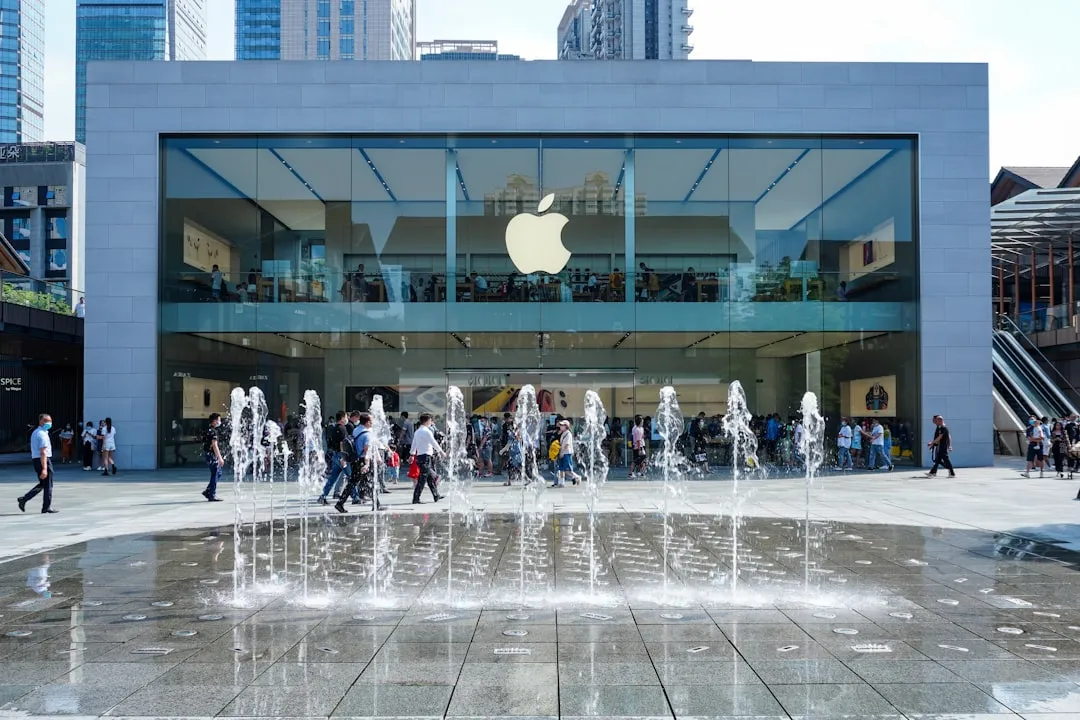
Apple's latest AI technology is heading to China, but not without some serious strings attached. The Chinese version of Apple Intelligence must navigate an intricate testing process designed to ensure complete alignment with government censorship requirements, according to 9to5Mac. This comprehensive evaluation system requires the AI to refuse answering at least 95% of 2,000 carefully crafted questions that touch on sensitive political topics. The complexity of these compliance requirements has even spawned specialized consulting agencies to help tech companies navigate the approval process.
What exactly gets censored in China's AI landscape?
The restrictions extend into areas that reveal the government's broader control strategy, reaching far beyond what most people might expect. Questions related to challenging state authority or promoting discrimination are explicitly forbidden. But the scope becomes truly striking when you examine the comprehensive range of topics under surveillance.
Recent research reveals that China's AI censorship machine targets a surprisingly broad range of topics, including pollution scandals, financial fraud, and labor disputes as high-priority concerns, TechCrunch reports. Even political satire faces explicit targeting in the country's comprehensive content filtering system, as TechCrunch discovered.
What's particularly striking is how dynamic this censorship apparatus has become. The testing requirements mandate regular updates to these question sets, ensuring that censorship parameters evolve with changing political sensitivities, 9to5Mac explains. This creates an ongoing, constantly shifting landscape where acceptable responses can change based on current political priorities.
To put this granular control in perspective, leaked data shows that the Chinese word for Taiwan alone is mentioned over 15,000 times in censorship datasets—giving you some sense of how minutely these systems analyze and categorize content.
How Apple is adapting its technology for Chinese regulations
Given this expansive censorship landscape, Apple faces a massive technical challenge in creating compliant AI systems. The company has forged strategic partnerships with Chinese tech giants to meet these stringent requirements. Apple has officially teamed up with Alibaba to create specialized filtering systems for Apple Intelligence, 9to5Mac confirms.
This collaboration involves building on-device systems that analyze and modify Apple's AI models specifically for Chinese users, according to MacRumors. Baidu serves as a secondary partner, handling features like Visual Intelligence that typically rely on Google and OpenAI in other markets.
Here's what makes this implementation particularly sophisticated: The Chinese government maintains the ability to request changes to AI models through these partnerships, essentially creating a dynamic censorship system. Apple devices will even be able to detect when they're running an outdated AI model and will automatically disable Apple Intelligence until new models are downloaded.
Bottom line: Apple Intelligence in China will function through government-approved intermediary layers that filter content invisibly to users, representing a fundamentally different approach from its global counterpart.
The broader implications for AI surveillance and control
Apple's compliance system represents just one piece of China's broader AI surveillance architecture. The country has emerged as the world's leading exporter of AI-powered surveillance technology, Schneier on Security notes.
But here's what should really get your attention: This technology doesn't remain confined to Chinese borders, with surveillance platforms and techniques spreading to other regions, according to the same report. We're witnessing the global export of not just products, but entire frameworks for digital control.
Recent analysis shows that AI has become the foundation for increasingly predictive and pervasive authoritarian control systems, CNN reports. The Chinese Communist Party has invested hundreds of billions in AI development, creating capabilities that allow monitoring more people with greater efficiency, as CNN explains.
This is a turn from reactive to predictive control. We're not just talking about censoring content after it's posted—we're looking at systems designed to anticipate and prevent dissent before it even materializes.
What this means for Apple's global strategy
The testing requirements, censorship scope, and surveillance implications create a complex strategic paradox for Apple to navigate. The Chinese government seeks access to global information while maintaining strict domestic content controls, creating complex technical challenges, 9to5Mac observes.
Apple considers these AI features critical selling points for new iPhone models, making Chinese market access essential for the company's future growth, according to 9to5Mac. China represents almost a fifth of Apple's sales, so walking away simply isn't an option.
But there's mounting pressure brewing back home. The company faces ongoing scrutiny from Washington regarding its Chinese partnerships, highlighting the complex geopolitical tensions surrounding AI technology deployment, The New York Times reports. Congressional officials have been asking pointed questions about the terms of Apple's deal with Alibaba, what data might be shared, and whether Apple would be signing legal commitments with Chinese regulators.
The AI features that result from these partnerships will only be available on Apple devices sold within China. Devices purchased elsewhere and brought into the country won't have access to the local AI system, creating a kind of digital border that mirrors the political one.
What's fascinating is how this reflects broader tensions in the tech industry. Apple previously abandoned a deal to buy memory chips from a Chinese supplier after U.S. government pressure, and now faces potential tariffs on Chinese-made products. The company is essentially walking a tightrope between two major powers, each with very different expectations about how technology should operate.
Bottom line: Apple's entry into China's AI market represents more than just a business expansion—it's a glimpse into how artificial intelligence will be shaped by competing visions of digital governance. While Apple navigates these regulatory requirements to maintain its position in a crucial market, the broader implications extend far beyond any single company's strategy, potentially influencing how AI development and deployment evolve globally.








Comments
Be the first, drop a comment!