





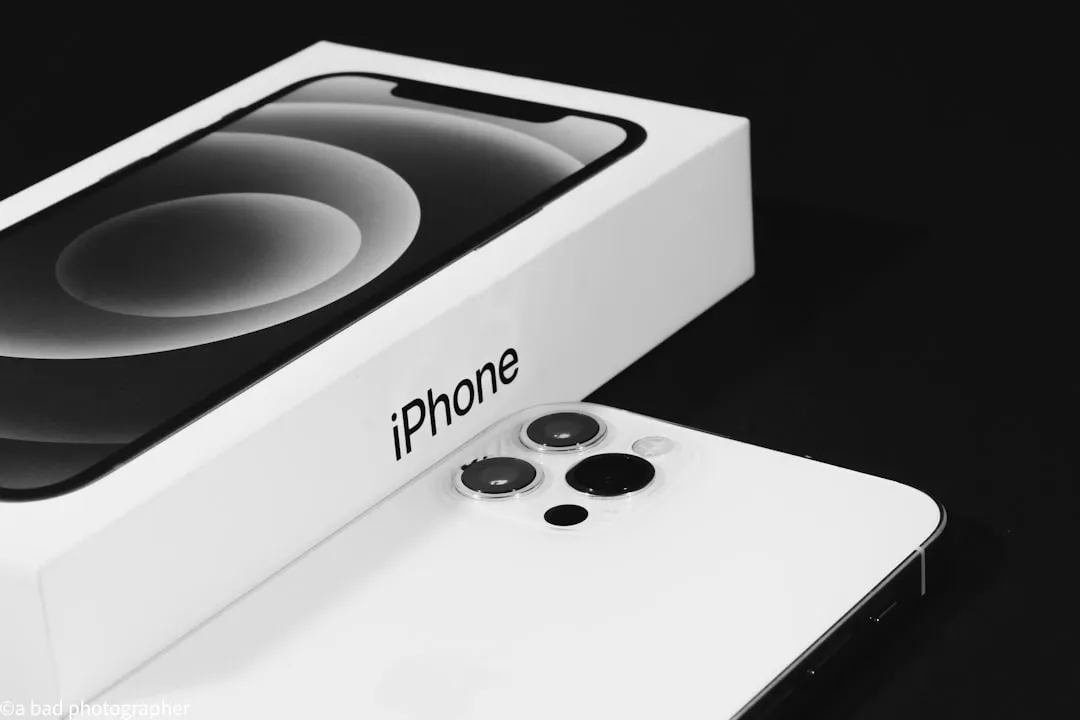
Apple's smartphone success in India tells a fascinating story of strategic transformation and market evolution. While the broader Indian smartphone market remained essentially stagnant, Apple managed to deliver its most impressive performance yet, fundamentally changing its position in one of the world's most competitive mobile markets.
The numbers paint a compelling picture of Apple's breakthrough year. The company moved approximately 14 million iPhone units across India in 2025, according to TechCrunch, representing a significant leap to a record 9% market share. This achievement becomes even more remarkable when you consider that India's overall smartphone shipments held steady at roughly 152 million devices, as reported by Cryptopolitan.
What makes this performance truly striking is how Apple captured this market share while the broader market contracted. Total shipments remained flat for the fourth consecutive year and even declined 8-10% in the final quarter of 2025 compared to the previous year, according to the same source. This means Apple wasn't just riding market growth—they were actively winning customers from established competitors in a challenging environment where every percentage point gained came at another brand's expense.
What's driving Apple's remarkable momentum?
Apple's success stems from a multi-layered approach that goes far beyond simply launching new products. The company's diverse iPhone portfolio has become a key differentiator, offering options across various price points while maintaining the premium appeal that Indian consumers increasingly desire. Consumer perception of the iPhone as a status symbol continues to fuel demand, according to Cryptopolitan, while Apple has simultaneously expanded its distribution networks to reach more customers than ever before.
Here's what's particularly strategic about Apple's approach: they've positioned themselves perfectly within India's premiumization trend. Devices priced above ₹30,000 experienced robust 15% growth in 2025, as noted by TechCrunch, now representing a record 23% of all smartphone shipments in India. This shift toward higher-value devices creates the perfect tailwind for Apple's premium positioning strategy.
The company has also made shrewd moves to balance premium appeal with accessibility. The Apple Creator Studio subscription bundle, priced at ₹399 per month (about $4.35), represents a 66% discount compared to US pricing, according to Cryptopolitan. This kind of localized pricing demonstrates Apple's commitment to adapting their global strategy for Indian market realities while maintaining their brand's premium positioning.
How does Apple stack up against the competition?
Despite Apple's impressive growth, the volume leadership in India still belongs to Chinese and Korean manufacturers. Vivo maintained its position with 23% market share, followed by Samsung at 15% and Xiaomi at 13%, according to TechCrunch. While Apple didn't crack the top three by volume, this metric only tells part of the story—their real strength lies in value capture and quarterly momentum.
The quarterly performance data reveals Apple's true competitive trajectory. During Q3 2025, Apple achieved record quarterly shipments of 5 million units, securing fourth position in the market for the first time with a 10.4% market share, according to Business Standard. This quarterly surge built meaningfully on their annual performance, demonstrating sustained momentum rather than seasonal fluctuation.
Even more impressive was individual product performance: the iPhone 16 became the most-shipped individual smartphone model in India during Q3, contributing 5% of total market shipments. The newly launched iPhone 17 series and iPhone Air made remarkable debuts, accounting for 16% of Apple's Q3 shipments—the strongest launch-quarter performance for any iPhone since 2021, as reported by the same source. This suggests Apple's product strategy is resonating across both new launches and established models.
What challenges lie ahead for the Indian market?
The road ahead presents both headwinds and strategic opportunities for smartphone manufacturers in India. Market analysts predict a 2% contraction in 2026, driven primarily by rising memory prices that could impact demand for budget devices priced below ₹15,000, according to Cryptopolitan. Average smartphone prices are expected to climb 5% in 2026, following a 9% increase in 2025, creating additional pressure across price-sensitive segments.
However, these market dynamics may actually strengthen Apple's competitive positioning. As budget segments face pricing pressure and consumers become more willing to invest in premium smartphones, Apple's ecosystem approach and brand strength could prove increasingly valuable. The company has also been building physical market presence strategically, opening its fifth retail store in Noida in recent months, as noted by TechCrunch, as part of a broader retail expansion that began in 2023.
What's particularly smart about Apple's strategy is how they've balanced global brand consistency with meaningful local adaptation. From manufacturing partnerships to localized service pricing, they're demonstrating the kind of market-specific commitment that builds long-term competitive advantages beyond just product features.
Where does Apple go from here in India?
Apple's record-breaking 2025 performance in India represents more than impressive sales figures—it signals a fundamental shift in how the company approaches emerging markets and India's role within their global strategy. The achievement of record revenue and the highest-ever active iPhone user base, as reported by TechCrunch, positions Apple to build sustained growth even as broader market conditions become more challenging.
CEO Tim Cook's repeated emphasis on India as a standout market during recent earnings calls underscores the strategic importance of this success. With one-fifth of the world's population and a rapidly growing middle class willing to invest in premium technology, India represents the kind of long-term growth opportunity that can meaningfully impact Apple's global trajectory.
As the premium segment continues expanding and Apple refines its approach to pricing, distribution, and localization, the company appears well-positioned to capture an even larger share of India's smartphone value pool. The question isn't whether Apple will continue growing in India—it's how effectively they can scale their premium positioning while the broader market faces consolidation pressures.











Comments
Be the first, drop a comment!