



The Apple ecosystem is buzzing with significant developments that signal major shifts in the company's strategic direction. Recent leadership changes, product roadmap adjustments, and emerging hardware rumors paint a picture of a company navigating complex transitions while pushing toward ambitious new territories. These interconnected developments offer crucial insights into where Apple is heading and what challenges lie ahead for the tech giant.
The timing couldn't be more telling. As we've seen these strategic moves unfold over recent months, what's particularly striking is how these different developments—from executive shuffles to delayed product launches—seem to be connected in ways that tell a bigger story about Apple's evolving priorities and the technical hurdles they're working to overcome.
Leadership moves that signal deeper strategic shifts
Apple's recent organizational changes reflect more than routine corporate reshuffling—they hint at fundamental shifts in how the company approaches its most critical initiatives. Having covered Apple for years, I can tell you that when Tim Cook starts moving key players around, it's usually because something big is brewing behind the scenes.
The timing and scope of these leadership adjustments suggest Apple is repositioning key talent to address emerging challenges in AI integration and product development cycles. You don't randomly reassign your top executives unless you're preparing for a major strategic offensive or solving complex technical problems that require fresh perspectives.
What makes these moves particularly significant is how they coincide with Apple's most ambitious product development challenges in years. The leadership restructuring appears designed to streamline decision-making processes and accelerate development timelines across multiple divisions—essentially preparing the organizational machinery for the kind of cross-functional collaboration that breakthrough products demand.
This approach mirrors the executive realignments that preceded the Apple Watch launch, but the scope suggests even more ambitious goals. The company's historical pattern shows that leadership transitions typically correlate with major product launches and market positioning shifts, making these current moves worth watching closely.
Smart display delays reveal AI roadmap complications
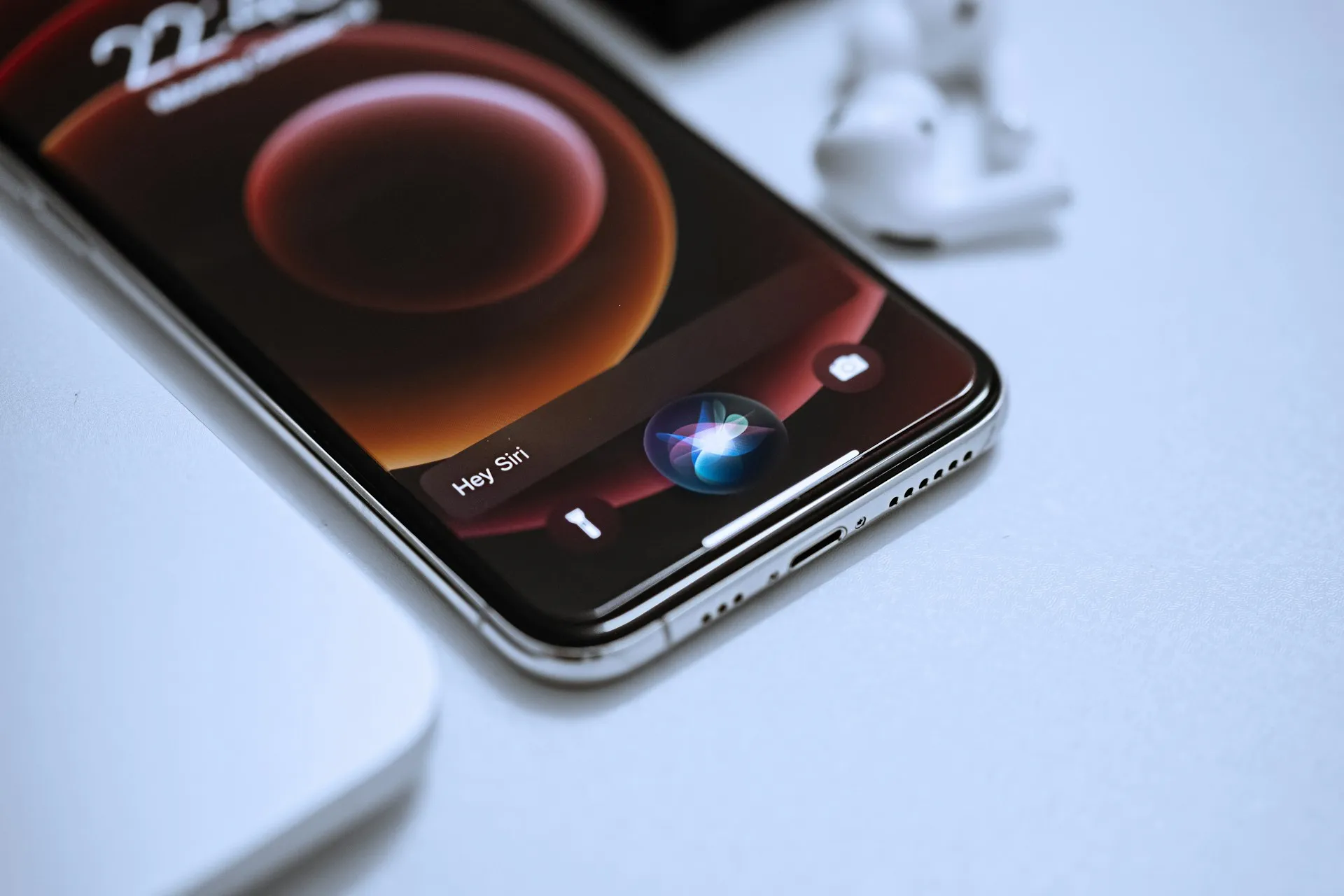
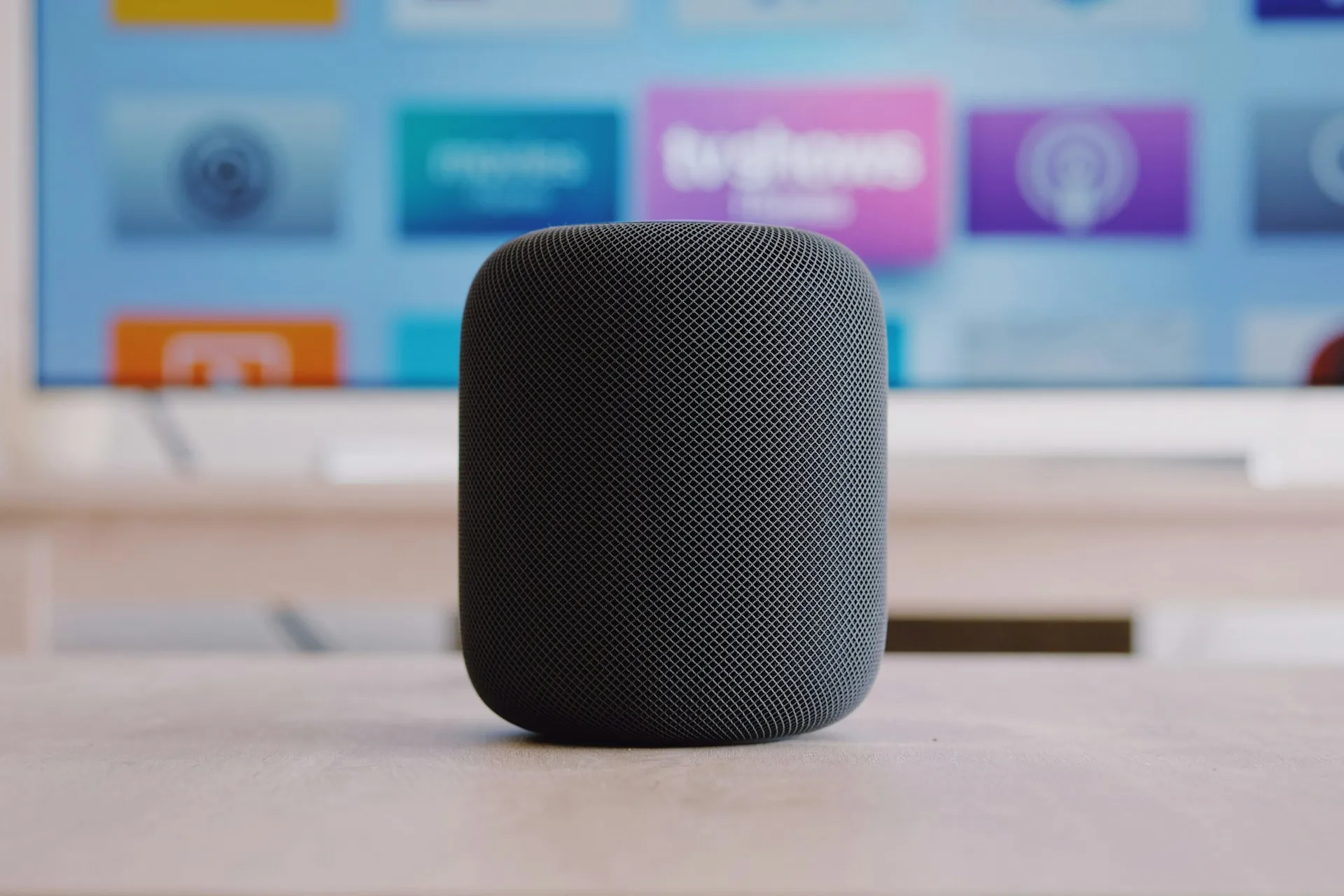
Here's where the technical reality gets interesting. Apple's reported postponement of its Siri-powered smart display project illuminates the complex challenges facing the company's AI ambitions. When Apple pushes back a product, it usually signals they've encountered genuinely sophisticated technical hurdles rather than simple development timeline issues.
The delays center on creating seamless voice interaction experiences that meet Apple's demanding standards for user interface design and functionality. This isn't just about building another smart speaker—it's about creating an AI interface that feels as intuitive as touching an iPhone screen, but entirely through voice commands and visual feedback.
The technical challenges reflect broader industry struggles with AI integration, particularly in creating conversational interfaces that work reliably across diverse user scenarios and household environments. Anyone who's used smart speakers knows the frustration of perfectly clear commands being misunderstood or misinterpreted. Apple's unwillingness to release a subpar AI experience makes sense given their reputation for intuitive, reliable devices.
These development hurdles also highlight the competitive dynamics Apple faces. Amazon and Google have years of real-world user interaction data continuously improving their systems. Apple is essentially attempting to leapfrog that iterative learning process, requiring them to solve complex natural language processing problems without the luxury of gradual market feedback.
iPhone Fold interface design challenges emerge
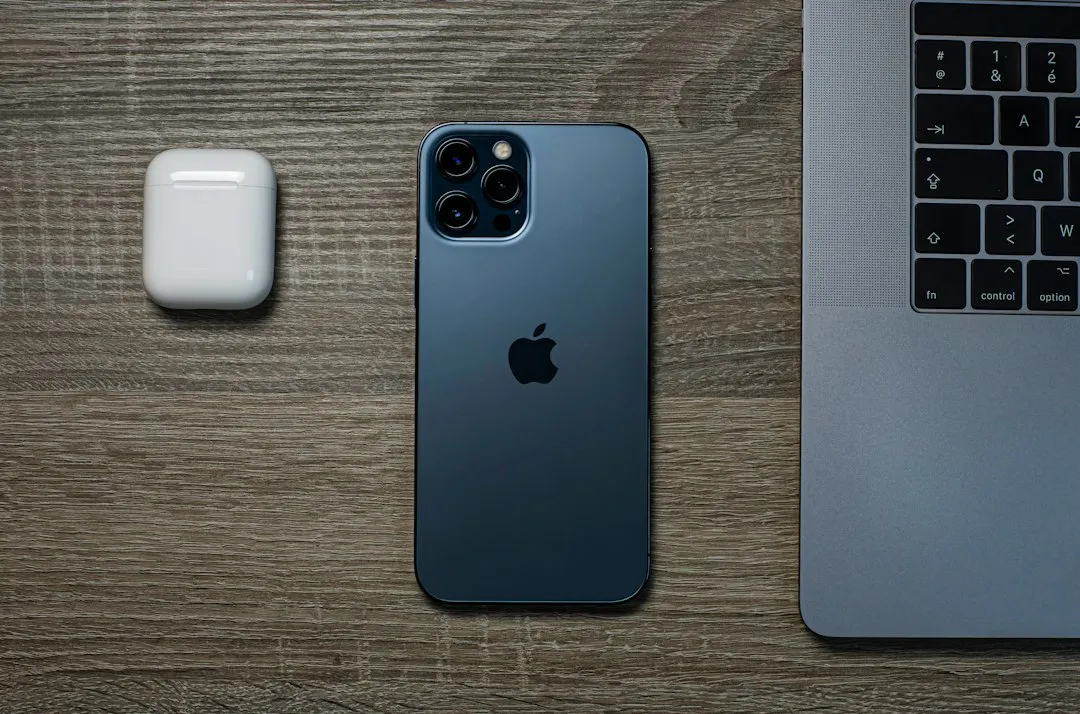
The rumors surrounding Apple's foldable iPhone development reveal some of the most fascinating software design complexities I've encountered in years of covering mobile technology. The reported UI challenges highlight how foldable technology demands fundamental rethinking of iOS interface paradigms and user interaction patterns.
Consider the software engineering challenge: designing interfaces that seamlessly transition between a compact phone screen and an expanded tablet-sized display, while maintaining the intuitive experience users expect from iOS devices. It's not simply about scaling existing interfaces—it requires reimagining how users interact with apps, notifications, multitasking, and basic navigation when the device form factor can literally transform in their hands.
Apple's approach appears focused on creating transitions that feel natural rather than jarring. Imagine using your iPhone normally, then unfolding it to reveal expanded workspace—but every app, every interaction, every visual element needs to adapt intelligently without breaking the user's mental model of how iOS works.
This represents a dramatic departure from traditional smartphone interface design principles, where developers work within fixed screen dimensions and established interaction patterns. The technical sophistication required suggests Apple is prioritizing software elegance over rushing to market with foldable hardware, aligning with their historical pattern of entering new categories only when they can deliver genuinely superior user experiences.
What these convergent trends mean for Apple's future
What I find most compelling about these developments is their interconnected nature. The simultaneous leadership restructuring, smart display delays, and foldable design challenges reveal Apple navigating a complex transition period while maintaining their commitment to premium user experiences that seamlessly integrate hardware, software, and AI capabilities.
Rather than reactive scrambling to match competitors, these moves suggest calculated strategic positioning for the next phase of technological evolution. Modern breakthrough products can't simply bolt AI features onto existing designs or add foldable screens to traditional smartphone interfaces. Everything must work together harmoniously—which requires the kind of organizational alignment and technical sophistication these current challenges represent.
Apple's measured approach demonstrates their willingness to invest time and resources in solving foundational problems before public launches. This strategic patience has historically paid dividends—the original iPhone revolutionized smartphones despite arriving after other touchscreen devices, and AirPods redefined wireless audio years after competitors entered the market.
The leadership moves, development delays, and design challenges we're seeing now feel like Apple building the foundation for another breakthrough moment where they don't just enter new product categories, but fundamentally change how we think about and interact with technology. For Apple enthusiasts and industry observers, these developments signal an exciting period of innovation ahead, even if it means longer wait times for some anticipated products.
What emerges is a picture of a company methodically addressing the most complex challenges in consumer technology today—seamless AI integration, revolutionary form factors, and organizational excellence—positioning themselves for what could be their next major technological leap forward.





Comments
Be the first, drop a comment!