




Apple's latest Liquid Glass interface redesign has sparked heated debates across the tech community, but if there's one thing we know about Cupertino, it's that they rarely make major design shifts without a long-term vision in mind. While users are split on the new aesthetic direction, the real story here isn't about immediate user satisfaction—it's about where Apple is positioning its entire ecosystem for the future.
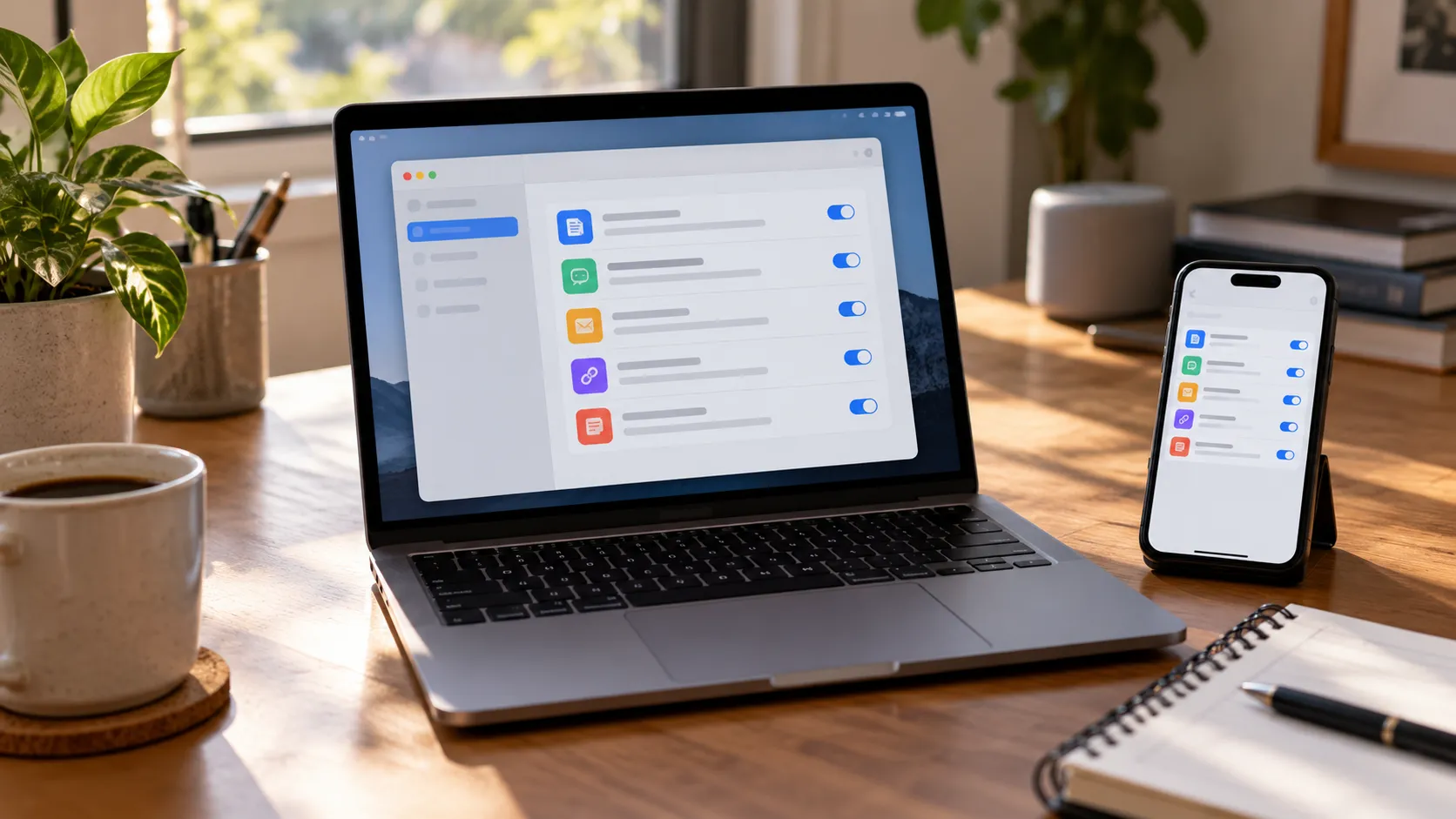
This redesign could be more than just a visual refresh. The timing isn't coincidental either—with whispers of touchscreen Macs on the horizon and iOS evolution accelerating, Liquid Glass appears to be Apple's answer to creating a truly unified interface language that works seamlessly across all screen types and interaction methods.
What makes Liquid Glass so polarizing?
In this hypothetical scenario, the divisive nature of Liquid Glass would stem from its departure from Apple's traditionally clean, minimalist design philosophy. Where previous iterations focused on clarity and immediate usability, this speculative approach would prioritize visual depth and what Apple might call "spatial awareness." It's like they've decided to trade the crisp simplicity we've come to love for something that feels almost... organic?
Such an interface might introduce translucent layers, dynamic lighting effects, and gesture-based interactions that some users would find intuitive, while others consider them unnecessarily complex. Here's what's really interesting about how users typically respond to major Apple interface changes: the learning curve often proves steeper than Apple usually introduces, particularly for longtime users who've grown accustomed to straightforward navigation patterns.
You know how Apple usually prides itself on interfaces being so intuitive that your grandmother could use them? A radical redesign like this hypothetical Liquid Glass would challenge that philosophy head-on. Historical patterns suggest that early feedback typically shows younger users adapting quickly to new paradigms while established users struggle with more nuanced interaction requirements.
This creates an interesting generational divide where teenagers swipe through new interfaces like they were born to it, while longtime Apple devotees find themselves temporarily lost in their own devices. Perhaps most telling would be how such a redesign might break several of Apple's own established design guidelines—principles that have been sacred at Apple for years.
This wouldn't suggest just an incremental update but a fundamental shift in their interface philosophy. The question isn't whether users would like it immediately—it's whether Apple would be preparing us for interaction methods we haven't fully embraced yet.
The bigger picture: cross-device consistency
Apple's true motivation becomes clearer when you consider the broader ecosystem implications. Think about it this way: every major Apple interface change in the past has eventually made sense once you see the bigger picture unfold. A comprehensive redesign like this would need to introduce interface elements that translate remarkably well across different screen sizes and input methods, from iPhone touches to potential Mac touchscreens to future AR interfaces.
The design language would need to emphasize spatial relationships and depth cues that work equally well whether you're tapping, clicking, or potentially gesturing in three-dimensional space. This wouldn't be about making today's devices better—it would be about creating a foundation that remains consistent as Apple introduces new ways to interact with our digital tools.
Here's where it gets really fascinating: the timing would need to align perfectly with Apple's hardware evolution. If touchscreen Macs eventually arrive (and the industry has been speculating about this possibility for years), a unified interface framework would be essential to make desktop touch interactions feel natural rather than awkward. The same principles that govern the iPhone experience would need to seamlessly extend to larger displays without losing coherence.
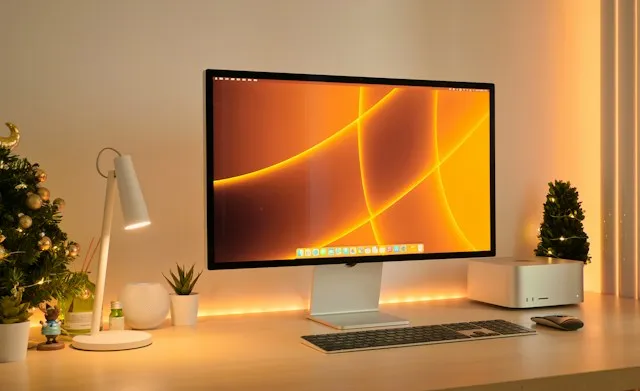
You can almost imagine the design meetings at Apple where someone might say, "Look, we need an interface that works just as well on a 6.7-inch phone screen as it does on a 27-inch iMac that users might be touching directly." That's no small design challenge, but a comprehensive redesign would need to be built specifically to solve it.
Looking ahead: iOS 27 and beyond
While user frustration with major changes is always understandable (trust me, I get it—change is hard, especially when it feels unnecessary), Apple's track record suggests they consistently play a longer game. The company has historically introduced controversial design changes that initially face resistance but ultimately prove prescient as technology evolves.
Remember the original iPhone's lack of a physical keyboard? Or the removal of the headphone jack? Both decisions seemed questionable at the time, but now feel inevitable in retrospect.
A major interface overhaul would likely represent groundwork for future iOS iterations, where the interface would need to accommodate not just traditional touch inputs but potentially stylus interactions, hover gestures, and even spatial computing elements. Current implementations might feel premature, but they would establish the visual and interaction vocabulary for future capabilities.
What's particularly clever about this approach is the developer implications. By introducing new interface patterns early, Apple gives third-party developers time to adapt their applications before new hardware capabilities make such adaptations essential rather than optional. It's a classic Apple move—control the transition timeline rather than react to market pressures.
They're essentially saying, "Here's where we think we're going, and here's your head start to get ready." Apple has never been a company that designs for today's comfort zone. They design for where they think computing is heading, sometimes years in advance.
Where does this leave us?
Major interface controversies would illustrate a familiar pattern in Apple's evolution: short-term user friction in service of long-term ecosystem coherence. It's like watching someone rearrange their entire living room—everything looks wrong and feels uncomfortable until you realize they're making space for something bigger that's coming.
While current implementations might feel unnecessarily complex, they would be building the foundation for tomorrow's interaction paradigms. Imagine interfaces that respond not just to touch but to proximity, pressure, and even eye movement. An emphasis on spatial awareness and layered interactions starts to make more sense when you think about it in that context.
The real test wouldn't be whether users immediately embrace radical changes, but whether new approaches successfully bridge the gap between today's touch-first interfaces and tomorrow's multi-modal computing experiences. Apple would be betting that users will adapt to new patterns just as they've adapted to previous major interface shifts throughout the company's history. And honestly? Their track record on these kinds of bets has been pretty solid.
Here's what really stands out about Apple's approach: they could play it safe, make incremental improvements to interfaces that users already love, and coast on their design reputation for years. Instead, they consistently choose to fundamentally reimagine how we interact with our devices, knowing full well it creates controversy and frustration in the short term.
Bottom line: any divisiveness around major interface changes often misses the larger strategic picture. Apple doesn't design for today's preferences—they design for tomorrow's possibilities. Whether those gambles pay off determines not just the success of individual redesigns, but potentially the trajectory of Apple's entire ecosystem for years to come.
The question isn't whether we're ready for the next evolution in interface design—it's whether Apple's vision of that future proves as prescient as their past predictions about how we'd want to interact with our digital tools.




Comments
Be the first, drop a comment!