



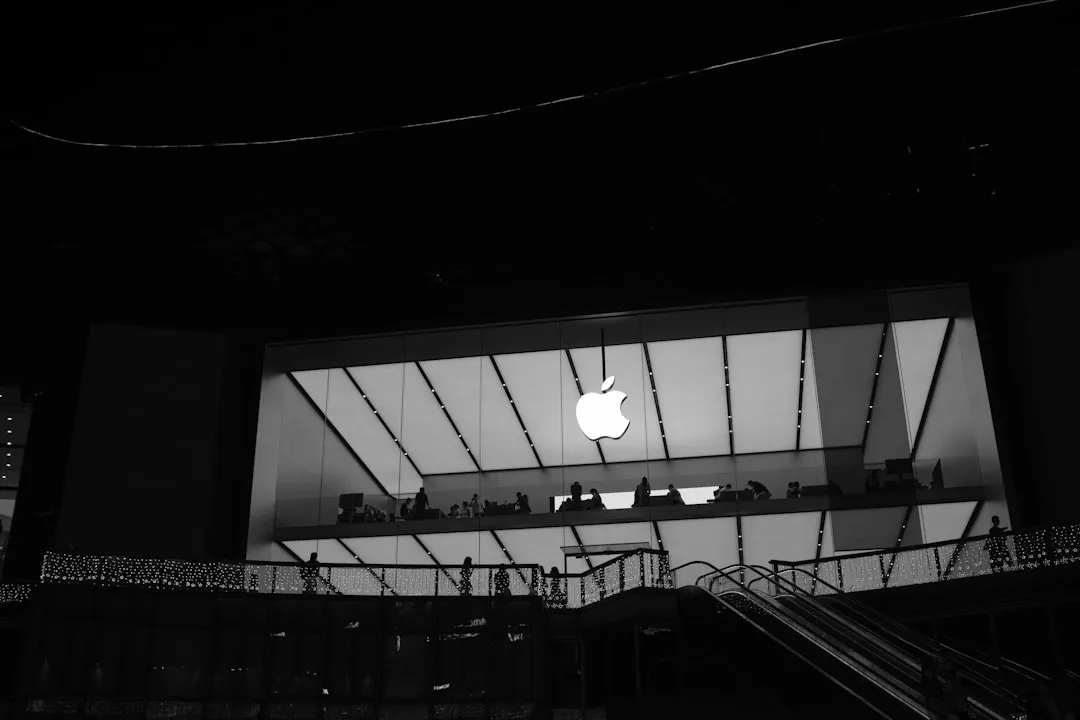
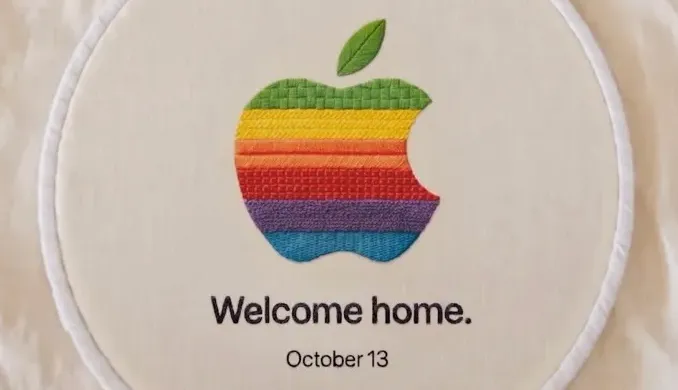
Apple's playing a different game this time around. The tech giant has distributed invites for a March 4 event that breaks from tradition in some interesting ways—simultaneous press briefings across New York, London, and Shanghai instead of the usual Apple Park spectacle. The invite itself is minimal: no tagline, no livestream mentioned, just a 9 a.m. ET start time and a logo splashed in yellow, green, and blue.
This "experience" format, as Apple is calling it, is a strategic choice that reveals as much as what's being announced. Instead of streaming to a global audience simultaneously, Apple is prioritizing hands-on access in three major markets—North America, Europe, and Asia. That approach makes sense when you're not selling revolutionary features but rather enabling direct experience with tangible improvements across multiple product lines. The colorful logo isn't just decoration either—those specific hues foreshadow the playful aesthetic we'll see in the budget MacBook, signaling Apple's intent to capture younger buyers and education markets.
The scope of what's rumored—four MacBook variants, two iPads, an iPhone, and possibly a display and smart home hub—makes this one of Apple's most hardware-dense refresh cycles in years. But "refresh" is the operative word here. This isn't about reimagining product categories; it's about systematically upgrading silicon across the lineup while introducing more accessible price points to expand market reach.
The budget MacBook that could reshape Apple's laptop lineup
Here's where things get interesting. Bloomberg's Mark Gurman spotted clues in the invite pointing toward an affordable MacBook, and the rumor mill has been churning on this one for months. The device, internally codenamed J700, could launch at or below $799 for the base configuration—a price point that undercuts the current MacBook Air by $200 and puts Apple squarely in Chromebook territory for the first time.
The silicon choice tells you everything about Apple's strategy. Instead of Apple's M-series chips, this laptop would run the A18 Pro chip from the iPhone 16 Pro, paired with 8GB of RAM and 256GB of storage as standard, with a possible 16GB variant also in development. Why A18 Pro instead of the newer A19 or even a base M-series chip? Cost and positioning. The A18 Pro is now a generation old in Apple's mobile lineup, meaning production costs have stabilized and yields are high. It's fast enough to handle Apple Intelligence features—the real selling point—while keeping manufacturing expenses low enough to hit that aggressive price target.
In my testing of M1-based systems against high-end Chromebooks, the performance gap for typical student workloads—Google Docs, Zoom calls, content streaming, light photo editing—isn't as dramatic as you'd think. The A18 Pro lands between those reference points: significantly faster than ARM-based Chromebooks, within striking distance of the base M1 for everyday tasks, but not in the same league for sustained professional workloads like video rendering or software compilation. For a student writing papers, attending virtual classes, and managing a social media presence, that performance envelope is more than sufficient.
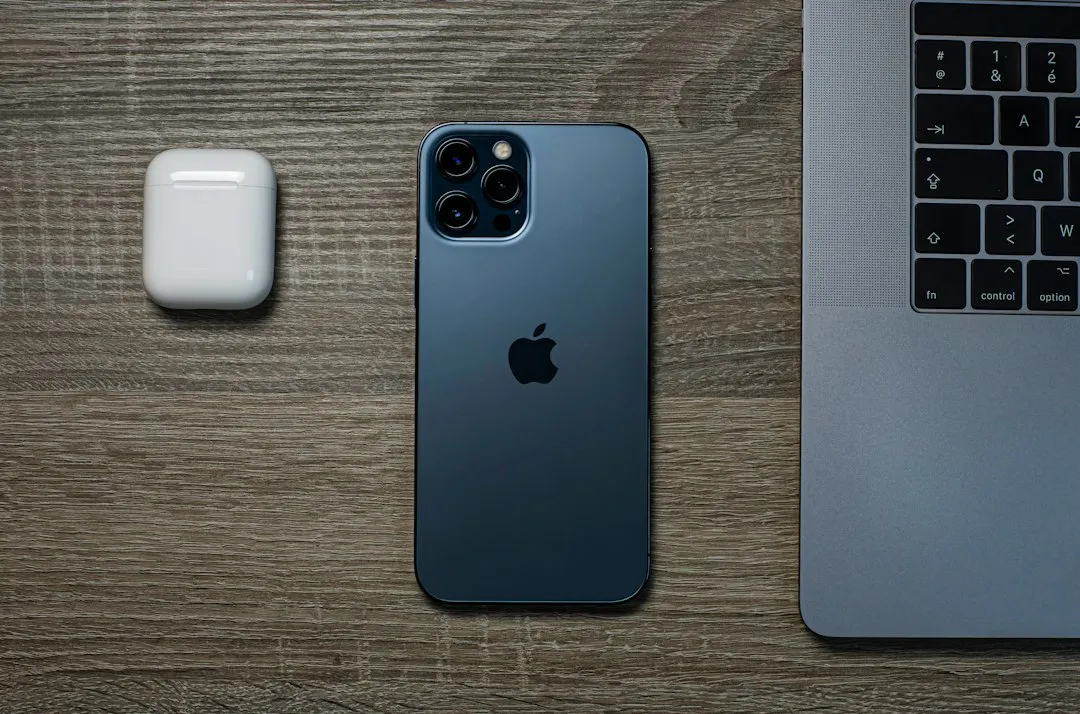
The design choices reveal Apple's target audience with equal clarity. A 13-inch display—slightly smaller than the 13-inch MacBook Air—keeps manufacturing costs down (smaller panels, smaller batteries, smaller logic boards) while maintaining the portability that matters most to students constantly moving between classes, libraries, and dorm rooms. But it's the color palette that really signals intent: light yellow, light green, blue, pink, and silver options designed to appeal to younger buyers who remember the playful aesthetics of earlier iMac generations.
Connectivity would rely solely on USB-C ports—probably two, maybe three—keeping the I/O simple and cost-effective while remaining compatible with modern peripherals and charging standards. This also positions the budget MacBook as a training ground for Apple's ecosystem: students who start with this affordable laptop are more likely to upgrade to higher-tier Macs as their needs grow, having already invested in USB-C accessories and workflows.
The real competition here isn't other MacBooks—it's Windows laptops in the $600-800 range from Dell, HP, and Lenovo, along with premium Chromebooks from Google and Samsung. Apple's advantage comes down to ecosystem lock-in and build quality. A $799 MacBook that seamlessly integrates with an iPhone, offers genuine all-day battery life, and maintains Apple's hardware reliability could capture education market share that's been dominated by Google for the past decade. Schools and universities offering device purchase programs might find a $799 MacBook competitive with institutional Chromebook pricing while offering the creative software capabilities (GarageBand, iMovie, Photos) that differentiate macOS.
M5 Pro and Max: the performance updates pros are waiting for
The MacBook Pro line is getting its expected refresh, and the timing actually makes strategic sense. Mark Gurman's sources indicate M5 Pro and M5 Max MacBook Pros are ready for the March 4 launch, following the pattern established when the M4 variants arrived last year. These chips should deliver meaningful upgrades in CPU, GPU, and memory bandwidth performance—and by "meaningful," I'm talking about the kind of improvements that actually matter in professional workflows.
Let's get specific. The M4 Max currently offers up to 40 GPU cores, 546 GB/s memory bandwidth, and supports up to 128GB of unified memory. Based on Apple's historical generation-over-generation improvements, the M5 Pro should deliver roughly 20-25% better GPU performance and 15-20% CPU gains over the M4 Pro—closing the gap with the M4 Max's performance ceiling. The M5 Max would set an even higher benchmark, likely reaching 45-48 GPU cores and pushing memory bandwidth past 600 GB/s.
Where do those numbers actually matter? Think about rendering 8K footage with color grading applied across multiple layers—memory bandwidth becomes the bottleneck. Or training machine learning models locally instead of relying on cloud GPUs—that's where additional GPU cores translate directly to faster iteration cycles. Software developers compiling large codebases see real productivity gains from CPU improvements, as do 3D artists working with complex scenes in Blender or Cinema 4D. These aren't hypothetical use cases; they're the daily reality for the creative professionals and developers who justify MacBook Pro pricing.
This isn't the flashy redesign some are hoping for—it's a necessary spec bump that stabilizes the lineup and gets cutting-edge silicon into the hands of professionals who need it now. But here's the strategic angle that matters: launching the M5 Pro in early March clears the deck for a potential M6 MacBook Pro with OLED displays later in the year, allowing Apple to capture the holiday market with a flashy new design without making March buyers feel burned.
That's smart product management. Professionals who need performance now get the M5 upgrade at the same price point as the M4 models they're replacing. Then in October or November, Apple can introduce a genuinely redesigned MacBook Pro with OLED screens, potentially thinner bezels, maybe even a new form factor—premium features that justify a price increase but don't obsolete the M5 models just eight months old. The M5 becomes the stable professional workhorse while the M6 OLED captures the premium market and media attention.
Pro tip: If you're considering an M4 MacBook Pro purchase right now, hold off until March 4. The M5 upgrade will land at the same price, and unless you're currently hitting thermal or memory bandwidth limits in your workflow, the M4 will remain plenty capable for years. But if you can wait until late 2026, that rumored M6 OLED redesign might be worth the patience.
The MacBook Air is also due for its annual refresh. Last year's M4 MacBook Air launched in March, making this timing predictable. The M5 version will be straightforward: same design, same $999 starting price for 16GB RAM and 256GB storage, just faster internals. This is Apple maintaining its most popular laptop without disrupting what already works—the Air's thermal envelope, battery life, and portability sweet spot don't benefit from major redesigns. The M5 chip keeps it competitive with Windows ultrabooks while preserving the formula that made it successful.
iPhone 17e: Apple Intelligence comes to the budget tier
The iPhone 17e represents Apple's continued push to bring its AI features to more affordable price points, but the launch timing has been surprisingly unclear. While one German outlet reported a February 19 launch date, that timing seemed off—and with the March 4 event now confirmed, this is the more likely venue. The device follows the iPhone 16e's late February launch pattern from last year, though Apple has increasingly released products through press releases rather than formal events.
Spec-wise, expect iterative but meaningful improvements. The phone should maintain the iPhone 16e's overall design but pack the A19 chip from the iPhone 17—the same processor that delivers excellent performance in the standard iPhone 17. That chip enables full Apple Intelligence support, which is really the headline feature here. Writing Tools, intelligent photo search, and improved Siri functionality become accessible at the budget tier, making AI features a standard iPhone experience rather than a premium differentiator.
Where things get genuinely interesting is connectivity. The iPhone 17e includes Apple's C1X modem for 5G and LTE, which Apple claims is twice as fast as the C1, plus the N1 chip for Wi-Fi 7 and Bluetooth 6. In real-world terms, that C1X modem means better signal penetration in buildings with poor coverage, faster switching between 5G and LTE networks to preserve battery life, and improved performance in congested areas like stadiums or airports. Wi-Fi 7 support enables faster home network speeds when paired with a compatible router, while Bluetooth 6 improves wireless audio quality and reduces latency for AirPods or other accessories.
These aren't spec-sheet bragging rights—they're practical improvements for the budget-conscious buyers this phone targets. Students relying on campus Wi-Fi, commuters streaming content on cellular networks, and users in rural areas with spotty coverage will notice tangible differences compared to the iPhone 16e.
The real question is pricing. PCMag's review found the iPhone 16e "gracefully fulfills its role as the most affordable member of Apple's iPhone family" at its $599 starting price for 128GB—that's $100 less than the base iPhone 16 and $200 less than the iPhone 17. Whether Apple can maintain that $599 price point given current memory market conditions remains the biggest uncertainty. NAND flash and DRAM prices have been volatile, and adding the more capable A19 chip plus advanced connectivity components increases bill-of-materials costs.
If Apple holds at $599, the iPhone 17e becomes exceptionally competitive against mid-range Android phones from Samsung, Google, and OnePlus. A $50-100 price increase would still maintain positioning but narrow the value gap. Either way, the strategic goal is clear: expand Apple's addressable market by offering a genuinely capable iPhone that doesn't feel like a compromised experience, while ensuring those buyers remain within the Apple ecosystem for future upgrades, services subscriptions, and accessory purchases.
iPads get Apple Intelligence: what the chip upgrades really mean
The iPad lineup is due for some attention, and this event should deliver two key updates that matter more than their surface simplicity suggests. The 12th-generation iPad will likely receive either the A18 or A19 chip, both of which support Apple Intelligence—a crucial upgrade since the current 11th-gen iPad runs an A16. This matters because it fundamentally changes what Apple's entry-level tablet can do.
Bringing Apple Intelligence to the entry-level iPad democratizes access to Apple's AI features across the entire tablet range. For a student using an iPad for note-taking, that means Writing Tools can help refine essays and proofread assignments. For a family using an iPad as a shared device, intelligent photo organization makes finding specific images dramatically easier. For casual users, improved Siri functionality makes voice commands actually useful rather than frustrating. These capabilities transform the base iPad from a content-consumption device to a more capable productivity tool.
Expect the $349 starting price to remain unchanged, though the base configuration should include 8GB of RAM to support those AI features. That RAM increase is technically required for Apple Intelligence but also improves multitasking performance and allows more browser tabs or apps to remain active in memory. It's a meaningful upgrade disguised as an incremental spec bump.
The iPad Air refresh is more straightforward but strategically significant. The 8th-generation models should receive the M4 chip, upgrading from the M3 silicon in current 11-inch and 13-inch variants. Everything else—the Liquid Retina LCD displays, storage tiers, and overall design—will likely carry over. Pricing should hold at $599 for the base model.
Here's why this matters beyond just keeping up with the chip cycle: the M4 iPad Air now shares the same processor as the base M4 MacBook Air (before its M5 upgrade). That performance parity means the iPad Air handles the same creative workloads—4K video editing in LumaFusion, complex illustration work in Procreate, music production in GarageBand—with equivalent responsiveness. For users deciding between an iPad Air and a MacBook Air, the choice becomes about form factor and software ecosystem rather than performance capabilities.
This also pressures iPad Pro positioning. If the Air gains M4 performance at $599, what justifies the Pro's premium? Currently it's the mini-LED display, ProMotion, Face ID, and additional ports. But if Apple wants to maintain clear differentiation, the iPad Pro will need more substantial upgrades soon—maybe that's where OLED displays debut in the tablet lineup.
Beyond the obvious: Studio Display 2 and the smart home wildcard
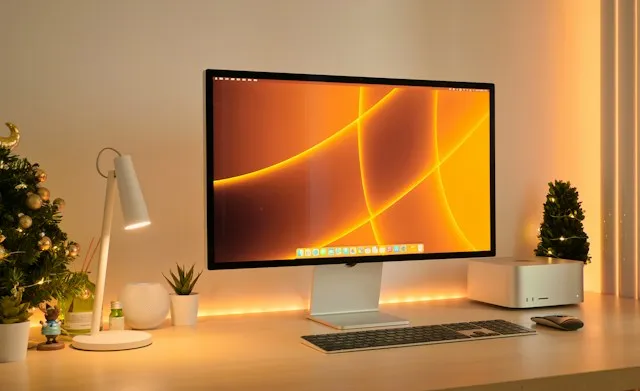
The Studio Display hasn't been updated since its 2022 launch, and Bloomberg's Mark Gurman reports a second-generation model is in development. Don't expect a radical redesign, but the technical improvements could be substantial enough to position this as a genuinely competitive professional monitor rather than just a pretty face that works well with Macs.
The current 60Hz refresh rate might jump to 90Hz or more likely 120Hz—a significant upgrade for a display that doesn't get refreshed often. In professional workflows, 120Hz matters less for gaming (not the target audience) and more for fluid scrolling through timelines, smooth panning across high-resolution images, and reduced eye strain during extended editing sessions. Inside, the aging A13 Bionic chip would be replaced with the far more capable A19, enabling better computational features like improved Center Stage camera tracking and potentially spatial audio processing.
The display technology itself could see mini-LED backlighting similar to current MacBook Pro models, dramatically improving brightness and contrast while adding proper HDR content support. Here's where the competitive context matters: LG's UltraFine displays offer 600 nits sustained brightness and decent color accuracy at $1,300-1,500. Dell's UltraSharp professional monitors provide excellent calibration and ergonomics at similar price points. BenQ's photographer-oriented displays deliver specialized color modes and hardware calibration.
If the Studio Display 2 gains mini-LED with true HDR support (1,000+ nits peak brightness, local dimming zones), 120Hz refresh, and maintains Apple's color accuracy, it becomes competitive with those alternatives on technical merit while offering seamless macOS integration that third-party displays can't match. The question is pricing—does Apple hold at $1,599 for the standard version, or does mini-LED push that to $1,799-1,999? That pricing decision determines whether this appeals to professional photographers and video editors or remains primarily an aesthetic choice for Mac users willing to pay for ecosystem consistency.
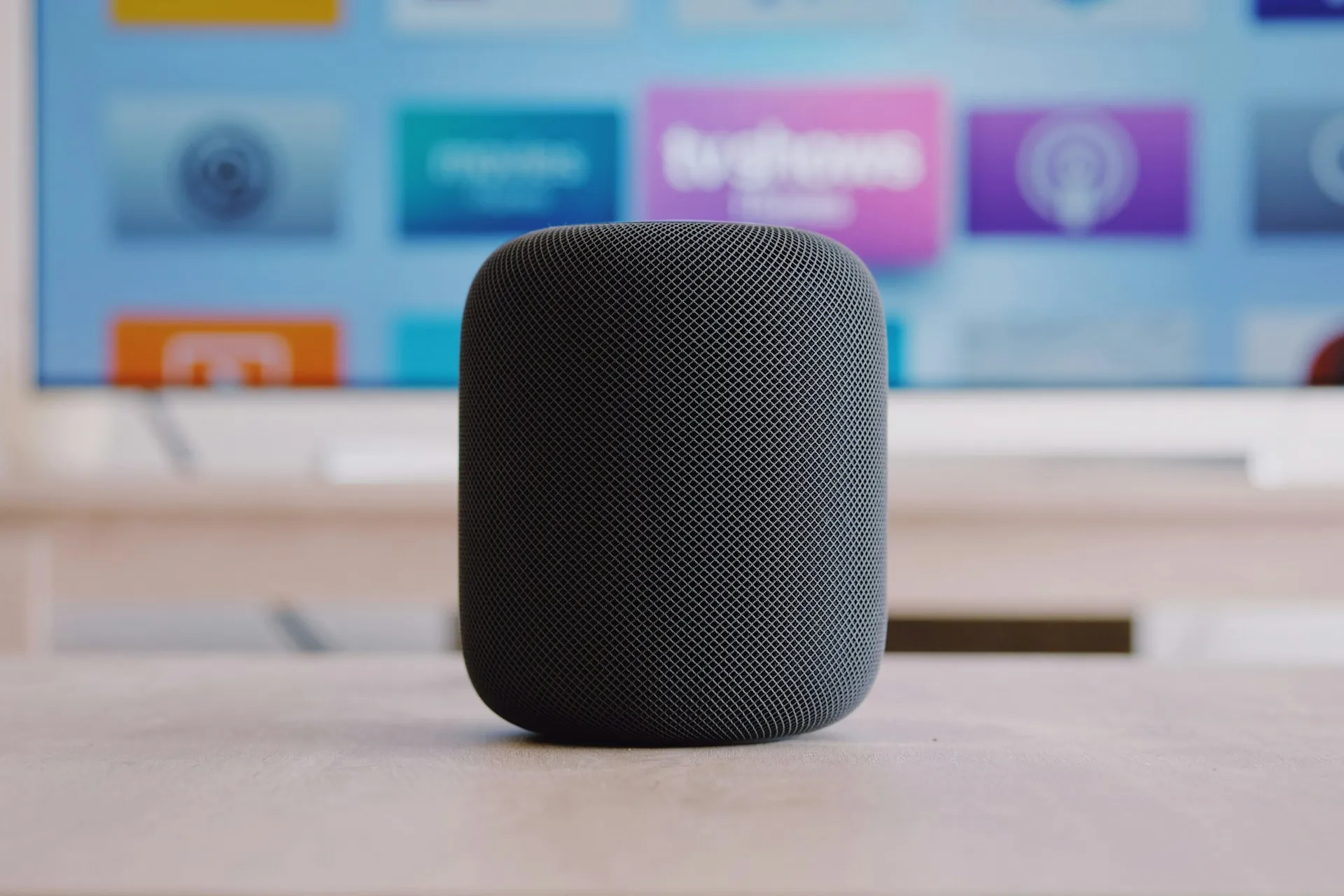
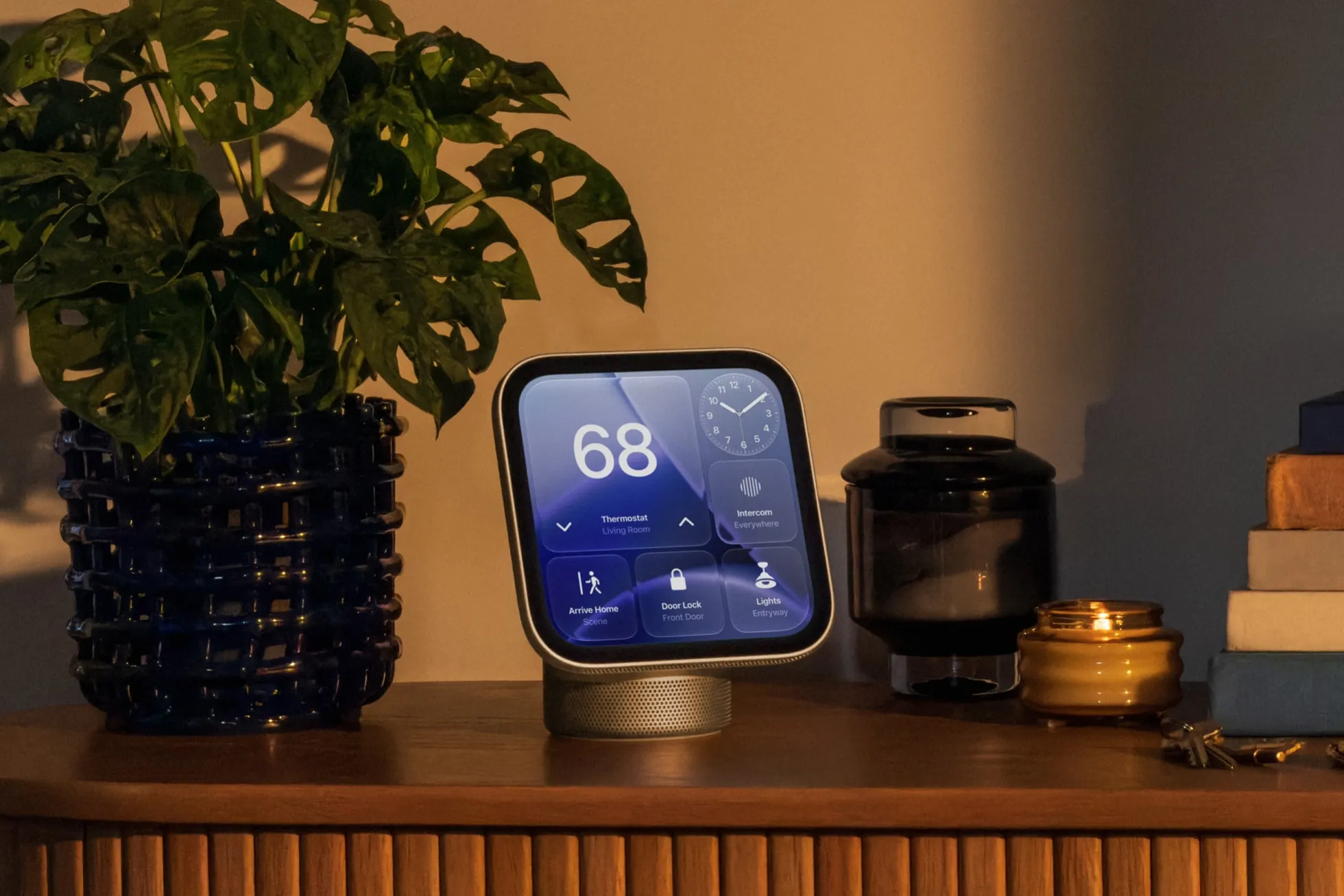
Then there's the wildcard: Apple's rumored smart home hub. The device features a six to seven-inch touchscreen and comes in two form factors—a wall-mounted version for kitchens or living rooms, and a tabletop model with a hemispherical speaker base. At six to seven inches, this sits in awkward middle ground—too small for comfortable video calls compared to the 10-inch Echo Show, too large for a nightstand compared to the compact Nest Hub.
The software approach is what could differentiate this from existing smart home hubs: a new operating system inspired by iPhone's Standby mode and watchOS, with proximity sensors that detect when someone enters a room. That means the display adapts contextually—showing relevant information when you approach, dimming to ambient mode when you leave, potentially displaying different content based on face recognition identifying which family member is present.
Add a 1080p FaceTime camera (hopefully with Center Stage), Apple Intelligence integration for natural language home control, and seamless HomeKit compatibility, and you've got a genuine Echo Show competitor—if Apple can nail the execution and pricing. The challenge is convincing users they need another screen in their homes. Amazon and Google have struggled to make smart home hubs essential rather than nice-to-have. Apple's advantage is ecosystem integration—FaceTime calls, iMessage, Photos, Apple Music—but that's only compelling if you're already invested in Apple's services and devices.
What this event strategy reveals about Apple's 2026 playbook
The March 4 approach tells us something about where Apple is in its product cycle and market strategy. This "experience" format with online announcements and hands-on sessions in three cities represents a departure from the usual Apple Park events, focusing on localized, hands-on access to multiple new devices. That choice reveals priorities: the company wants journalists and influencers actually using the budget MacBook, feeling the iPad Air's performance, testing the iPhone 17e's connectivity—experiences that don't translate well through livestream keynotes.
Choosing New York, London, and Shanghai specifically signals market focus. These aren't just major cities; they're command centers for key growth markets. New York represents the Americas and Apple's education push. London anchors Europe where budget-conscious buyers are increasingly important. Shanghai demonstrates commitment to China despite competitive pressures from domestic brands. By holding simultaneous events in all three, Apple sends a message that these products matter equally across global markets rather than treating international releases as afterthoughts.
The timing is equally strategic. Launching the M5 Pro in early March clears the deck for a potential M6 MacBook Pro with OLED displays later in the year, allowing Apple to capture the holiday market with a flashy new design without alienating customers who bought M5 models just months earlier. This two-tier approach—spring spec bumps, fall redesigns—lets Apple serve professional buyers who prioritize immediate performance while preserving media excitement for premium launches that drive holiday sales.
The product mix itself reveals a coordinated strategy. The budget MacBook and iPhone 17e both target the same demographic: younger, price-conscious buyers who want Apple ecosystem benefits without flagship pricing. These aren't isolated products; they're complementary entry points designed to capture users early and retain them as their purchasing power grows. Someone who buys a $799 MacBook for college and a $599 iPhone is significantly more likely to upgrade to a MacBook Pro and iPhone Pro within five years than someone starting with Android and Windows devices.
Apple Intelligence rollout across the entire product line—from the entry-level iPad to the budget iPhone to the MacBook Air—transforms AI from a premium differentiator to a baseline expectation. This ecosystem-wide approach creates competitive advantage against Android and Windows alternatives where AI features remain fragmented across manufacturers and price tiers. It also positions Apple for the next phase of computing where ambient intelligence becomes as fundamental as touchscreens or app stores.
Bottom line: This isn't WWDC or an iPhone keynote. It's a hardware refresh event that addresses multiple product lines simultaneously—practical rather than flashy, strategic rather than revolutionary. The budget MacBook and iPhone 17e represent Apple's most aggressive push into accessible price points in years, acknowledging that market expansion requires competing where buyers actually shop, not just where margins are highest. The Mac and iPad updates keep the lineup current without dramatic changes, maintaining Apple's reputation for regular, reliable improvements. And the Studio Display 2, if it appears with mini-LED and 120Hz, fills a genuine gap in Apple's professional display offerings that's existed since the Pro Display XDR's price put it out of reach for most users.
The real test will be pricing discipline. Can Apple maintain competitive price points on the budget MacBook and iPhone 17e while component costs remain elevated and inflation pressures persist? Does the Studio Display 2 come in at a reasonable premium over the original, or does mini-LED push it into luxury territory that undermines its professional appeal? These questions matter more than the spec sheets because they determine whether Apple's market expansion strategy succeeds or remains aspirational.
We'll have answers soon enough—March 4 is just around the corner, and unlike Apple's carefully choreographed keynotes, these hands-on experiences will reveal how these products actually feel, perform, and compete in their respective categories. That's when the real evaluation begins.



Comments
Be the first, drop a comment!