





Apple New Products Launching Soon: What to Buy or Wait For
Two Apple laptops hit stores earlier this month. At least four more products are close behind and the Apple new products launching soon rumors, laid out in sequence, tell a consistent story about where the company is expanding its range and why.
Two devices are confirmed and shipping: the M5 Pro and M5 Max MacBook Pro, launched on March 3, and the $599 MacBook Neo, Apple's first laptop priced below the MacBook Air. Four more are rumor-tracked and expected soon: the iPhone 17e, iPad Air, iPad 12, and MacBook Air. Beyond those six, a foldable iPhone and a redesigned MacBook Pro with an OLED touchscreen are targeting later in 2026. Together, the full pipeline reveals how deliberately Apple is stretching its range at both ends simultaneously.
Bloomberg reported in early February that Apple was preparing a "product blitz" spanning the iPhone 17e, updated iPads, and new Macs an unusually compressed release window by Apple's standards. That wave is now underway.
Apple new products launching soon: the six closest releases
Status at a glance:
- Confirmed and shipping: MacBook Neo, MacBook Pro (M5 Pro, M5 Max)
- Expected within weeks: iPhone 17e, iPad Air, iPad 12
- Rumored for first half of 2026: MacBook Air (M5)
iPhone 17e
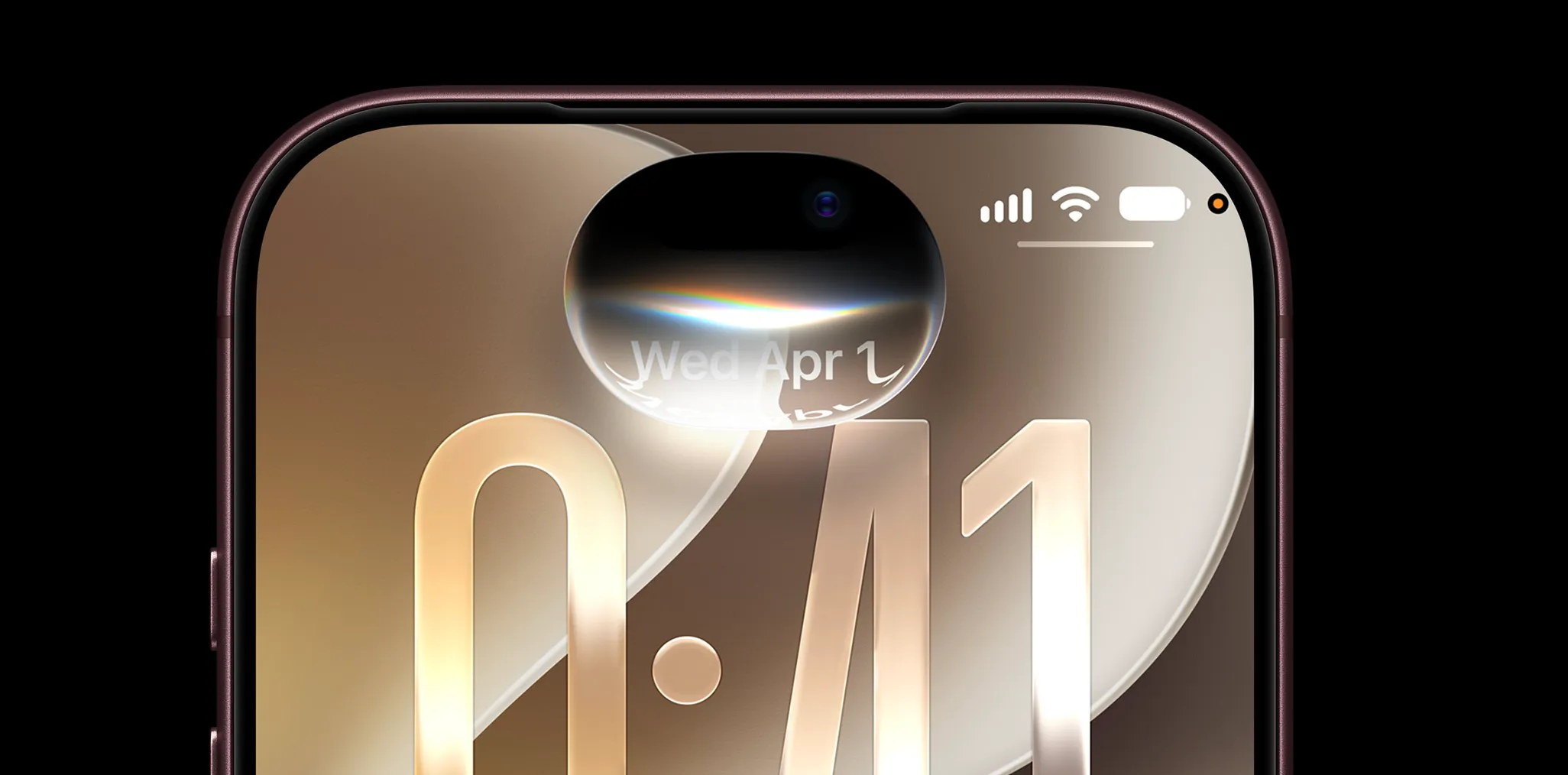
The iPhone 17e is the highest-confidence item still pending. Expected imminently with the A19 chip, possible Dynamic Island, slimmed bezels, and MagSafe support, it narrows the gap between Apple's budget and mainstream iPhone tiers considerably, per the MacRumors upcoming products guide (updated three days ago).
For anyone who needs an affordable iPhone upgrade this year, the 17e is the one to watch. It carries the same chip as the standard iPhone 17 at a lower price point the same logic driving the MacBook Neo on the laptop side. If an affordable upgrade can wait a few weeks, waiting is the right call. If it can't, last year's iPhone 16e remains a solid fallback.
iPad Air and iPad 12
The iPad Air is expected to move to the M4 chip; the base iPad 12 is rumored to adopt the A19, according to the same MacRumors guide. Neither has a confirmed date, but both carry strong rumor support in the same near-term window as the iPhone 17e.
Current models are solid. Still, if a purchase can wait a few weeks, it probably should. The M4 upgrade on the Air is meaningful for anyone running demanding apps or planning to hold the device for several years.
MacBook Air
An M5 MacBook Air refresh is expected in the first half of 2026. Macworld reported in early February that retail stock of the current Air remained steady, suggesting a March or April arrival for its successor.
Don't buy the current Air now. The M5 version is close.
MacBook Neo and MacBook Pro M5: already here
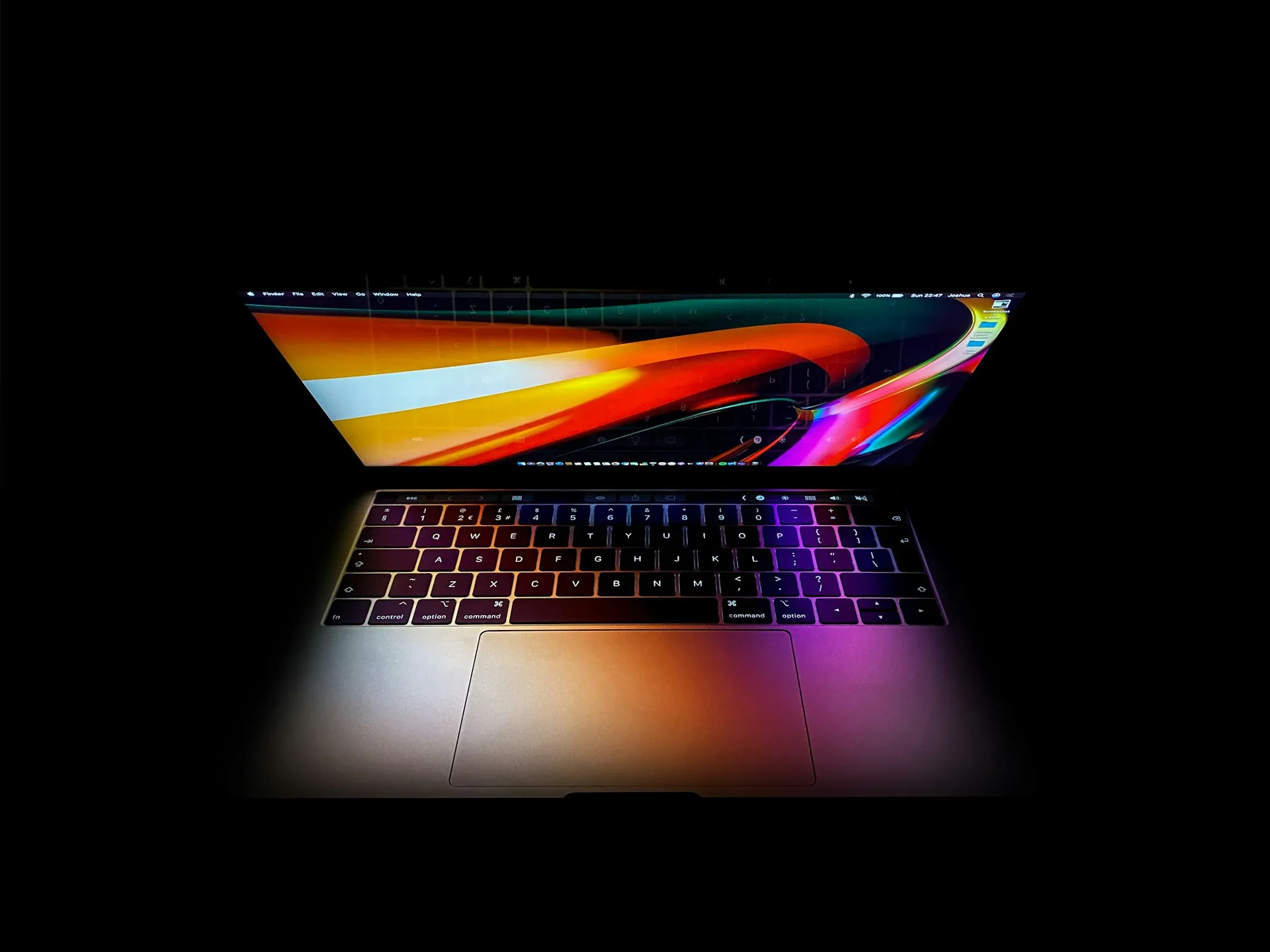
Both are shipping. The MacBook Neo enters at $599, a price point Apple has never touched before in its laptop lineup. The 14-inch MacBook Pro with M5 starts at $1,699; the 14-inch with M5 Pro starts at $2,199 and the 16-inch M5 Pro at $2,699, with up to 4x AI performance improvement over the previous generation and up to 24 hours of battery life.
Buy either now if the specs fit with one significant caveat on the M5 Pro and M5 Max models, addressed in the next section.
What the Mac lineup signals for the rest of 2026
The Mac range right now illustrates Apple's two-track strategy with unusual clarity: a new entry point designed to capture volume, and premium redesigns targeting higher margins. Both tracks are active at the same time.
The low end is a market-share play
The MacBook Neo's $599 price point isn't accidental. Analyst Ming-Chi Kuo wrote in early March that Apple is using the current memory market disruption which is pushing Windows laptop prices higher to grab share while competitors absorb rising component costs. His revised projection puts Neo shipments at 4.5 to 5 million units in 2026, which he calls "a very strong number" for a single laptop model.
The broader numbers back that framing. Kuo estimates total MacBook shipments could reach roughly 25 million this year, potentially matching COVID-era peaks, while Windows laptop sales are expected to decline more than 10% year-over-year. The MacBook Air, once the floor of Apple's laptop lineup, now sits in the middle of the range a repositioning that happened quietly and quickly. Budget buyers now have a new floor; the Air serves a different customer than it did six months ago.
The premium track is getting more ambitious
Later in 2026, a MacBook Pro redesign is tracking that would be the most significant Mac upgrade since the Apple silicon transition. Bloomberg reported in late February that Apple's touch Mac models will incorporate the iPhone's Dynamic Island and a redesigned interface. Kuo corroborates an arrival window of late Q4 2026 or early Q1 2027 disputed, but that's the tightest consensus available. OLED displays and touch input would be limited to higher-end 14-inch and 16-inch Pro configurations.
That's the caveat for M5 Pro and M5 Max buyers. MacRumors recommended in February that anyone eyeing a high-end Pro wait for the OLED version. The M5 Pro models now shipping are excellent machines. But spending $2,199 or more on the current generation, knowing a redesign with OLED, touch, and new M6 chips is coming within a plausible window, is a harder case to make.
MacBook Air buyers face no such dilemma. Kuo estimates the Air moves to OLED around 2028 or 2029. Get the M5 Air when it arrives and don't look back.
The same push between volume and premium runs through the iPhone pipeline and the foldable is where it gets most interesting.
The foldable iPhone and what it means for Apple's 2026 release calendar
What we know about the Fold
Multiple sources converge on September 2026 for the first foldable iPhone. The MacRumors foldable guide (updated two weeks ago) describes a book-style design with a roughly 5.3-inch outer display and a 7.6-inch inner display. The device will run Apple's A20 chip on TSMC's 2nm process, estimated at up to 15% faster and 30% more efficient than the A19, per the MacRumors iPhone 18 roundup.
What looks solid: Kuo expects Touch ID in the power button rather than Face ID, likely due to hinge geometry constraints. The battery is rumored between 5,400 and 5,800 mAh which would be the largest Apple has ever put in an iPhone. Storage tiers are expected at 256GB, 512GB, and 1TB. The device will be eSIM-only. Pricing is expected above $2,000.
What remains contested: Inner display crease reports split between near-invisible and "reduced but present." Unfolded thickness estimates range from 4.5mm (Kuo) to 4.8mm (Weibo leaker Instant Digital), per the MacRumors roundup. These details will firm up as launch approaches, but as of this week they're genuinely unresolved.
iOS 27, which Apple won't preview until WWDC in June, is separately rumored to be optimized for the foldable's inner display enabling side-by-side apps and a multitasking layout suited to the larger canvas.
How the Fold restructures Apple's iPhone calendar
The foldable's existence is part of why Apple is abandoning its standard all-models-in-September launch cadence. The full iPhone 18 lineup covering the iPhone 18, 18e, 18 Air, 18 Pro, 18 Pro Max, and the Fold is too large and too differentiated to release simultaneously. MacRumors' roundup confirms the split: the four most expensive models (iPhone 18 Air, Pro, Pro Max, and Fold) land in September 2026; the standard iPhone 18 and iPhone 18e follow in spring 2027.
Bloomberg's Mark Gurman, cited by MacRumors today, described Apple hardware chief John Ternus as overseeing "the biggest set of iPhone revamps in the product's history" encompassing the foldable this year and a potential edge-to-edge 20th-anniversary iPhone in 2027, when the original iPhone turns 20.
The calendar split mirrors what Apple is doing with Macs: anchor the fall cycle on the highest-margin hardware, handle volume and accessibility in a separate window. For buyers, that translates directly:
- Premium buyers eyeing the iPhone 18 Pro, Pro Max, Air, or Fold have a September 2026 window
- Budget and mainstream buyers waiting on the standard iPhone 18 or 18e should plan for spring 2027, not this fall
- The iPhone 17e arriving now is the right call for anyone who needs an affordable upgrade this year
What the full picture adds up to
The near-term list is real. MacBook Neo and M5 MacBook Pro are shipping now. The iPhone 17e, iPad Air, iPad 12, and MacBook Air refresh all appear close, with strong rumor support but no confirmed announcement dates. None require a long wait.
One logic connects all six: Apple is using the iPhone 17e, MacBook Neo, and iPad refreshes to pull new buyers in at lower price points, taking advantage of rising competitor costs, while the foldable iPhone and OLED MacBook Pro define what the premium tier can now charge. Kuo's projection of roughly 25 million total MacBook shipments in 2026, potentially matching COVID-era peaks while the broader PC market contracts, is early evidence that the volume half of that equation is already working.
The next marker worth watching: WWDC in June, where iOS 27 details and with them, the clearest picture yet of how the foldable fits into Apple's software ecosystem will finally go public.








Comments
Be the first, drop a comment!