



Apple may be preparing to change one of the MacBook Pro's most familiar features: how you interact with its screen. After years of keeping touch controls exclusive to devices like the iPad, the company is reportedly preparing its first touchscreen MacBook Pro, complete with an OLED display and a redesigned interface.
The potential debut comes as Apple prepares for its October 28 "Pro and Tell" media experience in Los Angeles. A conventional M6-powered MacBook Pro, an updated iMac, and a new iPad mini are also expected, although Apple hasn't officially named any of the products it plans to unveil.
For anyone considering a MacBook upgrade, the timing presents an interesting choice. The rumored touchscreen models could introduce substantial design changes without bringing a newer generation of high-end processors, making their eventual pricing especially important.
What Apple has confirmed for October 28
Apple's senior vice president of worldwide marketing, Greg Joswiak, teased the upcoming launch on October 19, writing that he couldn't wait to "pro and tell" the following week. The company has invited selected media to an in-person experience in Los Angeles on Wednesday, October 28, beginning at 10 a.m. Pacific (1 p.m. Eastern).
According to Macworld's coverage of the official invitation, the gathering is being presented as an Apple Experience rather than a traditional keynote. Apple hasn't announced a public livestream, and the company may reveal its products through online announcements before inviting journalists to try them.
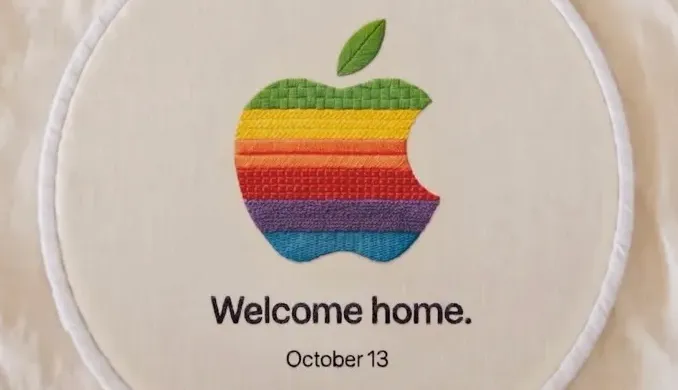
The approach resembles Apple's October 13 "Welcome Home" launch, which introduced new smart home products without a conventional keynote. This time, the "Pro and Tell" branding suggests a focus on professional hardware, although the invitation doesn't identify specific devices.
Until Apple publishes the announcements, the event date, location, and invitation are the confirmed details. The expected hardware lineup remains based on reporting and industry sources.
The touchscreen MacBook Pro could change how macOS works
The biggest anticipated announcement is a redesigned MacBook Pro featuring an OLED touchscreen, a lighter chassis, and an iPhone-style Dynamic Island in place of the display notch.
According to Bloomberg-based reporting summarized by The Verge, Apple is preparing new 14-inch and 16-inch MacBook Pro models alongside more conventional updates to its existing computers.
OLED would bring a different display technology to the MacBook Pro, potentially offering deeper blacks, improved contrast, and richer colors. But touch input would represent the more significant change, allowing users to interact directly with a Mac's display rather than relying entirely on its keyboard and trackpad.
Apple has resisted that approach for years. In a 2018 interview with WIRED, software chief Craig Federighi argued that reaching toward a laptop screen for extended periods could be uncomfortable. Apple's preference was to keep Mac controls centered on the keyboard and trackpad while developing touch-first interactions for the iPad.
The rumored MacBook Pro would challenge that distinction without necessarily replacing traditional controls.
Apple is reportedly developing touch-sensitive controls and gestures for macOS. Menus could display larger touch targets when tapped, while gestures such as pinching to zoom or swiping to scroll could work directly on the screen. The interface would adapt depending on whether someone uses touch or a pointer.
That could make certain everyday actions more intuitive, particularly navigating documents, adjusting controls, or interacting with creative applications. Apple is also reportedly reinforcing the display hinge to reduce movement when users tap the screen.
The real test will be whether those interactions feel natural alongside macOS's existing controls. A touchscreen alone won't guarantee a better experience, especially if individual applications aren't designed to accommodate it.
Earlier rumors suggested Apple might call the redesigned laptop "MacBook Ultra," but more recent reporting points toward retaining the MacBook Pro name. Apple hasn't confirmed the final branding.
The M5 and M6 chip difference could complicate upgrades
The expected processor lineup may be the biggest surprise for MacBook buyers.
Bloomberg's Mark Gurman has reported that Apple plans to skip the M6 Pro and M6 Max processors and move directly toward the next generation of high-end chips. According to reporting on Apple's processor roadmap, the redesigned OLED MacBook Pros are expected to retain the M5 Pro and M5 Max chips introduced in March 2026, with M7 Pro and M7 Max upgrades anticipated toward the end of 2027.
If accurate, Apple could introduce two distinct MacBook Pro upgrade paths: a redesigned high-end laptop emphasizing OLED and touch, and a more familiar entry-level model with a newer base processor.
The distinction matters because a newer processor number doesn't automatically mean better performance across every workload. Apple's base chips and higher-end Pro and Max variants are designed for different demands, including multitasking, graphics performance, and professional applications.
For buyers considering the OLED MacBook Pro, the reported improvements center on the screen, input methods, and physical design. Those changes could be compelling, but they may also increase the price without bringing an entirely new generation of high-end processors.
For buyers considering the entry-level 14-inch MacBook Pro, reports suggest a simpler update replacing the existing M5 chip with M6 while retaining the current design. Apple already introduced the M6 processor in its Mac mini on August 25, 2026, so an M6 MacBook Pro would extend that processor to another product rather than debut a new chip family.
Neither approach is necessarily better for every buyer. Final configurations, performance testing, and pricing will determine which offers greater value.
An M6 iMac and OLED iPad mini could also arrive
Apple's October announcements may extend beyond laptops.
A refreshed 24-inch iMac is expected to adopt the M6 processor without major external design changes. That would make it a relatively straightforward performance update for Apple's all-in-one desktop.
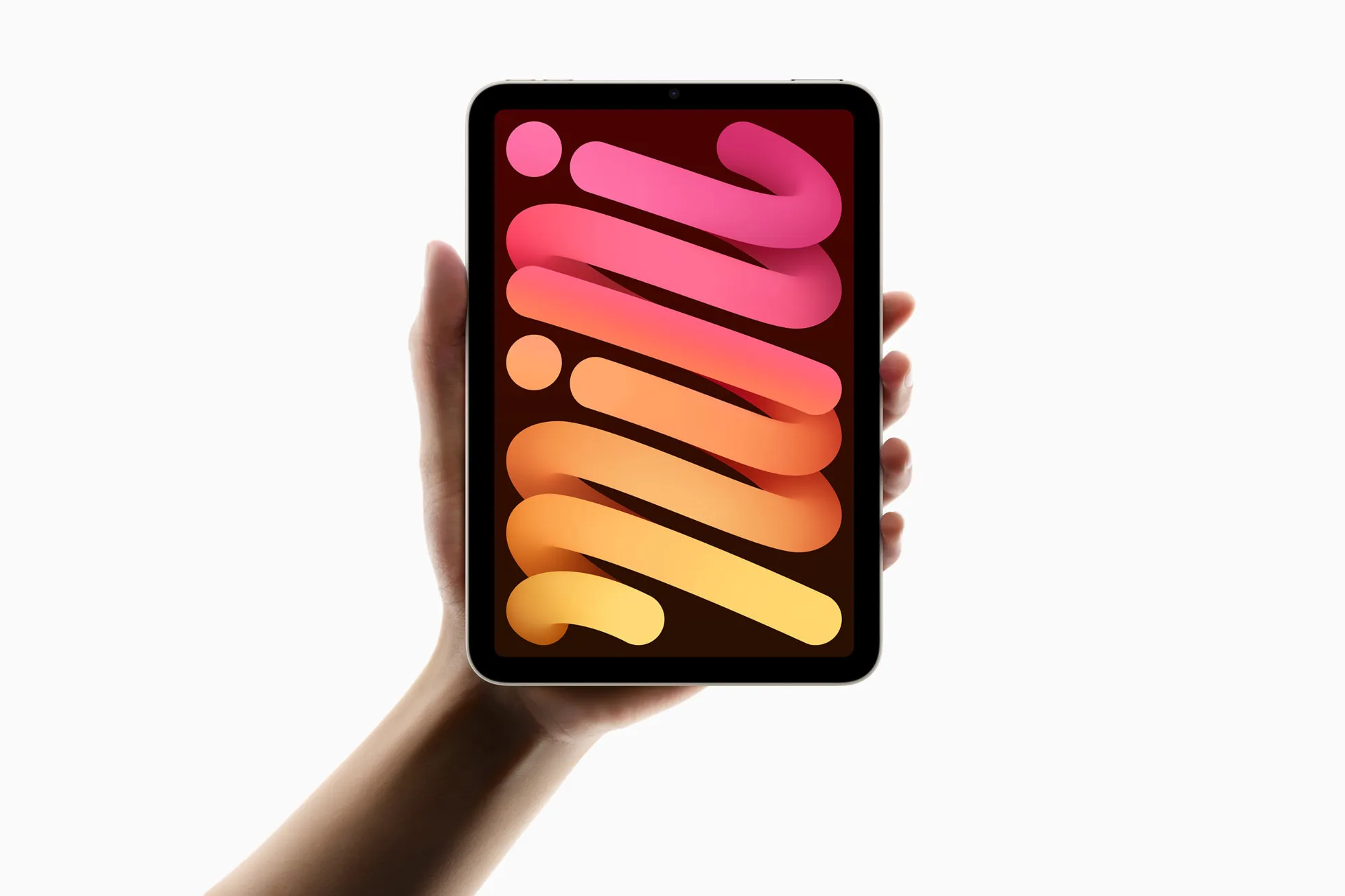
The iPad mini could receive a more substantial overhaul. Reports point to an OLED display, an A20 Pro processor, a front camera positioned for landscape video calls, and redesigned speakers that could improve water resistance.
Pricing may be the biggest concern. Gurman has suggested the upcoming OLED iPad mini could start closer to $799, approximately $200 above the current model's $599 starting price.
For people who primarily use an iPad mini for reading, browsing, streaming, or travel, OLED may be appealing without necessarily justifying that increase. Those considering an upgrade will need to weigh the display improvements against the tablet's eventual price and other features.
Apple hasn't confirmed the new iPad mini's specifications, pricing, or availability.
Should you wait for Apple's October 28 announcements?
The timing makes waiting a sensible option for anyone who doesn't urgently need a new MacBook. Reports suggest the upcoming devices could go on sale as early as November 6, although Apple hasn't announced preorder dates or retail availability.
Existing MacBook Pro models remain capable machines, and discounts ahead of the event could make them more attractive. Buyers who need a laptop immediately should compare available memory, storage, ports, and return policies rather than purchasing solely on expectations about unreleased hardware.
For everyone else, the most useful answers should arrive with Apple's official specifications. Pricing, battery life, display performance, and the quality of touchscreen integration will determine whether the redesigned MacBook Pro delivers meaningful improvements or simply offers a different way to use familiar hardware.
The biggest question isn't whether Apple can put a touchscreen on a MacBook. It's whether Apple can make touch feel like a natural part of the Mac experience—without compromising what already makes the laptop work.



Comments
Be the first, drop a comment!