






Apple has reportedly kicked off its journey toward bringing OLED displays to the iMac, but if you're eagerly waiting to upgrade your desktop setup, you might want to sit down for this one. While the tech giant is making serious moves behind the scenes—complete with detailed specifications and heated supplier negotiations—there are two significant catches that could dampen your enthusiasm.
Here's what we know: Apple is currently evaluating available technologies and production capabilities for incorporating OLED screens into its desktop lineup, according to Digital Trends. The company has already sent Requests for Information (RFI) to both Samsung and LG, outlining specific display requirements for the upcoming OLED iMac, reports NotebookCheck. The company plans to maintain the current 4480 x 2520 pixel resolution to ensure software scaling compatibility remains seamless, according to the same source.
This resolution decision reveals Apple's broader ecosystem strategy—maintaining consistency means existing apps, professional workflows, and user interfaces will transition smoothly without forcing developers to redesign for new screen dimensions.
What we know about the OLED iMac specifications
Let's break down what Apple is actually asking for from their display partners. The proposed OLED iMac will feature a 24-inch panel delivering approximately 600 nits of peak brightness with around 218 pixels per inch, Digital Trends reports. Now, that might not sound earth-shattering until you consider the real-world implications—this represents a meaningful 20% brightness improvement over current models, which max out at 500 nits, according to the same report.
For professional users, this brightness boost translates to better visibility in bright office environments and more accurate color representation for photo and video editing. Content creators working with HDR materials will particularly benefit from OLED's superior contrast ratios and the ability to display true blacks alongside those brighter peak highlights.
The company isn't planning to mess with a good thing, either. Apple intends to preserve key display features including wide color P3 gamut coverage and True Tone technology in the OLED version, NotebookCheck indicates. The pixel density requirement of at least 218 ppi has been specifically outlined in the RFI, according to the same source. These specifications ensure users will feel right at home with the OLED transition while gaining the transformative benefits of per-pixel lighting control that makes OLED technology so compelling.
The supplier battle: Samsung vs LG display technologies
Here's where things get technically fascinating. Two major display manufacturers are vying for Apple's OLED iMac contract, and their competing approaches could shape the future of desktop displays.
Samsung Display is coming out swinging with its advanced 5-stack QD-OLED displays using a BBGBG configuration, which delivers superior brightness compared to their current 4-stack BBGB panels, Digital Trends explains. That extra "G" isn't just alphabet soup—the additional green layer in Samsung's technology serves as a brightness enhancer, NotebookCheck notes. This QD-OLED approach uses quantum dots to convert blue light into red and green, potentially offering better color accuracy and energy efficiency than traditional OLED methods.
LG Display is taking a different technological path, developing its own 5-stack W-OLED panels with a BGBRG structure, representing an improvement over their existing 4-stack BGBR W-OLED displays in terms of brightness output, according to Digital Trends. LG's W-OLED technology uses white OLED subpixels with color filters, a proven approach that's already successful in their premium TV lineup. Both Samsung and LG are pursuing distinct large-size OLED technologies, with Samsung focusing on QD-OLED and LG concentrating on W-OLED approaches, the same report indicates.
This technological competition benefits Apple by creating multiple viable suppliers and driving innovation. LG is actively developing various OLED display technologies specifically to meet Apple's demand for larger OLED screens, NotebookCheck reports. Whichever technology wins could influence OLED development across the broader desktop monitor industry.
The first catch: A very long wait ahead
Now here's where reality comes crashing down on our OLED dreams. If you're planning to hold off on that iMac purchase until the OLED version arrives, you might want to reconsider your timeline—and possibly your entire computing strategy.
The report says Apple asked suppliers to submit proposals by 2026, NotebookCheck reveals. But here's the kicker—that's just for the proposals. The company doesn't expect to finish development of the OLED iMac panel until 2027 or 2028, Digital Trends reports. Translation: the earliest consumers might see an OLED iMac hit the market is 2027, according to NotebookCheck.
That's a three-to-four-year wait from now, which in tech terms feels like an eternity. During that time, we'll likely see multiple generations of Apple Silicon chips, significant improvements to current LCD technology, and potentially major shifts in the competitive landscape. This extended timeline reflects the complexity of scaling OLED technology to larger desktop displays while meeting Apple's stringent quality standards, Digital Trends notes.
This timing actually aligns with Apple's broader OLED adoption strategy, which includes plans for OLED iPad Mini devices in 2026 and OLED iPad Air models in 2027 or 2028, according to OLED-Info. Apple is orchestrating a carefully planned rollout across its entire product ecosystem, ensuring each device category gets the attention and resources needed for a successful OLED transition.
The second catch: What about a larger iMac Pro?
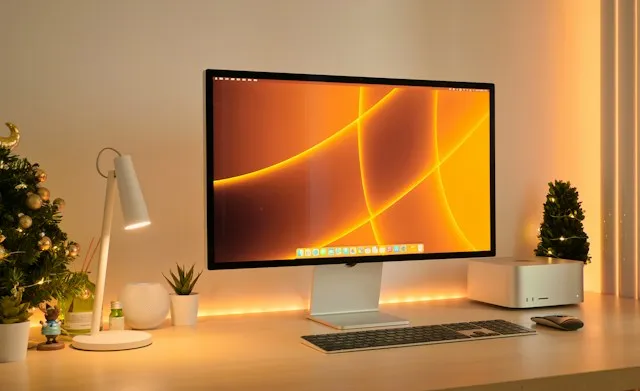
Here's where things get particularly interesting for professional users and anyone who's been missing that larger screen real estate. While we're getting excited about a 24-inch OLED iMac, many users have been holding out hope for something bigger—a true successor to the discontinued 27-inch Intel iMac.
Recent leaks suggest Apple is developing a high-end iMac featuring the upcoming M5 Max chip, MacRumors reports. Internal software references point to an iMac with identifier J833c running on the H17C platform, which corresponds to the M5 Max processor, according to the same source. This potential M5 Max iMac could serve as a crucial bridge product, offering professional-level performance while users wait for OLED technology to mature.
This M5 Max iMac could serve as the closest thing to a direct replacement for the discontinued iMac Pro, Ars Technica suggests. To put that in perspective, the current M4 Max chip offers 14 or 16 CPU cores, 32 or 40 GPU cores, and supports between 36GB and 128GB of unified memory, the same report notes. That's serious computing power that could handle professional video editing, 3D rendering, and complex development workflows.
However, these internal testing references don't guarantee a commercial release, as Apple often tests configurations that never reach consumers, MacRumors cautions. Still, the existence of these tests suggests Apple recognizes the need for a high-performance desktop option between now and the eventual OLED transition.
Where does this leaves iMac enthusiasts?
Bottom line: Apple's OLED iMac journey represents a significant step forward in display technology, but it's going to require serious patience from consumers who want the latest and greatest. The development represents Apple's continued commitment to premium display technology across its product lineup, building on the company's goal of utilizing high-performance OLED displays in all devices, OLED-Info explains.
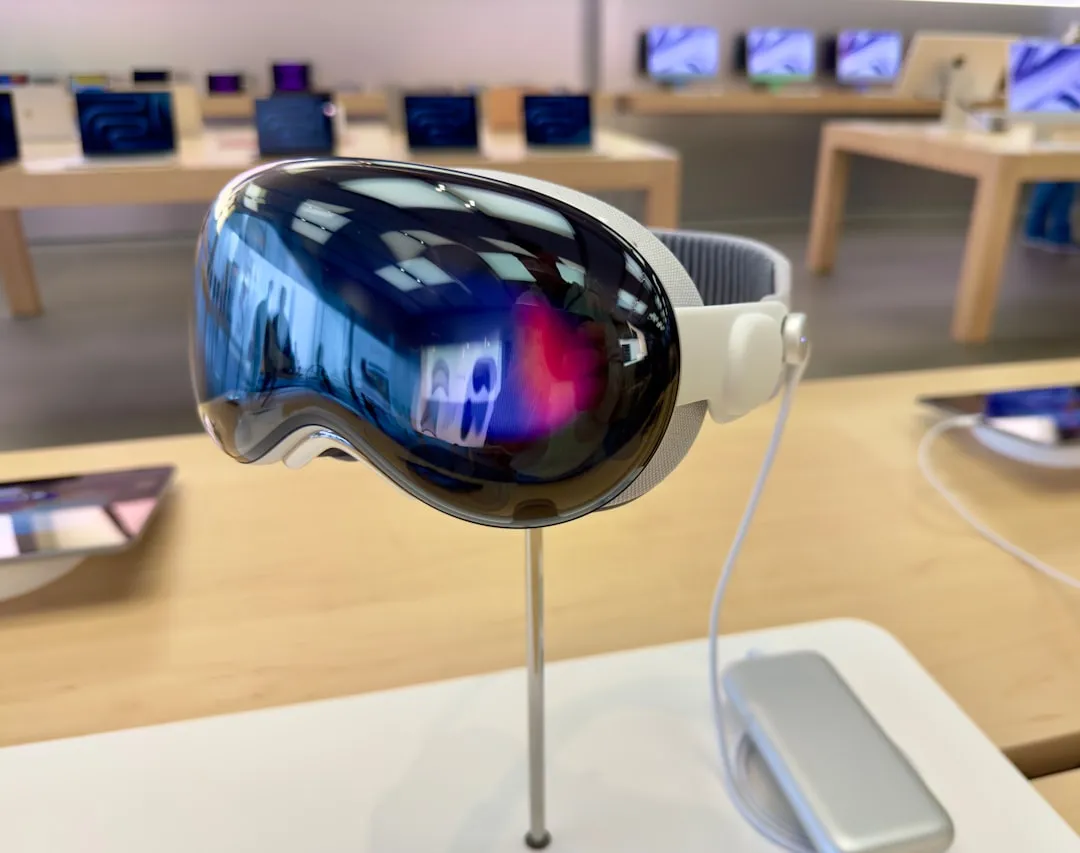
Apple already uses OLED technology in smartphones, VR headsets, wearables, and high-end iPad Pro tablets, according to the same source. The move to OLED iMacs fits within this broader strategy of gradually transitioning larger devices to OLED technology, Digital Trends notes.
For current iMac users and prospective buyers, this creates an interesting decision point. The 2027-2028 timeline means we're looking at several product cycles before OLED displays become reality. In the meantime, current iMacs already deliver excellent display performance, and a potential M5 Max model could provide the professional-level power many users need.
What's clear is that when OLED iMacs do arrive, they'll likely represent a transformative leap in display quality—deeper blacks, more vibrant colors, better contrast ratios, and that meaningful 20% brightness boost. For users whose workflows depend on color accuracy and visual quality, it might be worth the wait. For everyone else, the current iMac lineup remains a compelling choice that won't leave you feeling outdated when OLED eventually arrives.












Comments
Be the first, drop a comment!