






Apple's ecosystem in Brazil is undergoing its most dramatic transformation since the iPhone's debut, and it's happening because of a landmark settlement that will reshape how tech giants operate across Latin America. The company just agreed to end a three-year legal battle with Brazil's competition authority CADE (Administrative Council for Economic Defense) - and the terms fundamentally alter the iOS experience for millions of Brazilian users.
Here's the breakdown: e-commerce giant MercadoLibre challenged Apple's restrictive App Store policies back in 2022, setting in motion a legal confrontation that Apple initially resisted but ultimately chose to resolve through negotiation. The settlement requires Apple to implement massive changes within 105 days, or face penalties of up to $27 million. These aren't minor adjustments - we're talking about core changes to how Brazilian iOS users download apps, process payments, and interact with their devices.
This settlement represents Apple's compliance with regulatory pressure in yet another major market, joining a growing list of jurisdictions where the company has been compelled to open its platform. What makes Brazil's case particularly significant is its comprehensive scope - it's one of the most thorough challenges to Apple's ecosystem control globally, addressing not just payment restrictions but broader questions of digital marketplace innovation.
What's changing for Brazilian iPhone users?
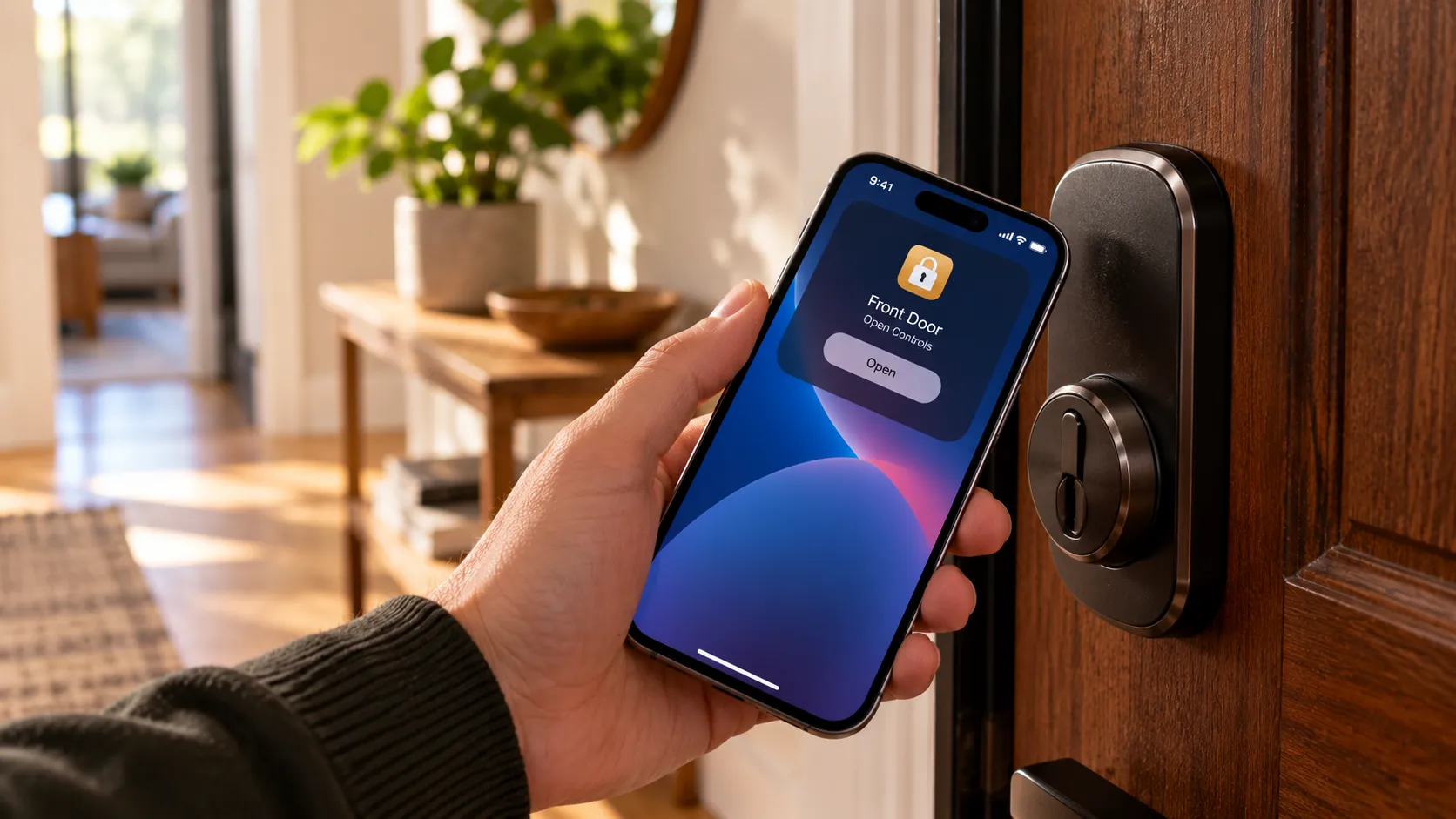
Starting in 2026, if you're using an iPhone in Brazil, your device will operate fundamentally differently. Apple will allow users to download and install third-party app stores directly onto their iPhones and iPads, breaking the company's longstanding monopoly on app distribution in Latin America's largest smartphone market.
In practical terms, this means you could download Epic Games Store, Amazon Appstore, or specialized Brazilian marketplaces right onto your iPhone. No more being locked into Apple's ecosystem if alternative platforms offer better deals, exclusive content, or apps that don't fit Apple's traditional guidelines. This opens possibilities for everything from gaming-focused stores to business-specific app marketplaces tailored to Brazilian companies.
The payment revolution runs even deeper. Developers will be permitted to offer third-party payment processors alongside Apple's system, creating genuine choice when you're purchasing apps or services. Even more significant, apps will be allowed to include direct links to external offers and purchasing options - functionality previously banned under Apple's anti-steering rules that kept users from discovering potentially cheaper alternatives.
Perhaps most importantly for actual user experience, Apple must ensure that warnings about these options use neutral, objective language that doesn't discourage exploration of alternatives. This addresses a longstanding concern that Apple has used intimidating security warnings as a competitive tool rather than genuine user protection.
How Apple plans to maintain revenue streams
Apple isn't abandoning its business model - instead, the company has developed a sophisticated fee structure ensuring continued revenue even as it opens its ecosystem. Understanding these economics helps explain how Apple plans to adapt rather than simply surrender market share.
Standard App Store purchases will maintain the existing 25% commission structure for qualifying developers, so users sticking with Apple's official store won't see immediate pricing changes. However, the fee structure becomes more nuanced when developers start using alternative options.
For external payment redirects, Apple has implemented a strategically tiered approach. Apps using only static text to direct users to external payments won't incur additional fees - essentially, if a developer includes plain text mentioning external payment options, Apple doesn't charge extra. But clickable buttons or links directing users to external websites will trigger a 15% commission, creating a financial incentive structure that balances user choice with Apple's revenue interests.
Third-party app stores face their own economics through Apple's 5% Core Technology Commission, mirroring arrangements in other markets where Apple has been compelled to open its platform. This approach allows Apple to monetize its iOS infrastructure and development costs even when users completely bypass the official App Store - a strategy that acknowledges platform openness while preserving some revenue streams.
The regulatory pressure that forced Apple's hand
Brazil's success didn't emerge in isolation - it builds on a carefully constructed legal strategy that distinguished itself from other global regulatory efforts. The investigation began in 2022 when MercadoLibre filed a complaint challenging Apple's restrictions, but the company's approach went beyond typical payment processing complaints.
MercadoLibre's complaint was strategically comprehensive. The company wanted to transform its app into a marketplace for third-party digital services, allowing users to purchase streaming subscriptions, digital content, and premium services from multiple providers through a single platform. Apple blocked this vision, and MercadoLibre used that rejection to build a case about broader marketplace innovation - not just payment fees, but the fundamental question of whether apps could evolve into digital service hubs.
What makes Brazil's case particularly effective is how it addresses restrictions on third-party digital goods distribution, an issue most other investigations haven't tackled comprehensively. CADE's approach examined not just payment processing monopolization, but whether Apple's policies prevent legitimate business innovation in digital marketplaces - a broader economic argument that proved harder for Apple to counter with security justifications alone.
This comprehensive strategy paid off. Brazil now joins the European Union, Japan, and South Korea as jurisdictions where Apple has been compelled to open iOS to alternative app marketplaces. With similar regulatory pressures mounting in the United Kingdom and Australia, Brazil's comprehensive approach provides a template that other regulators can adapt to their specific legal frameworks.
What this means for the broader Apple ecosystem
This Brazilian settlement creates a regulatory template that Apple will likely deploy globally as similar pressures mount in other markets. The settlement serves as a model for Apple's approach to handling similar laws in other jurisdictions like India and Japan, where digital market regulations are under active development.
The timing reveals Apple's evolving strategy. Apple's Services division officially crossed the $100 billion annual revenue threshold this year, making App Store policies increasingly critical to overall financial performance. Rather than fighting losing regulatory battles that could result in more severe restrictions, Apple is learning to adapt its business model through alternative fee structures that preserve revenue streams while satisfying regulatory demands.
For developers and consumers, this shift signals a fundamental change in mobile app economics. Brazilian iOS users can expect alternative app stores to become available by April, potentially offering more competitive pricing, innovative distribution models, and specialized content that might not survive Apple's traditional App Store review process. Gaming companies, business software providers, and content creators now have genuine alternatives for reaching iOS users.
The technical implications are equally significant. Apple must adapt its global iOS architecture to accommodate region-specific modifications while maintaining security standards and user experience consistency. This engineering challenge becomes more complex as additional countries implement similar requirements, potentially forcing Apple toward a more modular iOS design that can accommodate varying regulatory frameworks without fragmenting the overall platform experience.
The three-year duration of Brazil's settlement agreement creates a crucial testing ground for both regulatory effectiveness and Apple's adaptive strategies. Success or failure in Brazil will significantly influence how other regulators frame their requirements and how cooperative Apple remains in future negotiations worldwide.
Where do we go from here?
The Brazilian settlement marks a pivotal moment in digital platform regulation, demonstrating that major tech companies increasingly prefer negotiated settlements over prolonged legal battles that risk more severe restrictions. This agreement shows how tech giants are willing to negotiate rather than face potentially harsher court-imposed remedies.
For global regulators, Brazil's success in securing comprehensive concessions creates a proven playbook. The settlement addresses both app distribution and payment processing in a single framework, providing a template that other competition authorities can adapt to their local market conditions and legal systems. You can expect regulators in India, Australia, and other developing markets to study Brazil's approach closely as they craft their own digital platform regulations.
As Apple implements these changes over the next 105 days, the tech industry will watch whether the company's security and user experience concerns prove legitimate or were primarily about protecting revenue streams. Apple has consistently argued that opening iOS creates privacy and security risks, but now must demonstrate these concerns in a real-world implementation. If the transition proceeds smoothly without major security incidents, it will accelerate similar requirements globally. If significant problems emerge, Apple gains ammunition for future regulatory battles.
The broader question is whether this settlement represents genuine platform competition or simply regulatory theater. Apple's fee structure suggests the company believes it can maintain substantial revenue even in an "open" ecosystem. Whether consumers actually benefit through lower prices, better apps, or improved innovation will determine if this regulatory victory translates into real market improvements.
Bottom line: Brazil just became the testing ground for the future of mobile platform regulation globally. The success or failure of this implementation will shape how aggressively other governments pursue similar reforms and whether Apple's adaptation strategy becomes a sustainable business model or a temporary regulatory accommodation.







Comments
Be the first, drop a comment!