




Reviewed by: Y. Garcia
When Australia's biggest banks decided to take on Apple, they probably didn't expect to find themselves in a regulatory boxing ring that would stretch across continents and years. The fight centers around one deceptively simple question: who gets to control the payment technology inside your iPhone? Four major Australian banks sought permission to collectively negotiate with Apple over access to the Near-Field Communication (NFC) technology that powers contactless payments, according to Pinsent Masons. But the Australian Competition and Consumer Commission (ACCC) ultimately rejected their collective bargaining request, concluding that the potential benefits wouldn't outweigh the competitive harm, according to Pinsent Masons.
What's really at stake in the NFC access debate?
Here's the bottom line: Apple maintains exclusive control over the NFC functionality in iPhones, unlike other hardware manufacturers who typically open this technology to third-party developers, as noted by Mashable. This means that while Android users can choose from multiple digital wallet apps that directly access their phone's contactless payment hardware, iPhone users are essentially locked into Apple's ecosystem. The banks argued that gaining NFC access would boost competition and consumer choice in digital wallets while spurring innovation and investment in payment technology, according to Pinsent Masons. Apple countered by claiming that opening up NFC functionality would create security risks, pointing to their tokenization system as a key protective measure, as reported by Mashable.
This control becomes increasingly significant when you consider the explosive growth in digital payments. Digital wallet usage has exploded in Australia, jumping from just 10% of card transactions in early 2020 to 35% by the June quarter of 2023, according to Reuters. Among younger Australians aged 18-29, two-thirds now use mobile payments — a dramatic increase from less than 20% before the pandemic, as Reuters reports.
Why the competition watchdog said no
The ACCC's decision wasn't exactly a slam dunk for Apple, but it wasn't a clear victory for the banks either. The regulator acknowledged that providing NFC access would likely increase competition — a significant public benefit, according to Pinsent Masons. However, they concluded that this potential upside would be overshadowed by significant competitive distortions and reductions in competition in other areas, as noted in the same report.
One key concern was how forced NFC access might disrupt the broader competitive landscape between Apple and Google's Android ecosystem. The ACCC noted that Apple and Android compete using distinct business models, and forcing Apple to open its NFC technology could fundamentally alter how the company competes with Google, according to Pinsent Masons. The regulator also worried about innovation implications, since digital wallets and mobile payments are still in their early stages and evolving rapidly. Artificially directing development toward NFC controllers in smartphones might actually hamper the innovation currently happening across different payment technologies, as the regulator noted.
This innovation concern becomes clearer when you consider that the ACCC pointed out Australians are already comfortable with tap-and-go payments using physical cards, which provide quick and convenient payment methods. There's also a whole range of alternative devices emerging that allow mobile payments — smartwatches, fitness devices, and other wearables, according to Pinsent Masons. The regulator worried that forcing smartphone-focused development could stifle innovation in these emerging areas.
Interestingly, the ACCC also pointed out that multi-issuer digital wallets like Apple Pay might actually increase competition between banks by making it easier for consumers to switch between card providers, potentially reducing any "lock-in" effects that individual bank digital wallets might create, according to Pinsent Masons.
How Europe forced Apple's hand
While Australian banks were striking out with their collective bargaining approach, European regulators were taking a different — and ultimately more successful — path. The European Commission made Apple's commitments to open NFC access legally binding under EU antitrust rules, according to the European Commission. The Commission had preliminarily concluded that Apple was abusing its dominant position by refusing to supply NFC functionality to competing mobile wallet developers while reserving such access exclusively for Apple Pay, as stated in their announcement.
Apple's European commitments are pretty comprehensive. The company agreed to provide third-party wallet developers with free NFC access without requiring them to use Apple Pay or Apple Wallet, according to the European Commission. They also committed to implementing fair, transparent, and non-discriminatory procedures for granting access, plus enabling users to easily set third-party payment apps as their default option, as detailed in the Commission's statement.
These commitments go beyond simple access — Apple also agreed to provide access to key iPhone functionalities like Field Detect, Double-click, and authentication too,ls including Touch ID, Face ID, and device passcode. Apple even agreed to establish a monitoring mechanism and a separate dispute settlement system to review any decisions that might restrict access, according to the European Commission.
These commitments will remain in force for ten years across the European Economic Area, with implementation monitored by an independent trustee, according to the European Commission. It's a stark contrast to the Australian outcome and shows how different regulatory approaches can yield vastly different results.
What this means for the future of mobile payments
The Australian banks' setback doesn't mean the story is over — far from it. The banks stated they were disappointed by the ACCC's decision and would "individually review and determine their future strategy for mobile wallets and mobile payments," according to Pinsent Masons. Meanwhile, Australia's government has moved to bring digital payment services like Apple Pay and Google Pay under the same regulatory framework as traditional credit cards, with legislation introduced to expand the Reserve Bank of Australia's regulatory powers over emerging payment technologies, as reported by Reuters.
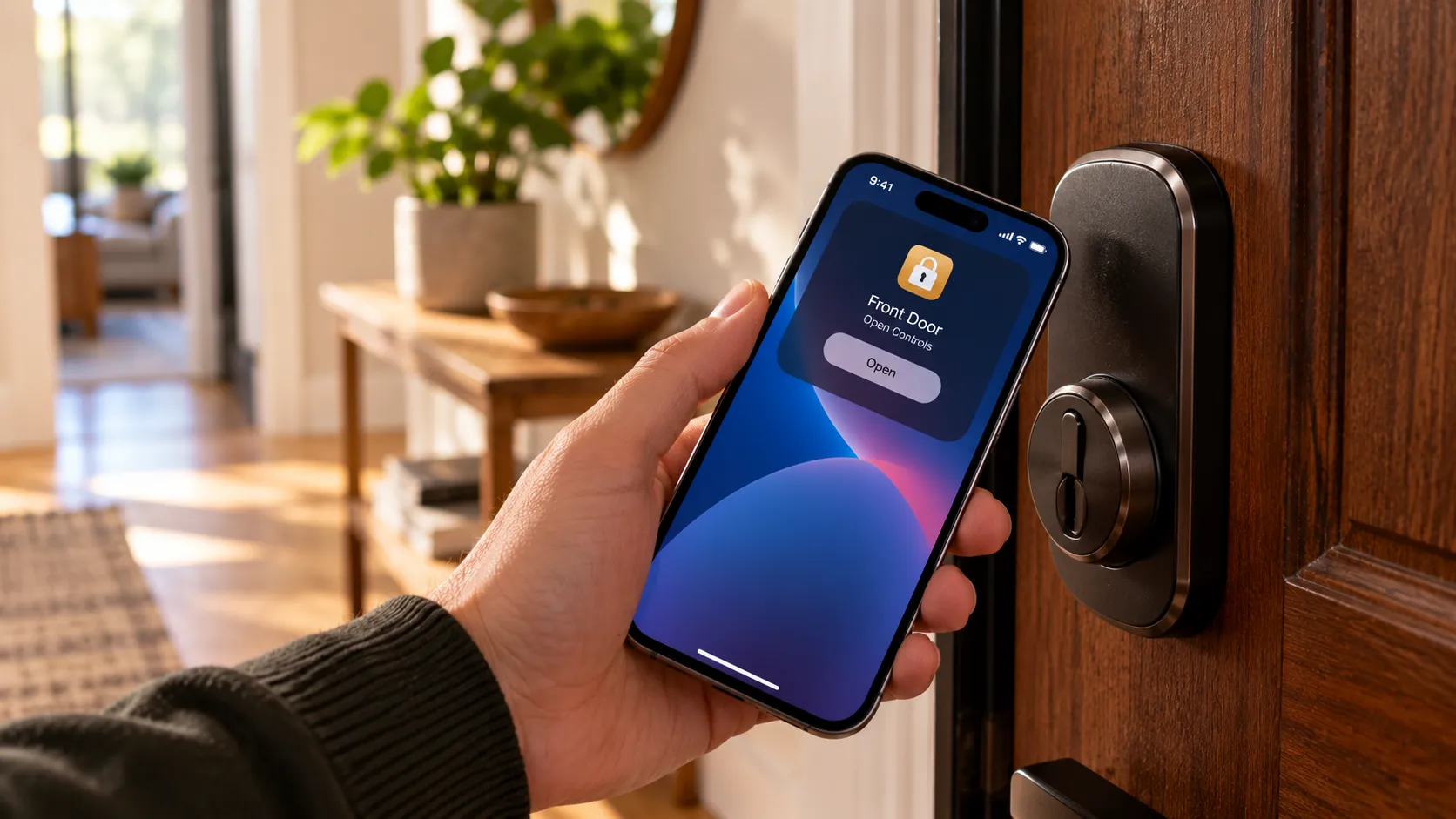
The broader implications extend well beyond just payments. As the banks noted in their arguments, mobile wallets are rapidly expanding beyond simple payment processing to include loyalty programs, transit ticketing, access control, identity verification, and numerous other innovations, according to Pinsent Masons. They argued that Apple has a clear intention to control the entire mobile wallet ecosystem, using its dominance in mobile payments as a foundation to exert control over these emerging digital wallet functions, as noted in the same report.
These ecosystem ambitions translate into concrete implications for everyday users. We're potentially looking at a future where your phone could replace not just your physical wallet, but your driver's license, building access cards, transit passes, and loyalty cards. The critical question becomes: who controls that comprehensive digital ecosystem?
The contrast between Australia's regulatory approach and Europe's more aggressive stance highlights how different jurisdictions are grappling with the same fundamental question: how much control should tech giants have over the essential infrastructure of digital commerce? While Australian banks may have lost this particular battle, the war over digital payment control is far from over, and the European precedent suggests that regulatory pressure can indeed force even Apple to open up its tightly controlled ecosystem.
What's particularly fascinating is how this dispute reveals the tension between different approaches to innovation and competition. Apple argues that its integrated approach provides better security and user experience, while banks contend that competition drives innovation. The reality is probably somewhere in between — but the ultimate winners and losers will likely be determined by regulators rather than market forces alone.










Comments
Be the first, drop a comment!