



Reviewed by: Y. Garcia
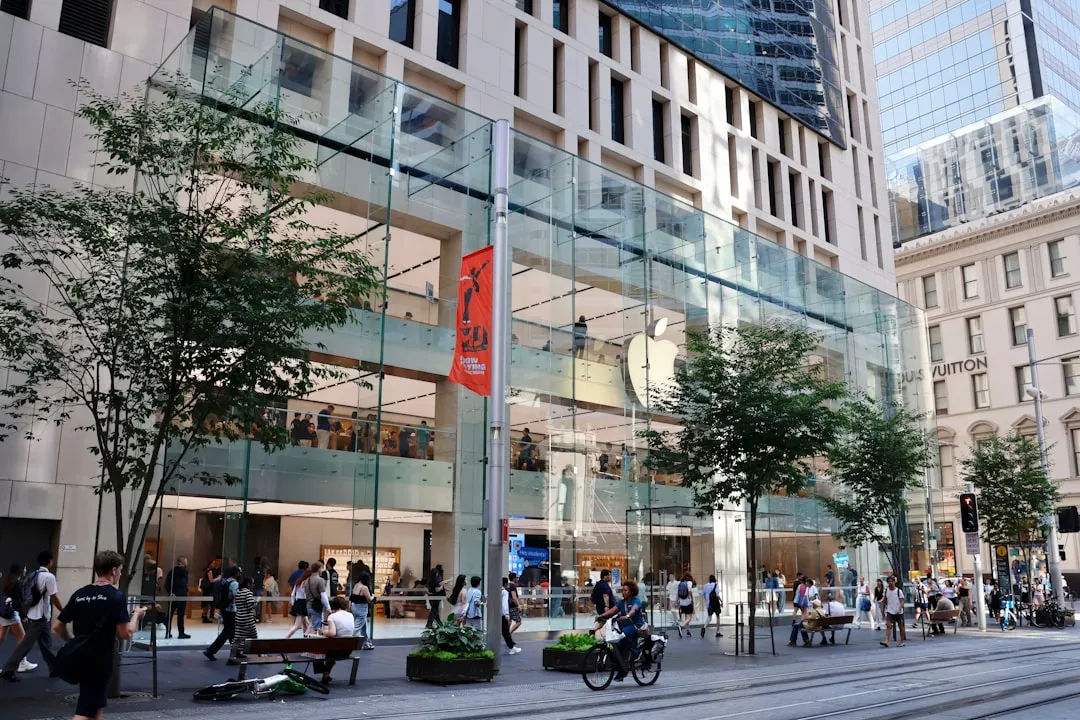
When one of the world's most recognizable tech stores announces it's shutting its doors, even temporarily, it tends to make headlines. That's exactly what's happening with Apple's iconic Regent Street store in London, which is closing next week for what the company calls "planned store improvements."
Now, before you start panicking about another permanent closure (we've seen plenty of those lately), this one's different. The temporary shutdown begins January 12, 2026, giving customers one last weekend to visit this historic location before the refurbishment begins. This distinction matters because we're talking about more than just another Apple Store — this is the company's first European retail location, a flagship that's welcomed over 60 million visitors since opening in 2004.
What's behind the temporary closure?
Here's what we know: Apple is calling this a planned refurbishment project, and honestly, it's about time. The store will close after business hours on Sunday, January 11, 2026, with the renovation work beginning the following day. The previous renovation, which replaced the famous glass staircase with an Italian stone design, demonstrated Apple's willingness to completely reimagine even successful spaces — a philosophy that likely drives this latest closure.
The timing makes sense when you consider how much Apple's retail philosophy has evolved over the years. The company has been continuously refining what it calls the "town square" concept, and flagship locations like Regent Street serve as testing grounds for new retail innovations. While Apple hasn't revealed specific details about what improvements they're planning, the fact that they're investing in renovations rather than relocating speaks volumes about their commitment to this prime London real estate.
What's particularly interesting is how this planned closure contrasts with the more reactive closures we've seen elsewhere. This feels strategic rather than forced — a proactive move to keep one of their most important stores at the cutting edge of retail design.
How this fits into Apple's broader retail changes
Let's break down the bigger picture here, because Apple's retail landscape has been shifting pretty dramatically lately. While Regent Street gets a temporary closure for improvements, other locations haven't been so fortunate. Apple Bristol permanently closed in August 2025 due to redevelopment plans at the Cabot Circus Shopping Centre, and that wasn't an isolated incident.
The company has also closed stores in markets such as Northbrook Court in Illinois and Partridge Creek in Michigan, often replacing them with newer, larger locations that better align with its current retail strategy. What's driving these changes? Sometimes it's landlord issues and redevelopment plans beyond Apple's control, but other times it's the company making calculated decisions about where to invest their retail energy.
The pattern that's emerging reveals Apple's increasingly selective approach to physical retail. They're doubling down on premium flagship locations while being more willing to walk away from underperforming or problematic sites — a strategy that prioritizes quality over quantity and makes perfect sense when online shopping continues to grow. The Regent Street renovation fits perfectly into this philosophy: when you've got a store that's served as your European flagship for over two decades, you don't just walk away — you invest in making it even better.
The significance of Regent Street in Apple's history
You can't really understand why Apple is investing in renovating this particular store without appreciating its historical significance. This wasn't just another retail opening back in 2004 — it was Apple's first major statement in the European market, a bold move that helped establish the company's global retail presence.
The numbers tell quite a story. The store has grown from 100 original employees to 512 staff members representing over 20 nationalities and speaking more than 30 languages. That's not just growth — that's transformation into a truly international operation that reflects London's diverse character. Even more impressive? More than a quarter of the original opening team remains with Apple, suggesting this location has become something of a career destination rather than just a job.
These impressive retention numbers reflect not just career satisfaction, but also how the store's design evolution has created a workplace that employees want to stay part of. The current design incorporates Apple's town square concept with a Forum for daily events, the Avenues for product exploration, and architectural elements that preserve the building's Grade II-listed exterior of Portland stone, Carrara marble, and hand-cut Venetian smalti glass tile facade while creating a thoroughly modern interior experience.
What strikes me most about this location is how it has evolved while maintaining its essential character. The "town square" concept works particularly well here, with the central grand hall filled with trees creating a genuinely inviting space that feels more like a community gathering place than a traditional retail store.
What this means for Apple customers and retail strategy
So what does this temporary closure really tell us about where Apple's retail strategy is heading? First, it reinforces the company's continued value in physical flagship locations, even as digital commerce continues to grow. When you're willing to temporarily shut down one of your most profitable stores for improvements, you're making a statement about long-term commitment.
This investment in renovation rather than relocation also reveals Apple's confidence that flagship stores can adapt to changing consumer behaviors rather than being replaced by them. The retail team has expanded by more than 500 percent over the past 12 years, and Apple now employs over 6,000 people in the UK alone, with Regent Street serving as a crucial hub for both retail operations and customer support.
But here's what I find most interesting: this renovation likely represents Apple's latest thinking about what retail spaces should accomplish. The company has learned a lot since the last major Regent Street renovation, and they've been experimenting with new concepts at other flagship locations worldwide. Whatever improvements they're planning probably incorporate enhanced service areas, new technology integrations, and design innovations that further blur the line between retail space and community gathering place.
From a customer perspective, this temporary inconvenience likely means a significantly enhanced experience when the store reopens. Apple doesn't do minor renovations — when they close a flagship store for improvements, they tend to emerge with something genuinely transformative that sets new standards for the retail experience.
Looking ahead: What's next for this flagship location?
The temporary closure of Apple Regent Street represents something we don't see very often in retail these days: a company so confident in a location's long-term potential that they're willing to invest heavily in its future rather than simply maintain the status quo.
Unlike the permanent closures we've seen driven by external factors like mall redevelopments or landlord disputes, this planned refurbishment signals Apple's belief that flagship locations like Regent Street will remain crucial to their retail strategy for years to come. The timing and scope of improvements will likely reflect everything Apple has learned from other recent store projects, potentially incorporating new service models, enhanced technology integration, or innovative design concepts that further establish these spaces as community destinations.
What's particularly telling is that Apple is making this investment at a time when many retailers are scaling back their physical presence. While others retreat to purely digital strategies, Apple is doubling down on the idea that premium physical locations, done right, offer irreplaceable value for both customer engagement and brand representation.
Based on the patterns we've seen from other recent Apple renovations, customers can likely expect enhanced Genius Bar facilities, expanded Today at Apple programming spaces, and possibly new interactive product demonstration areas when the store reopens. The renovated Regent Street will likely emerge as a showcase for Apple's latest retail innovations, serving as a template for future flagship locations and reinforcing the company's commitment to creating retail experiences that justify the investment in prime real estate. In an increasingly digital world, that's a pretty bold statement about the enduring power of thoughtfully designed physical spaces.














Comments
Be the first, drop a comment!