



Apple just shook up the entire AI landscape, and if you're an Android user, you might want to pay attention. The tech giant has officially announced that Google's Gemini AI will power the next generation of Siri, creating what could be the most significant voice assistant upgrade in years. This partnership represents a massive shift in strategy for Apple, which has confirmed a multi-year collaboration that will fundamentally change how iPhone users interact with their devices. The deal involves Apple paying Google approximately $1 billion annually for access to Gemini's advanced language models, with the total partnership value reaching up to $5 billion over its lifetime. What makes this particularly interesting is that Apple evaluated multiple AI providers, ultimately choosing Google's technology over OpenAI's ChatGPT.
Why Apple chose Google over everyone else
Let's break down what led to this decision. Apple didn't just randomly pick Google—this was a strategic move based on some compelling technical advantages. Gemini has overtaken ChatGPT in various benchmarks, particularly excelling in multimodal capabilities and reasoning tasks. Google is building a custom 1.2 trillion parameter Gemini model specifically for Apple, which represents a massive computational upgrade from Apple's current models.
The infrastructure advantages run deeper than just raw computing power. Google's infrastructure and enterprise-grade AI services provide Apple with scalability and reliability for billions of devices—critical when handling simultaneous voice queries from iPhone users worldwide. This means managing peak loads during busy periods, maintaining consistent response times across different geographic regions, and ensuring the system doesn't buckle under the pressure of Apple's massive user base. Apple isn't just buying software; they're tapping into Google's proven ability to handle enterprise-scale AI workloads that have been battle-tested across Google's own ecosystem.
Perhaps most critically for Apple's brand identity, Google's architecture allows for better integration with Apple's privacy-first approach. The technical implementation here is fascinating—the Gemini model will run on Apple's Private Cloud Compute servers rather than Google's infrastructure, creating what's essentially a privacy-compliant AI sandwich. This setup allows Apple to maintain complete data isolation while still accessing Google's most advanced language processing capabilities, potentially offering better privacy protection than standard cloud AI implementations found elsewhere.
What really sealed the deal was timing and competitive positioning. Apple initially promised an AI-powered Siri for the 2024 iOS 18 release but delayed it due to reliability issues. Meanwhile, Google launched Gemini 3 in November, which topped AI leaderboards, giving Apple access to proven, cutting-edge technology that could leapfrog years of internal development. Rather than playing catch-up for another 2-3 years, Apple chose the strategic path of leveraging the best available technology to regain competitive ground immediately.
What this means for Siri's transformation
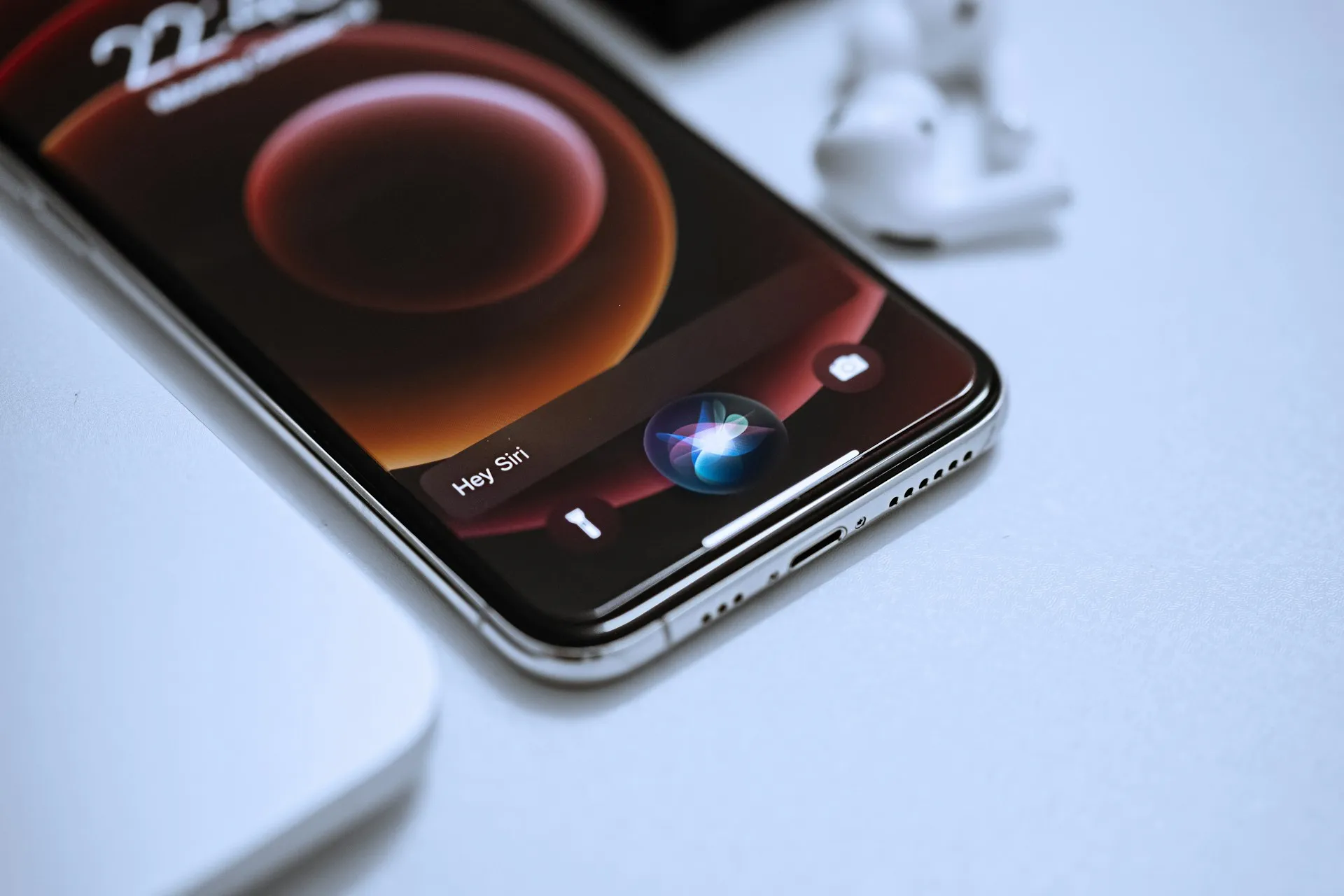
The new Siri won't just be a minor upgrade—we're talking about a complete reimagining of what Apple's voice assistant can do. Based on the partnership details, the updated Siri will include web search functionality, content creation, image generation, file analysis, natural conversations, and deep app integration. This represents a quantum leap from the current Siri experience that frankly has felt pretty stagnant for years.
Here's where the contextual intelligence gets really impressive: the new Siri will understand context from what's displayed on the user's screen, enabling more relevant responses. This isn't just about recognizing text on your screen—we're talking about understanding visual relationships, spatial information, and the intent behind what you're viewing. Imagine asking Siri about a restaurant while looking at a map, and having it understand not just your question but the visual context, nearby locations, your calendar availability, and even your dietary preferences from previous interactions.
The memory and continuity features represent another major advancement. The integration will allow Siri to retain knowledge of past conversations and offer proactive suggestions based on information from other apps on your device. Think of it as Siri developing both short-term conversational memory and long-term behavioral understanding, creating a truly personalized assistant that learns from your patterns rather than treating each interaction as isolated.
The rollout timeline reflects Apple's measured approach to quality. The release of iOS 26.4 in April 2026 will introduce Gemini-powered features, such as enhanced natural language understanding. The full transformation comes with iOS 27 in September 2026, when Siri will gain capabilities including conversational AI and document summarization tools. This phased rollout suggests Apple is prioritizing reliability and user experience over speed to market—a lesson learned from their earlier AI delays.
The Android ecosystem under pressure
Now here's where things get strategically concerning if you're an Android user. Google has been making significant investments in Gemini's user experience, and much of this innovation is flowing directly to Apple's ecosystem through this partnership. Google is making a major overhaul of the Gemini app experience, with company executives confirming what they're calling a "massive investment" in Gemini App UX 2.0.
The competitive dynamics create a potentially uncomfortable reality: Apple users might end up getting a more polished, integrated version of Google's AI than Android users themselves. The Gemini model will run on Apple's Private Cloud Compute servers to ensure user data remains isolated from Google's infrastructure, potentially offering better privacy protection than the standard Android implementation. When you combine this privacy architecture with Apple's legendary attention to user experience design and ecosystem integration, you've got the ingredients for a voice assistant that could actually surpass what's available on Pixel phones.
This creates a strategic paradox for Google's own Android ecosystem. Apple's decision to go with Google for AI technology solidifies Google's position as a leading LLM for mobile devices, providing massive market validation while simultaneously creating potential competitive pressure on Google's own mobile platform. Android users might find themselves in the ironic position of having access to a less refined version of Google's own technology, while iPhone users enjoy a premium implementation optimized by Apple's design teams.
The implications for Android manufacturers like Samsung are particularly challenging. They're already competing with Google's Pixel phones within the Android ecosystem, and now they have to contend with iPhones potentially offering superior Google AI experiences. This could force difficult strategic decisions about whether to develop their own AI capabilities, partner with alternative providers, or accept a market position where their flagship devices offer inferior AI experiences compared to both Pixel and iPhone options.
What happens to the competition?
This partnership creates seismic shifts throughout the entire AI ecosystem, with clear winners and losers emerging. The Apple-Google tie-up is almost certainly bad news for OpenAI, as it consolidates Google's position as having the best AI models in the market while potentially reducing OpenAI's access to one of the most valuable distribution channels in consumer technology.
The competitive implications extend far beyond just OpenAI. Google's aggressive push into Gemini aesthetics creates significant pressure across the tech industry, posing a formidable challenge for companies like Microsoft, Amazon, and Meta Platforms. The competition to develop equally sophisticated or superior generative UI capabilities will likely intensify, leading to what industry analysts are calling an AI-powered design tools arms race.
For companies like Microsoft, this partnership represents a wake-up call about the strategic importance of mobile AI distribution. While Microsoft has strong enterprise AI positioning with Copilot, losing ground in consumer mobile AI could have long-term implications for their overall AI strategy. Amazon's Alexa faces renewed pressure to demonstrate compelling mobile integration capabilities, while Meta will need to accelerate AI integration across their social platforms to maintain relevance in the shifting landscape.
The broader market impact involves more than just technology capabilities. Market positioning will increasingly depend on a company's ability to leverage generative AI for creating intuitive, efficient, and highly customized user experiences. Companies without access to cutting-edge AI models or the infrastructure to deploy them at scale may find themselves relegated to secondary market positions, unable to compete on the kind of intelligent, contextual user experiences that are becoming table stakes in consumer technology.
The bigger picture: where mobile AI is heading
This partnership signals something much larger than just a voice assistant upgrade. We're witnessing the emergence of a new competitive battleground where success depends not just on having powerful AI, but on creating AI that can design and build interfaces as effectively as human designers. Google's Gemini 3 introduces what they call "generative interfaces", allowing the AI model to make autonomous decisions about what type of output best fits each user prompt.
The transformation reaches far beyond consumer applications. Traditional UI/UX design agencies and in-house design teams may need to rapidly evolve, shifting from manual design processes to prompt engineering and AI-guided design refinement. We're moving into an era where AI acts as a co-designer, creating bespoke applications and interfaces based on simple user prompts. This could fundamentally alter creative industries, requiring new skill sets around AI collaboration and prompt optimization rather than traditional design workflows.
The timeline implications are significant for industry planning and investment strategies. Initial reactions from the AI research community and industry experts have been overwhelmingly positive, with many calling it a "third user-interface paradigm" in computing history. This suggests we're not just seeing incremental improvement but a fundamental shift comparable to the introduction of graphical user interfaces or touch-screen interaction models.
For consumers, this transformation means the devices in our pockets are about to become dramatically more capable and intuitive. But it also raises important questions about market concentration and competitive dynamics. The partnership between Apple and Google represents a consolidation of power in the AI space, where the companies with the best models and the best user experience design are joining forces. While this creates exciting possibilities for user experiences, it also concentrates significant technological and market power in the hands of fewer companies.
The bottom line? We're entering a new phase of mobile computing where your choice of ecosystem will determine not just your apps and services, but the fundamental intelligence and capabilities of your device. Android users might want to keep a close eye on how this partnership unfolds—because the competition just got a lot more interesting, and the playing field has shifted in ways that could reshape the entire mobile technology landscape for years to come.





Comments
Be the first, drop a comment!