



If you own any Apple device with Siri, there's a good chance you could be sitting on some cash you didn't even know was coming your way. Apple has agreed to pay a massive $95 million settlement to resolve claims that its voice assistant was secretly recording private conversations and sharing them with third parties without your consent. This isn't just another corporate settlement that quietly disappears—it's a significant resolution to privacy violations that could affect tens of millions of users, with real money heading to actual consumers.
U.S. District Judge Jeffrey S. White granted final approval of the $95 million settlement in the Lopez v. Apple Inc. case, bringing closure to a lawsuit that began in 2019. What makes this settlement particularly significant is its scope—covering a full decade of Siri-enabled devices and potentially affecting the privacy rights of iPhone users nationwide.
Now here's what you need to know about this settlement and whether you can claim your piece of the pie.
What exactly did Apple allegedly do wrong?
The heart of this lawsuit strikes at one of our most fundamental expectations about technology: that our devices only listen when we want them to. But according to the legal claims, Apple's Siri had some serious boundary issues that went far beyond occasional glitches.
The lawsuit claims that Apple routinely recorded private conversations after users unintentionally activated Siri, violating their privacy in ways they never consented to. But the allegations get more troubling from there—these recordings weren't just sitting in some digital vault, they were allegedly being actively shared with advertisers for targeted marketing purposes.
The specific examples mentioned in court documents paint an unsettling picture of how this played out in real life. Specific incidents mentioned in the suit include users seeing ads for brands like Air Jordan and Olive Garden after discussing them out loud near their Apple devices. This wasn't coincidental advertising—according to the lawsuit, it was the direct result of Siri capturing and sharing private conversations about these brands.
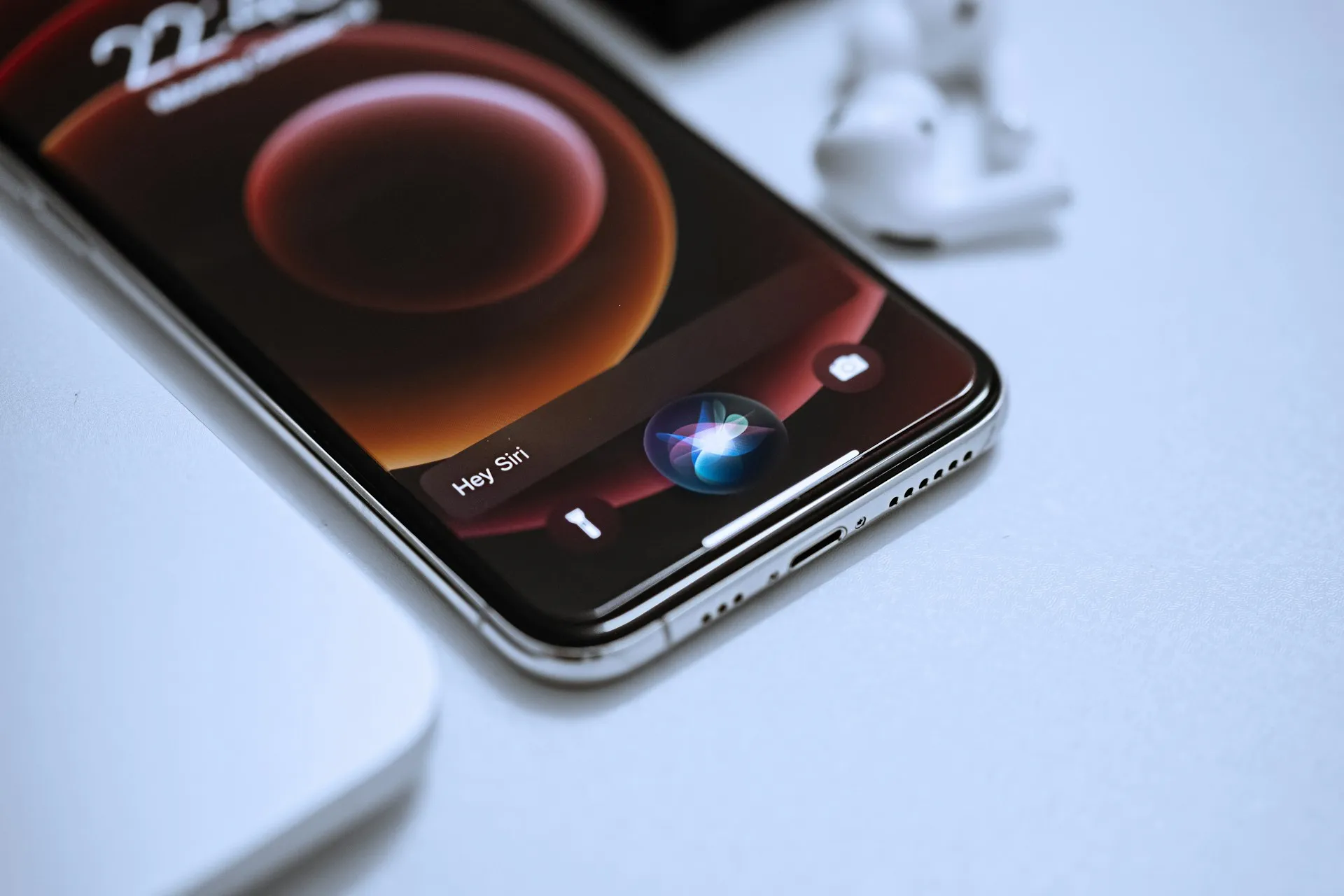
The technical failure at the center of this controversy involves what should have been a straightforward feature. Apple issued a September 2014 software update that was supposed to activate the virtual assistant only with the triggering words "Hey, Siri," but the lawsuit alleged Siri was listening and recording conversations at other times, ostensibly to help improve the company's technology.
The scale of human review happening behind the scenes was perhaps the most concerning aspect. A whistleblower inside Apple estimated up to 1,000 recordings a day were being reviewed per reviewer, with human contractors analyzing these recordings without clear user consent. In 2019, a whistleblower revealed that Apple employed human reviewers to analyze Siri recordings, including those inadvertently triggered by background noise or mistaken voice commands.
This massive data collection operation represents a fundamental breach of trust for a company that has built much of its brand reputation around privacy protection.
How much money can you actually get?
Let's talk numbers, because while $95 million sounds impressive in headlines, understanding what individual users might receive requires digging into the settlement structure and realistic expectations.
The payout framework is relatively straightforward. Class members who submit valid claims can receive up to $20 per Siri device, with some important limitations on the total you can claim. Each individual can only claim payments for up to five devices, meaning the maximum possible payment you could receive from the settlement is $100.
However, there's a crucial variable that could affect your actual payout. The amount "will increase or decrease pro rata depending on the total number of valid claims submitted, and Siri Devices claimed," according to court documents. This means if significantly more people file claims than expected, individual payouts could be lower than that $20 maximum—or potentially higher if fewer people participate.
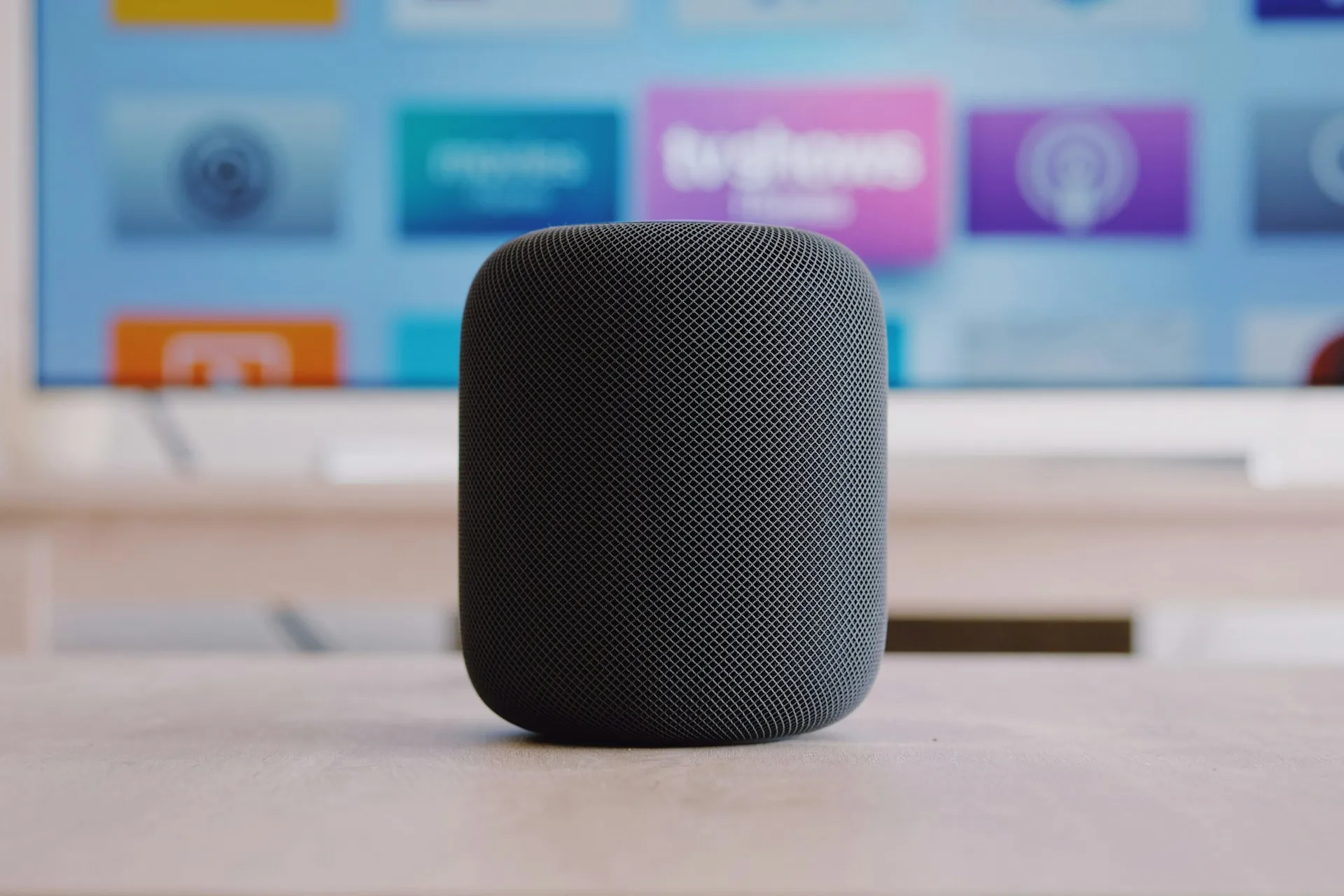
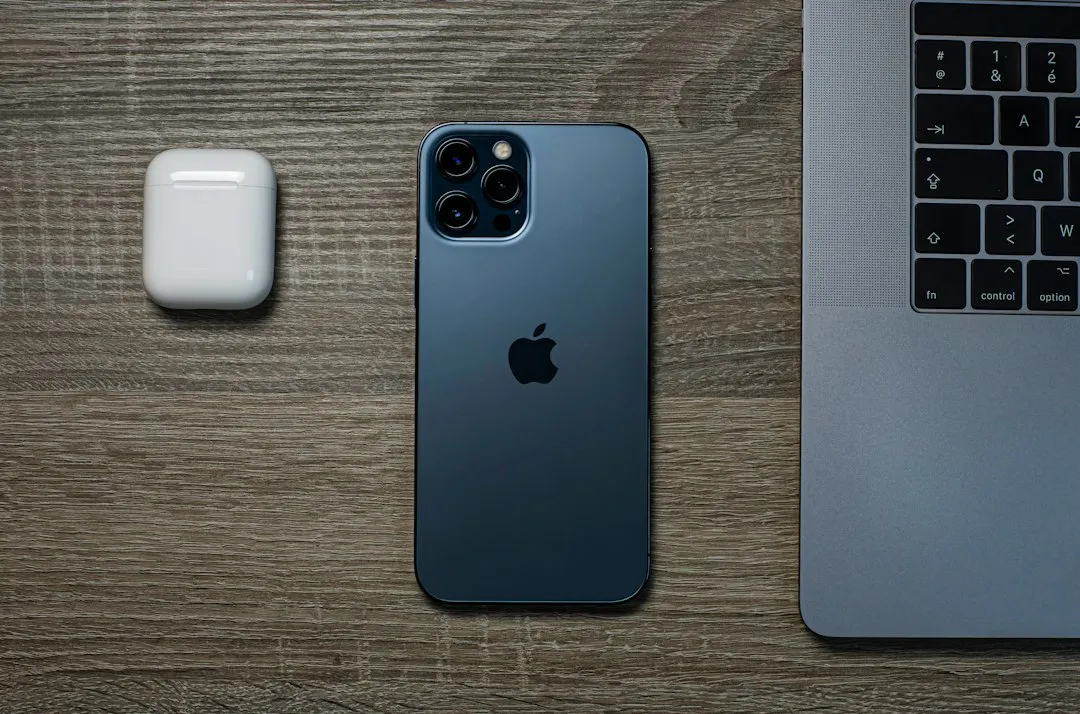
The eligible device list encompasses virtually the entire Apple ecosystem that consumers actually use. Siri-enabled devices include iPhones, iPads, Apple Watches, MacBooks, iMacs, Apple TV streaming boxes, HomePod speakers and iPod Touches. Given that there were roughly 155 million active iPhones in the US as of 2024, the potential claimant pool is absolutely massive, which could impact individual payout amounts.
To put this in practical terms: if you've owned multiple Apple devices over the past decade—which covers most Apple users—you could easily qualify for meaningful compensation, even if the final amount per device ends up being less than the theoretical maximum.
Who's eligible and how do you claim your money?
The eligibility criteria are designed to be comprehensive, reflecting the widespread nature of the alleged privacy violations across Apple's user base over the past decade.
The eligibility requirements for this settlement are fairly broad, as it's open to anyone who owned a Siri-enabled Apple device between Sept. 17, 2014, and Dec. 31, 2024. This ten-year window means that even if you've since upgraded your devices, switched to different platforms, or given away your old Apple products, you may still qualify for compensation based on your previous ownership.
But device ownership alone isn't sufficient—there's a specific privacy violation requirement you'll need to meet. Claimants must declare that they purchased or owned a Siri device in the U.S., experienced unintended activation, and that it occurred during a conversation intended to be private. This means you'll need to swear under oath that you actually experienced the specific privacy violations described in the lawsuit.
For most Apple device users, this requirement shouldn't be difficult to meet honestly. If you've owned a Siri-enabled device for any significant period, you've likely experienced those moments where Siri unexpectedly activates during conversations, or when simple movements trigger your Apple Watch to start listening.
The claims process requires specific attestations about your experience. It will require that claimants confirm under oath that they "purchased or owned a Siri Device in the United States or its territories, and enabled Siri on that device". You'll also need to confirm that you experienced unintended Siri activations during conversations you intended to keep private.
Time is a critical factor in this process. The deadline for claim submission is July 2, 2025, and the final approval hearing is scheduled for August 1, 2025. Don't wait until the deadline approaches—gathering information about your device ownership history may take some time.
What this means for the future of voice assistant privacy
This settlement represents far more than a financial transaction—it's a watershed moment that could reshape how tech companies handle voice data and approach user consent in the AI era.
Apple has already implemented substantial changes to its Siri operations in direct response to this controversy, showing how legal pressure can drive meaningful privacy improvements. Apple initially responded by suspending the human review program and implementing a new policy that requires users to opt in to having their Siri recordings reviewed. This represents a fundamental shift from the previous approach where users were automatically enrolled in data sharing programs.
In the wake of the 2019 investigation and lawsuit, Apple changed its policy for Siri quality control testing, making it opt-in by default and sharing minimal anonymized Siri data only with Apple employees. These changes mean that current Siri users have much more control over their data than those covered by the class action period.
The implications extend well beyond Apple's ecosystem. Regulators may push for stronger laws governing voice assistants and AI-powered data collection, potentially including mandatory opt-ins, clear disclosures, and tighter security measures. This regulatory momentum could create industry-wide standards for voice assistant privacy, affecting everything from Amazon's Alexa to Google Assistant.
Consumer expectations are also evolving in response to increased awareness about data collection practices. Consumers are becoming increasingly aware of how their data is used, and this settlement could lead to higher demand for privacy-first features, such as on-device processing and reduced data retention periods. This growing privacy consciousness is driving innovation in privacy-preserving technologies across the entire voice assistant industry.
The fact that Apple—a company that has made privacy a core brand differentiator—agreed to pay $95 million suggests that the evidence of privacy violations was compelling enough to warrant significant financial consequences, even for a privacy-focused company.
What's next: claiming your settlement and moving forward
This Apple Siri settlement marks a pivotal moment in digital privacy litigation, establishing important precedents for how tech companies must handle intimate user data while providing concrete benefits for affected consumers.
Let's put the financial significance in perspective. The $95 million is about nine hours of profit for Apple, whose net income was $93.74 billion in its latest fiscal year. While this may not represent a major financial hardship for Apple, the precedent it sets for privacy accountability is invaluable for future litigation and regulatory action.
For eligible users, the immediate path forward is clear: file your claim before the July 2025 deadline and prepare for final court approval in August. The claims process should be straightforward—you'll need to document your device ownership and confirm that you experienced unintended Siri activations during private conversations.
Beyond the monetary compensation, Apple has committed to ongoing privacy protections as part of this settlement. Apple has agreed to take a number of other steps, including giving users the option to permanently delete recordings of their Siri conversations, providing lasting privacy controls that extend well beyond the financial settlement.
The broader victory here lies in the recognition that our private conversations deserve robust protection, even as AI assistants become increasingly sophisticated and integrated into our daily lives. This settlement serves as a crucial reminder that technological convenience should never come at the expense of fundamental privacy rights, and that companies can be held accountable when they cross those boundaries.
If you're eligible, definitely pursue your claim—it's both compensation you deserve and participation in a broader movement toward privacy accountability. But equally important, use this moment to review your privacy settings across all your devices and stay informed about how your data is being collected and used. The future of voice assistants will likely be more privacy-conscious thanks to cases like this one, but it remains up to us as users to stay vigilant and make conscious choices about our digital privacy.





Comments
Be the first, drop a comment!