



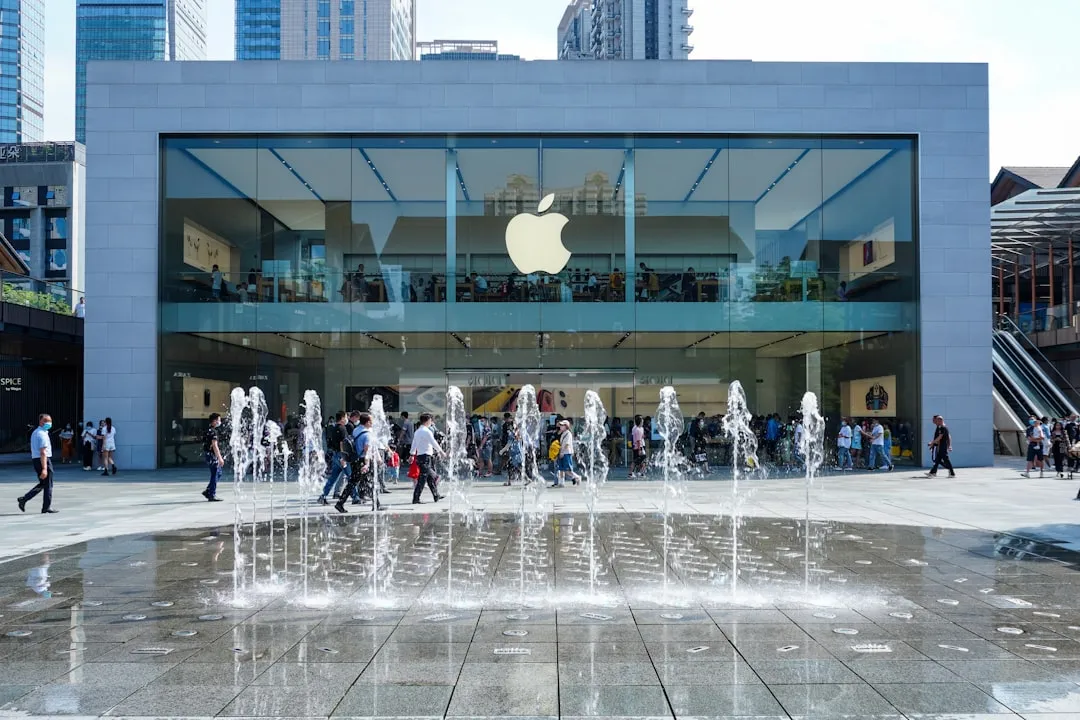
When China's regulatory machine sets its sights on a global tech giant, things tend to move quickly. Apple just learned this lesson the hard way—or perhaps the smart way, depending on how you look at it. The iPhone maker's decision to slash App Store fees in China isn't just another business adjustment; it's a masterclass in strategic retreat that reveals just how much the power balance has shifted between tech platforms and the governments that host them.
Let's break down what actually happened here. Apple announced it's cutting its standard commission rates from the traditional 30% down to 25% for developers in mainland China, according to The Verge. The changes take effect March 15th and apply to both iOS and iPadOS platforms. For smaller developers participating in Apple's Small Business Program and Mini Apps Partner Program, the cuts are even more substantial—dropping from 15% to 12%, as reported by TechNode.
But here's the key detail that tells you everything you need to know about why this happened: Apple explicitly stated these adjustments came "following discussions with the Chinese regulator," according to MacRumors. That's corporate speak for "we got the message loud and clear"—a message that carries implications far beyond China's borders as other regulators watch this playbook unfold.
The timing alone speaks volumes. When you're making major business concessions right before World Consumer Rights Day—a time when Chinese state media traditionally highlight consumer protection issues and name companies that have ignored consumer needs, according to Mobile Marketing Reads—you know this wasn't exactly voluntary. Apple clearly wanted to get ahead of any potential negative coverage by positioning itself as responsive to both consumer and developer concerns.
Why China's regulatory pressure finally worked
The fee reduction didn't happen in a vacuum—it's the direct result of mounting regulatory scrutiny that has Apple clearly concerned about its Chinese operations. China's antitrust watchdog, the State Administration for Market Regulation, has been examining Apple's App Store policies and fees for months, according to TradingView.
What makes this pressure campaign particularly fascinating is its strategic sophistication. Reports from last year revealed that officials had been holding discussions with Apple executives and app developers since 2024 regarding the controversial "Apple tax," as noted by TradingView. This wasn't a sudden regulatory whim—it was a sustained, multi-stakeholder approach that gave Apple time to understand the inevitable outcome while building consensus among local developers.
The effectiveness of this approach became crystal clear when reports emerged in February suggesting Chinese regulators were considering a formal investigation into Apple's App Store fees and policies. Apple's share price dropped by around five percent, according to The Register. When mere rumors of regulatory action can wipe billions off a company's valuation, you know the market takes these threats seriously—and so does Apple's board.
This isn't Apple's first accommodation to Chinese authorities either. The company has repeatedly adjusted its policies to maintain access to a market that generates an estimated 17% of Apple's total revenue, as reported by The Verge. What makes China's approach particularly shrewd is how they've leveraged this market dependency without needing the formal legislative battles that characterized regulatory efforts in other regions.
Unlike the EU, which used formal legislation, or the US, which relied on court battles, China achieved significant concessions through sustained regulatory dialogue backed by the implicit threat of market access restrictions. It's a masterclass in economic diplomacy—making it clear that continued access to China's massive mobile ecosystem depends on playing by China's evolving rules, while giving companies enough runway to adjust their business models gracefully.
The massive financial impact for developers and Apple
The numbers behind this decision are absolutely staggering. According to estimates from state-owned Economic Daily, the commission reduction could save Chinese developers more than 6 billion yuan (approximately $873 million) in operating costs annually, as reported by TradingView. That's not pocket change—that's a fundamental shift in how much money flows from developers to Apple in one of the world's largest mobile markets.
For context, that $873 million represents money that was previously going straight into Apple's services revenue—one of the company's fastest-growing and most profitable segments. What's fascinating is that Apple is essentially taking this massive revenue hit to avoid what could have been an even more damaging regulatory confrontation. It's a calculated trade-off that prioritizes long-term market access over short-term profit maximization.
Major Chinese tech companies are already celebrating the changes, and for good reason. The move is particularly beneficial for operators of "super apps" like Tencent and ByteDance, which host extensive networks of mini apps within their broader platforms, according to TradingView. These platforms represent a unique aspect of China's mobile economy, where lightweight apps embedded inside larger ecosystems have become significant revenue drivers.
NetEase specifically praised the decision, saying it has "long-term constructive significance for the overall prosperity of China's mobile app ecosystem," as reported by SCMP. When major players in China's tech ecosystem are publicly applauding your regulatory compliance, you know you've made the right strategic choice—even if it costs you hundreds of millions in revenue.
The timing strategy here is also worth noting. Apple made sure developers wouldn't need to sign new terms to benefit from these rate changes, as noted by MacRumors. That's Apple trying to make this transition as smooth as possible—probably hoping to minimize any additional scrutiny or administrative burden that might draw more regulatory attention or create friction with developers who were already skeptical of App Store policies.
How this fits into Apple's global regulatory challenges
China's success in pressuring Apple reveals just how vulnerable the company's App Store model has become to coordinated regulatory intervention worldwide. The European Union introduced legislation in 2024 that forced Apple to lower commissions to between 10% and 17% for developers, according to TradingView. In Japan, Apple recently reduced commissions to 21% on some third-party in-app payments due to regulatory pressure, as noted by MacRumors.
Even in the United States, where Apple has historically had more regulatory breathing room, the company now allows apps to direct users to alternative payment methods for in-app transactions, according to TradingView. The pattern is unmistakable: regulators worldwide are successfully chipping away at Apple's historically rigid App Store policies through different but increasingly effective approaches.
What makes China's victory particularly noteworthy is that it achieved significant concessions through regulatory pressure rather than formal legislative mandates. Legal expert You Yunting from Shanghai-based DeBund Law Offices noted that by trimming the fees, Apple is effectively offering an olive branch to Chinese policymakers as they step up oversight of foreign tech firms, according to Morningstar.
However, even with these reductions, China remains one of Apple's most expensive jurisdictions for both developers and consumers. The fees are still higher than in other markets where regulators have forced more drastic changes, as reported by Morningstar. This suggests Apple is walking a tightrope—trying to find the minimum reduction that satisfies regulators without completely undermining its business model, while each regional regulator learns from the others' successes.
What this means for Apple's future in China
This fee reduction represents more than just a financial concession—it's a strategic retreat that establishes important precedents for how Apple must navigate China's increasingly assertive regulatory environment. The company's statement that it remains "committed to terms that remain fair and transparent to all developers, and to always offering competitive App Store rates to developers distributing apps in China that are no higher than overall rates in other markets," according to MacRumors suggests Apple is trying to frame this as a competitive move rather than regulatory capitulation.
But the reality is more complex. China's regulatory environment continues to tighten around foreign tech companies, and Apple has already had to make significant accommodations beyond just commission rates. The company has previously removed certain categories of apps from its Chinese App Store, including VPN services, following requests from internet regulators, as noted by Mobile Marketing Reads. Each concession creates precedent for future requests and demonstrates Apple's willingness to prioritize market access over ideological consistency.
Industry analysts note that further regulatory discussions could affect other aspects of Apple's operations in China, including how App Store revenues are processed and how foreign applications are distributed within the country's tightly controlled internet ecosystem, according to Mobile Marketing Reads. The fee reduction might be just the opening move in a broader series of accommodations Apple will need to make as China's tech regulatory framework continues evolving.
What's particularly telling is that this sets a proven playbook for how China can extract concessions from foreign tech companies. The approach—sustained regulatory pressure backed by the implicit threat of market access restrictions—proved remarkably effective without requiring the political capital or international controversy that formal investigations might have generated.
The broader implications for platform economics
Apple's concession in China signals a fundamental shift in the power dynamics between global tech platforms and national regulators. The commission changes scheduled for March 15 represent one of the most significant adjustments to Apple's App Store fee structure in China in recent years, according to Mobile Marketing Reads.
This move demonstrates that even Apple—with its massive market power, loyal user base, and historically uncompromising approach to App Store policies—must bend to regulatory pressure when faced with the potential loss of access to critical markets. The implications extend far beyond just commission rates, touching on fundamental questions about platform sovereignty and the limits of corporate power in an increasingly multipolar world.
The fact that major Chinese gaming companies like Tencent and NetEase immediately praised the decision, as reported by SCMP, suggests this was exactly the kind of regulatory relief these companies had been seeking—and likely advocating for in their own discussions with regulators. It reveals how China's approach incorporated local industry input to build consensus before applying pressure, making Apple's resistance more difficult and its eventual capitulation more complete.
What's fascinating is how different regulatory approaches have achieved varying degrees of success across different timeframes. The EU used formal legislation to force changes over multiple years, the US relied on court battles and antitrust pressure with mixed results, and China used sustained regulatory discussions backed by market access concerns to achieve rapid results. China's approach appears to have been the most efficient, achieving significant concessions without the need for lengthy legal battles or formal investigations that might have created international complications.
Bottom line: Apple's fee reduction in China isn't just about cutting costs for developers—it's a clear signal that the era of unquestioned platform dominance is ending, replaced by a new reality where governments have figured out how to extract meaningful concessions from even the most powerful tech companies. As regulators worldwide continue to scrutinize the "Apple tax," we can expect to see more strategic retreats like this one. For developers, it's great news. For Apple's services revenue, it's a concerning precedent that other markets will surely be watching closely. The question now isn't whether other regulators will follow China's playbook, but how quickly they'll move to extract their own concessions from the Cupertino giant.

















Comments
Be the first, drop a comment!