




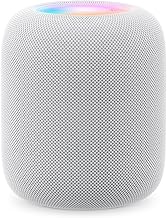
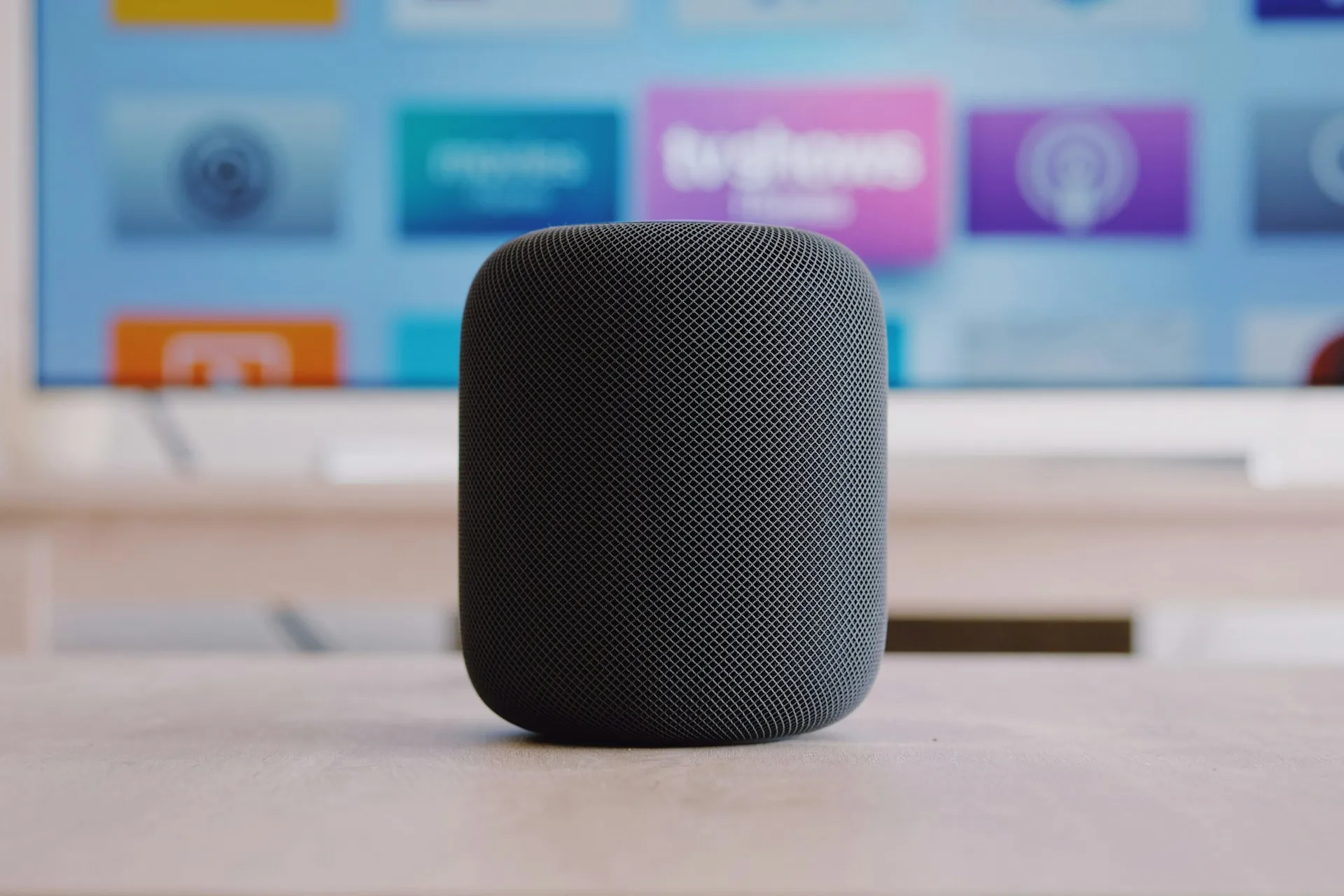
Code buried in audioOS 27 beta 8 points to a four-HomePod surround sound system and a new listening mode Apple calls "Party Mode."
Neither exists in any shipping HomePod configuration today, and both show up only as beta code, not as released features, MacRumors reported after reviewing the discovery on September 4.
If you own HomePods right now, nothing about your setup changes because of this.
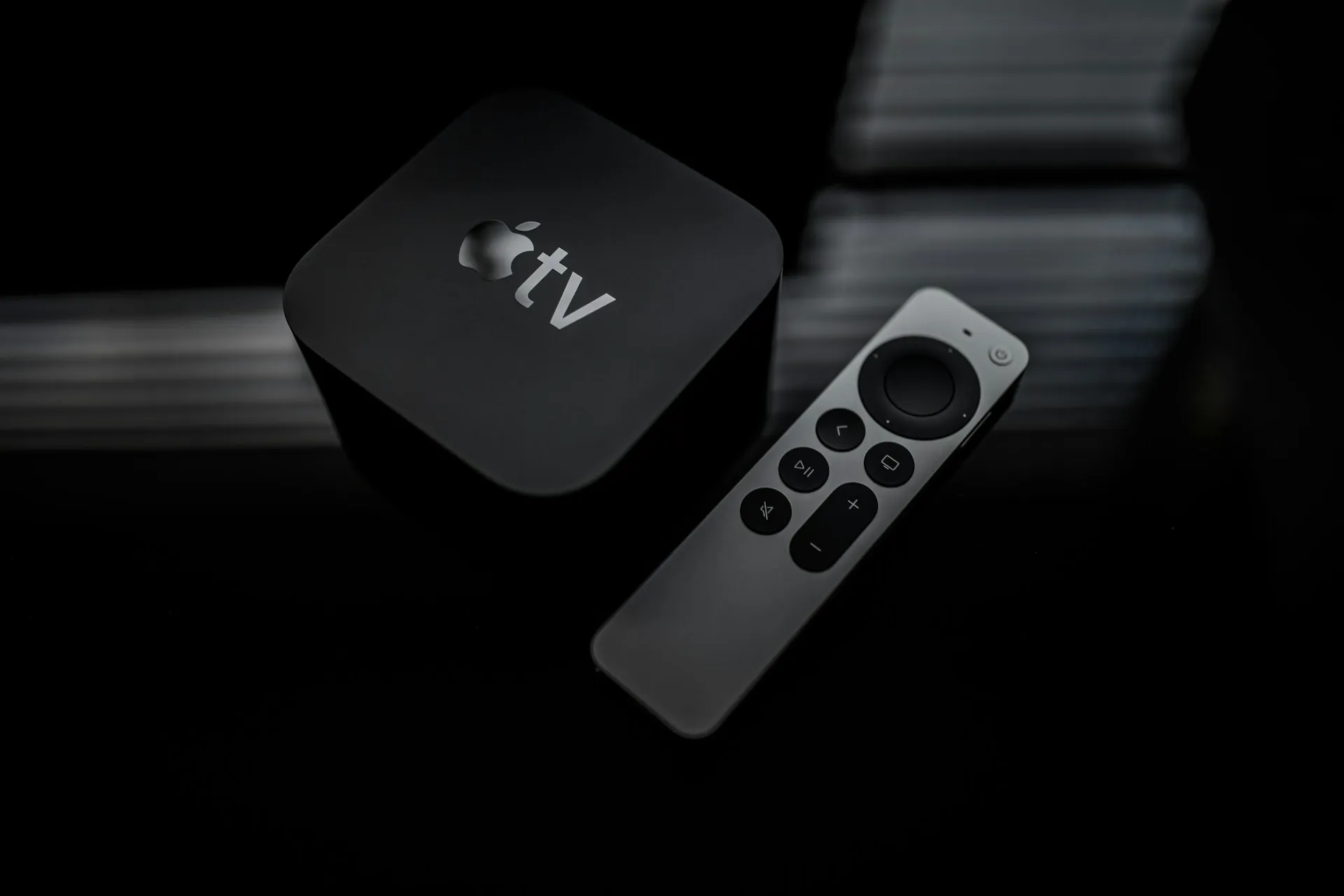
The references were spotted by MacRumors forum member pdfu in beta 8 for the second-generation HomePod. Apple's official home theater setup currently tops out at one HomePod, one HomePod mini, or a same-model stereo pair paired with an Apple TV 4K. There's no supported four-speaker configuration in the Home app right now, according to Apple's support documentation.
The distinction matters: the code shows Apple testing more ambitious HomePod configurations, but it does not establish that either feature will ship.
How would a four-HomePod surround sound system work?
Tuning files in the beta reference front-left, front-right, rear-left, and rear-right speaker positions, pointing to a genuine four-channel arrangement rather than just a beefed-up stereo pair. The code also references automatic room calibration, speaker-position mapping, timing adjustments, bass management, EQ, dialogue enhancement, and different processing depending on whether you're watching a movie or listening to music.
For plain stereo content, the code suggests two possible playback behaviors: spreading the mix across all four speakers or keeping it confined to the front pair the way a stereo setup works today. That's evidence of two distinct behaviors in the code, not confirmation that Apple plans to expose a switch for users to flip between them.
The files point to more than one hardware configuration. One uses four second-generation HomePods, while another combines two second-generation HomePods with two speakers carrying an unidentified hardware family that doesn't match any existing HomePod model. That could point to future HomePod hardware, but the code does not identify what those speakers are.
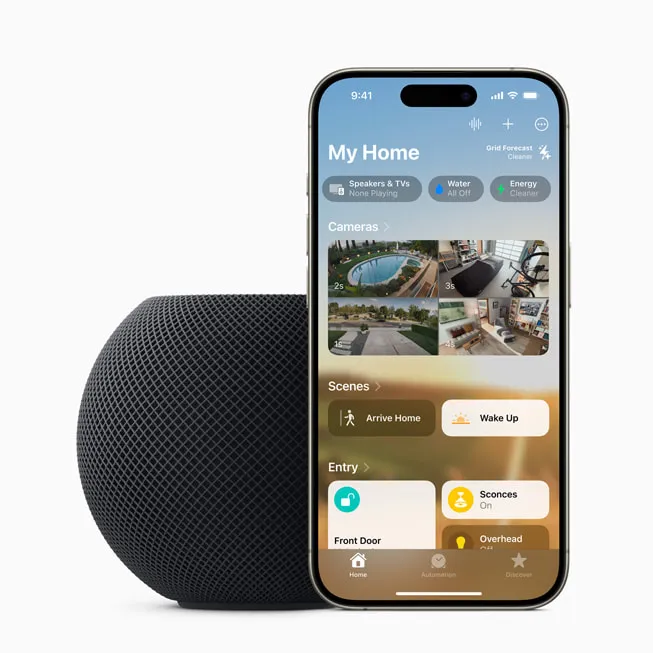
None of this is coming out of nowhere. HomePod already uses room-sensing technology that detects sound reflections off nearby walls and adjusts playback in real time depending on whether the speaker is against a wall or freestanding, Apple said when it introduced the current HomePod in 2023.
The four-speaker system appears to extend that same basic sensing approach across a larger room and more speakers, with additional calibration for their relative positions.
What is HomePod Party Mode?
Party Mode is separate from the four-speaker surround system and is designed for a setup far more people already own: a stereo pair of second-generation HomePods.
Rather than optimizing sound for one ideal listening position, Party Mode uses a more diffuse sound field designed to spread audio more evenly around a room. Siri responses and system sounds also receive the wider treatment in the tuning files.
That's a different problem from the surround setup. HomePod already supports multiroom AirPlay, letting separate speakers in different rooms play the same song, play different songs, or act as an intercom.
Party Mode instead appears focused on distributing sound more evenly within a single room using the same two speakers already configured as a stereo pair, not on connecting speakers across the house.
Because it uses a stereo pair rather than a four-unit array, Party Mode could theoretically reach existing second-generation HomePod stereo-pair owners without requiring more speakers. There is no visible toggle, setting, or setup screen for it in the current beta, though. It's a reference in software code, not a feature users can enable today.
Four-HomePod surround sound setup: hardware compatibility and what's unconfirmed
The tuning references apply specifically to the second-generation HomePod. That leaves an open question for HomePod mini owners.
Apple's current documentation already excludes HomePod mini from Dolby Atmos, Dolby Digital 5.1, and Dolby Digital 7.1 surround formats in Apple TV home theater mode. Nothing in the beta code changes that.
The newly discovered mixed configuration also shows why current hardware assumptions are premature. Apple has tested one setup using four second-generation HomePods and another using two second-generation HomePods alongside two unidentified speakers. There is no evidence yet that HomePod mini would serve as the rear speakers in that second configuration.
The setup process Apple documents today is also much simpler than anything a four-speaker system would require. To use home theater audio now, assign a HomePod, HomePod mini, or same-model stereo pair to the same Home app room as an Apple TV 4K, then accept the prompt to use them as TV speakers or select them manually through Apple TV's Audio Output settings or the Home app's Default Audio Output menu.
Other AirPlay-compatible speakers aren't supported for HomePod home theater audio. No new Home app interface for positioning four speakers around a room has surfaced.
Several practical questions therefore remain open:
Whether four-speaker surround would apply only to Apple TV video playback or extend to music and AirPlay streaming
Whether Apple would support only four matching second-generation HomePods or also mixed configurations using future hardware
Whether the four-current-HomePod configuration could arrive through software alone
Whether Apple intends to require unreleased HomePod hardware for some versions of the system
When might these audioOS 27 HomePod features arrive?
The beta code establishes that Apple is testing the capabilities, not that either has been approved for release.
There is no release version, supported-device list, rollout date, or public setup interface attached to either four-speaker surround or Party Mode. Apple has not announced either feature.
The references also appear to be new to this beta, which suggests active development, but new code alone can't establish a launch window.
The unidentified speaker hardware in one of the four-speaker configurations adds another uncertainty. Apple could ship support for four current second-generation HomePods, tie some configurations to future HomePod hardware, release only part of the work, or abandon the feature before launch.
What HomePod owners should do now
The practical ceiling for HomePod hasn't moved. Home theater audio still supports one HomePod, one HomePod mini, or a same-model stereo pair working with an Apple TV 4K.
Buying a third or fourth HomePod specifically for surround sound doesn't make sense yet. There's no confirmed release date, no Home app support for a four-speaker layout, and no guarantee that the final system, if it ships, will rely exclusively on hardware Apple sells today.
That caution is especially important because the beta includes both a four-second-generation-HomePod configuration and a mixed setup involving unidentified speaker hardware.
For existing second-generation HomePod stereo-pair owners, Party Mode requires no obvious additional hardware based on the current code, but there is no setting to enable yet.
Until Apple documents either feature in audioOS release notes, the Home app, or HomePod support material, both remain features under testing rather than capabilities to plan a purchase around.

Comments
Be the first, drop a comment!