



Nineteen years. That's how long Apple has maintained its grip on the top spot of Fortune's World's Most Admired Companies list—a streak that's nothing short of remarkable in today's rapidly shifting tech landscape. For nearly two decades, Apple has consistently earned the highest ranking among industry peers, executives, and analysts who evaluate companies across critical factors like management quality, innovation, and social responsibility. What makes this achievement even more impressive is that it comes at a time when the company's stock has declined about 23% from its all-time high, yet its reputation for excellence remains unshaken. This sustained recognition reflects something deeper than quarterly earnings or market fluctuations—it speaks to Apple's fundamental approach to business, innovation, and customer experience that continues to set the standard for corporate excellence worldwide.
What drives corporate admiration in the modern era?
Understanding Apple's enduring success requires examining what actually drives corporate admiration in today's business environment. The Fortune methodology isn't just some popularity contest—it's a rigorous evaluation process that becomes even more significant when we consider the current transformative business environment. According to Fortune, its yearly World's Most Admired Companies ranking is based on a poll of some 3,000 executives, directors, and analysts who rate companies within their own industries across criteria such as management quality, products, social responsibility, and ability to attract talent.
What's particularly fascinating here is that these aren't casual observers or fanboys casting votes—these are industry insiders who understand the complexities of running global businesses. They're evaluating the largest and most well-regarded companies across 51 sectors, making this a comprehensive measure of corporate reputation rather than a simple financial performance metric.
Here's what really caught my attention: Apple came out on top for the 19th consecutive year, despite the respondents' recognition of the impact that AI has been having on every market. Think about that for a moment. We're living through one of the most transformative technological shifts in decades, with AI disrupting everything from search to software development, yet industry professionals still view Apple as the gold standard. This suggests that sustained excellence and proven execution trumps momentary technological disruption in the eyes of those who understand business best.
How Apple's ecosystem strategy creates lasting competitive advantage
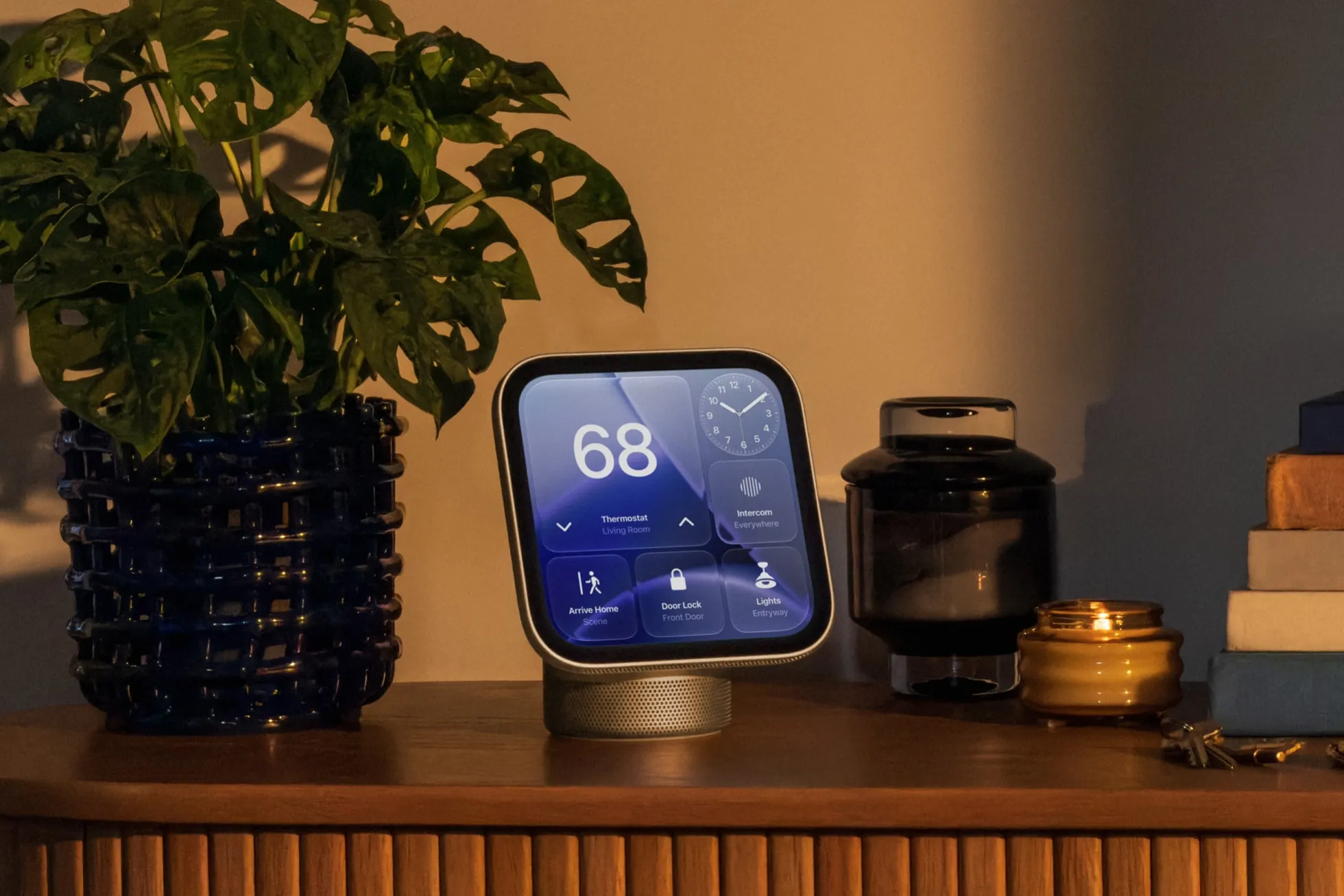
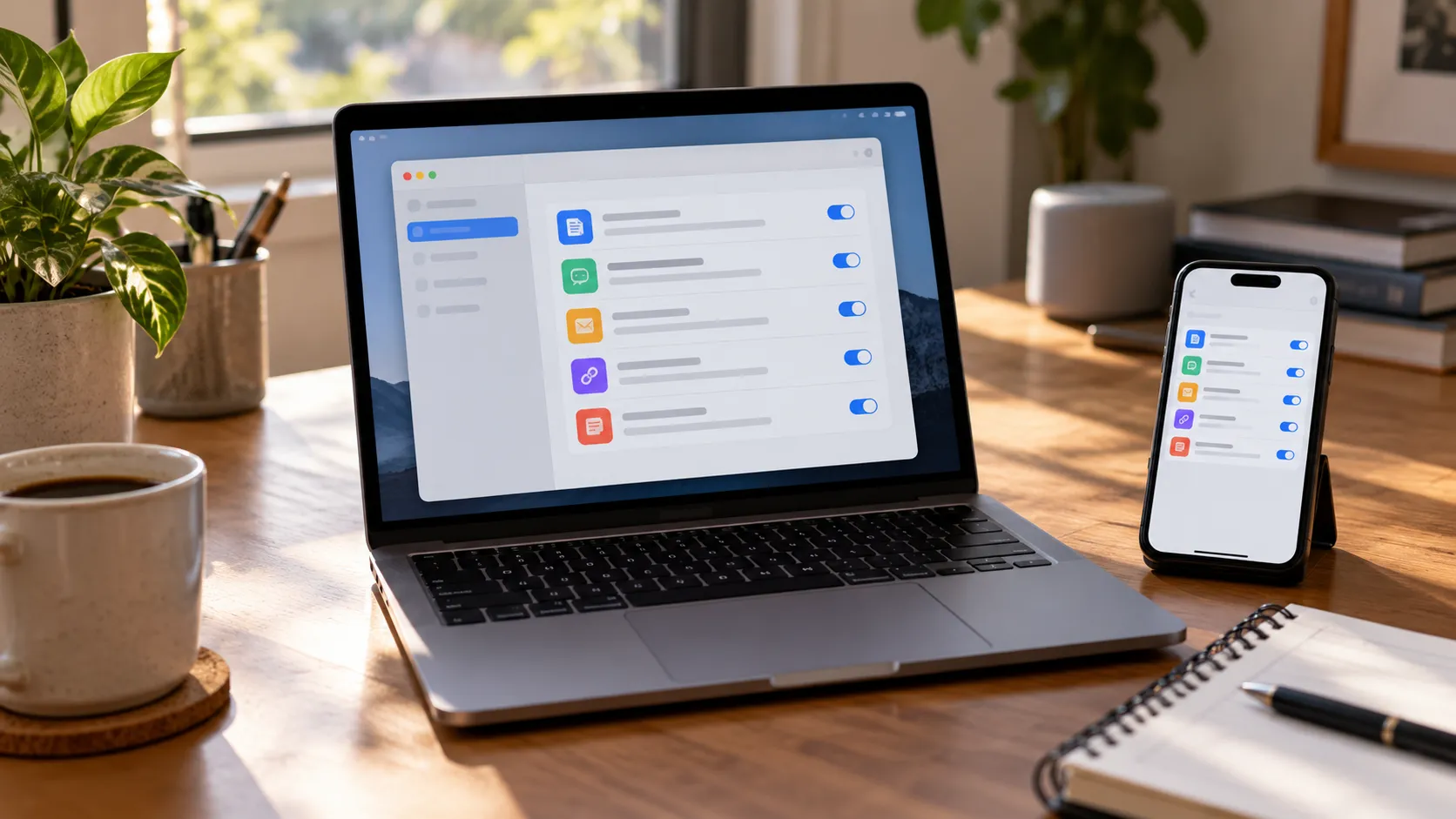
Let's break down what makes Apple's approach so enduringly effective. At its core, Apple has mastered something that sounds simple but is incredibly difficult to execute: making products that work seamlessly together. Apple's products and services work together flawlessly, encouraging customer retention across multiple device categories.
The financial impact of this strategy is undeniable. Apple's current market capitalization stands at an impressive $3.16 trillion, reflecting investor confidence in this integrated approach. But here's what's even more telling about the long-term viability of this strategy: Apple's services segment has emerged as the company's highest growth and most profitable division, contributing over 26% of total revenue in fiscal 2025.
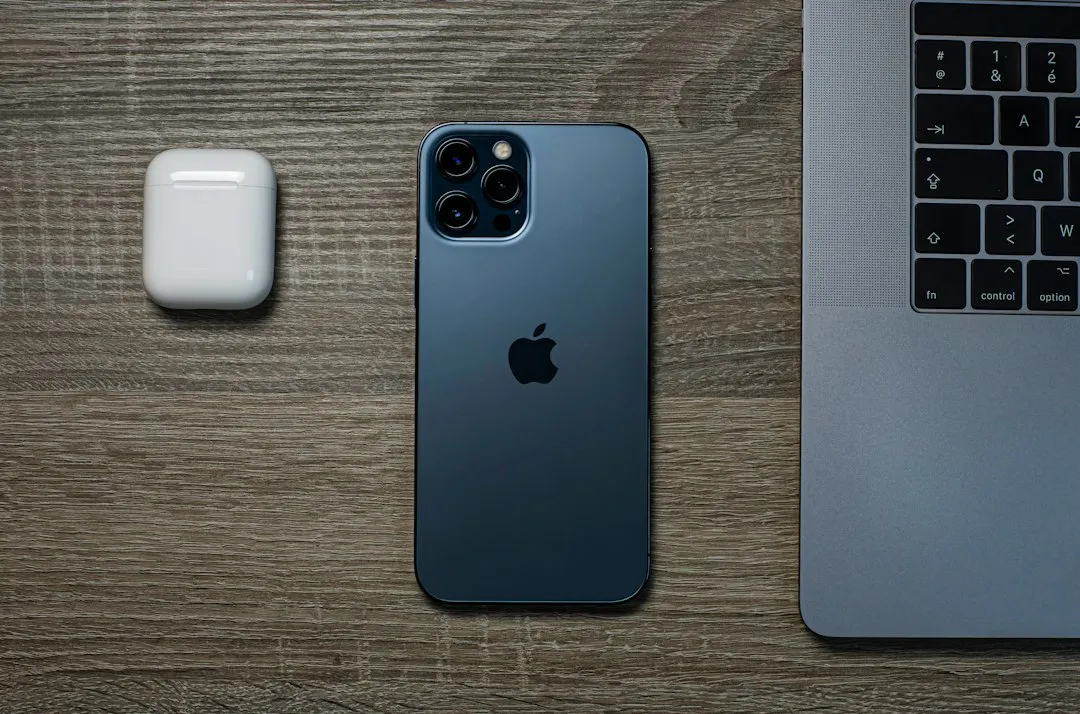
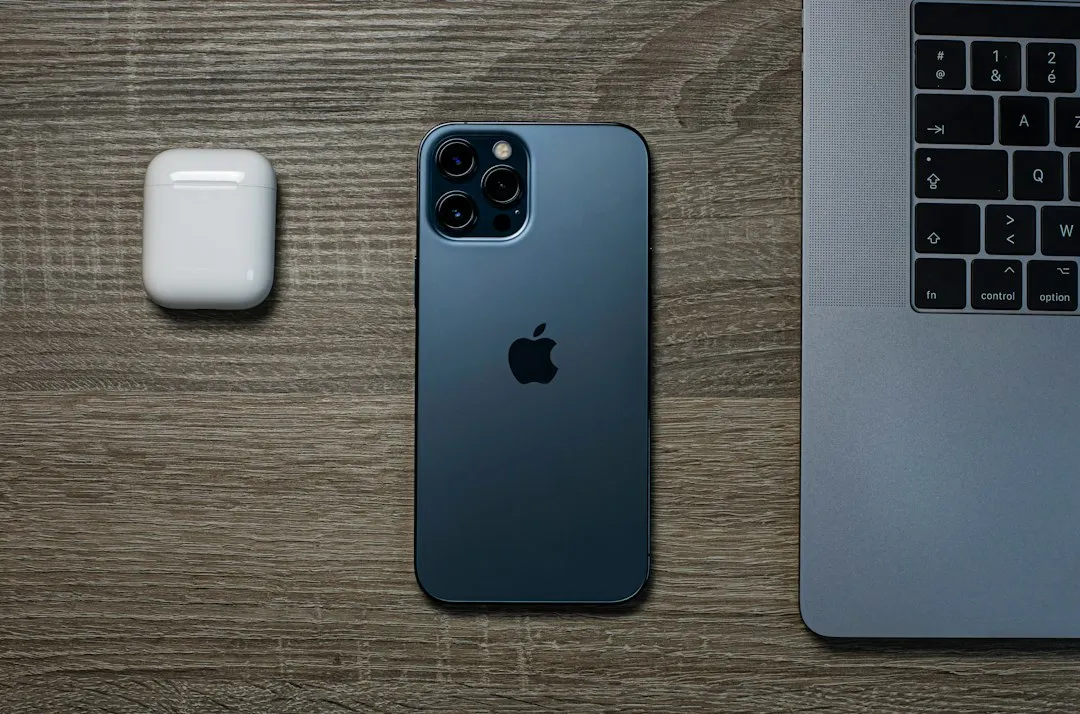
This isn't about just hardware sales—it's about creating what business strategists call "switching costs" that become more valuable over time. Your photos sync across devices, your messages work seamlessly between your phone and laptop, your music follows you everywhere, and your health data builds up over years. When someone owns an iPhone, AirPods, and MacBook, replacing any single device with a competitor means losing the integrated benefits they've come to depend on. Apple's ecosystem of hardware, software, and services has created unmatched customer loyalty, turning users into long-term advocates who consistently choose Apple products across their entire digital lifestyle.
The genius here is that Apple isn't just selling devices—it's selling an integrated experience that becomes more valuable the deeper you go. Every additional Apple product or service you use makes the entire ecosystem more useful, creating a virtuous cycle that competitors find nearly impossible to break.
Innovation leadership in an AI-driven world
Now here's where things get really interesting. While competitors rush to showcase flashy AI capabilities with chatbots and cloud-based processing, Apple has taken a characteristically different approach that aligns with its core values rather than abandoning them for the latest trend. The company is preparing organizational changes to accelerate its AI development, but in a way that reinforces rather than compromises its fundamental privacy philosophy.
Apple's AI strategy diverges significantly from its peers by placing a premium on user privacy. Instead of sending your data to remote servers for processing, Apple processes information directly on your devices. This approach reflects Apple's commitment to privacy, which is deeply intertwined with the company's overarching philosophy of safeguarding user data.
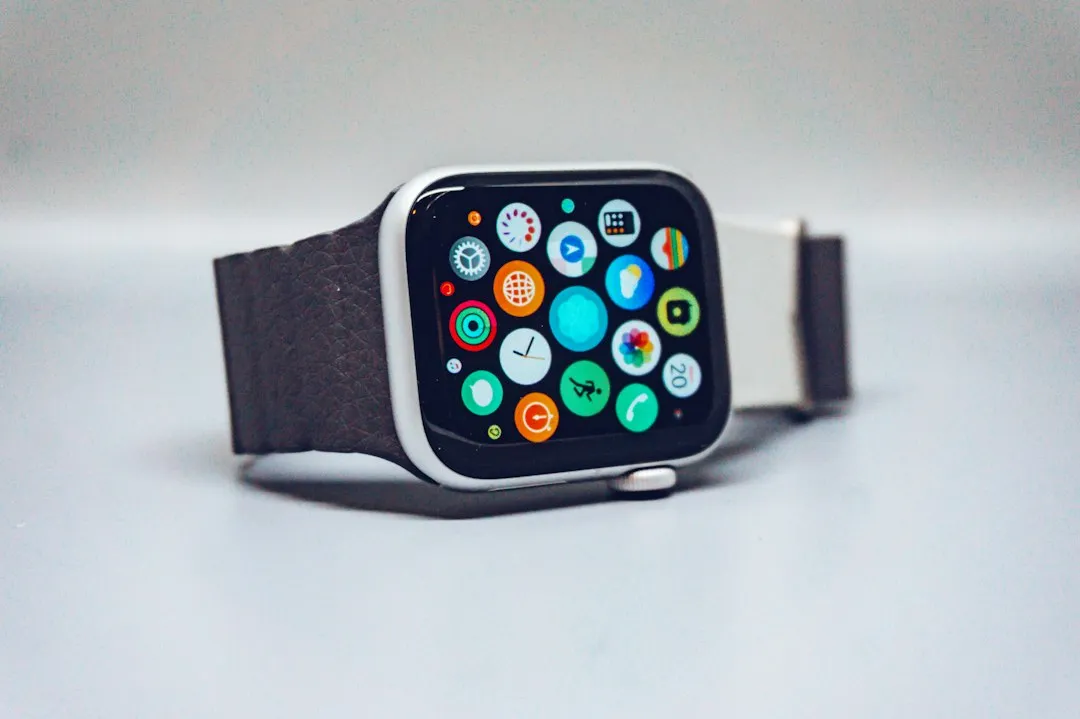
The technical implementation is equally impressive and strategically sound. Apple's A-series chips, designed with machine learning accelerators, showcase seamless integration that allows AI functionalities to work efficiently across the entire product ecosystem. Rather than bolting AI onto existing products as an afterthought, Apple embeds AI capabilities directly into its range of devices—from iPhones and iPads to MacBooks and Apple Watches.
What's particularly noteworthy is how this strategy positions Apple for the long term. While other companies compete on who has the most powerful cloud-based AI model, Apple is building AI that works without an internet connection, respects user privacy, and gets better with each device upgrade. It's a fundamentally different value proposition that prioritizes user control and data security over raw computational power—and this privacy-first approach isn't just about doing the right thing, it's also smart business. As data privacy regulations tighten globally and consumers become more aware of how their information is used, Apple's on-device processing strategy looks increasingly prescient.
Strategic positioning beyond technology trends
Apple's sustained success stems from strategic decisions that extend far beyond individual product launches or technology trends. This consistent recognition across multiple evaluation frameworks reflects operational decisions that demonstrate systematic excellence. Over the past year, Apple ranked 8th on Fortune's Global 500 list, 4th on the Fortune 500 list, 3rd on America's Most Innovative Companies list, and 1st on Fortune's Sector Leaders: Technology list. That's not luck—that's systematic operational excellence translating into measurable competitive advantages.
Take Apple's global manufacturing strategy, which exemplifies this long-term resilience thinking. The company isn't just reacting to short-term challenges; it's building anti-fragile supply chains for the decade ahead. Apple plans to make all iPhones sold in the U.S. in India and has accelerated plans to source all U.S. iPhones from India in response to new tariffs. This manufacturing diversification isn't just about cost savings—it's about building resilience into supply chains while maintaining the quality standards that Apple customers expect, creating geographic flexibility that provides strategic options regardless of trade policy changes.
Even during market volatility, Apple demonstrates the kind of financial stability that creates long-term shareholder value beyond stock price fluctuations. Apple's dividend is expected to rise in early May, and analysts expect the company to become a dividend aristocrat due to its strong brand, market cap, growth, and high margins. For context, dividend aristocrats are S&P 500 companies that have increased their dividends for at least 25 consecutive years—it's a mark of exceptional financial consistency that less than 3% of companies achieve.
The strategic thinking here reveals Apple's unique positioning. While many tech companies focus solely on growth at any cost, Apple has built a business model that generates consistent cash flow, maintains premium margins, and returns value to shareholders through dividends. This balanced approach creates stability that allows for long-term innovation investments without the boom-and-bust cycles that plague many technology companies.
As Apple prepares for upcoming earnings that analysts anticipate will be 'better-than-feared', the company continues to demonstrate that strategic consistency and operational excellence create sustainable competitive advantages that transcend individual product cycles.
What this means for the future of corporate leadership
Apple's 19-year streak at the top of the world's most admired companies list offers valuable insights for business leaders navigating an increasingly complex global marketplace. Looking at the broader context reveals important patterns about what drives sustained corporate admiration. The Top 5 companies on the list—Apple, Microsoft, Amazon, NVIDIA, and JPMorgan Chase—showcase firms consistently admired for stability, innovation, respected leadership, and international growth, but what distinguishes Apple is the duration of its excellence.
What makes Apple's achievement particularly significant is the consistency factor that goes beyond periodic innovation cycles. Apple has finished No. 1 in the computer industry 16 out of the past 17 years, proving that sustained excellence requires more than occasional breakthrough products. It demands systematic organizational capabilities that consistently deliver value to customers, employees, and stakeholders over decades rather than quarters.
This teaches us something crucial about building enduring businesses in our fast-paced world. The companies that truly stand out aren't just those that create great products—they build sustainable systems for creating great products repeatedly, year after year. They don't chase every trend or pivot strategies with each market shift. Instead, they maintain focus on core principles while adapting their execution: exceptional design, seamless user experience, premium quality, and integrated ecosystems.
For business leaders, Apple's approach offers a blueprint that balances innovation with operational consistency, growth with responsibility, and technological advancement with human values. The lesson extends beyond technology—it's about building organizational DNA that prioritizes long-term thinking over short-term gains. This creates trust not just with consumers, but with industry professionals who recognize the difficulty of maintaining excellence at scale, which is why they continue to vote Apple as the most admired company year after year.
In our disruption-obsessed business environment, Apple's 19-year streak serves as a masterclass in building businesses that don't just succeed—they endure, creating lasting value for all stakeholders while setting standards that entire industries follow. That's the kind of institutional excellence that earns lasting admiration and creates genuine competitive moats that are nearly impossible to replicate.





Comments
Be the first, drop a comment!