




Apple's Under-Screen Touch ID Patent: What It Means for Future iPhones
Let's be honest—when Apple ditched Touch ID for Face ID back in 2017, not everyone was thrilled. Sure, Face ID is impressively secure and works like magic most of the time, but there's something undeniably convenient about unlocking your phone with a quick tap of your finger. Fast forward to today, and Apple appears to be hedging its bets with a fascinating patent that could bring Touch ID back—but not as you remember it.
The Patent That's Getting Everyone Talking
Apple has filed a patent for under-screen fingerprint sensor technology, and the tech community is buzzing with speculation. This isn't just a rehash of the old home button fingerprint reader; we're talking about a sensor embedded beneath the display itself. Imagine placing your thumb anywhere on your iPhone's screen to unlock it—no more hunting for a specific button or awkwardly positioning your face.
Here's what makes this particularly intriguing: Apple isn't exactly known for following trends. While Android manufacturers like Samsung, OnePlus, and Xiaomi have been using under-display fingerprint sensors for years, Apple typically waits until it can implement technology in a way that meets its exacting standards. The fact that it's pursuing this patent suggests it's found a solution it believes is worth the engineering effort.
How Under-Screen Fingerprint Technology Actually Works
Let's break it down. There are generally two approaches to under-display fingerprint sensing that the industry has explored:
Optical sensors work like tiny cameras beneath your screen. When you place your finger on the display, the sensor illuminates your fingerprint and captures an image of the ridges and valleys. It's fast and relatively affordable, which is why many Android devices use this method.
Ultrasonic sensors, on the other hand, use sound waves to create a 3D map of your fingerprint. They're generally more secure and can work with wet or dirty fingers—a significant advantage in real-world conditions.
Given Apple's reputation for prioritizing security and user experience, most analysts expect they'd lean toward an ultrasonic solution—or potentially develop something entirely new that combines the best of both approaches. After all, this is the company that integrated Face ID's TrueDepth camera system into the notch and made it work seamlessly.
If you're wondering why Apple doesn't just copy what Android manufacturers are doing, remember that Apple's ecosystem demands a higher level of integration. Touch ID would need to work flawlessly with Apple Pay, password autofill, app authentication, and countless third-party applications—all while maintaining the security standards that Apple has staked its reputation on.
Why Apple Might Bring Back Touch ID
The pandemic changed how we interact with our devices. Face ID, brilliant as it is, struggles when you're wearing a mask—something Apple addressed with a software update that lets you unlock using your Apple Watch, but that's hardly an elegant solution. An under-screen fingerprint sensor would solve this problem immediately.
Beyond the mask issue, there are scenarios where fingerprint authentication simply makes more sense:
When your phone is lying flat on a desk – You can unlock it without picking it up or hovering over it
During payment authentication – A quick thumb press feels more natural than tilting your phone toward your face
In bright sunlight – Face ID's infrared system works fine, but users often feel more confident with the tactile feedback of touching a sensor
For accessibility – Some users with facial differences or certain disabilities find fingerprint sensors more reliable
The key takeaway is that offering both biometric options gives users flexibility. It's not about choosing between Face ID and Touch ID—it's about having the right tool for different situations.
The Technical Challenges Apple Faces
Here's where things get interesting from an engineering perspective. Integrating a fingerprint sensor beneath an OLED display isn't trivial, especially when you're dealing with Apple's expectations for accuracy and speed.
Display interference is a major hurdle. The pixels, backlighting, and protective layers of a modern smartphone display all sit between the sensor and your finger. The sensor needs to read your fingerprint accurately through all these layers without compromising display quality or responsiveness.
Processing power is another consideration. Real-time fingerprint analysis requires dedicated hardware and sophisticated algorithms, particularly if Apple wants the unlock experience to be as instantaneous as the current Touch ID implementation in iPads and older iPhones.
Security requirements cannot be compromised. Apple has built its brand partially on privacy and security. Any new biometric system would need to match or exceed the false acceptance rate of current Touch ID (1 in 50,000) and Face ID (1 in 1,000,000) implementations.
Then there's the question of sensor placement. Should it work anywhere on the screen, or only in a designated area? A larger sensor area provides more convenience but increases cost and complexity. A smaller zone might feel like a step backward from Face ID's "just look at it" simplicity.
What This Means for Future iPhone Design
If Apple does implement under-screen Touch ID, it could have significant implications for iPhone design. The most obvious change: the notch could finally disappear.
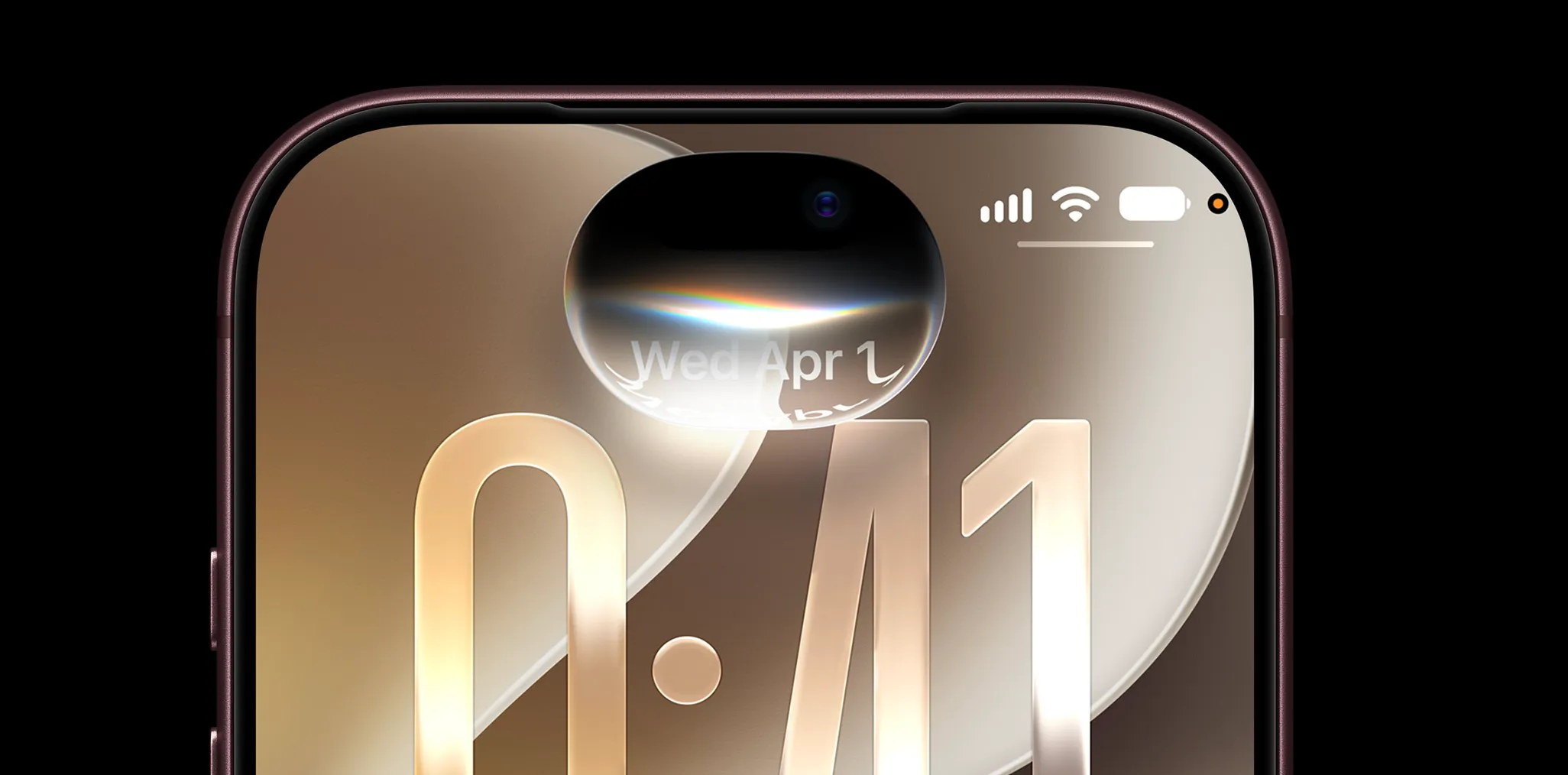
Face ID currently requires that distinctive notch (or, on the iPhone 14 Pro, the Dynamic Island) to house the TrueDepth camera system. If Touch ID becomes the primary biometric authentication method—or even a co-equal option—Apple could eliminate the need for that front-facing sensor array, giving us the truly all-screen iPhone that designers have been dreaming about for years.
That said, I wouldn't expect Apple to abandon Face ID entirely. More likely, we'd see both technologies coexisting. Face ID could remain for advanced features like Animoji, Portrait mode selfies, and attention awareness, while Touch ID handles quick unlocking and authentication. Think of it as belt and suspenders—two different authentication methods providing maximum flexibility.
Bottom line: Apple has never been about doing something just because competitors are doing it. If under-screen Touch ID makes it into a shipping iPhone, it'll be because Apple has developed an implementation that genuinely improves the user experience in meaningful ways.
The Competitive Landscape
It's worth noting that Apple isn't breaking new ground here—they're catching up. Samsung has had ultrasonic fingerprint sensors in flagship Galaxy phones since 2019. OnePlus, Oppo, Xiaomi, and numerous other Android manufacturers have shipped phones with under-display fingerprint readers for years.
What makes Apple's potential implementation interesting isn't the technology itself, but how they might refine it. History suggests Apple will wait until they can deliver an experience that feels distinctly better than what's currently available. Remember, they weren't first to market with smartwatches, wireless earbuds, or facial recognition—but when they did enter those categories, they redefined what consumers expected.
The question for Android users: should you wait to see what Apple does, or is the under-display technology in current Android flagships already good enough? For most people, Samsung's ultrasonic sensor or the optical sensors in OnePlus phones work perfectly fine for daily use. Apple's eventual solution might be incrementally better, but probably not revolutionary.
When Might We Actually See This?
Here's where I need to inject some realism: patents don't equal products. Apple files thousands of patents every year for technologies that never make it into shipping devices. A patent is essentially Apple's way of protecting ideas they're exploring, not a product roadmap.
That said, several factors suggest we might see under-screen Touch ID sooner rather than later:
The technology is maturing. Early under-display fingerprint sensors were slow and unreliable. Current generation sensors in Android phones are fast enough and accurate enough that Apple could reasonably build upon them.
Supply chain rumors have been persistent. Multiple reports over the past few years have suggested Apple is testing under-display Touch ID prototypes, even if those devices haven't reached consumers yet.
The pandemic created clear demand. Apple had to scramble to make Face ID work better with masks, revealing a gap in their biometric strategy that Touch ID would elegantly solve.
Competitive pressure is real. While Apple doesn't typically chase trends, being the only flagship phone maker without an under-display fingerprint option is becoming a harder position to defend.
My educated guess? If this technology appears in an iPhone, it'll likely debut in a Pro model first—probably the iPhone 16 Pro or later. Apple typically uses Pro models as testing grounds for new features before rolling them out across the entire line.
What This Means for You
Let's bring this back to practical implications. If you're considering whether to buy an iPhone now or wait for potential Touch ID integration, here's my thinking:
Buy now if: You're comfortable with Face ID, you need a new phone, and you're not bothered by the current authentication methods. Face ID works excellently in most situations, and Apple has refined it significantly since the iPhone X.
Wait if: You strongly prefer fingerprint authentication, you frequently use your phone in situations where Face ID struggles, or you're comfortable with your current device for another year or two. The next major iPhone redesign could be worth the patience.
Consider alternatives if: Under-display fingerprint sensing is a must-have feature for you right now. Flagship Android phones from Samsung, Google, OnePlus, and others offer mature implementations of this technology today, and switching ecosystems has become easier than ever.
The Bigger Picture: Apple's Biometric Strategy
This patent represents something larger than just a feature addition—it signals Apple's recognition that one-size-fits-all biometrics don't work for everyone. Different users have different needs, and different situations call for different authentication methods.
In an ideal world, future iPhones would offer multiple authentication options that work seamlessly together:
Face ID for hands-free unlocking when you're looking at your phone
Touch ID for quick access when your phone is on a surface or when you're wearing a mask
Voice recognition for accessibility scenarios
Maybe even iris scanning or other emerging biometric technologies
The companies that win in the long term won't be those with the single best biometric solution—they'll be the ones that offer flexible, context-aware authentication that adapts to how you're actually using your device.
Bottom Line
Apple's under-screen Touch ID patent is genuinely exciting, but it's important to maintain realistic expectations. We're looking at a technology that might appear in future iPhones, not something that's definitely coming next month or even next year.
What we can say with confidence: Apple is actively exploring how to bring Touch ID back in a way that makes sense for modern, all-screen devices. Whether that manifests as a full-screen sensor, a designated area on the display, or something entirely different remains to be seen.
For now, the patent gives us a fascinating glimpse into Apple's thinking about biometric authentication and device design. It suggests a future where we might have more choices in how we secure and access our devices—and that's something worth getting excited about, whenever it arrives.
Pro tip: Keep an eye on Apple's supplier partnerships and manufacturing reports. Companies like Taiwan Semiconductor Manufacturing Company (TSMC) and display suppliers often provide early hints about new iPhone features through their component orders and production schedules. When we start seeing reports of ultrasonic sensor components entering Apple's supply chain in significant volumes, that's when we'll know under-screen Touch ID is becoming a reality rather than just a patent filing.
The waiting game continues, but at least now we have a clearer picture of what Apple might be planning. And honestly? The prospect of having both Face ID and Touch ID working together on the same device is pretty compelling. Let's see if Apple can deliver on that promise.



Comments
Be the first, drop a comment!