



You know what's interesting? For months, Android users who wanted to enjoy Apple TV+ had to jump through some pretty annoying hoops. Sure, the Apple TV app launched on Android devices back in February 2025, but here's the thing—it was missing one crucial feature that basically every Android user takes for granted: casting support.
Well, that wait is finally over. The latest update now includes Google Cast support, and honestly, it's about time. This represents the final piece Apple needed to deliver a genuinely competitive Android experience, especially considering the company has been steadily expanding its services beyond the traditional Apple ecosystem.
The significance becomes clear when you consider the strategic timeline. Apple only launched its dedicated Android app a few months ago in February 2025, marking the first time iPhone users' favorite streaming service became truly accessible on mobile Android devices. The app was built from the ground up specifically for Android, optimized for smartphones, tablets, and foldable devices running Android 10 or later.
Why Google Cast support actually matters
Let's break it down: for Android users, casting functionality isn't just a nice-to-have feature—it's practically essential for how people consume streaming content today. The initial Android app launch notably lacked casting support, which meant users were stuck watching Ted Lasso and Severance exclusively on their phone or tablet screens. That's fine for a quick episode during your commute, but when you want to settle in for a proper viewing session at home? Not so much.
This limitation felt particularly glaring when you consider that Chromecast devices already supported screen casting between iPhones and Android devices. So iPhone users could cast their Apple TV+ content just fine, while Android users were left out in the cold. Talk about ironic.
The addition of Google Cast support bridges this crucial gap and positions Apple to compete more effectively in the Android ecosystem. Here's what makes this particularly significant: Apple TV apps have been available on Android TV and Google TV platforms since 2021, but mobile users were dealing with an incomplete mobile-to-TV experience. The new casting feature allows seamless streaming over Wi-Fi or cellular connections, finally delivering that flexibility Android users expect from their streaming apps.
What amplifies the importance of this update is how it integrates Apple into the broader streaming ecosystem. Chromecast with Google TV already supports all major streaming platforms including Netflix, Amazon Prime Video, Hulu, Disney Plus, and HBO Max, and now Apple TV+ can fully participate in that ecosystem with proper casting functionality. This means Apple is no longer asking Android users to accept a compromised experience—they're competing on equal footing.
Breaking down the technical integration
The Google Cast implementation demonstrates Apple's commitment to delivering a genuinely optimized Android experience rather than a superficial port. Apple's engineers built the Android version from the ground up, which created the technical foundation necessary for seamless Google Cast integration.
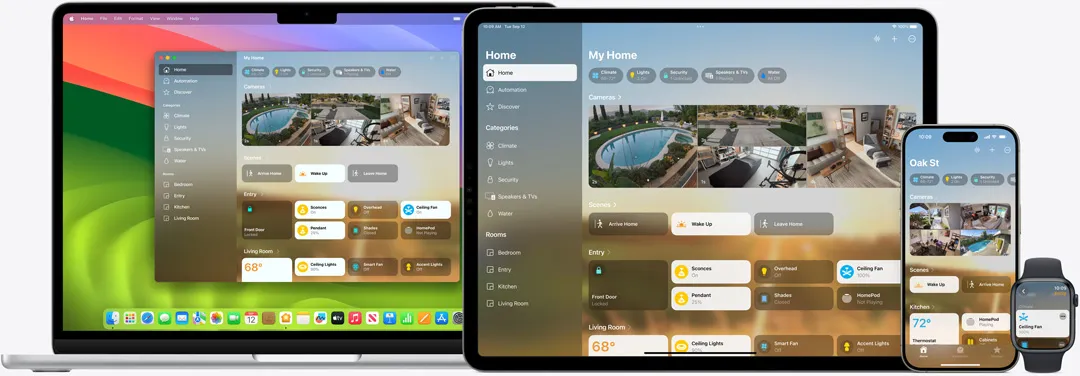
From a broader ecosystem perspective, this update aligns with Google's ongoing smart home integration efforts. Google recently expanded its Home Panel feature to Chromecast devices, allowing users to control lights, thermostats, security cameras, and other smart devices directly from their TV interface. Apple TV casting support fits naturally into this connected entertainment ecosystem, making the TV interface a more central hub for both content and home control.
The technical implementation also showcases the premium viewing experience now available to Android users. The casting functionality works exactly like you'd expect from other Android apps—fire up the Apple TV app, start playing your content, tap the cast button, and you're watching on the big screen with full visual fidelity preserved. With proper casting support, Android users can access premium HDR formats on compatible devices; exact support (Dolby Vision, HDR10+, HDR) depends on the receiving device and app/streaming path.
The casting functionality works exactly like you'd expect from other Android apps—fire up the Apple TV app, start playing your content, tap the cast button, and you're watching on the big screen with full visual fidelity preserved.
What this means for Apple's ecosystem strategy
This update signals Apple's most significant embrace of Google's platform infrastructure to date. The integration goes deeper than just casting—the company now integrates with Google Play Billing for subscriptions, representing Apple's first major adoption of Google's payment infrastructure for a core service. Users can subscribe to Apple TV+ for $9.99 per month; MLS Season Pass pricing varies by region and bundling (examples: $14.99/month has been used in some markets).
This payment integration reveals Apple's strategic shift from hardware-centric to services-focused revenue models. Rather than forcing Android users to navigate Apple's payment systems, the company is meeting customers where they are—a significant departure from traditional Apple ecosystem exclusivity.
The content discovery integration further demonstrates this commitment. Apple TV+ content now appears in Google TV's personalized recommendations and search results, creating a more integrated discovery experience for Android users. This level of platform integration was previously reserved for Apple's own devices and represents a fundamental strategic evolution.
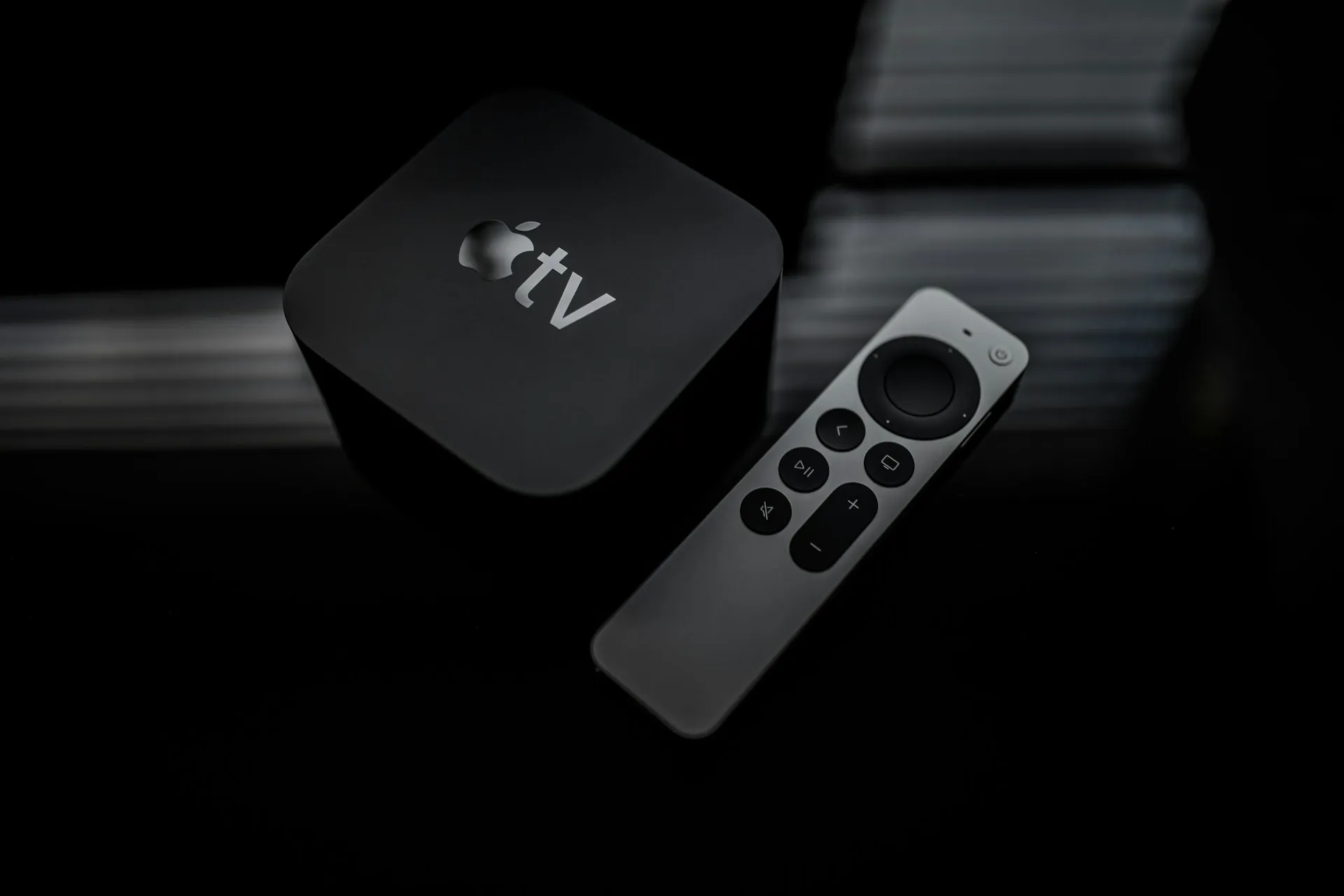
Looking at the competitive landscape, this approach makes perfect sense given current market dynamics. While Apple TV 4K devices cost $130-150, Google TV Streamer is available for just $100, making Google's hardware an attractive option for budget-conscious consumers who still want access to Apple's premium content library. By optimizing their service for Google's more affordable hardware, Apple effectively expands their addressable market without competing on price with their own devices.
Bottom line: Apple is positioning their streaming service as platform-agnostic while maintaining their hardware premium positioning—a sophisticated strategy that could significantly expand their subscription revenue base.
Where do we go from here?
The addition of Google Cast support represents more than a feature completion—it signals Apple's commitment to competing seriously in the streaming wars beyond their own hardware ecosystem. With access to popular Apple Originals like Severance, Ted Lasso, and Slow Horses, the service now offers a complete viewing experience regardless of platform preference, which could be crucial for market share growth in an increasingly competitive streaming landscape.
The strategic precedent this sets extends beyond streaming. Given that the Apple TV app supports a wide range of platforms, including PlayStation, Xbox, and various smart TV brands, we're likely seeing a blueprint for how Apple will approach other services in the Android ecosystem. Could similar deep integration eventually extend to Apple Music's discovery features, iCloud collaboration tools, or productivity apps? The infrastructure for comprehensive Google Play integration is now established.
For Android users specifically, this update delivers the seamless streaming experience that's become table stakes for major platforms. With features like Continue Watching, offline downloads, and now casting support, the Apple TV Android app has evolved from a limited mobile-only experience into a full-featured streaming solution that can compete directly with native Google services.
Here's what I'm watching for next: how this level of Android integration affects Apple's hardware strategy. If subscription revenue from Android users significantly exceeds projections, it could accelerate Apple's transformation into a services-first company—with hardware serving as premium options rather than essential gateways to Apple's ecosystem.
PRO TIP: If you're an Android user who's been holding off on trying Apple TV+ because of the limited functionality, now's actually a great time to jump in. New users get a free seven-day trial, and with full casting support now available, you can properly evaluate whether Apple's content library justifies the monthly subscription fee without being constrained by mobile-only viewing.
The key takeaway here is that Apple's Android strategy has reached functional parity with its other platforms. You're no longer getting a compromised experience or working around missing features. Whether you're watching on your phone during lunch or casting to your living room TV for movie night, the Apple TV experience on Android now matches what you'd get anywhere else, which could be exactly what Apple needs to accelerate their services revenue growth.



Comments
Be the first, drop a comment!