



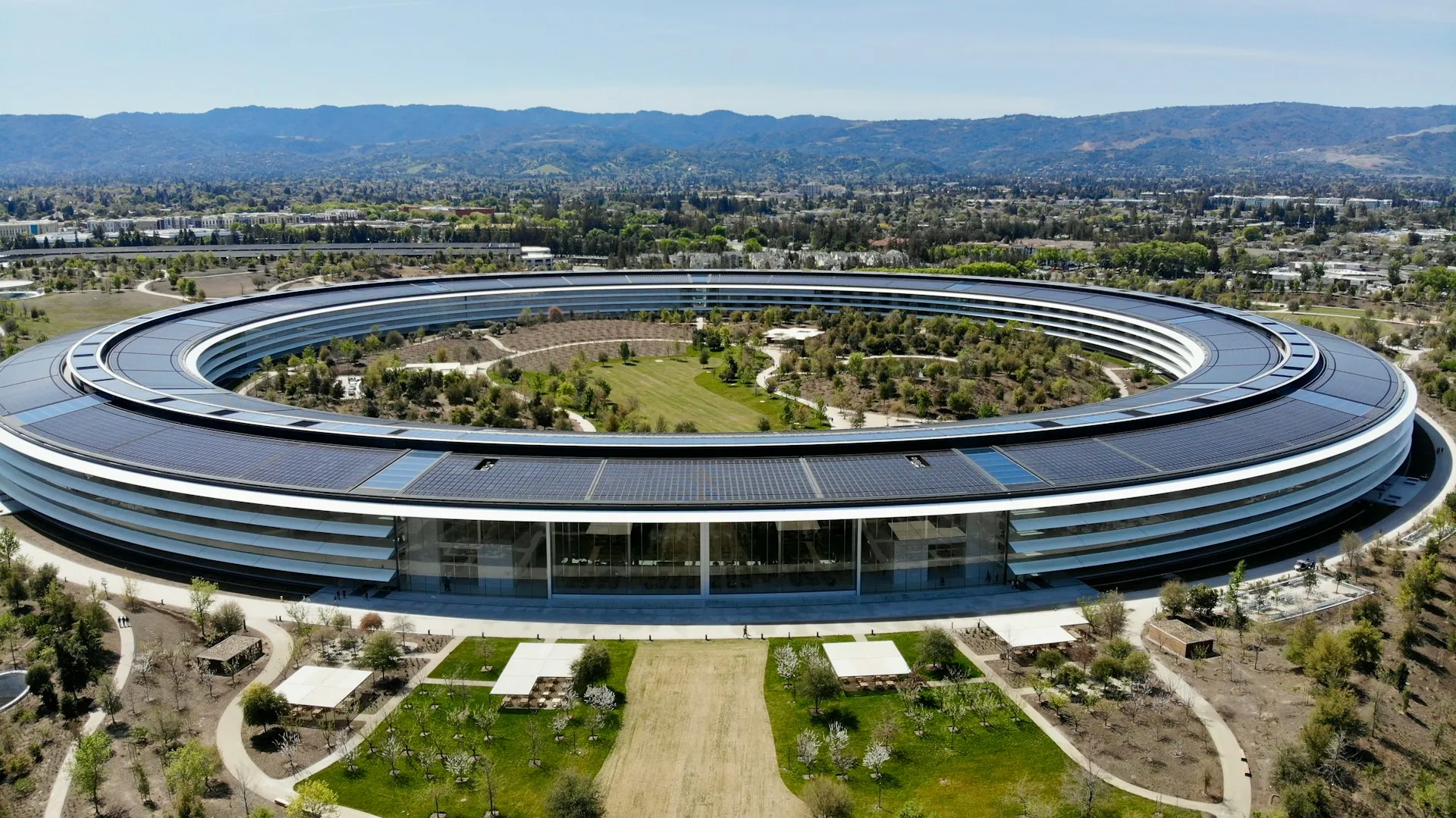
When you're part of Apple's massive tech ecosystem, the last thing you expect is to receive a memo telling you not to go home for the holidays. But that's exactly what's happening right now. Apple's immigration team has issued urgent travel warnings to employees holding H-1B visas, advising them to avoid international travel due to severe delays in visa processing at US embassies and consulates.
Here's what you need to know: Corporate legal teams and immigration law firms are circulating internal guidance as foreign workers consider holiday travel plans. The situation has become so concerning that major tech companies are warning employees about visa stamping appointments at diplomatic posts that remain severely backlogged across multiple countries, with some delays stretching as long as 12 months, according to immigration experts.
What makes this particularly alarming is that these aren't just routine administrative delays. The enhanced screening procedures now include social media reviews spanning five years of applicant history, significantly complicating what were once routine visa renewals. This means even experienced professionals with established track records are facing unprecedented scrutiny and potential career-disrupting wait times that could separate them from their jobs and families for extended periods.
What's driving these unprecedented visa delays?
The root cause stems from a fundamental shift in State Department priorities, with consular offices now emphasizing thorough case vetting over processing speed. Let's break this down—it's not just about being more careful; it's about completely restructuring how the immigration system evaluates visa applications.
US embassies and consulates worldwide are implementing enhanced social media screening requirements that review up to five years of applicant activity before granting entry, according to Business Insider. Think about that for a moment—every tweet, LinkedIn post, or Facebook photo from the past half-decade is now under review. The State Department has temporarily suspended numerous H-1B visa appointments in India, citing operational limits and the rollout of expanded screening procedures, as reported by Hindustan Times.
What's particularly concerning for Apple employees is that immigration attorneys note appointment delays at some diplomatic posts now extend up to 12 months, significantly raising the risk of workers being stranded overseas, according to multiple sources. Imagine planning a two-week visit home and ending up stuck abroad for an entire year—that's the reality many Apple employees are now facing as consular resources are redirected toward intensive background checks rather than timely processing.
The key takeaway is that this represents a complete philosophical shift in how visa processing works. As one State Department spokesperson confirmed, consular offices are "prioritizing thoroughly vetting each visa case above all else" over the previous emphasis on reducing wait times, fundamentally altering the risk-reward calculation for international travel.
How Apple's warning differs from other tech giants
While Google, Microsoft, and other tech companies have issued similar advisories, Apple's approach stands out for its specificity and direct communication style that reflects the company's commitment to employee transparency. Apple's immigration team, working with law firm Fragomen, issued specific guidance stating that employees without valid H-1B visa stamps should avoid international travel due to unpredictable delays when returning to the US.
The company's memo emphasized that if travel cannot be postponed, employees should connect with Apple Immigration and Fragomen in advance to discuss the risks, as reported by Business Insider. This proactive approach shows Apple isn't just issuing blanket warnings—they're providing personalized risk assessment for employees who absolutely must travel, demonstrating the company's characteristic attention to individual employee needs.
What's striking is the scale of impact these processing changes could have on Apple's innovation pipeline. During fiscal year 2024, Apple applied for 3,880 H-1B visas while Google sought 5,537, highlighting how these delays particularly impact technology companies that rely heavily on skilled foreign workers, according to Department of Labor data. That's nearly 4,000 Apple employees potentially affected by these visa processing changes, representing a significant portion of the talent driving critical projects across the company.
Bottom line: Apple's warning reflects both the severity of the bureaucratic crisis and the company's proactive approach to protecting its workforce from prolonged separation from their work and teams.
The broader impact on Apple's workforce ecosystem
This visa crisis extends far beyond H-1B workers, creating ripple effects throughout Apple's diverse international workforce and touching multiple aspects of the company's global operations. The visa processing delays affect multiple visa categories beyond H-1B, including H-4 dependent visas, F student visas, and J exchange visitor visas, creating widespread uncertainty across Apple's diverse workforce, according to AOL.
Here's where it gets particularly challenging for Apple's strategic workforce planning: Indian nationals account for over 70% of H-1B visas issued, making the delays particularly problematic for Apple's significant population of employees from India, as reported by The Times of India. This means a substantial portion of Apple's technical workforce—the very people driving innovation in AI, machine learning, and advanced hardware development—is directly impacted by these processing delays.
The human cost extends beyond individual employees to entire family units. Immigration attorneys are advising that professionals traveling abroad for visa renewals risk being stranded if appointments are canceled or postponed, with uncertain timelines for returning to work in the United States, according to legal experts. For Apple employees, this creates an impossible choice between maintaining family connections and cultural ties versus preserving their careers and contributing to groundbreaking technology development.
H-4 visa holders (spouses and children of H-1B workers) face the same processing delays, meaning entire families must now weigh the risk of extended separation when making travel decisions that were previously routine.
What this means for Apple's future operations
The H-1B program serves as a core pipeline for Apple and other tech companies hiring skilled foreign workers, with the program capped at just 85,000 new visas annually, according to Business Insider. This limitation creates intense competition for these visas, and extended processing delays compound the challenge of maintaining the global talent flow that drives technological innovation.
Apple and Google together employ more than 300,000 employees and rely heavily on highly skilled foreign workers, making these visa delays particularly problematic for their operations, as reported by AOL. When you consider that these companies are at the forefront of developing artificial intelligence capabilities, advanced chip architectures, and next-generation consumer technologies, having key team members potentially stranded abroad could disrupt critical development timelines and collaborative innovation processes.
The situation forces Apple to balance employee well-being with business continuity, as workers face difficult choices between visiting family abroad and maintaining their employment status in the United States, according to immigration law analysis. This creates a new category of operational risk that companies like Apple must now integrate into their workforce planning, project scheduling, and talent retention strategies.
PRO TIP: Apple employees affected by these travel restrictions might consider exploring alternative ways to maintain family connections, such as organizing extended video calls during holidays, arranging for family members to visit the US instead, or planning domestic travel to locations where international family members might be able to meet.
Navigating uncertainty in the Apple ecosystem
The visa processing crisis highlights the interconnected nature of Apple's global workforce and the vulnerability of even the world's most valuable companies to immigration policy shifts. This isn't just about individual employees—it's about how global talent mobility contributes to innovation leadership and competitive advantage in the rapidly evolving tech sector.
Apple's proactive communication with employees demonstrates the company's commitment to transparency during uncertain times, though the situation leaves many workers in limbo, according to multiple reports. The company's willingness to issue clear warnings, even when it might create anxiety among employees, reflects responsible corporate leadership and Apple's characteristic focus on providing clear, actionable information to help people make informed decisions.
Immigration attorneys recommend that foreign nationals with valid visa stamps should generally be able to return to the US, but advise avoiding non-essential travel given the current unpredictable climate, as reported by The Times of India. This creates a new reality where "non-essential" travel might include important family milestones, cultural celebrations, or personal obligations that were previously routine aspects of maintaining global connections.
The enhanced vetting procedures represent a significant shift from previous policies that prioritized reducing wait times, with embassies now focusing on thorough case review above processing speed, according to State Department statements. For Apple employees, this means adapting to a new normal where international mobility—once a standard expectation for working at a global technology leader—has become fraught with career and personal risks.
Looking ahead, Apple's response to this crisis will likely influence how other major tech companies navigate the intersection of global workforce management and evolving immigration policies. The company's emphasis on direct communication, personalized risk assessment, and proactive employee support demonstrates one approach to managing unprecedented challenges while maintaining both operational effectiveness and human dignity in an increasingly complex regulatory environment.




Comments
Be the first, drop a comment!