





Apple's latest marketing push arrives at the perfect time—just as millions of people are gearing up to make promises they'll struggle to keep. As we approach 2026, Apple has launched a fresh social media campaign positioning the Apple Watch as your personal motivational coach. The campaign launched in late December, strategically timed for maximum impact. What makes this campaign particularly clever is how it addresses a universal truth: the second Friday in January has earned the nickname "Quitter's Day" because that's when most people abandon their New Year's resolutions.
What's brilliant about Apple's approach is that they're not just acknowledging this inevitable failure—they're positioning themselves as the solution that prevents it from happening. Instead of catching people after they've already given up, Apple is inserting its technology into the critical moment when motivation starts to fade.
What makes the "Quit Quitting" campaign so compelling?
The campaign's brilliance lies in its simplicity and relatability. Apple created multiple 30-second spots showing people literally running away from comfort zones—beds, recliners, and barstools become the enemy of progress. Each advertisement carries the unified title "Quit quitting with Apple Watch" and concludes with the powerful tagline "Don't Give In." The campaign was developed by TBWA\Media Arts Lab and published in the United States.
Here's what sets this apart from typical fitness marketing: it's not promising instant transformation or showcasing impossibly fit people doing extreme workouts. Instead, it focuses on the everyday psychological battle we all face—choosing movement over comfort. The visual metaphor of literally running away from a cozy bed or that inviting recliner resonates because we've all experienced that moment when our alarm goes off for a morning run, and our bed suddenly feels like the most comfortable place on earth.
What's particularly smart is how the ads normalize the struggle without shaming past failures. They're acknowledging that quitting is expected and offering a technological partner to help break that cycle. This psychological positioning transforms the Apple Watch from a luxury gadget into a practical solution for a universal problem.
How does Apple Watch actually keep you motivated?
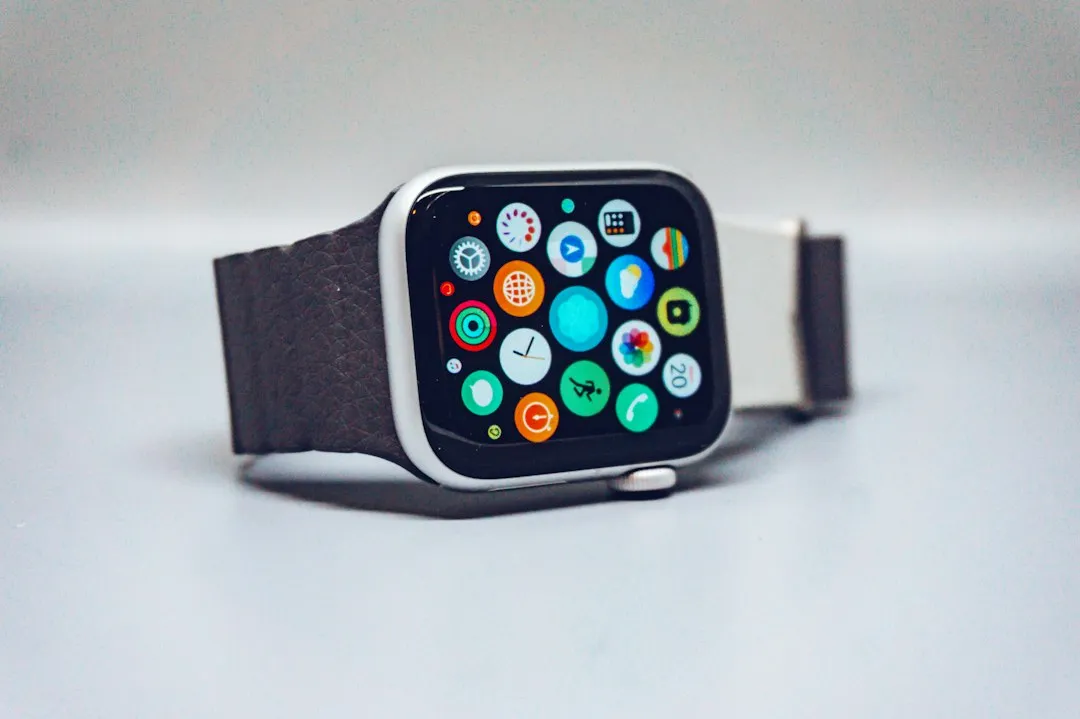
Here's where the tech gets interesting. The Apple Watch doesn't just track your activity—it actively coaches you through your fitness journey. Every spot in the campaign showcases the Workout app interface and the real-time messages users receive while exercising, MacRumors notes. The device delivers updates on pace and activity segments, plus those satisfying alerts when you close your activity rings, the same report confirms. For runners specifically, the watch includes pace tracking features and alerts designed to help maintain or increase intensity levels, iPhone in Canada explains.
Let's break it down: the Apple Watch functions as an active coach, not a passive data collector. When you're out for a run and starting to slow down, the watch detects this and provides gentle encouragement to maintain your pace. During sluggish days with minimal movement, it reminds you to stand up and get active.
The genius lies in the immediacy and personalization of this feedback. You don't wait until day's end to assess your performance—the watch continuously communicates, celebrating small victories and encouraging incremental improvements. Those activity rings aren't merely aesthetic elements; they're real-time visual progress indicators accessible with a simple glance.
Pro tip: The key to maximizing these motivation features is engaging with them consistently. Those stand reminders and pace alerts become powerful behavioral change tools when you actually respond to them rather than dismissing them.
The deeper tech story behind motivation
What's fascinating is how AI plays a role in many of the Apple Watch's health and fitness features, from health monitoring and fall detection to comprehensive activity tracking, MediaPost reveals. The technology also enhances Siri functionality and photo features on the watch face, according to the same source. While some AI processes happen directly on the watch, the device also leverages its connection to the iPhone for more complex computations, MediaPost notes.
This represents a fundamental shift in wearable technology—from simple data collection to intelligent behavioral adaptation. The AI learns your patterns, understands when you typically work out, recognizes your usual intensity levels, and identifies when you might need extra motivational support. This creates a personalized coaching experience that becomes more effective over time.
Bottom line: your watch is developing a deeper understanding of your habits and becoming increasingly sophisticated at motivating you in ways that align with your lifestyle. This evolution transforms basic fitness tracking into personalized behavioral psychology, where the device learns not just what you do, but how to encourage you to do it better.
The latest watchOS demonstrates this comprehensive health focus by monitoring for sleep apnea using the device's accelerometer to detect small wrist movements linked with breathing disturbances during sleep, MediaPost explains. This integration of sleep health monitoring with fitness motivation creates a holistic approach to wellness that extends far beyond traditional activity tracking.
Why timing matters more than you think
The campaign's timing reveals Apple's deep understanding of human psychology and behavior patterns. One advertisement specifically mentions that most people abandon their resolutions by January 9th. This strategic messaging directly confronts the reality that many individuals quit their fitness goals on what's officially known as "Quitter's Day," Adstralia confirms. The campaign poses a compelling question: "This year, what if a little bit of help on our wrists could help us quit, quitting?" before delivering its core message about having "motivation on your wrist," iPhone in Canada details.
Apple's decision to launch right after Christmas rather than waiting for New Year's Day demonstrates sophisticated marketing psychology. They're intercepting the goal-setting process itself, positioning the Apple Watch as an integral part of resolution planning rather than a post-failure recovery tool.
This preemptive approach transforms the conversation from "what to do after you fail" to "how to avoid failing in the first place." It's like having a friend who anticipates your struggles and offers support before you even realize you need it.
The psychological message is both realistic and optimistic: failure is normal and expected, but this year can be different with the right technological support. This balance between acknowledging human nature and offering genuine hope creates a compelling emotional connection that traditional fitness marketing often misses.
Beyond the marketing: What this means for wearable tech
This campaign represents more than clever advertising—it signals Apple's commitment to positioning the Apple Watch as an essential health companion rather than just another gadget. The Apple Watch Series 10 includes advanced features like depth and water temperature sensors that support various fitness activities. One of the campaign videos shows a woman consistently meeting her fitness goals over several months, demonstrating the long-term commitment the Apple Watch aims to foster, iLounge reports.
Apple is making a fundamental shift in value proposition: they're not just selling hardware, they're selling behavior change as a service. This represents a dramatically different approach than most technology companies, which focus on features and specifications rather than psychological outcomes.
The long-term perspective shown in the campaign—featuring sustained success over months rather than initial enthusiasm—reflects a mature understanding of real fitness journey challenges. Most marketing emphasizes the exciting first weeks when motivation runs high, but Apple is acknowledging the harder reality of maintaining consistency over time.
This evolution positions the Apple Watch to compete not just with other wearables but with personal trainers, wellness apps, and even therapeutic interventions. By integrating comprehensive health monitoring with AI-powered behavioral coaching, Apple is creating a category that extends far beyond traditional fitness tracking into genuine lifestyle transformation tools.
The key takeaway is that Apple is positioning the Apple Watch as a comprehensive health partner rather than just a fitness tracker. They're not competing with basic activity bands anymore—they're trying to become as essential to your daily health routine as your smartphone is to your digital life.
The bottom line? Apple isn't just selling a watch—they're selling the promise that technology can help us become better versions of ourselves. Whether that promise holds true depends on how well users embrace both the device's capabilities and their own commitment to change. As we head into 2026, this campaign will likely resonate with anyone who's ever struggled to maintain their fitness goals, making the Apple Watch feel less like a luxury and more like a necessity for personal growth.







Comments
Be the first, drop a comment!