



Apple's 2025 has been one heck of a year. If you've been following the tech giant, you know it's been a wild ride filled with some genuine triumphs and some pretty glaring stumbles. The company that once seemed to have the Midas touch is now navigating choppy waters, dealing with everything from executive departures that raised eyebrows across the industry to AI promises that fell short of expectations.
This year has been particularly revealing because it's shown us both sides of Apple's current reality. While we've witnessed impressive hardware updates that showcased the company's continued innovation capabilities, we've also watched Apple's ambitious AI strategy create credibility gaps that cut against everything the company has built its reputation on. It's a year that demands we look beyond the surface metrics to understand what these contradictions mean for Apple's future trajectory.
The shining stars: What Apple absolutely nailed
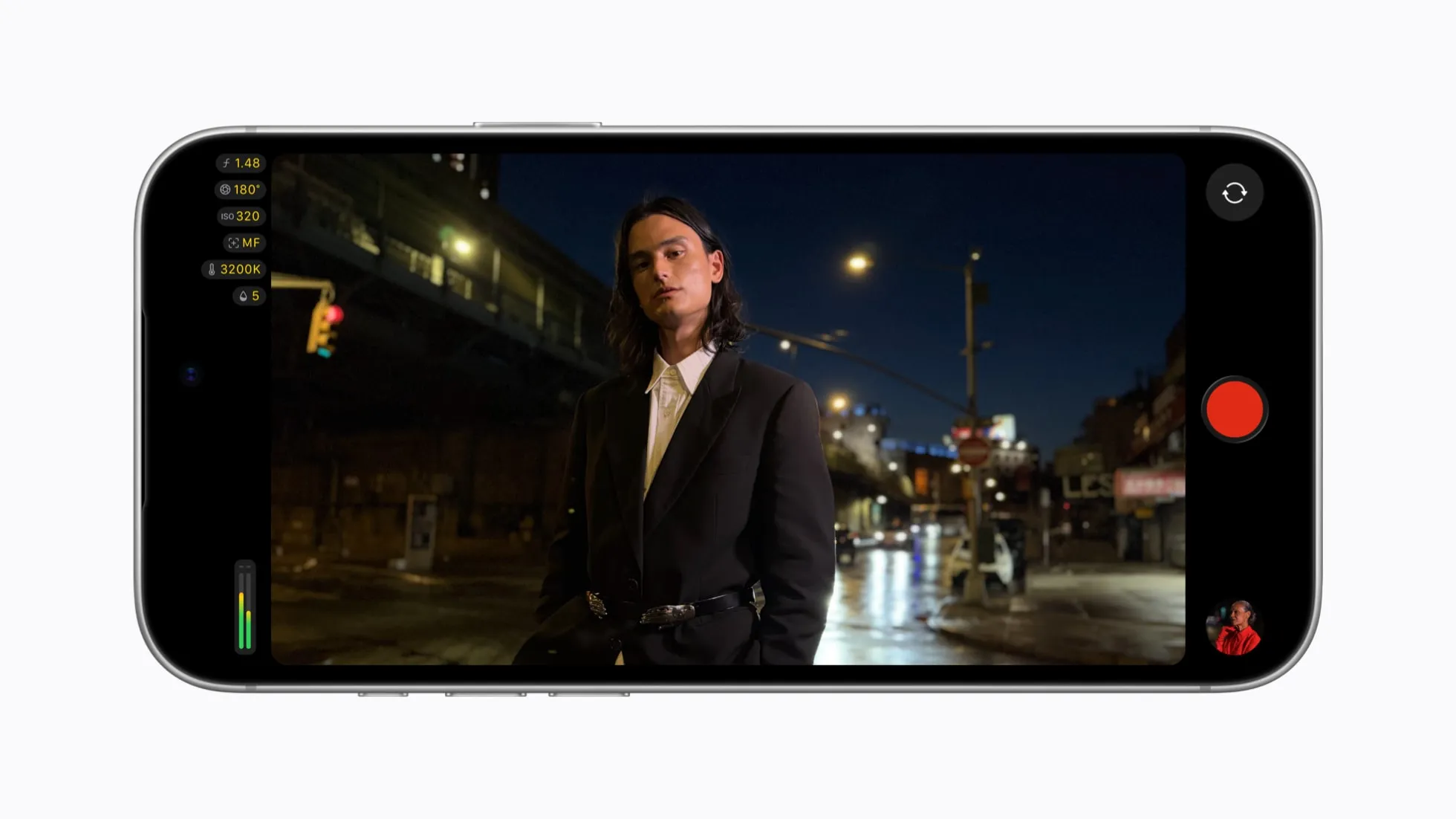
Let's start with the genuinely impressive stuff, because Apple's hardware engineering teams delivered some of their strongest work in years. The iPhone 17 lineup represents a masterclass in product evolution, finally bringing premium features to the base model in ways that impressed even longtime skeptics. We're talking about always-on displays and ProMotion technology making their way to standard iPhone users—features that were previously locked behind the Pro paywall.
What makes this hardware success particularly significant is how it demonstrates Apple's ability to execute flawlessly where it matters most. The Pro models underwent a dramatic transformation, as Apple abandoned the jewelry-like aesthetic for something much more utilitarian. Content creators are particularly excited about specialized features that they'll actually use in their daily workflows. The current slate of iPhones is super impressive, representing one of Apple's strongest generational leaps in recent memory.
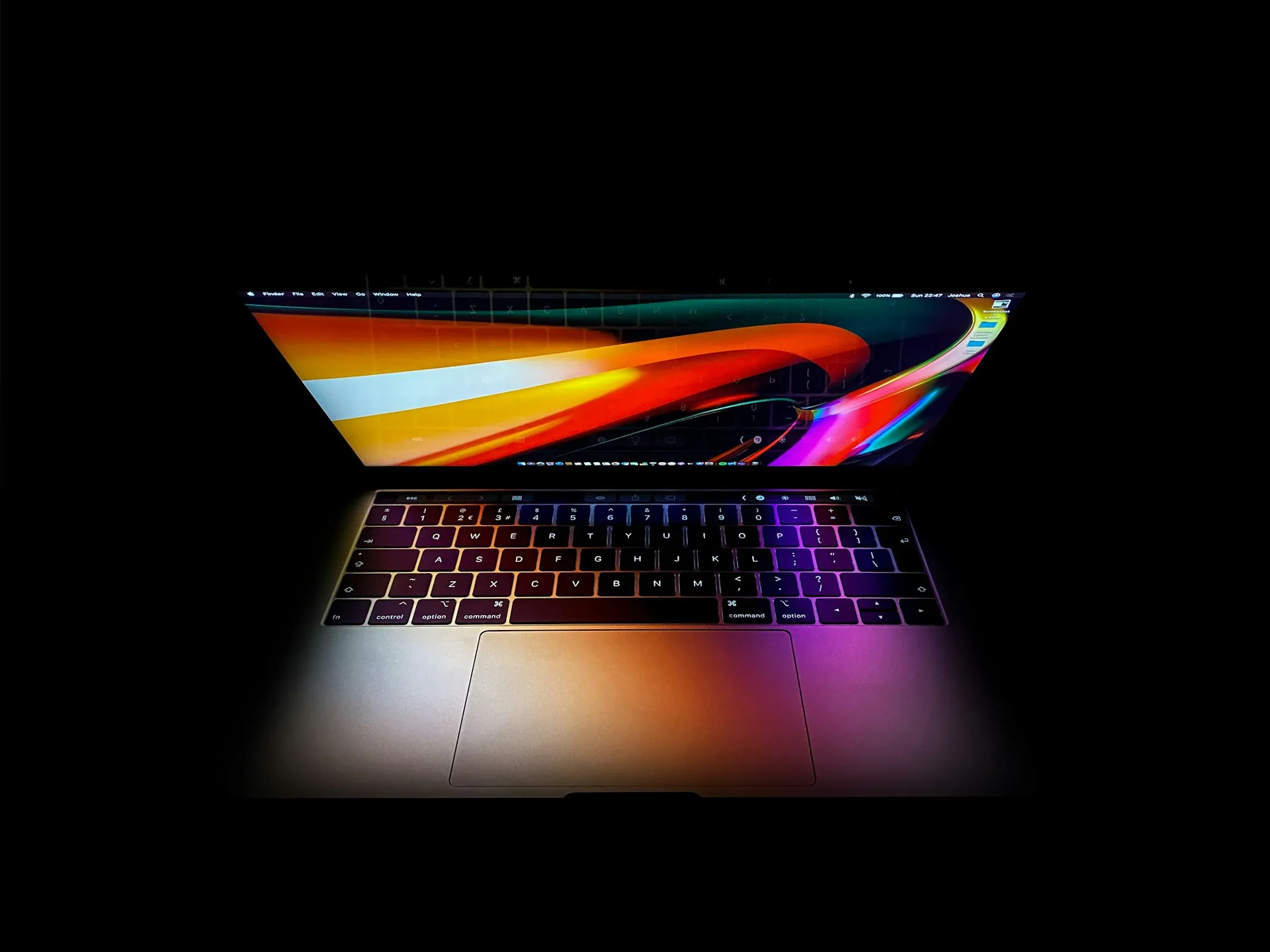
This hardware excellence extends across Apple's product line. The Mac Studio got a nice upgrade earlier this year and now rocks the M4 Max and the new M3 Ultra chip, while the Mac mini continues to benefit from its 2024 redesign, maintaining its reputation as a compact powerhouse.
Then there's the Vision Pro refresh, which finally addressed the elephant in the room: comfort. The M5 version delivers significantly improved performance and battery life, finally putting it in "watch any movie you want" territory with another 30 or 60 minutes of battery life, depending on what you're doing.
PRO TIP: If you've been holding onto an older iPhone, this might be the perfect time to upgrade. The feature gaps between generations have rarely been this significant, and the base iPhone 17 now includes premium features that used to require a Pro purchase.
The stumbling blocks: Where execution fell short
Now here's where things get uncomfortable, and we need to address the execution challenges that have undermined Apple's otherwise strong year. The company's AI strategy experienced a breakdown in the reliability that Apple spent decades building. Apple announced so many Apple Intelligence features that were nowhere near ready, creating exactly the kind of credibility gap that threatens the company's core value proposition.
This isn't just about delayed features—it's about broken promises that strike at the heart of Apple's brand identity. The promised next-generation Siri is still not here, and that matters because Apple has built an exceptional record of credibility over 30 years. If the company showed or promised a feature, customers could count on it arriving as scheduled. These AI delays represent a pattern break that feels genuinely concerning for a company built on "just working."
Compounding these execution concerns is a leadership exodus that suggests deeper organizational challenges. Apple announced the departures of three executive team members in less than a week, including key figures like Lisa Jackson, Apple's vice president of environment, policy, and social initiatives, and general counsel Kate Adams. Most notably, Alan Dye, whose departure did not garner a press release, is headed to Meta.
This brain drain occurs at a particularly sensitive moment, with Tim Cook reportedly handing over the reins sometime in 2026, probably to Apple's Senior Vice President of Hardware Engineering, John Ternus. When combined with ongoing regulatory challenges—as Apple continues to find itself at odds with governments around the world over its handling of the App Store, third-party software and hardware integration, and more—these execution problems begin to paint a picture of a company struggling to maintain its operational excellence across multiple fronts.
The ugly truth: Systemic vulnerabilities exposed
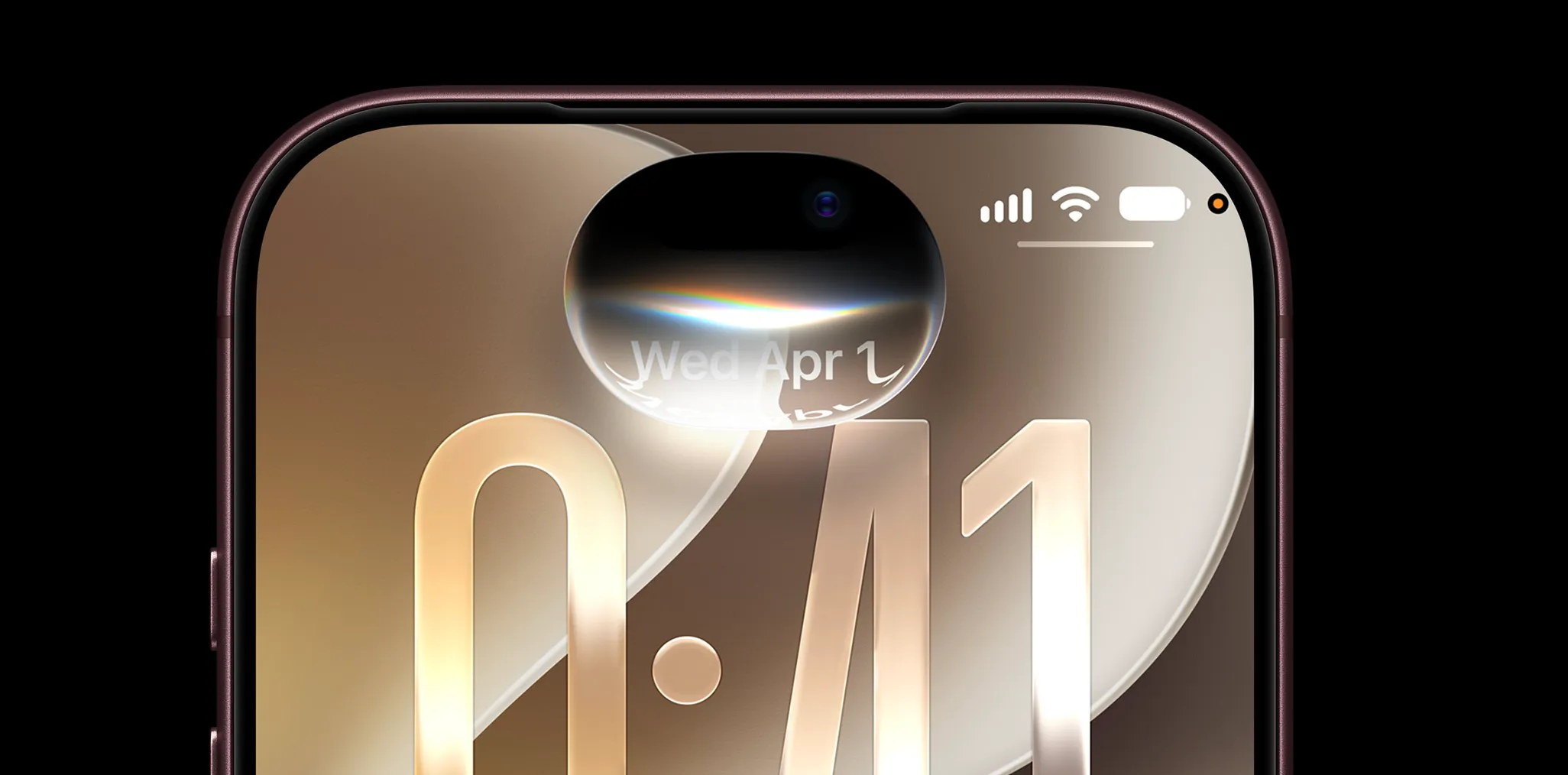
Beyond the immediate operational challenges, 2025 has exposed structural problems that demand serious strategic attention. The Liquid Glass controversy serves as a perfect example of how Apple's missteps now resonate differently with its user base. The incident created a tidal wave of opinions about Apple losing its way, forgetting about accessibility, and trying to distract from its AI woes.
What made this controversy particularly damaging wasn't just the product decision itself, but how it crystallized growing concerns about Apple's priorities and focus. The criticism stung precisely because it tapped into broader anxieties about whether Apple still understands and serves its core user base effectively.
Perhaps more alarming are the supply chain vulnerabilities that have emerged. A shortage of low-thermal-expansion-coefficient fibreglass cloth threatens the iPhone 17 production timeline, highlighting dangerous single-source dependencies that could derail future product launches. Grace Fabric Technology, Apple's main supplier, is currently unable to meet demand, and with only one manufacturer in the world that can produce this component at the necessary scale, Apple's sourcing options are severely limited.
This supply chain fragility represents exactly the kind of systemic risk that sophisticated operations should anticipate and mitigate. The fact that Apple finds itself in this position suggests either strategic oversights or an acceptance of single-source dependencies that could prove costly.
The Vision Pro situation encapsulates many of these broader challenges. Despite the M5 refresh, Apple's expensive Vision Pro headset is still a niche product. At $3,499 for 256GB, it remains prohibitively expensive for most consumers. More concerning, reports have circulated that Apple has deprioritized Vision Pro development internally, with the company apparently trying to shift toward something more like Meta's less-obtrusive augmented reality glasses.
Looking ahead: Strategic implications for Apple's future
The mixed results of 2025 reveal important truths about Apple's current capabilities and future challenges. The company's hardware engineering remains world-class—the iPhone 17 and Mac updates prove that beyond doubt. But the contrast with software and services execution, particularly in AI, suggests internal resource allocation and strategic focus issues that need addressing.
Apple's stock is up roughly 12% this year, which represents solid performance but falls well short of 2024's 30% increase. While Apple's new iPhone 17 sales have been strong and are only expected to climb higher next year, the AI delays and leadership changes create legitimate questions about the company's ability to execute on its broader strategic vision.
The competitive landscape adds urgency to these execution challenges. Apple delayed a major update to its Siri voice assistant that was expected to bring it closer to OpenAI's ChatGPT and Google's Gemini, while competitors continue advancing their AI offerings at an accelerating pace. This isn't just about feature parity—it's about maintaining relevance in an increasingly AI-driven technology ecosystem.
The leadership transition planning adds another critical dimension. Apple's known for having a uniquely tight-knit company culture driven by secrecy, so this level of executive turnover feels particularly significant at a moment when the company needs clear strategic direction and flawless execution.
Bottom line: Apple's 2025 has been a year of revealing contradictions. Brilliant hardware achievements have been shadowed by software execution struggles. Strong sales numbers are tempered by strategic execution concerns. Impressive innovation has been undermined by broken promises and organizational turbulence.
What we're witnessing is a tech giant grappling with the reality that excellence in one area doesn't automatically translate to success in others. The company that once "just worked" is discovering that in today's rapidly evolving AI landscape, working harder doesn't necessarily mean working smarter. The real test ahead will be whether Apple can restore its reputation for seamless execution while navigating an increasingly complex technological and competitive environment that demands both innovation and reliability in equal measure.



Comments
Be the first, drop a comment!