





Apple's 2026 product lineup is shaping up to be absolutely massive, and frankly, it's about time. After years of incremental updates and cautious innovation, Apple appears ready to make some serious waves with everything from their first foldable iPhone to a complete Siri overhaul powered by large language models. What makes this particularly strategic is how Apple is finally addressing three critical market pressures simultaneously: AI competition, accessibility through pricing, and ecosystem integration—a comprehensive approach that could fundamentally reshape their competitive position.
The iPhone Fold finally arrives: Apple's foldable revolution
Here's what everyone's been waiting for: Apple's first foldable iPhone is actually happening. After watching Samsung and others navigate early foldable challenges, Apple has been quietly perfecting their approach, and 2026 is when we'll finally see the results of that methodical strategy. The iPhone Fold—yes, that's apparently what they're calling it—will launch as part of the iPhone 18 lineup in September 2026.
The engineering breakthrough Apple has achieved sets this apart from every other foldable device. Reports suggest the device will feature displays measuring approximately 5.3 inches when closed and 7.7 inches when opened, but the real innovation lies in solving the persistent crease problem. Apple has reportedly some reports claim a Liquidmetal-style hinge and heavy engineering to reduce the crease, but this remains unverified and debated.
What's remarkable is how Apple has prioritized thinness without sacrificing durability. We're looking at an ultra-thin profile that measures just 4.5mm when unfolded and around 9mm when closed—dimensions that put most traditional smartphones to shame. The device will feature a titanium chassis with premium materials throughout, with early prototypes existing in classic black and white color options.
The pricing strategy reflects Apple's premium positioning while establishing a new product tier. Industry analysts predict the iPhone Fold will cost between $2,000 and $2,500, making it Apple's most premium iPhone offering to date. This isn't just expensive for the sake of exclusivity—it represents the cost of pioneering technology that competitors have struggled to perfect, positioning Apple as the company that finally made foldables worthy of mainstream adoption.
Budget-friendly MacBook enters the market
Here's something that signals a major strategic shift: reports indicate Apple plans a lower-cost MacBook targeted for early 2026 (rumors). We're talking about a device priced well under $1,000, launching in early 2026 and targeting students, casual users, and anyone who's been priced out of the Mac ecosystem until now.
What makes this approach brilliant is the chip strategy. Instead of developing a budget version of their M-series processors, Apple is rumored to use an A-series chip such as the A18 Pro chip from the iPhone 16 Pro. This isn't a compromise—it's strategic resourcefulness. Internal testing shows that the A18 Pro can deliver performance that rivals the M1 chip in certain benchmarks, meaning genuine Mac performance at a fraction of traditional costs.
The design philosophy represents smart cost-cutting without sacrificing core functionality. The device will feature a display smaller than the current 13.6-inch MacBook Air, likely around 12.9 inches, with a standard LCD panel instead of more expensive display technologies. This isn't Apple making a "lesser" product—they're making calculated trade-offs that maintain the essential MacBook experience while hitting an aggressive price point that could dramatically expand their addressable market.
The confidence behind this strategy is evident in the color options: expect to see the MacBook available in bright colors similar to the iMac lineup, including silver, blue, pink, and yellow. Apple wants this device to stand out and appeal to younger, more price-conscious demographics who've been waiting for an accessible entry point into the Mac ecosystem.
Connectivity reflects practical prioritization, with likely just one or two USB-C ports without Thunderbolt support. For the target audience doing web browsing, document creation, and light creative work, this represents perfectly adequate functionality at significant cost savings.
LLM-powered Siri transforms the assistant experience
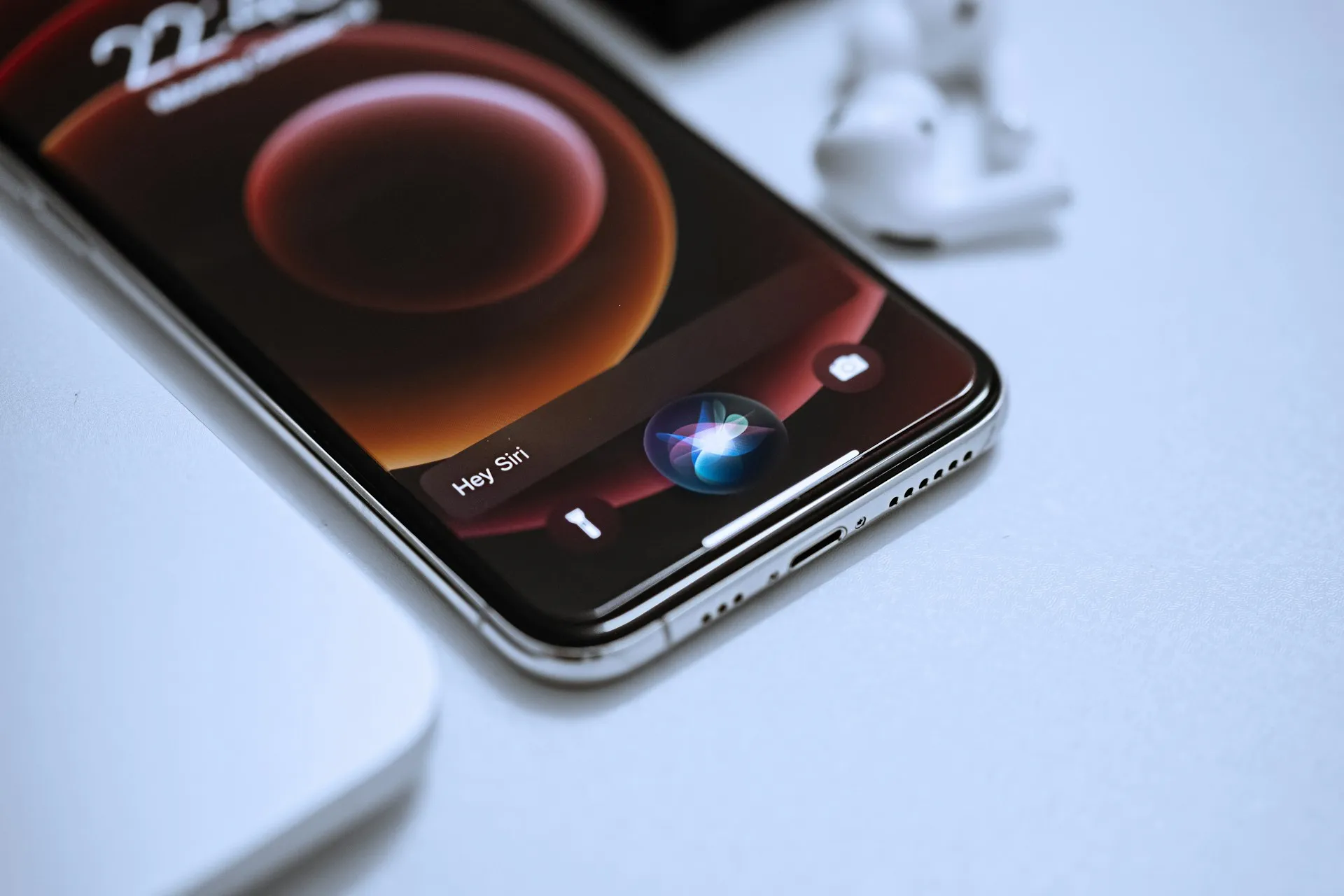
This might actually be the most strategically significant announcement for 2026, even if it's not getting flashy headlines. Apple is completely rebuilding Siri using large language models, with the new version scheduled to arrive with iOS 26.4 as early as March.
Why this represents a fundamental shift: Apple couldn't get the first-generation Siri architecture to work with modern AI capabilities, so they had to rebuild the entire system from scratch. What they're creating is essentially a new AI assistant that will function more like ChatGPT or Claude than the limited voice assistant we've been dealing with.
The centerpiece is something Apple internally calls "World Knowledge Answers," which will function similarly to ChatGPT or Google's AI overviews, providing comprehensive responses to general queries. This transforms Siri from a basic command interface into a research assistant that can understand context, synthesize information from multiple sources, and provide genuinely useful responses across domains.
Apple's hybrid AI approach balances capability with privacy commitments. The company has been testing relationships with Google, Anthropic, and OpenAI to power different aspects of the service while keeping personal data processing on Apple's own models. This allows Apple to leverage best-in-class AI capabilities while maintaining their privacy-first positioning—a competitive advantage that could prove decisive as AI becomes commoditized.
The technical architecture reveals sophisticated planning: the new system features three core components: a planner for interpreting requests, a search engine for gathering information, and a summarizer for delivering concise answers. Eventually, Apple plans to expand these capabilities to Safari and Spotlight search, creating a unified AI-powered information system that could challenge Google's search dominance within Apple's ecosystem.
Comprehensive device updates across the ecosystem
Beyond the headline products, Apple's 2026 roadmap demonstrates systematic ecosystem reinforcement across every major product category. This isn't just about individual device updates—it's about creating integration touchpoints that deepen user lock-in while expanding market reach.
Starting with iPads, the iPad 12 will launch early in the year with Apple's A19 chip, while the iPad mini 8 could receive OLED display technology and the A20 Pro processor. The iPad mini getting a Pro-level processor signals Apple's intent to position it as a legitimate creative tool rather than just a consumption device—expanding the professional market for their smallest tablet format.
The Mac lineup will see comprehensive M5 chip updates across the MacBook Air and MacBook Pro lines, with M5 Pro and M5 Max variants expected for professional users. This continues Apple's silicon advantage while ensuring every Mac user experiences substantial performance improvements, reinforcing the value proposition of staying within the ecosystem.
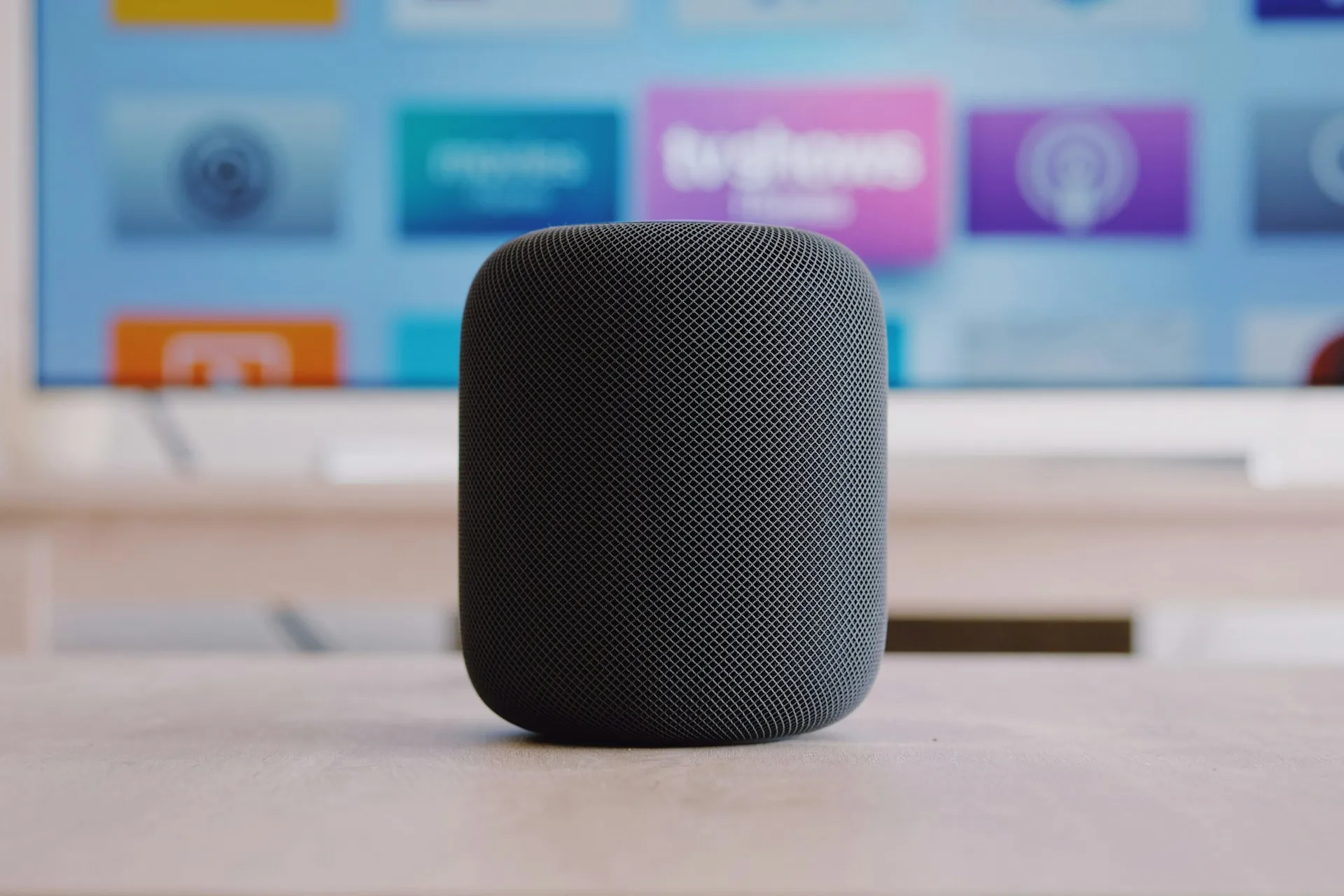
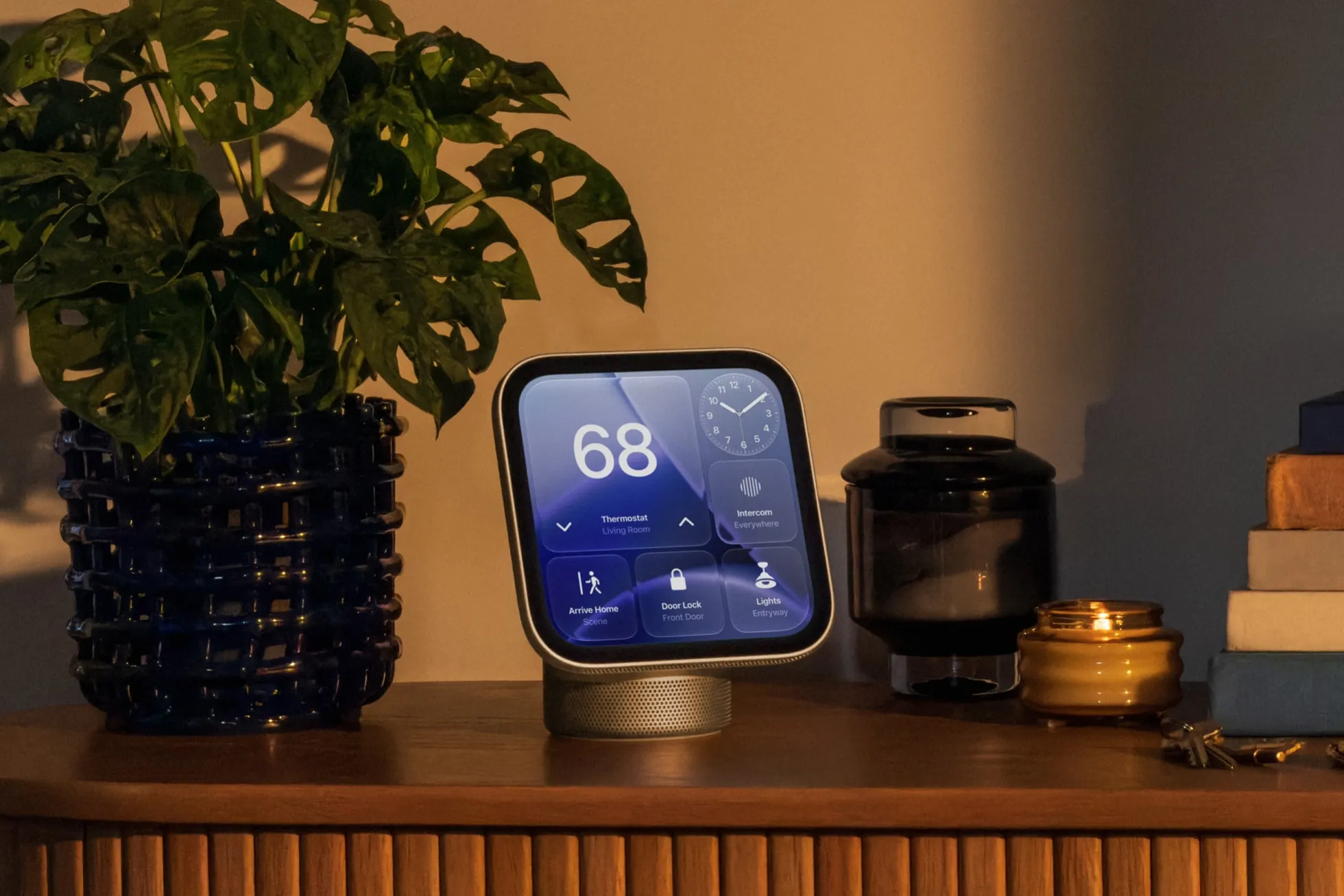
Apple's smart home expansion represents their most ambitious new category push. The company is developing new smart home products, including an updated HomePod mini ready for spring launch and potentially the first Apple smart display. The smart display—available in both speaker-base and wall-mounted versions—positions Apple to finally compete directly with Amazon Echo Show and Google Nest Hub while leveraging the redesigned Siri as a differentiating factor.
Perhaps most strategically significant, Apple has begun merging Fitness+ with Health to create a unified wellness ecosystem. This sets the foundation for a Health+ subscription service that will integrate with the redesigned Siri for personalized health coaching—creating a revenue stream that leverages Apple's privacy advantages and device integration while building deeper ecosystem dependency through health data.
What this means for Apple's future strategy
Looking at Apple's 2026 lineup comprehensively reveals a sophisticated three-pronged strategy addressing the company's most pressing competitive challenges.
The AI integration strategy positions Apple to compete directly with AI-first companies while maintaining differentiation through privacy and integration. This isn't just about adding AI features—it's about ensuring Apple remains relevant as artificial intelligence reshapes consumer technology expectations. By rebuilding Siri as a genuine AI assistant and integrating it across health, smart home, and productivity workflows, Apple creates an AI experience that competitors can't replicate without Apple's hardware ecosystem.
The market expansion strategy breaks from Apple's traditional premium-only approach in calculated ways. The introduction of a sub-$1,000 MacBook could dramatically expand Apple's addressable market in education and emerging economies, while the iPhone Fold establishes Apple's presence in foldable smartphones—a category that could define premium mobile computing. These aren't just new products; they're new market entry points designed to capture users who then get pulled into the broader ecosystem.
Most importantly, the ecosystem strengthening creates compounding value through integration rather than individual product excellence. The LLM-powered Siri becomes connective tissue linking health data, device management, smart home control, and information retrieval. Apple's strategy clearly focuses on deepening ecosystem lock-in through health features, price-tiered devices, and smarter integration rather than chasing standalone innovation for its own sake.
Bottom line: 2026 represents Apple's most comprehensive platform evolution in over a decade—one that positions the company not just for the next product cycle, but for a fundamentally different competitive landscape where AI capabilities, ecosystem integration, and market accessibility determine long-term success. Whether Apple can execute across all these ambitious fronts simultaneously will define their trajectory for the rest of the decade.




Comments
Be the first, drop a comment!