



Apple's corporate landscape in 2026 reveals a tech giant confidently navigating strategic transitions while delivering both innovation and stability. What's fascinating is how the company balances maintaining its premium market position with decisive architectural shifts across multiple product categories. From smart home migrations with hard deadlines to ambitious hardware roadmaps that could redefine entire product categories, Apple is positioning itself for what could be its most transformative year yet.
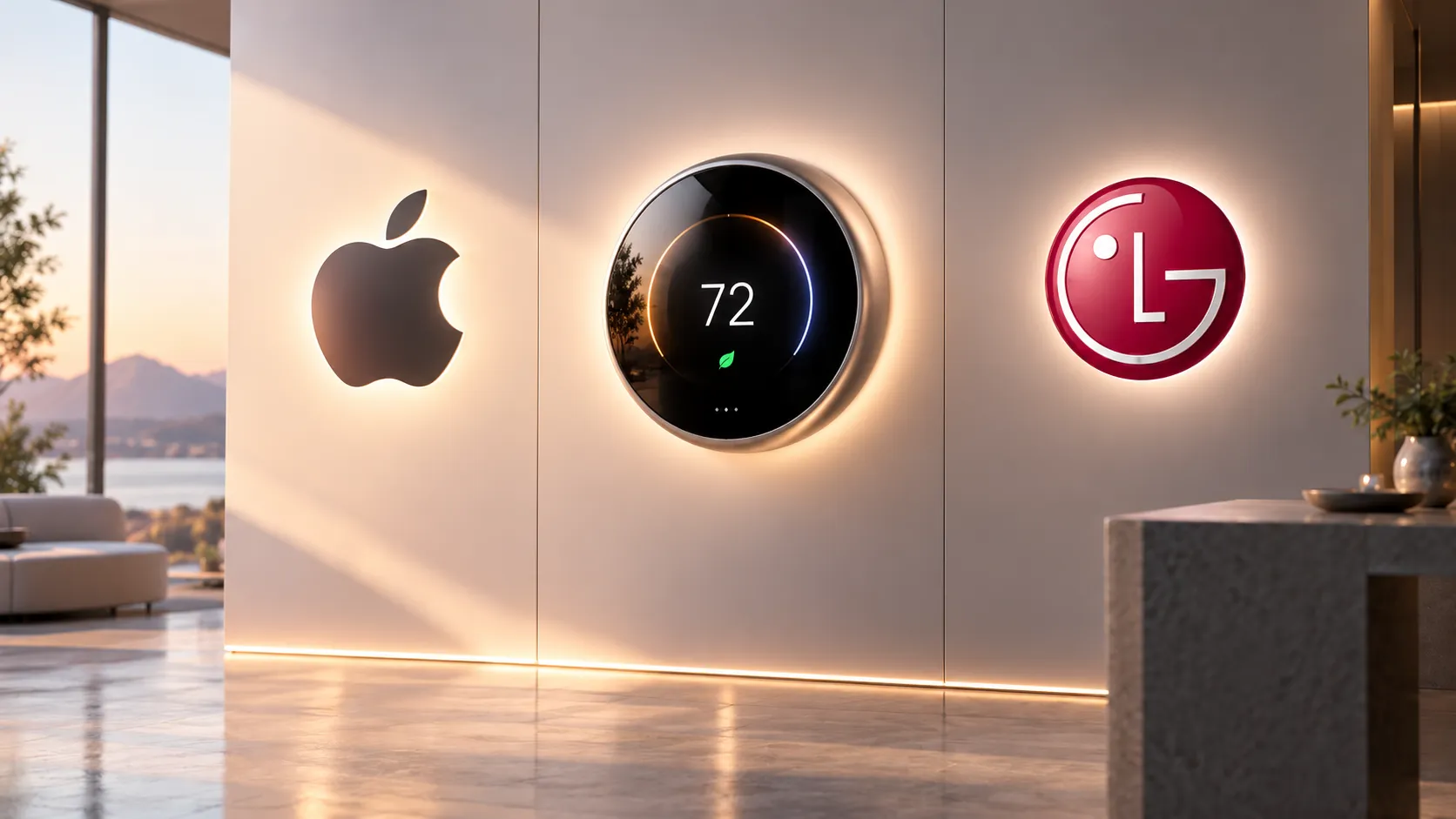
The smart home space showcases Apple's willingness to force necessary evolution, even when it means leaving some users behind. The company has issued final reminders about a major transition affecting its smart home users, with support ending for the previous version of Apple Home (pre-upgrade Home architecture) on February 10, 2026. This isn't just routine maintenance – Apple is pushing users toward its updated platform, which enables enhanced features including guest access and robot vacuum support.
PRO TIP: If you're using Apple Home devices, check your iOS version now. Apple requires iOS/iPadOS 16.2+, macOS 13.1+, tvOS 16.2+, and HomePod software 16.2+ for the upgraded Home architecture across devices in the home, potentially leaving older hardware stranded. This calculated obsolescence exemplifies Apple's strategy of forcing ecosystem upgrades while delivering genuinely improved functionality – keeping their hardware refresh cycle humming along while advancing the platform's capabilities.
Executive compensation reveals Apple's steady leadership approach
Apple's latest compensation disclosures offer a window into the company's strategic thinking about leadership and performance. Tim Cook's earnings for 2025 remained remarkably stable, with his total compensation reaching $74.3 million, down slightly from $74.6 million in 2024. But here's what makes this interesting – it's not just about the numbers.
The compensation structure tells the real story. His package included a $3 million base salary, $57.5 million in stock awards, and $12 million in performance-based cash incentives, reflecting Apple's long-term thinking over short-term performance spikes. What's particularly revealing is that the company set a target compensation of $59 million for Cook in 2025, while the proxy sets a $59M target package, the reported total compensation for 2025 was $74.29M.
Bottom line: Apple hit or exceeded its internal benchmarks, even if public perception sometimes suggests otherwise. The executive team's compensation remained consistent, with most key Apple executives earning around $27 million in 2025, while newly appointed CFO Kevan Parekh received $22.47 million (or $22,467,309) – a measured approach for someone still proving themselves in a new role.
What this means for investors: The compensation stability signals confidence in current leadership while succession planning discussions intensify. It's a foundation for the ambitious roadmap ahead.
Shareholder meeting signals potential governance shifts
Apple's upcoming governance activities reveal both continuity and strategic flexibility in leadership decisions. The 2026 shareholders meeting is scheduled for February 24 at 8:00 a.m. Pacific Time, with standard agenda items including board re-elections and executive compensation approval. But the real story lies in an unusual board decision.
Both Art Levinson and Ron Sugar are seeking re-election despite being over 75, which typically triggers Apple's governance guidelines about director age limits. The board's decision to waive these restrictions demonstrates something crucial about Apple's values: Apple provided justification for keeping these directors, citing their significant experience and ongoing contributions.
This strategic choice signals that Apple prioritizes institutional knowledge retention over rigid rule-following, particularly during what could be a critical leadership transition period. It's governance pragmatism that suggests the company values continuity and expertise when navigating major strategic shifts.
For shareholders: This approach indicates Apple isn't just following corporate governance playbooks blindly – they're making strategic decisions about preserving institutional wisdom during potential leadership transitions.
Product roadmap hints at ambitious 2026 lineup
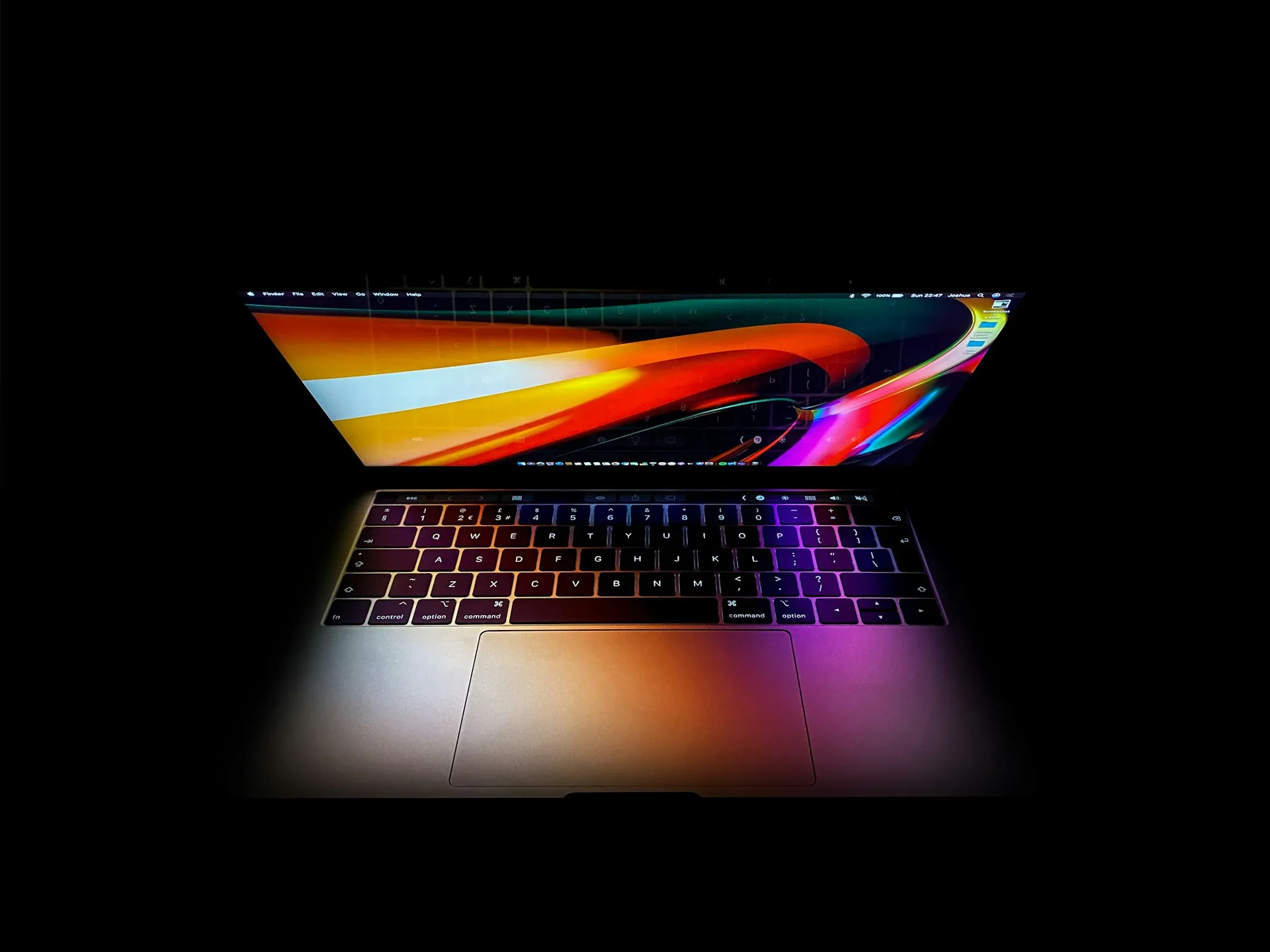
Here's where Apple's 2026 strategy gets genuinely exciting. The hardware roadmap appears unusually aggressive, with the company expected to announce up to four new MacBook models this year – one of the most comprehensive refreshes in recent memory.
The most strategic move could be the entry-level option: a low-cost MacBook with A18 Pro chip, expected to cost well under $1,000 (with speculation around ~$599–$699). Think about the implications – that price point puts Apple directly in competition with premium Windows laptops while maintaining their chip advantage. It's potential market expansion without premium brand dilution.
The technical advancement story is equally compelling. New MacBook Pro models will feature M5 Pro and M5 Max chips built on TSMC's third-generation 3-nanometer process, with the M5 MacBook Air potentially offering 12-15% performance improvements over M4 models.
But here's the potential game-changer: Apple is developing a MacBook Pro with OLED touchscreen display, expected in late 2026 or early 2027. Remember the mixed reception of the Touch Bar? This feels like Apple's comprehensive answer – instead of a strip, they're potentially transforming the entire display experience.
What this means for users: If Apple nails the implementation (and their display technology track record is solid), this could fundamentally redefine expectations for professional laptops, potentially bridging the gap between traditional computing and touch-first interfaces.
iOS adoption challenges reveal user hesitancy
Here's the unexpected development that should make any software executive pause: the sluggish adoption of iOS 26. Only 15-16% of active iPhones are running any version of iOS 26, months after its release, contrasting sharply with historical patterns where previous iOS releases like iOS 18 achieved roughly 63% adoption within four months.
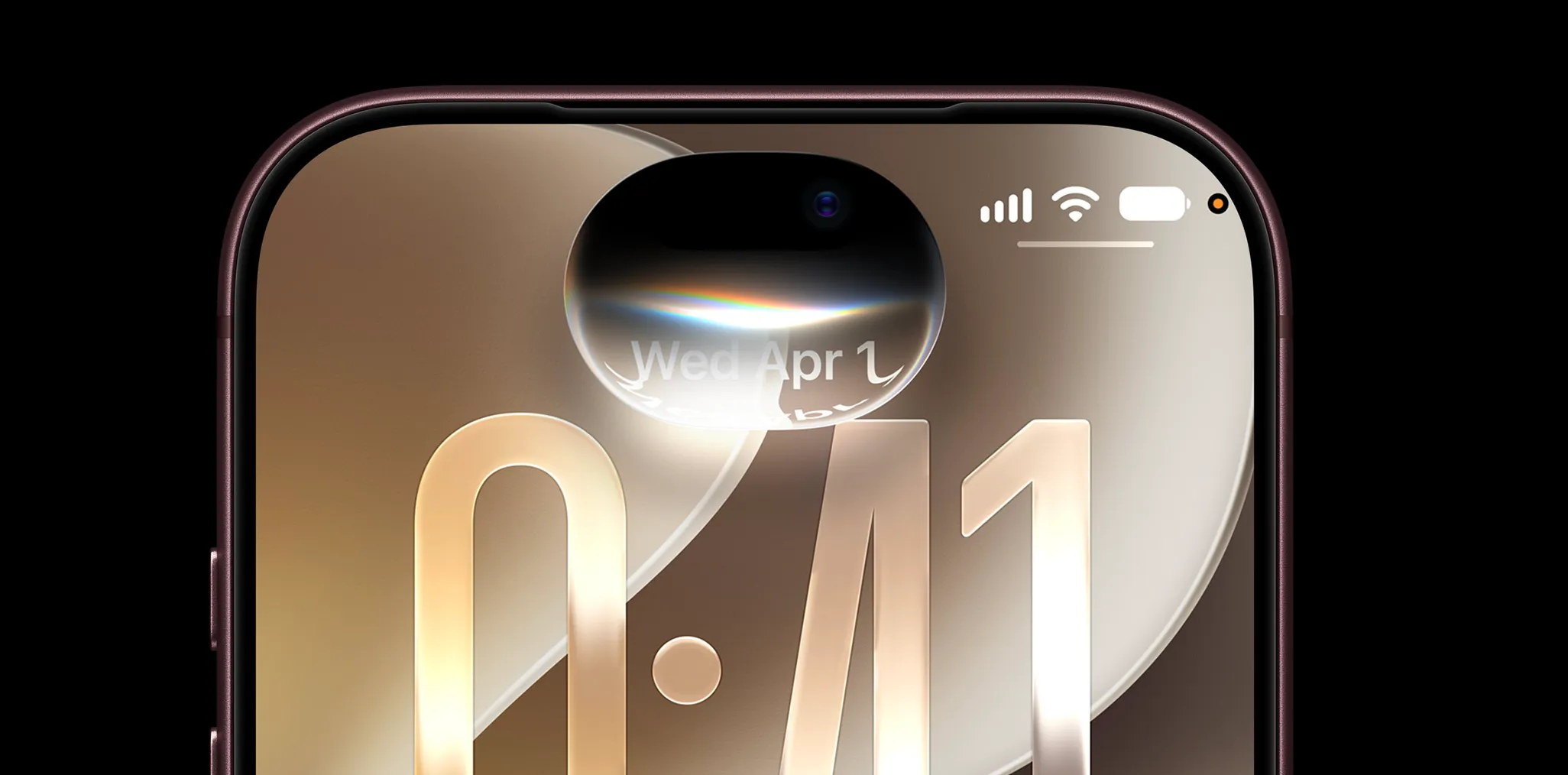
The resistance appears tied to iOS 26's Liquid Glass interface featuring translucent layers and dynamic depth effects – a dramatic departure from previous iOS design language. This hesitancy among Apple's typically eager customer base reveals something important: even Apple users resist major interface overhauls when they feel too jarring.
Key takeaway: This adoption pattern suggests Apple might need to reconsider their approach to major UI changes. Users have grown accustomed to iOS's design language over many years, and dramatic shifts can feel disruptive even when technically superior.
For developers and IT managers: This slow adoption creates a fragmented user base that affects app development strategies and enterprise deployment timelines. Plan accordingly for extended transition periods.
Where Apple's ecosystem evolution leads us
Apple's 2026 trajectory reveals a mature company confidently balancing multiple strategic imperatives. The executive compensation stability provides foundation for ambitious hardware innovation, while the smart home transition demonstrates Apple's willingness to force necessary upgrades when strategic benefits justify short-term user friction.
The hardware pipeline looks particularly promising – from aggressive MacBook refreshes to potentially transformative OLED touchscreen implementations. These advances position Apple to maintain technological leadership while expanding addressable markets through strategic pricing.
However, the iOS 26 adoption challenges offer a crucial lesson: even Apple must carefully balance innovation pace with user comfort. The company appears to be learning that respect for user preferences doesn't mean innovation stagnation – it means thoughtful implementation.
Looking ahead: Apple's success will depend on how well they execute this balancing act – maintaining innovation leadership while respecting user preferences, expanding market reach while preserving premium positioning, and managing potential leadership transitions while maintaining strategic consistency. The company's track record suggests they're well-positioned for these challenges, but 2026 will be a crucial test of their strategic execution across multiple fronts simultaneously.




Comments
Be the first, drop a comment!