





Apple's 2026 Smart-Home Push: HomePod Mini 2, Home Hub, and Security Cameras Could Finally Challenge Amazon and Google
Apple's smart-home ambitions have long played second fiddle to its iPhone and Mac empires, but 2026 might finally mark the year Cupertino gets serious about the living room—and beyond. Fresh whispers from the supply chain suggest three new HomeKit devices are in the pipeline: a second-generation HomePod mini, a dedicated home hub with a display, and a pair of security cameras including Apple's first-ever smart doorbell. If the rumors hold, these products could reshape how Apple users think about connected homes, privacy, and the role of on-device intelligence in everyday spaces.
The question isn't just what Apple is building, but why now—and whether these devices can finally give the company a foothold in a market dominated by Amazon and Google. Let's break it down.
Why Apple's Smart-Home Strategy Has Lagged Behind
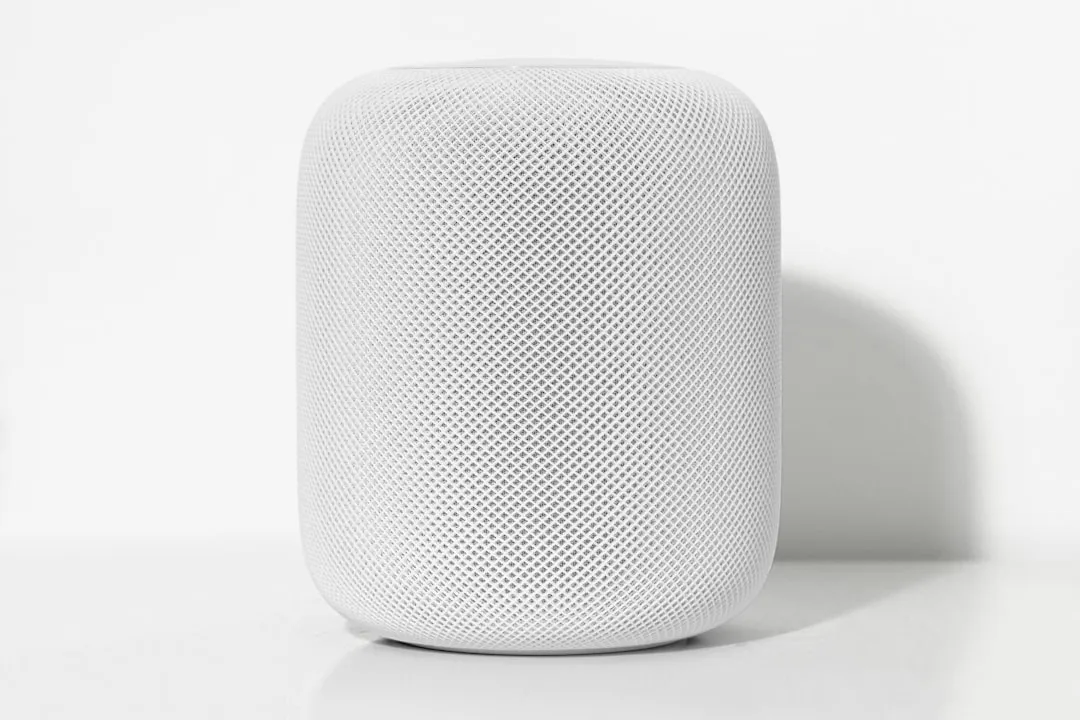
Here's the uncomfortable truth: Apple has never fully committed to the smart-home space the way it has to phones, tablets, or even watches. The original HomePod launched in 2018 with incredible audio quality but a price tag that made consumers wince. By the time Apple introduced the more affordable HomePod mini in 2020, Amazon had already sold tens of millions of Echo devices, and Google Home had become synonymous with voice-controlled homes.
HomeKit itself—Apple's smart-home platform—has struggled with ecosystem fragmentation. While the framework promised seamless integration and industry-leading privacy, it required manufacturers to meet stringent certification requirements that many simply bypassed in favor of Alexa or Google Assistant compatibility. The result? A smart-home platform with premium credentials but a frustratingly limited device catalog.
But the landscape has shifted. The introduction of Matter—the unified smart-home standard backed by Apple, Google, Amazon, and others—has eliminated many of the compatibility headaches that plagued earlier ecosystems. If Apple is indeed planning a coordinated hardware push for 2026, the timing finally makes strategic sense.
HomePod Mini 2: Fixing What the Original Got Almost Right
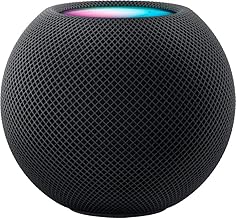
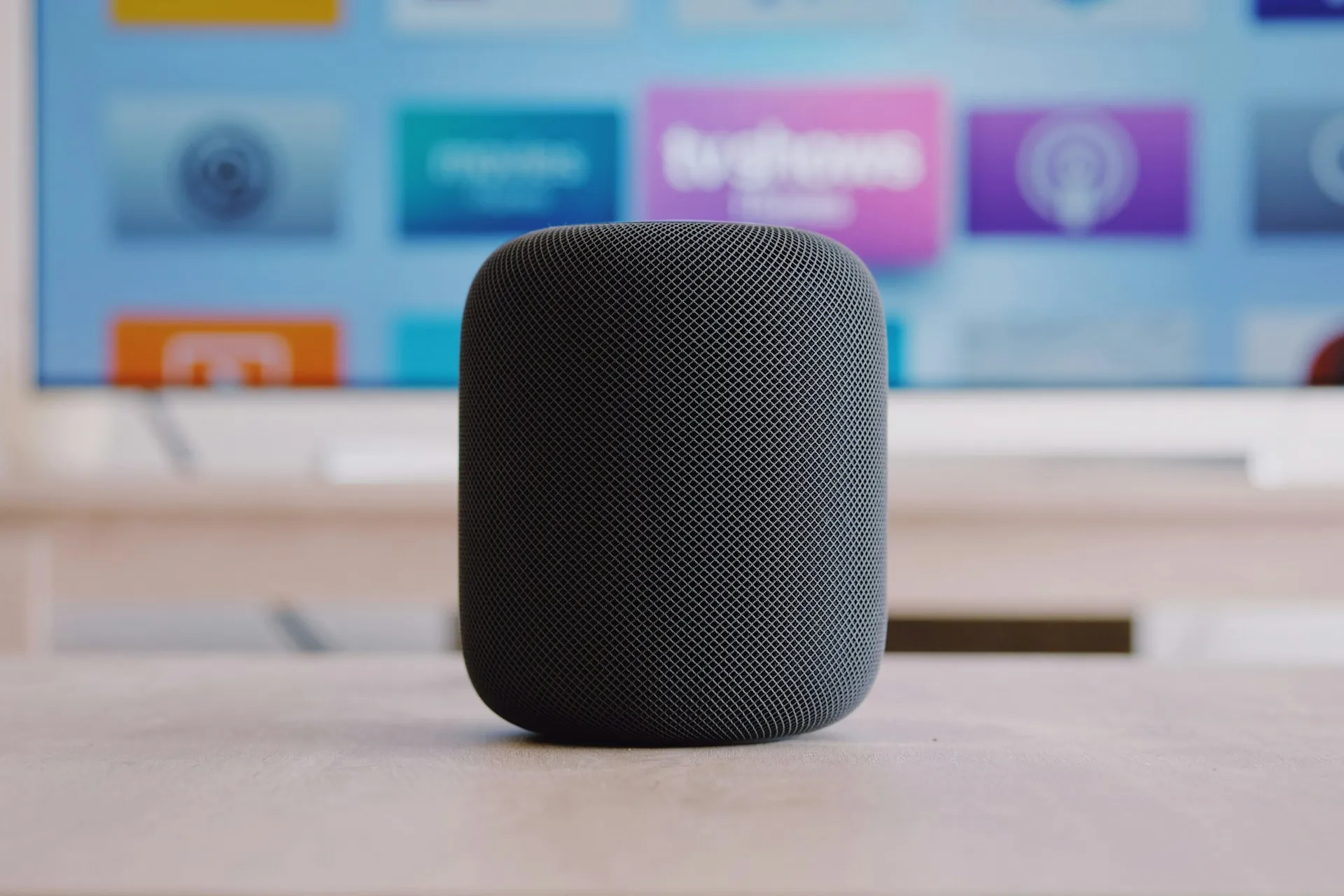
The current HomePod mini punches well above its weight class in audio quality, especially considering its compact size and $99 price point. But it's not without limitations. The S5 chip inside—borrowed from the Apple Watch Series 5—handles Siri requests adequately but occasionally feels sluggish compared to the near-instantaneous responses you get from newer Apple silicon.
What a second-generation model could bring:
A HomePod mini 2 would likely address the most common complaints about the current model. Processing power sits at the top of that list. Upgrading to an S7 or even S8 chip would dramatically improve Siri response times and enable more sophisticated on-device processing for HomeKit automations. Imagine your HomePod recognizing voice commands and executing multi-step routines without cloud round-trips—the kind of speed that makes smart-home control feel genuinely instantaneous rather than slightly delayed.
Thread radio support represents another logical upgrade. The current HomePod mini already includes Thread support and can act as a Thread border router; a new model would likely expand processing and radio capabilities. That matters more than it might seem: Thread creates a self-healing mesh network specifically designed for low-power smart-home devices, making your entire connected ecosystem more reliable.
The current HomePod mini's computational audio tuning is impressive for its size, but there's room for improvement. Apple could integrate spatial audio processing similar to what it's done with AirPods, creating a more immersive listening experience even from a single small speaker. Pair two together in stereo mode, and you'd have a surprisingly capable whole-room audio solution.
PRO TIP: If you're invested in HomeKit, hold off on buying additional HomePod minis until we see what Apple announces. A second-generation model with Thread support could significantly enhance your entire smart-home network's reliability—not just the speakers themselves.
The Home Hub: Apple's Answer to Echo Show and Nest Hub
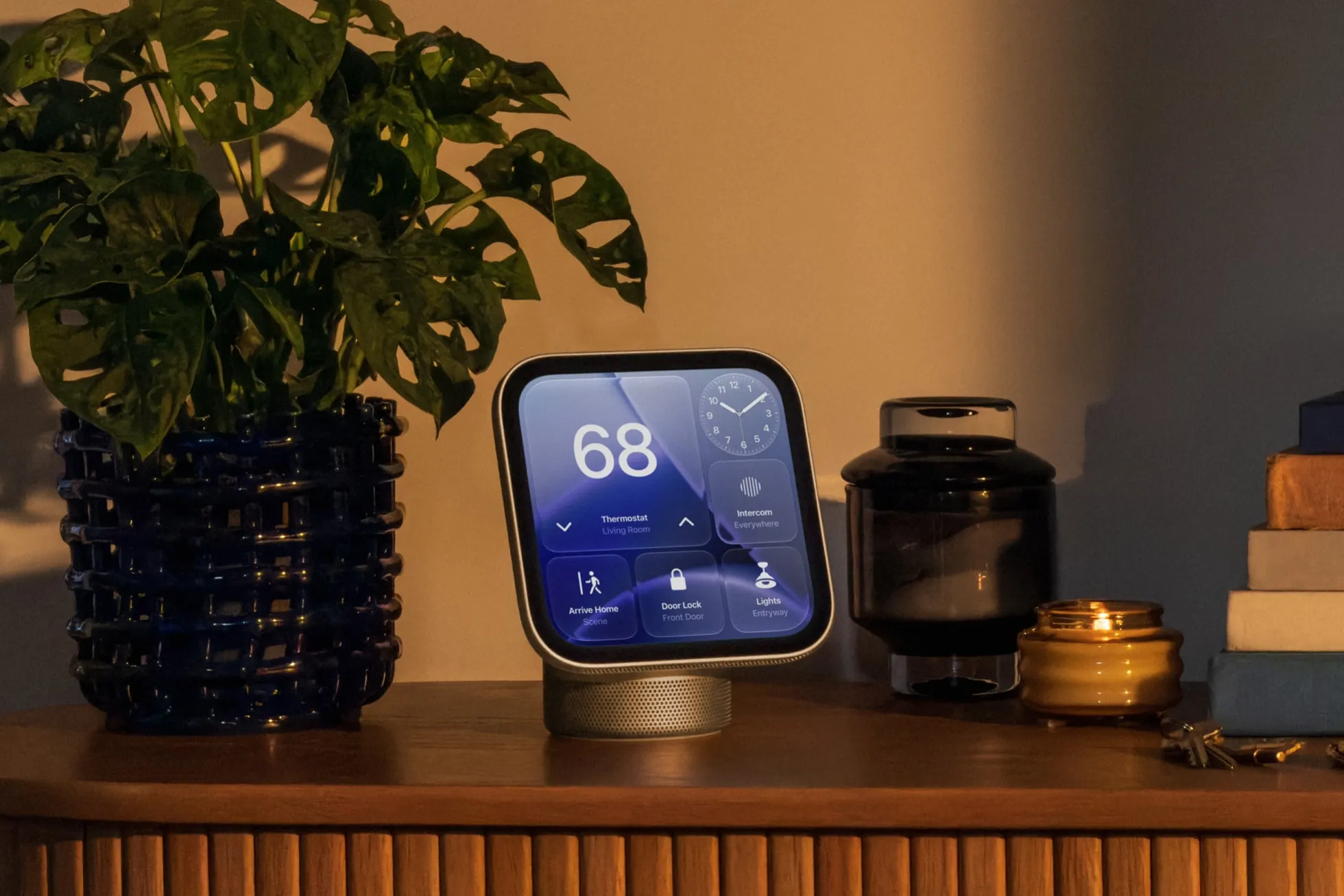
This is where Apple's rumored plans get really interesting. A dedicated home hub with a display would fill a glaring gap in Apple's ecosystem—one that Amazon and Google have exploited for years.
Think about the current limitations: If you want a central control panel for your HomeKit devices, you're either using your iPhone (which isn't always in the room you need it), an iPad (expensive and overkill for the task), or an Apple TV (which requires turning on your television). None of these solutions feel purpose-built for smart-home management the way an Echo Show or Nest Hub does.
What makes a dedicated hub compelling:
A countertop or wall-mountable display would provide at-a-glance access to camera feeds, climate controls, lighting scenes, and door locks—all without requiring you to pull out your phone. The interface would likely leverage the design language Apple developed for StandBy mode in iOS 17, which transforms iPhones into smart displays when charging horizontally.
But here's where Apple could differentiate: privacy. Amazon and Google's display-equipped hubs include cameras, raising understandable concerns about corporate surveillance in intimate spaces. Apple could follow its "what happens on your iPhone stays on your iPhone" philosophy by either omitting cameras entirely or including hardware privacy shutters with clear indicator lights—the same approach it takes with MacBook webcams.
The real differentiator, though, would be Apple Intelligence integration. Imagine a hub that uses on-device machine learning to recognize household patterns and proactively suggest automations: "You always turn off the living room lights at 10:47 PM when watching TV. Want me to create an automation for that?" That kind of contextual awareness—processed locally, never sent to the cloud—would feel distinctly Apple.
Matter compatibility would be table stakes, but Apple could go further by positioning the hub as the most secure Matter controller available. End-to-end encryption for all device communications, mandatory security updates, and strict data minimization policies would appeal to privacy-conscious consumers who've been hesitant to bring smart displays into bedrooms and home offices.
Bottom line: If Apple prices this competitively—say, $199 to $249—it could finally give the company a true smart-home command center that complements rather than competes with iPhones and iPads.
Security Cameras: Where Apple's Privacy Stance Becomes a Selling Point
Apple's entry into security cameras and video doorbells might seem late to a market already crowded with Ring, Nest, Arlo, and countless others. But timing could work in Cupertino's favor precisely because consumer trust in existing options has eroded.
Ring doorbells routinely make headlines for privacy concerns—from police partnerships that provide warrantless access to footage, to reports of employees viewing customer videos. Nest requires a subscription for most useful features, and many competitors store footage on cloud servers with unclear data retention policies. Apple has an opportunity to position its cameras as the privacy-respecting alternative in a category that desperately needs one.
What Apple's approach might look like:
HomeKit Secure Video—Apple's existing framework for security cameras—already processes video analysis entirely on-device using your home hub (an Apple TV, HomePod, or iPad). The system can distinguish between people, animals, and vehicles without sending footage to Apple's servers. Recordings are end-to-end encrypted and stored in iCloud with your allotted storage plan, meaning not even Apple can view them.
A first-party camera and doorbell would take this foundation and build hardware optimized specifically for this privacy-first approach. Expect local processing capabilities robust enough to perform advanced recognition—identifying family members versus strangers, detecting package deliveries, or recognizing unusual activity patterns—all without cloud dependency.
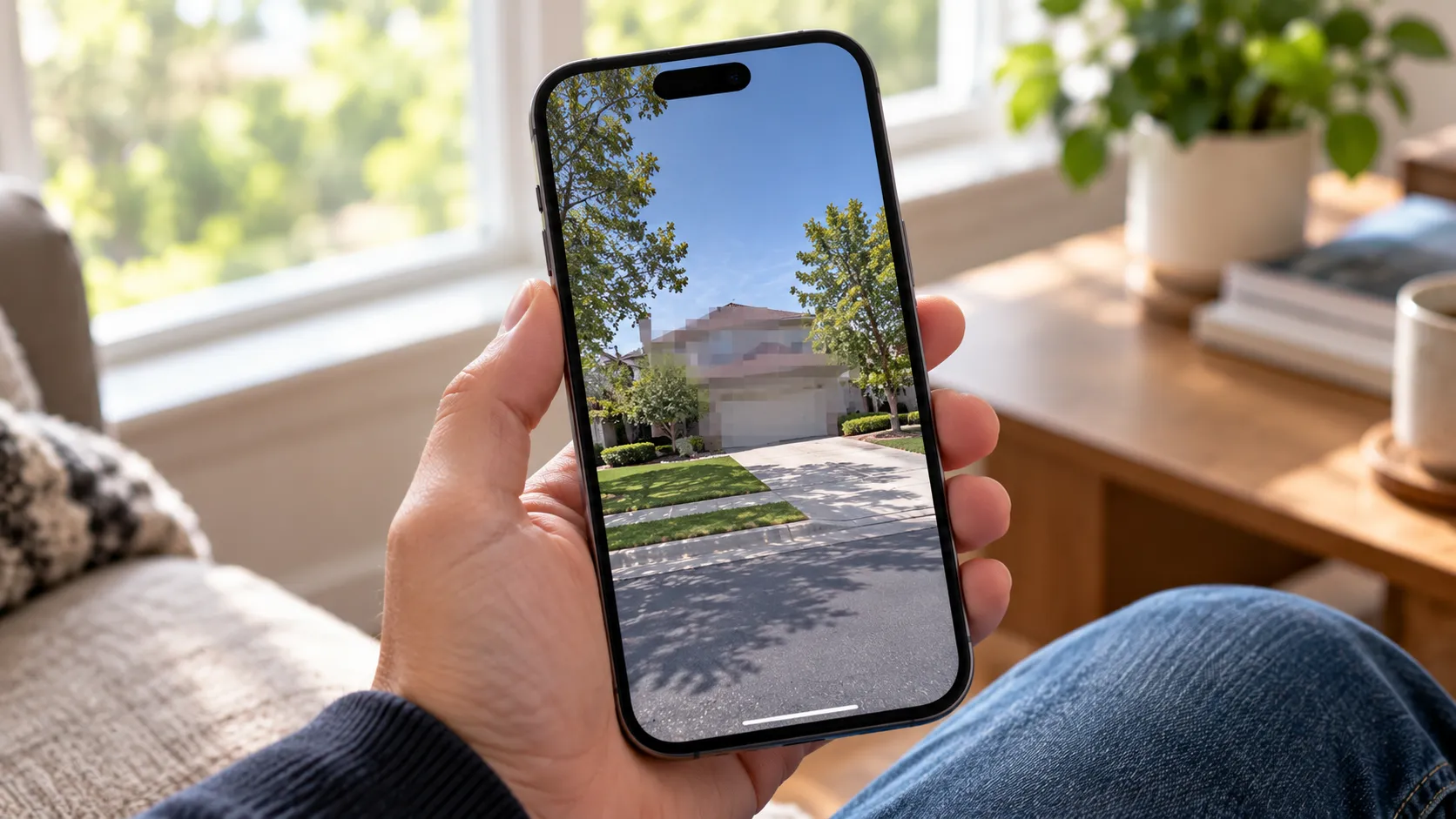
For a video doorbell specifically, Face ID integration would be transformative. Rather than sending you a generic "person at door" alert, an Apple doorbell could identify family members, regular visitors, and delivery personnel you've authorized. "Sarah is at the front door" is infinitely more useful than "motion detected," and doing that recognition entirely on-device preserves privacy in a way cloud-based systems fundamentally cannot.
PRO TIP: The biggest limitation of Apple's current security camera ecosystem is that it requires a home hub—an Apple TV or HomePod—to process video. If you're considering building out a HomeKit security setup, budget for a hub device first. Without it, you won't get activity zones, notifications, or video recording.
The doorbell camera represents particularly interesting strategic positioning. It's the one smart-home device category with near-universal appeal: whether you live in a house or apartment, own or rent, have a large family or live alone, seeing who's at your door before opening it has obvious value. If Apple can deliver a doorbell with superior video quality, instant notifications, and airtight privacy at a competitive price—even if that means $229 instead of $99—there's a massive addressable market.
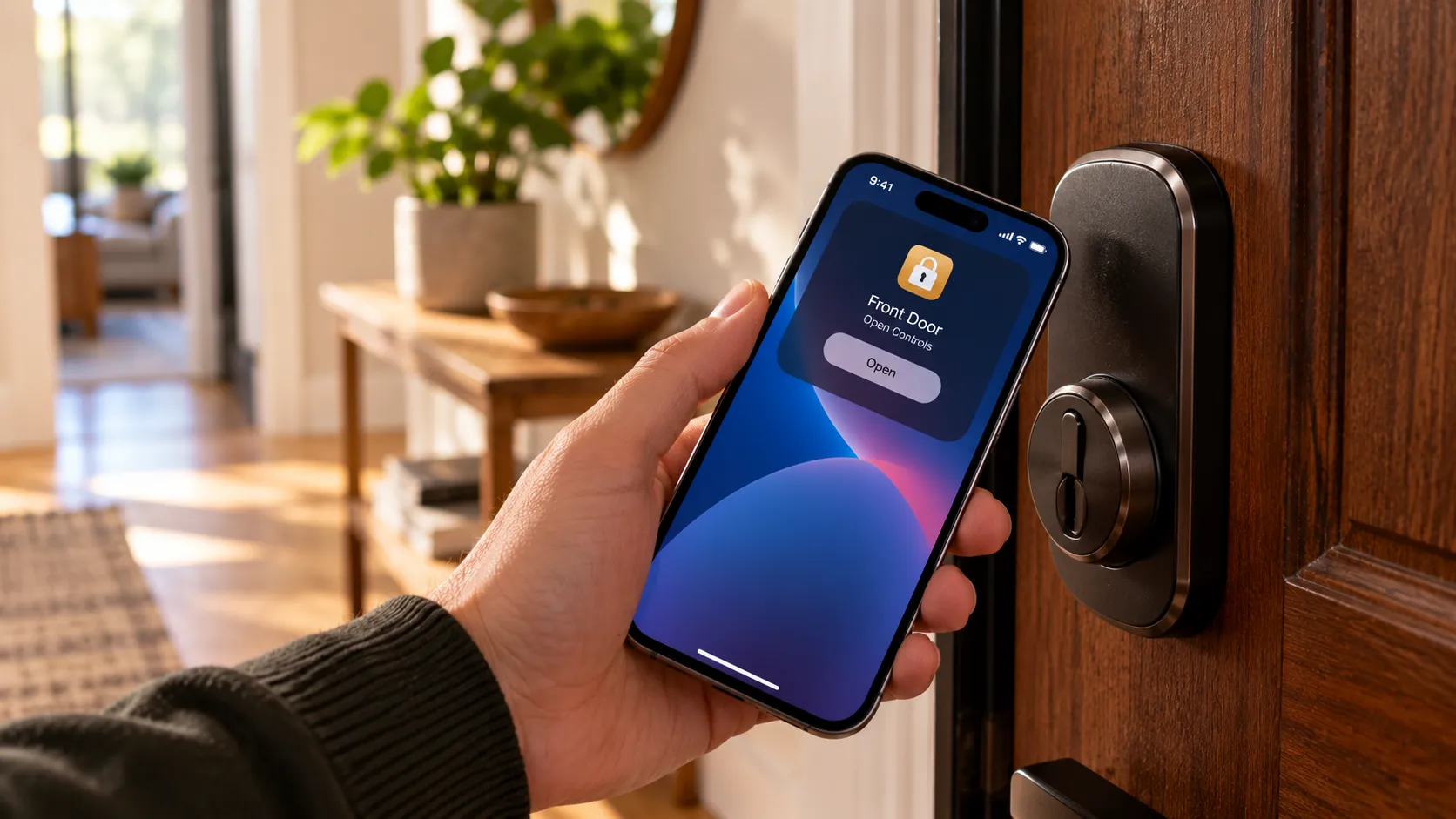
Integration with the broader Apple ecosystem would create compelling use cases. Picture this: Your Apple Watch taps your wrist when someone rings the doorbell. You see live video on your wrist, tap to speak through two-way audio, and remotely unlock your August or Level smart lock—all without pulling out your phone. Or you're watching a movie on Apple TV when the doorbell chime appears as a picture-in-picture notification, letting you see and respond to visitors without pausing.
The Matter Factor: Why Timing Finally Makes Sense
Previous Apple smart-home hardware launches happened in a fragmented ecosystem where compatibility was a constant frustration. That's changed fundamentally with Matter's rollout.
Matter provides a universal language for smart-home devices, meaning an Apple hub can control devices designed for Alexa or Google Home, and vice versa. For Apple, this eliminates the biggest criticism of HomeKit: limited device selection. Suddenly, that Philips Hue bulb, Eve door sensor, and Nanoleaf light panels all work together seamlessly, controlled by Siri, Alexa, or Google Assistant interchangeably.
But here's what many miss: Matter doesn't eliminate differentiation—it establishes a baseline while allowing platforms to add value on top. Apple's value-add would be privacy and intelligence. While a Matter device can work with any platform, an Apple hub could process all automation logic locally, ensure device communications are encrypted end-to-end, and use Apple Intelligence to create more sophisticated automation suggestions.
This is the environment where Apple's 2026 hardware push makes strategic sense. Matter compatibility ensures device selection won't be a barrier, while Apple's privacy and intelligence capabilities provide clear differentiation from competitors.
What This Means for Apple's Competitive Position
Let's not sugarcoat it: Amazon and Google have substantial head starts in smart-home market share. Echo devices are in tens of millions of homes, and Google's integration with Nest products creates a coherent ecosystem that's hard to ignore.
But Apple doesn't need to dominate the entire market—it needs to capture its own user base. There are over 2 billion active Apple devices worldwide, and a significant portion of those users already prioritize privacy and ecosystem integration over lowest-possible prices. These are people who've chosen iPhones despite Android alternatives, who've bought AirPods despite cheaper earbuds, and who've selected Apple Watches despite myriad fitness tracker options.
For this audience, an Apple-branded home hub, updated HomePod mini, and privacy-first security cameras aren't competing against Echo Shows and Ring doorbells on price alone—they're completing an ecosystem these users are already deeply invested in.
The question is execution. Apple has stumbled before in this category, most notably with the original HomePod's high price and limited functionality at launch. The company eventually course-corrected with the HomePod mini, but not before ceding enormous market share to competitors.
The path to relevance requires Apple to:
Price competitively: A home hub display needs to be under $250, and cameras should be comparable to premium alternatives from Logitech or Arlo—not positioned as ultra-luxury items.
Ship with robust Matter support from day one: Half-baked compatibility or limited device selection will kill enthusiasm before it builds.
Leverage Apple Intelligence meaningfully: Generic voice assistants aren't enough anymore. Siri needs to be proactive, contextual, and genuinely helpful in smart-home contexts—not just reactive to commands.
Market the privacy advantage aggressively: Most consumers don't fully understand how their security camera footage is stored and who can access it. Apple needs to make this comprehensible and compelling, not buried in technical documentation.
The 2026 Timeline: Development Cycles and Market Readiness
If supply-chain reports suggesting 2026 launch timing prove accurate, that timeline aligns with several strategic factors.
First, Matter adoption will have matured beyond early-adopter phase. By 2026, major device manufacturers will have released second and third-generation Matter-compatible products, working out the bugs and interoperability issues that plague any new standard's initial rollout. Apple can enter an ecosystem that's stable rather than experimental.
Second, Apple's internal chip development continues advancing. The neural processing capabilities in Apple Silicon have grown exponentially with each generation. A 2026 launch gives Apple time to develop chips specifically optimized for always-on device processing, audio computation, and video analysis—exactly what these products would require.
Third, Apple Intelligence—the suite of on-device AI capabilities Apple announced in 2024—will have evolved considerably by 2026. The foundation exists now, but giving developers and Apple's own teams two more years to refine contextual awareness, automation suggestions, and multi-device coordination could be the difference between a gimmick and genuinely useful intelligence.
Bottom line: While we always advise caution with supply-chain rumors, the strategic logic of a 2026 smart-home hardware push is sound. Apple has the technological foundation, the ecosystem integration story, and increasingly, the market conditions that favor its privacy-and-intelligence positioning.
What You Can Do Now to Prepare
If you're already invested in Apple's ecosystem and planning smart-home expansion, here's how to position yourself for whatever Apple announces:
Focus on Matter-compatible devices: Anything you buy now with Matter support will work with future Apple hubs, current HomeKit infrastructure, and competitor platforms if you ever switch. Look for the Matter logo when shopping for bulbs, switches, sensors, and locks.
Establish your home hub infrastructure: If you don't already have an Apple TV or HomePod to serve as a home hub, consider adding one. This unlocks HomeKit Secure Video for any compatible cameras you add now and ensures you're ready for more advanced automation when new hardware arrives.
Audit your privacy expectations: Think seriously about where you're comfortable having cameras and smart displays. Apple's approach will likely cater to privacy-conscious users, but you need to define what that means for your household before making purchase decisions.
Wait on camera purchases if you're patient: If you've been considering security cameras or a video doorbell and you're already committed to Apple's ecosystem, it might be worth waiting to see what Apple announces. If rumors don't materialize or the products don't meet your needs, competitive options will still be available—likely at lower prices as companies respond to Apple's entry.
Don't wait on obvious upgrades: If your current smart-home setup is frustrating or you have clear security needs right now, don't put your life on hold for rumored products. Buy what solves your problems today, prioritizing Matter compatibility for future flexibility.
The Bigger Picture: What Smart-Home Success Means for Apple
Apple's services business has become increasingly central to its financial performance, and smart-home hardware creates multiple services attachment opportunities. iCloud storage for video recordings, Apple Music integration for multi-room audio, Apple TV+ content on home hub displays, and even HomeKit automation templates sold through a future App Store-style marketplace—all of these become more viable with robust hardware presence.
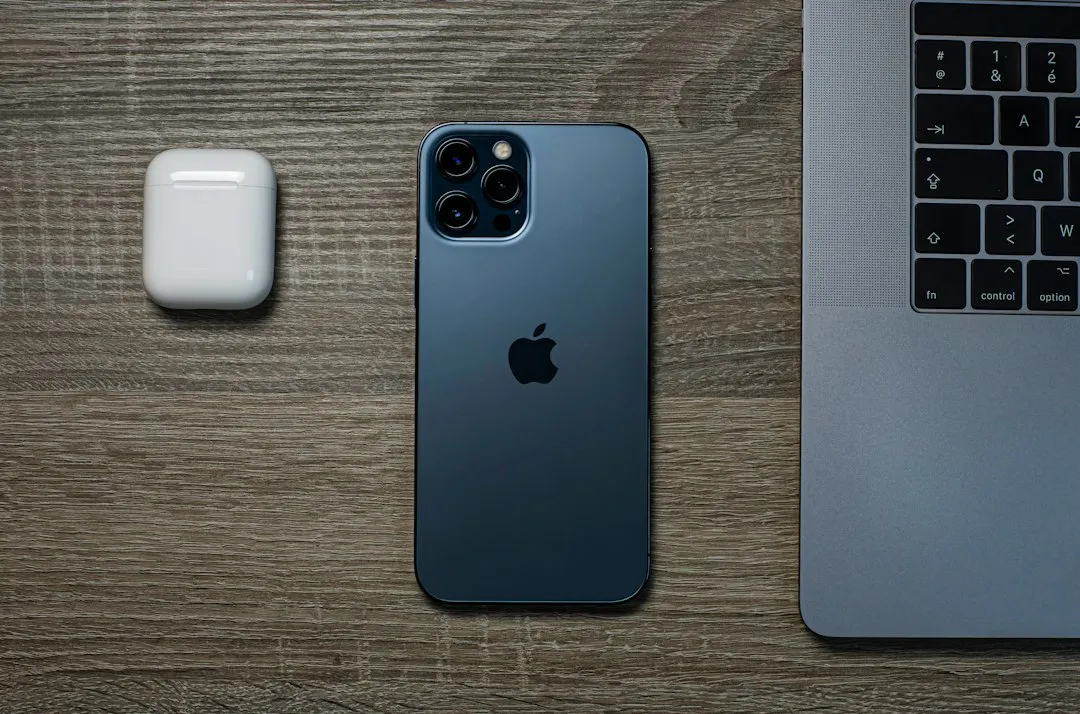
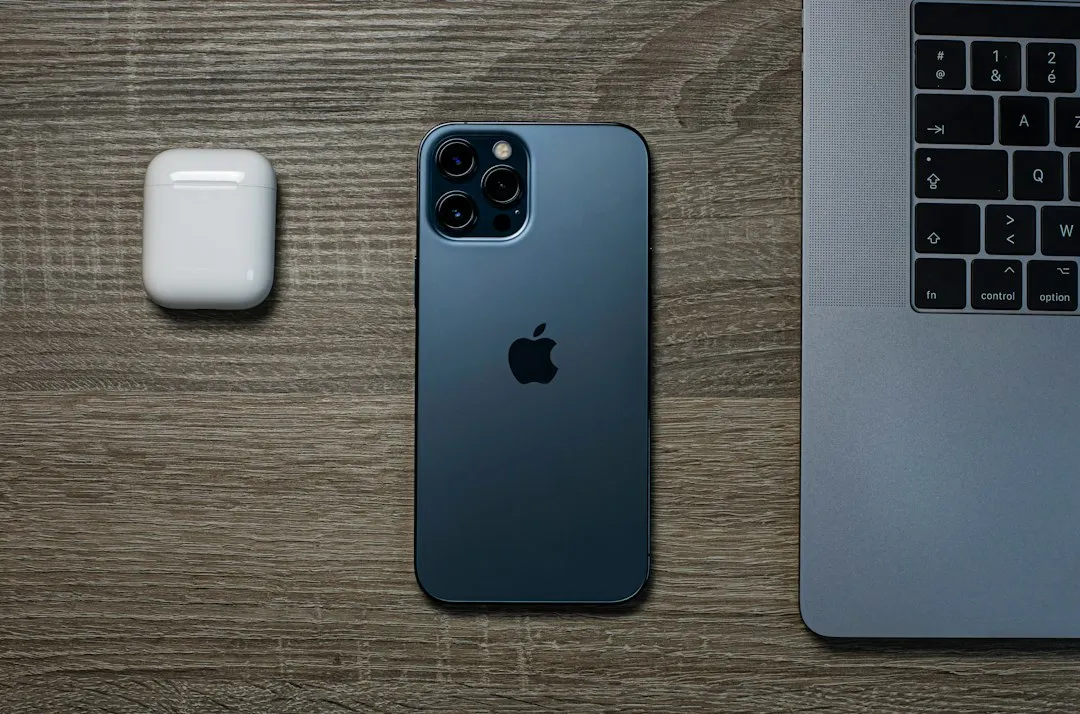
But perhaps more importantly, the home represents the final frontier of ecosystem stickiness. Apple already has your pocket (iPhone), your wrist (Apple Watch), your ears (AirPods), and your desk (Mac). If it can become the intelligence layer for your home—the platform that manages your security, climate, lighting, and entertainment—switching to Android or Windows becomes exponentially more complicated.
That's the real stakes of Apple's smart-home push. It's not just about selling speakers and cameras—it's about deepening ecosystem integration to a point where leaving becomes nearly unthinkable.
Final Thoughts
Apple's rumored 2026 smart-home expansion—if it materializes—won't be about catching up to Amazon and Google by copying what they've already built. It'll be about leveraging what Apple does better than anyone: hardware-software integration, privacy-by-design architecture, and ecosystem coherence that makes devices work together effortlessly.
The HomePod mini 2, home hub display, and security cameras aren't just individual products—they're pieces of a larger vision where your home becomes as thoughtfully designed and seamlessly integrated as your iPhone experience. Where privacy isn't a marketing bullet point but a fundamental architecture. Where intelligence means anticipating your needs rather than just responding to commands.
Whether Apple can execute on that vision remains to be seen. The company's track record in smart-home hardware has been mixed at best. But the pieces are finally aligning—technologically, strategically, and competitively—for Apple to make a serious play for the connected home.
Here's what you need to know: If you're already invested in Apple's ecosystem, the prospect of completing that experience with purpose-built home hardware is genuinely exciting. If you're platform-agnostic, Apple's privacy-first approach to cameras and hubs might finally provide a compelling reason to choose HomeKit over alternatives. And if you're skeptical, well—you've got until 2026 to wait and see if Cupertino can finally get serious about the smart home.
The living room has waited this long for Apple to show up. Let's see if it's been worth the wait.


Comments
Be the first, drop a comment!