





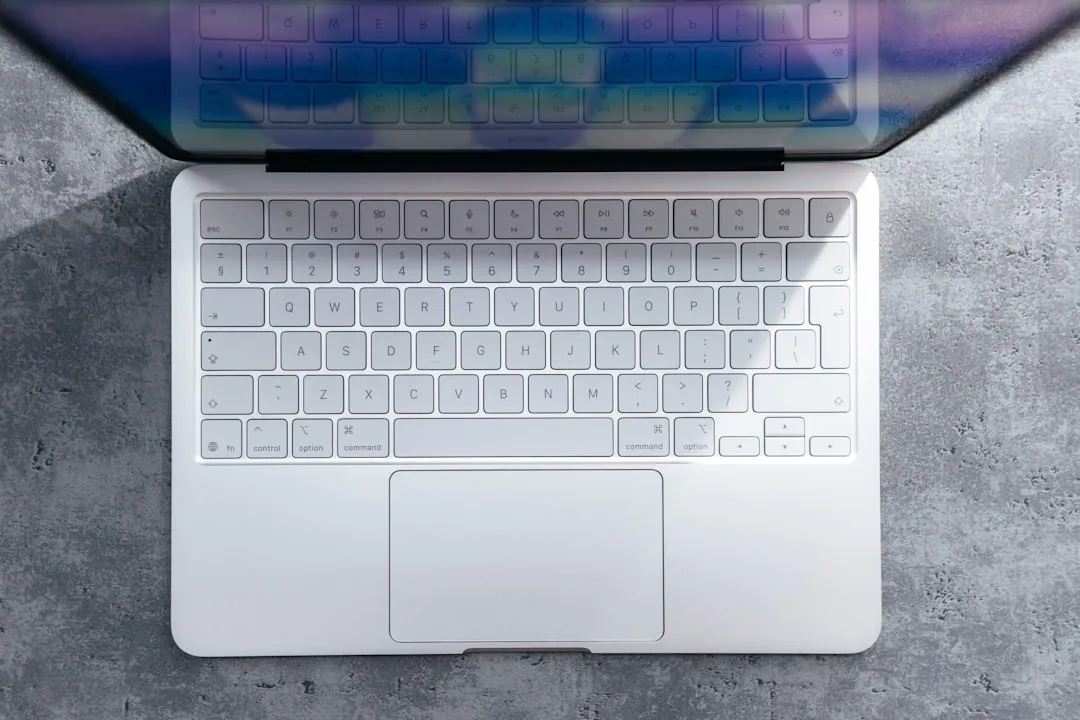
The tech world is buzzing about Apple's latest hardware announcements, and for good reason. While the company has built its reputation on premium pricing, recent developments suggest a potential shift in strategy that could reshape the laptop market entirely. The rumored $599 MacBook Neo, alongside updates to the iPad Air and MacBook lineup, represents more than just new product releases—it signals Apple's recognition that the computing landscape is evolving rapidly.
But this isn't just about Apple making cheaper laptops. The implications stretch far beyond Cupertino, potentially disrupting established price hierarchies in the Windows laptop market and forcing competitors to reconsider their own positioning. When you factor in Apple's silicon advantages and the broader context of emerging technologies like Steam's gaming initiatives and evolving AI safety concerns, we're looking at a convergence of trends that could define the next phase of personal computing.
Why a $599 MacBook changes everything
The prospect of Apple entering the sub-$600 laptop market isn't just surprising—it's potentially revolutionary. For years, Apple has maintained clear price boundaries, with entry-level MacBooks rarely dipping below the $999 threshold. This pricing strategy has effectively ceded the budget-conscious market to Windows manufacturers, creating a clear divide between "premium" Apple devices and "affordable" alternatives.
Here's where things get interesting: a $599 MacBook Neo would put Apple in direct competition with popular models like the Dell Inspiron 15 3000 series, HP Pavilion laptops, and Lenovo IdeaPad 3—devices that currently dominate the mainstream market. These Windows laptops typically offer adequate performance for everyday tasks, but they can't match Apple's ecosystem integration or the power efficiency of Apple silicon.
What makes this particularly disruptive is the performance advantage Apple could bring to this price segment. The M-series processors often delivers long battery life (Apple estimates up to ~16 hours on some models) while maintaining performance that rivals more expensive Intel and AMD alternatives. If Apple can package this technology at $599, they're essentially offering premium performance characteristics at mainstream pricing.
The timing reveals Apple's awareness of shifting market dynamics. Economic pressures have made price sensitivity a primary concern for many consumers, while remote work has created sustained demand for reliable, portable computing. A budget-friendly MacBook could capture the significant portion of potential Mac users who have been priced out of Apple's ecosystem—a market segment that represents millions of untapped customers.
What the iPad Air updates reveal about Apple's strategy
The iPad Air's evolution offers a blueprint for how Apple approaches strategic pricing without sacrificing quality. The latest Air models deliver a large portion of Pro features at a significantly lower price—a formula that demonstrates Apple's ability to optimize component selection and manufacturing processes for different market segments.
This approach involves strategic compromises rather than across-the-board cost-cutting. The iPad Air retains essential performance elements like the M1 chip and premium build quality while differentiating through features like ProMotion displays, advanced camera systems, and storage options. The same philosophy could enable a MacBook Neo to offer core Mac benefits—macOS, build quality, battery life—while making targeted trade-offs in areas like display technology or port selection.
The Air's success in the "pro-sumer" segment validates Apple's strategy of creating accessible entry points into their ecosystem. Users who start with an iPad Air often expand into other Apple products, creating long-term customer value that extends beyond the initial purchase. A $599 MacBook Neo could serve a similar function, introducing new users to macOS and the broader Apple ecosystem.
This iPad Air positioning also demonstrates how Apple creates clear product differentiation without cannibalizing higher-end sales. Rather than simply offering a "cheaper" version, Apple provides distinct value propositions for different use cases and budgets.
The broader implications for personal computing
The convergence of multiple technology trends creates a unique opportunity for Apple's potential market expansion. Gaming platforms are increasingly embracing cross-platform compatibility, with services like Xbox Game Pass and cloud gaming reducing the traditional Windows advantage for gamers. This shift means a MacBook Neo wouldn't need to match gaming laptop specifications to appeal to casual gaming enthusiasts who prioritize overall system quality.
Simultaneously, growing concerns about data privacy and AI safety are elevating Apple's on-device processing approach as a competitive advantage. While competitors rely heavily on cloud-based AI services that raise privacy questions, Apple's focus on local processing aligns with increasing consumer awareness of digital privacy issues.
The emergence of AI as a primary computing workload also favors Apple's integrated hardware-software approach. The Neural Engine in M-series chips provides dedicated AI acceleration that can outperform general-purpose processors in AI tasks while maintaining better battery efficiency. This technical advantage becomes more valuable as AI features become standard expectations rather than premium add-ons.
These technological shifts create an environment where traditional laptop advantages—like raw processing power or extensive port selection—matter less than overall system optimization and user experience quality.
Where this leaves the competition
Windows laptop manufacturers face a strategic dilemma that goes beyond simple price competition. Traditional responses like aggressive price cuts could severely impact profit margins in an already competitive market, while feature upgrades might not address Apple's fundamental advantages in battery life, build quality, and ecosystem integration.
Consider the specific challenges facing different manufacturers: Dell's Inspiron series would need to compete directly with Apple's build quality and support ecosystem, HP's Pavilion lineup would face pressure on both performance and design fronts, and Lenovo's IdeaPad models would struggle to match the battery life and system optimization that M-series chips enable.
Some manufacturers may pivot toward specialized niches where they can maintain advantages—gaming-focused systems with dedicated graphics, enterprise laptops with specific business features, or ultra-portable designs with unique form factors. However, these strategies limit addressable market size and may not offset losses in the mainstream segment.
The more fundamental challenge is that Windows laptop makers can't easily replicate Apple's integrated approach. The close coordination between hardware design, chip architecture, and operating system optimization that enables Apple's advantages requires years of development and substantial R&D investment that many manufacturers aren't positioned to make.
What this means for your next tech purchase
If you're considering a laptop purchase in the next 12-18 months, these potential market shifts could significantly impact your decision-making process. The prospect of a capable MacBook at $599 expands options for budget-conscious consumers who previously couldn't access Apple's ecosystem benefits.
However, timing matters. Even if Apple announces a MacBook Neo, the competitive response from Windows manufacturers could create compelling alternatives or drive down prices across the market. If you're not in immediate need of a new laptop, waiting could provide access to either the rumored Apple device or improved Windows alternatives responding to the increased competition.
PRO TIP: Consider your long-term computing ecosystem preferences when evaluating potential purchases. If you already use an iPhone or other Apple devices, the ecosystem integration benefits of a MacBook Neo could provide value beyond the base hardware specifications.
For existing Windows users, the decision becomes more complex. While a $599 MacBook might offer superior hardware value, switching ecosystems involves learning curves and potential compatibility issues with existing software and workflows.
The key takeaway is that we're moving beyond the traditional "Apple premium" versus "Windows value" equation. Instead, we're entering a more nuanced competitive landscape where ecosystem integration, privacy features, battery life, and overall user experience compete alongside traditional factors like processing power and storage capacity.
Bottom line: increased competition typically benefits consumers through better products and more competitive pricing, regardless of which platform ultimately wins your business.








Comments
Be the first, drop a comment!