



When Red Bull's 2026 Formula 1 car livery debuts in Detroit this January, it'll mark more than just another team launch—it's Apple's first major showcase as F1's exclusive U.S. broadcast partner. The timing couldn't be more strategic. Apple has signed a five-year U.S. broadcast deal reported at about $700 million (≈ $140M/yr) to transform how Americans experience Formula 1, according to reports, nearly doubling ESPN's previous investment. Red Bull's partnership with Ford for their new powertrains division creates the perfect storm of American automotive heritage meeting cutting-edge Apple technology integration. This convergence represents Apple's most ambitious bet yet—using premium sports content as the foundation for ecosystem dominance.
Why Apple's F1 gamble changes everything about sports streaming
Here's what makes Apple's approach fundamentally different from anything we've seen before: while traditional broadcasters like ESPN treat Formula 1 as programming content, Apple views it as infrastructure for cross-device engagement. This isn't just about changing channels—it's about reimagining how sports content flows through your digital life.
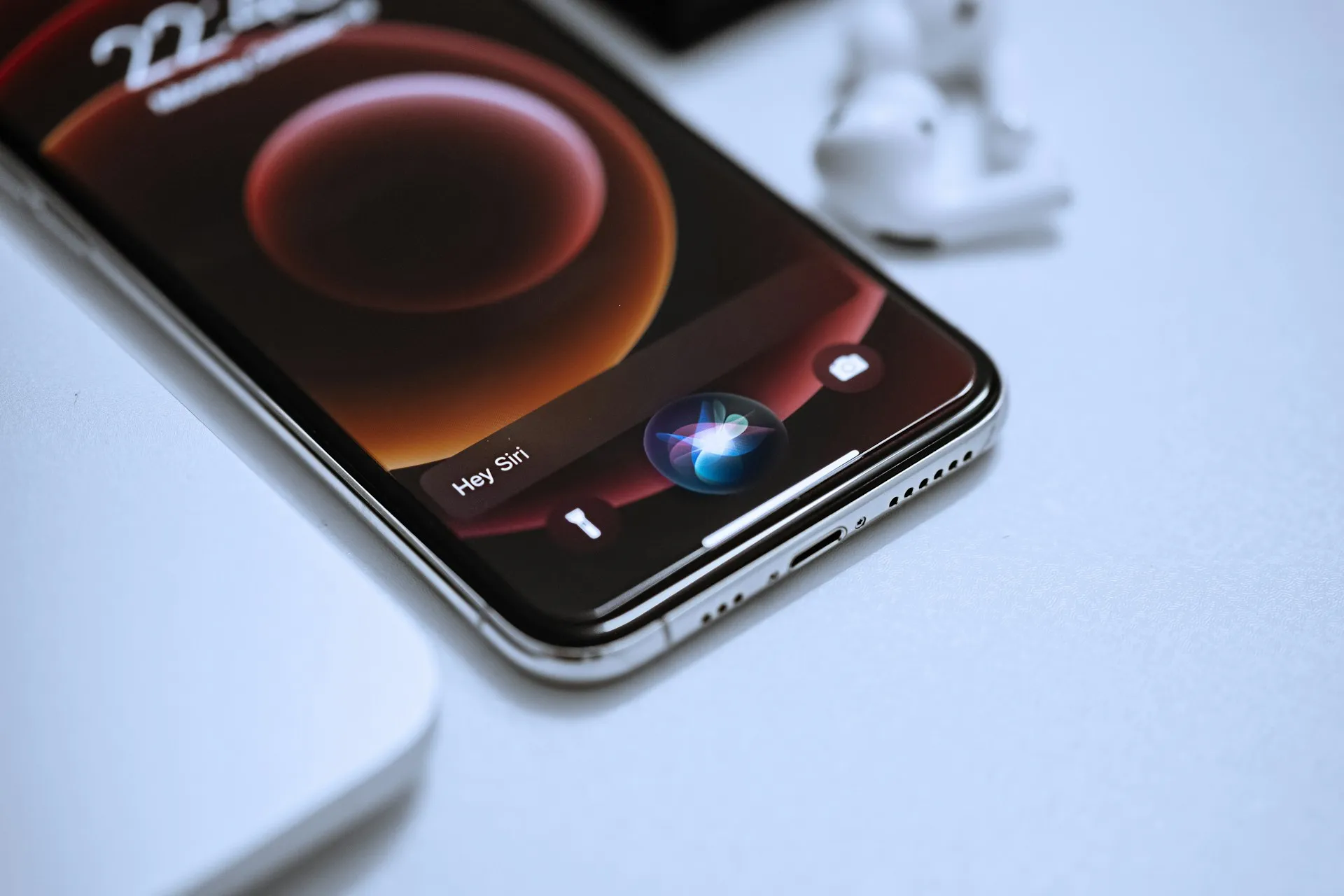
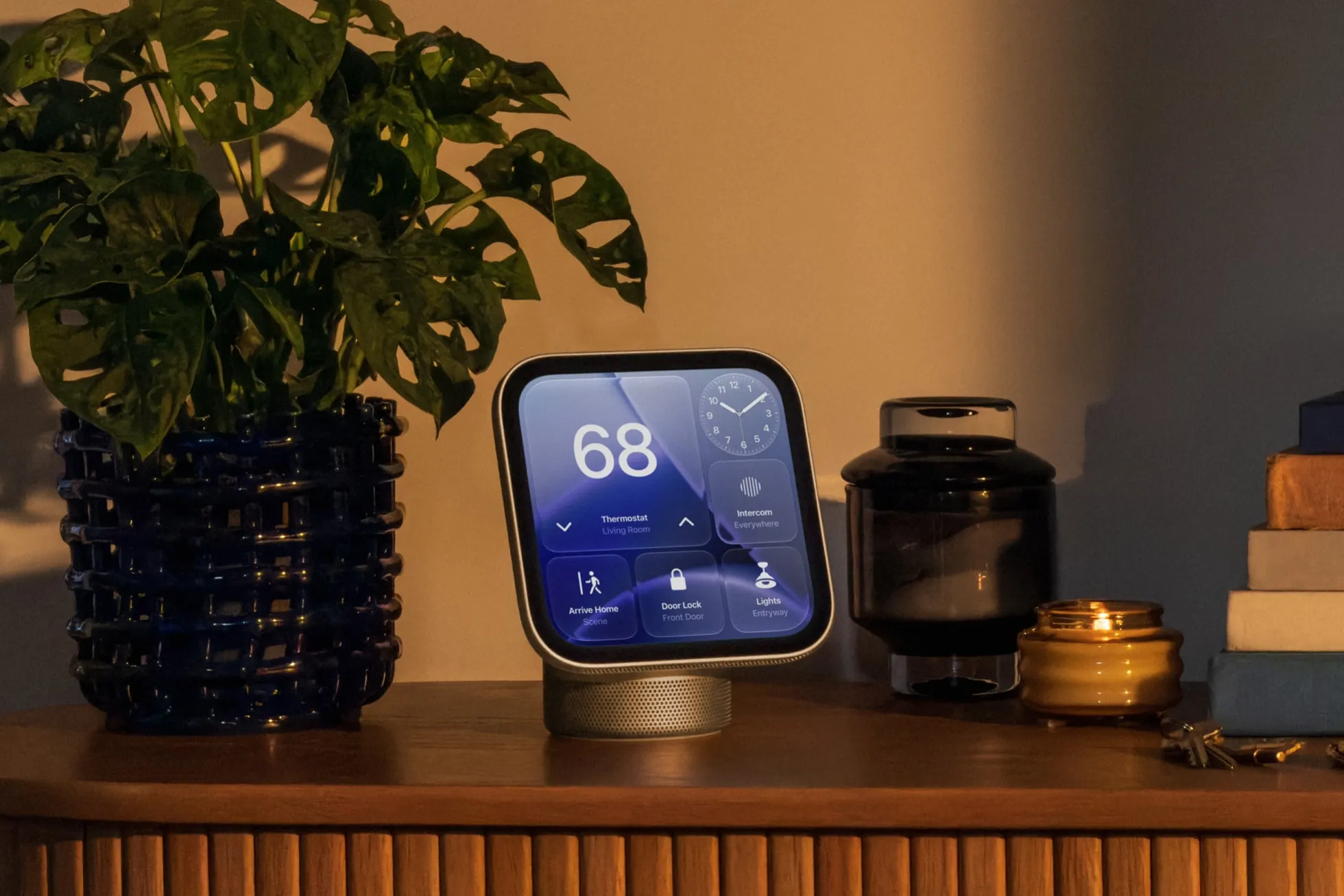
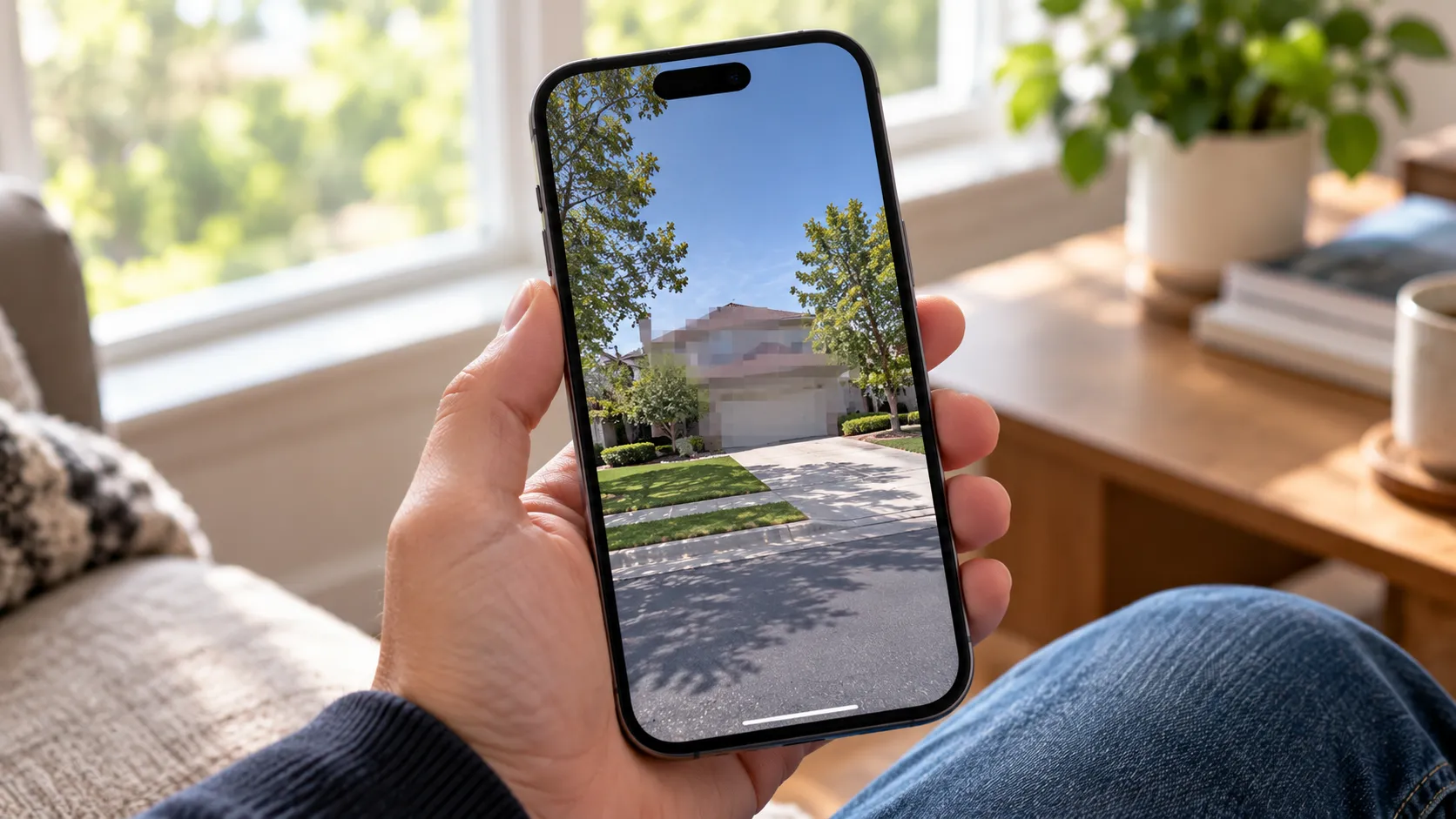
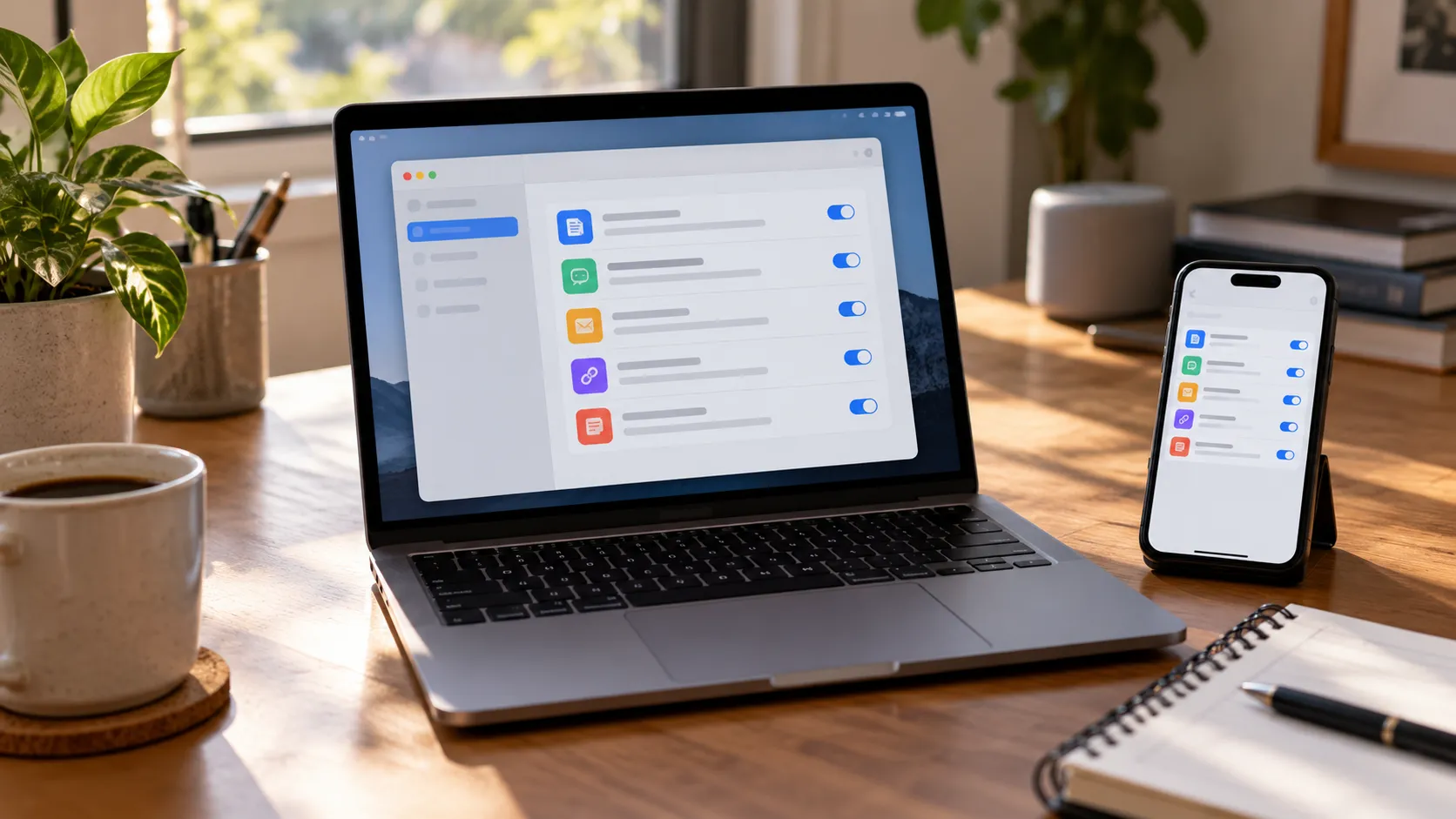
Starting in 2026, every practice session, qualifying round, Sprint, and Grand Prix streams on Apple TV for $12.99 monthly with no additional fees, as confirmed by Apple. But here's where it gets interesting: the free Apple Sports app will deliver live leaderboards, real-time standings, and dedicated home screen widgets for every race weekend, according to Apple's announcements. Your iPhone lock screen becomes a live F1 dashboard, pushing qualifying updates and race alerts without opening any apps.
The ecosystem integration creates something unprecedented—F1 content flows seamlessly across Apple News, Apple Maps, Apple Music, and even Apple Fitness+, as outlined in the partnership details. Circuit layouts appear in Apple Maps with track guides, race highlights get curated in Apple News, and Apple Music creates F1-themed playlists that sync with race weekends. This transforms F1 from a viewing experience into a living, breathing part of Apple's digital ecosystem.
Red Bull's tech revolution meets Apple's hardware expertise
Red Bull Racing's technological sophistication makes them the perfect showcase partner for Apple's hardware-focused approach, and the synergies run deeper than you might expect. Each Red Bull car generates up to 2TB of telemetry data per session through networks of real-time sensors and monitoring systems, according to Computer Weekly. To put that in perspective, that's enough data to fill about 400 standard-definition movies—every single practice session.
Before race weekends, the team runs nearly four billion Monte Carlo simulations using Oracle Cloud Infrastructure to optimize strategy and performance, as reported by the same source. This computational power creates real-time strategic insights that Apple can now translate into enhanced broadcast experiences—imagine viewers accessing live strategy probabilities or seeing the same data that informs pit wall decisions.
Apple's existing relationship with F1 through their Brad Pitt film project has already produced fascinating technical innovations. They've built custom camera systems—essentially modified iPhone 15 Pro sensors designed to survive 220 mph speeds and 5G cornering forces while shooting ProRes Log footage, according to industry reports. This proves Apple can create broadcast technology that matches F1's extreme technical demands while maintaining their signature user experience philosophy.
The convergence enables something revolutionary: Red Bull's sophisticated data collection capabilities become the foundation for Apple's consumer-friendly broadcast innovations. Think real-time telemetry visualizations rendered through Apple's graphics technology, or AI-driven race analysis powered by Red Bull's strategic simulations but presented through Apple's intuitive interface design.
The 2026 season: perfect timing for Apple's debut
Apple's broadcast debut coincides with Formula 1's most dramatic regulatory changes in over a decade, creating the ideal environment to establish new viewing experiences. The 2026 season introduces revolutionary technical specifications including a 50-50 split between electric and combustion power, representing nearly a 300% increase in electrical power, as reported by Sky Sports.
Cars will run on 100% sustainable fuel with active aerodynamics and moveable wings, creating an entirely new racing spectacle, according to the same source. These technical changes demand new ways of explaining and visualizing F1's complexity—exactly where Apple's technology expertise creates competitive advantages over traditional broadcasters.
The American storylines add compelling narrative layers that perfectly align with Apple's U.S. market focus. Red Bull's partnership with Ford marks the American manufacturer's return to F1 after a 22-year absence, as confirmed by Sky Sports. The Cadillac F1 Team also joins as the first American entry in decades, creating unprecedented U.S. interest just as Apple takes over broadcasting rights, according to business reports.
Apple couldn't have orchestrated better timing if they'd planned it. They're not inheriting an established broadcast format—they're launching alongside fundamental changes that require fresh storytelling approaches, new technical explanations, and innovative viewer experiences. The regulatory reset gives Apple permission to completely reimagine F1 broadcasting without fighting established viewer expectations.
What this means for the broader Apple ecosystem
This partnership signals Apple's most aggressive move in the streaming wars, demonstrating their intention to compete in live sports rather than just original content, as analysts note. Apple Senior VP Eddy Cue made their ecosystem strategy explicit: "We're going to bring everything Apple has to offer, from our retail stores to all of our apps...We have so many touch points with our customers," according to his statements.
Here's the bold strategic bet: Apple is wagering that ecosystem integration can overcome massive distribution disadvantages. Apple TV reaches only 11% of U.S. households compared to ESPN's near-universal coverage, as industry data shows. Traditional media strategy suggests this creates an insurmountable barrier, but Apple believes deeper engagement through multiple touchpoints trumps broader but shallower distribution.
The implications extend far beyond F1. Success here validates Apple's premium content strategy and positions them as serious competitors for future major sports rights, including potential NFL packages, according to media analysts. If Apple can prove that technology-enhanced experiences justify premium pricing despite limited reach, it fundamentally reshapes how content gets valued and distributed across the industry.
Other streaming services are watching intently. Apple's F1 experiment tests whether exclusive premium content can create sustainable competitive advantages in an increasingly fragmented streaming landscape. The answer will determine whether the future of sports broadcasting belongs to tech companies or traditional media giants.
The bottom line: ecosystem dominance through premium content
Red Bull's 2026 launch represents more than a new car reveal—it's the opening act of Apple's boldest content strategy yet. F1 CEO Stefano Domenicali captured the essence perfectly: "Apple is more than a company. It is a social movement," as he stated publicly.
Apple is betting that exclusive, premium content enhanced by their ecosystem integration can overcome massive distribution disadvantages and attract new subscribers willing to pay for superior experiences, according to strategic analyses. The partnership extends until 2030, giving Apple five years to prove that technology-enhanced sports broadcasting can redefine how audiences consume live content, as confirmed in partnership announcements.
The stakes extend beyond Apple's streaming ambitions. This deal tests whether the future of premium sports content belongs to technology companies that can create integrated ecosystem experiences or traditional media companies that rely on broad distribution networks. Red Bull's Detroit launch isn't just unveiling a new F1 car—it's unveiling the future of sports broadcasting. And if Apple pulls this off, we're looking at a fundamental shift in how premium content gets delivered, consumed, and monetized in America.




Comments
Be the first, drop a comment!