



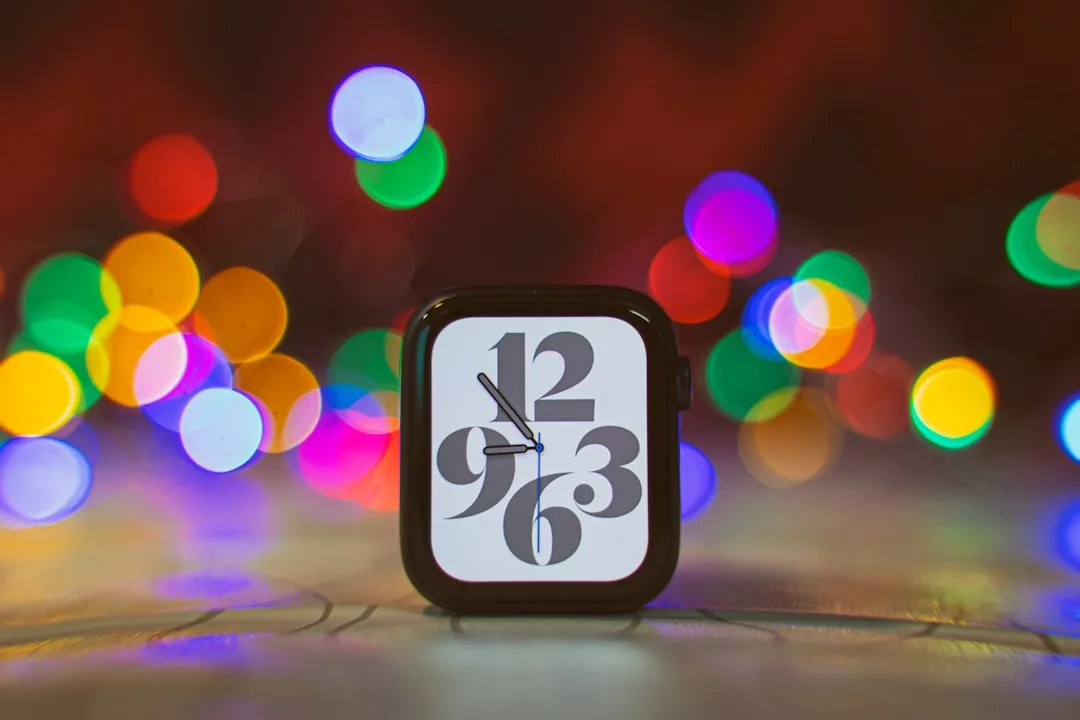
February kicks off with a bang for Apple enthusiasts, and if you're part of the ecosystem, you'll want to keep your calendar handy. The company has mapped out an ambitious timeline of releases, events, and milestones that could reshape how we interact with our devices. From quarterly earnings that'll reveal the health of Apple's business to strategic transitions that signal platform evolution, the next month holds several key moments worth tracking. Here's what's coming and why each date matters for anyone invested in Apple's evolving ecosystem.
The business side: earnings and shareholder insights
Let's start with the numbers that matter. Apple's Q1 2026 earnings report is scheduled for Thursday, January 29, covering the first quarter of Apple's 2026 fiscal year. This isn't just another quarterly update—it's our first concrete look at how Apple Intelligence adoption is translating into hardware sales and whether the company's AI strategy is driving the upgrade cycles investors expected.
Watch for specific metrics around Services revenue growth and commentary about Apple Intelligence engagement rates—these numbers will indicate whether Apple's AI features are creating the ecosystem stickiness that justifies premium pricing.
What makes this earnings call particularly compelling is the broader context. We're in the early stages of what could be Apple's most ambitious product cycle in years, with internal roadmaps pointing to roughly 20 new products launching throughout 2026. The Q1 numbers will reveal whether consumers are positioning themselves for this wave of innovation or holding back.
Following that financial disclosure, Apple's annual shareholders meeting happens virtually on Tuesday, February 24, at 8 a.m. Pacific Time. Beyond the standard governance items, expect discussions about regulatory pressures on the App Store, the company's approach to emerging markets, and how Apple's hardware-software integration provides competitive advantages in an increasingly AI-driven landscape.
Entertainment and gaming updates
Apple's entertainment strategy gets focused attention in early February, starting with content expansion. Apple Arcade will expand with four new games on Thursday, February 5. While individual game additions might seem incremental, they're part of Apple's broader retention strategy—each new title is designed to keep subscribers engaged and demonstrate ongoing value in a subscription landscape where consumers are increasingly selective.
The bigger entertainment moment comes on Sunday, February 8, when Apple Music sponsors the Super Bowl LX Halftime Show. This high-profile sponsorship puts Apple's music service front and center for over 100 million viewers—exactly the kind of cultural moment Apple leverages to reinforce brand visibility while competing directly with Spotify's market dominance. It's also a strategic reminder of how Apple's services portfolio extends beyond technology into cultural experiences.
Developer opportunities and technical transitions
February offers critical opportunities for Apple's developer ecosystem. Apple will accept submissions for the 2026 Swift Student Challenge from Friday, February 6 through Saturday, February 28. This annual competition serves as more than talent showcase—it often reveals innovative applications of Apple's latest development frameworks and provides early indicators of where the platform is headed. Given Apple's current focus on AI integration, expect this year's submissions to demonstrate creative uses of Apple Intelligence APIs.
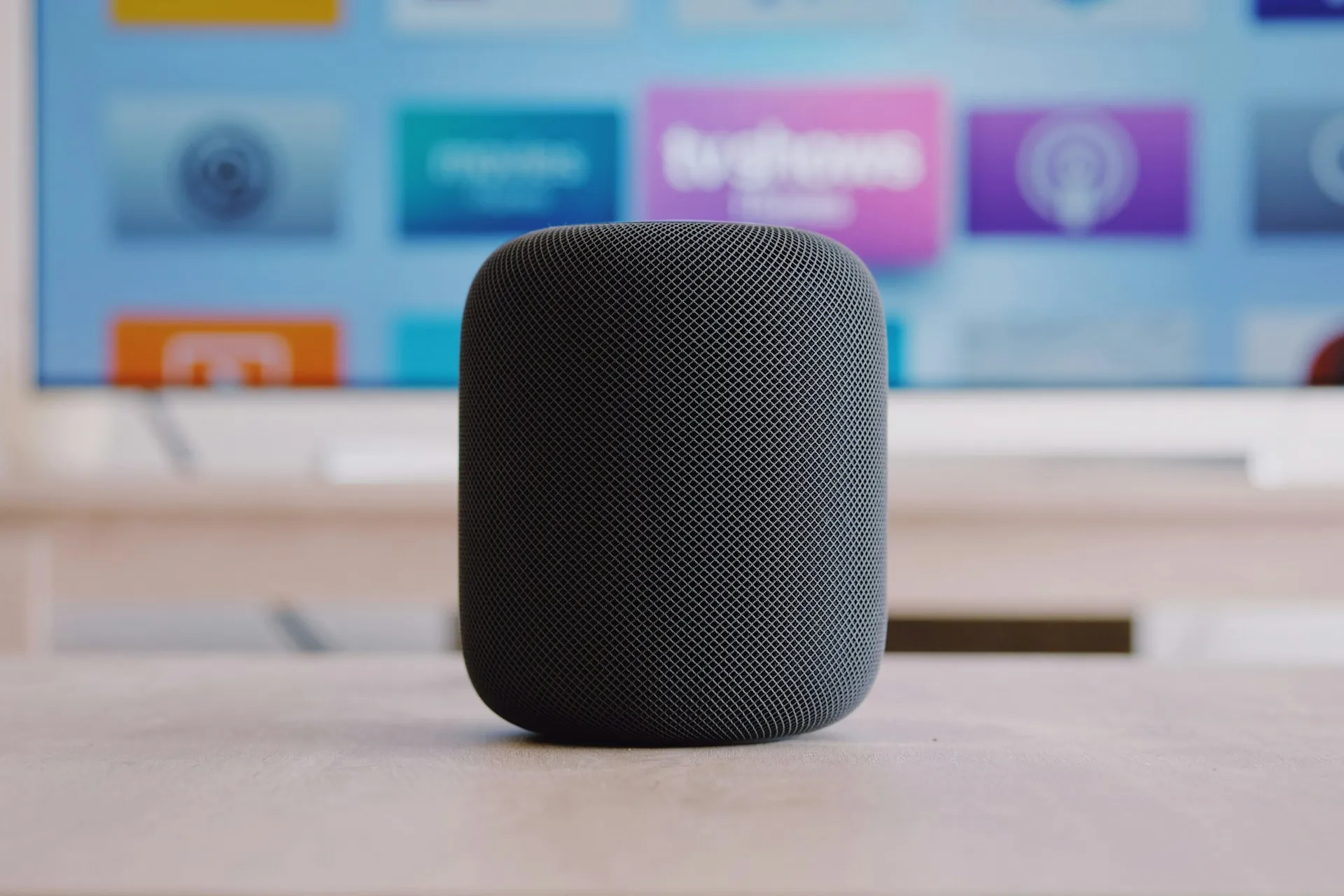
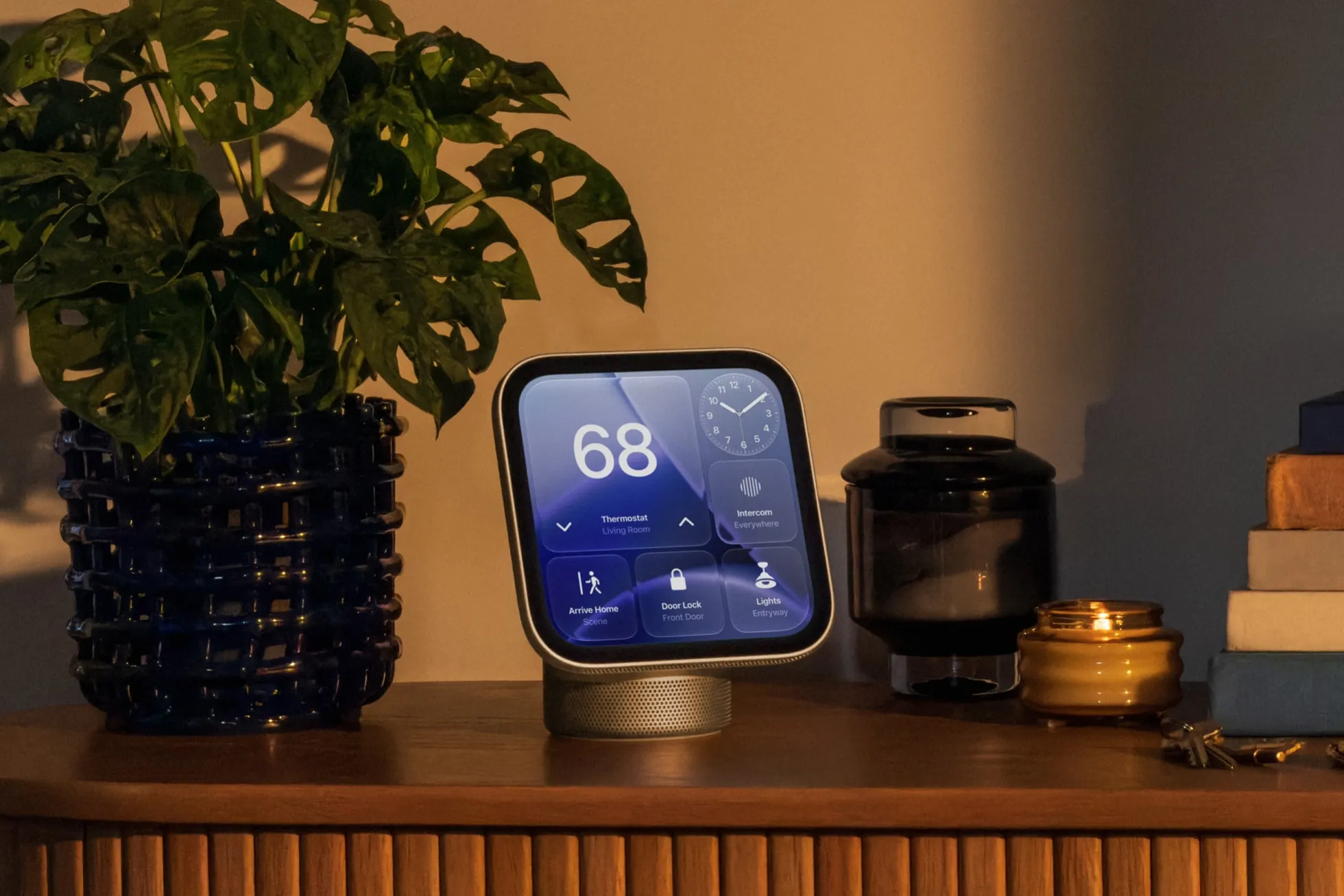
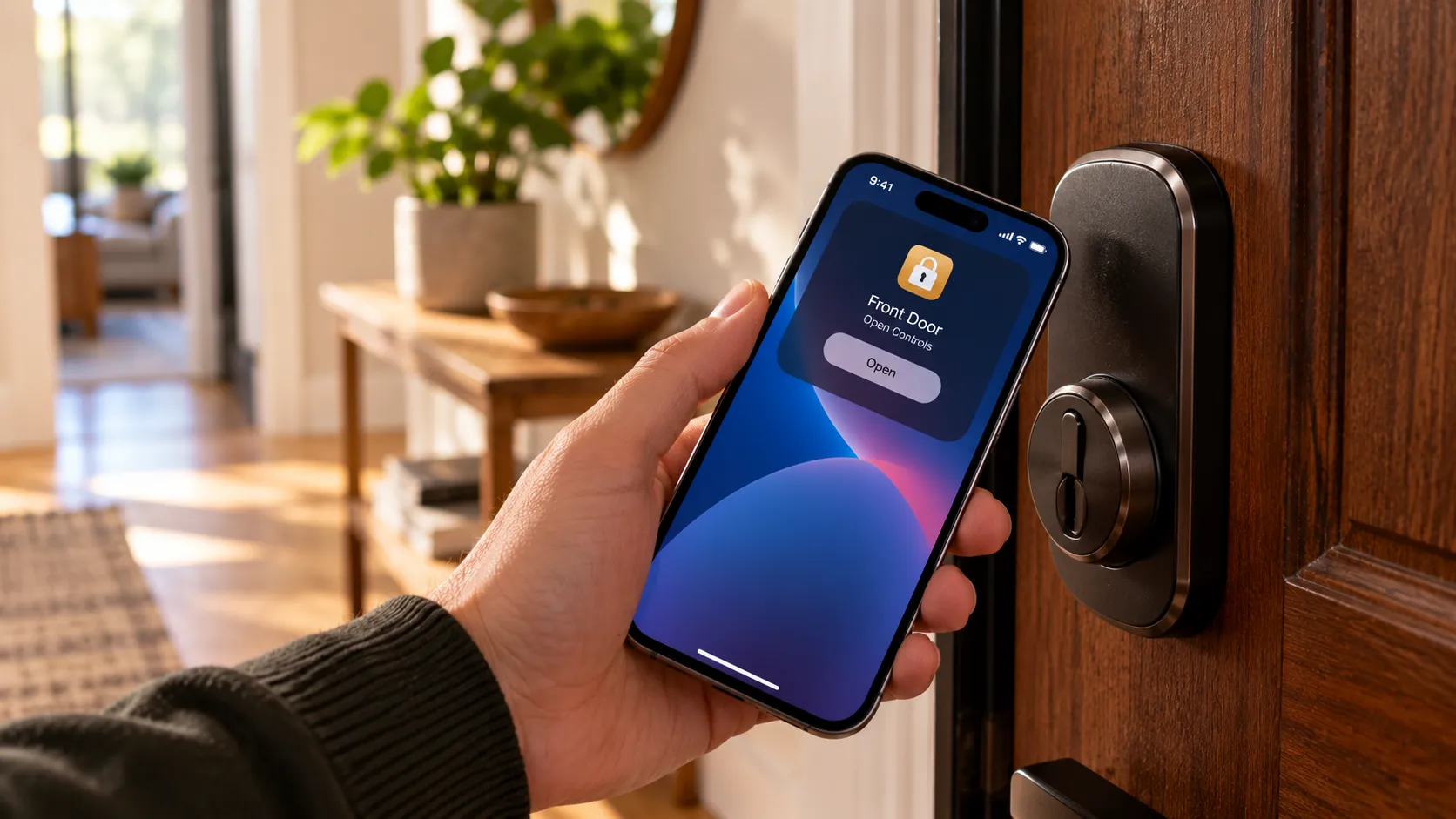
On the technical side, there's a deadline requiring immediate attention for some users. Apple will end support for the original architecture of the Home app on Tuesday, February 10. If you're still running older HomeKit configurations, this transition represents Apple's push to modernize its smart home platform ahead of expected new home products launching later in 2026. The company is essentially clearing technical debt to ensure compatibility with upcoming smart home security cameras and hub devices.
PRO TIP: If you're using HomeKit devices set up before 2023, check your Home app architecture status now. The migration process can take several hours for complex setups, and waiting until February 10 could leave you with temporarily non-functional smart home controls.
There's also a new tool on the horizon: Apple Creator Studio launches next week, though specific details remain limited. Based on Apple's recent emphasis on creator-focused tools and the timing alongside other platform updates, it's likely designed to help content creators manage their presence across Apple's ecosystem more effectively—potentially bridging gaps between Apple's various services and creator workflows.
Looking ahead: the strategic foundation for Apple's biggest year yet
Here's what makes this February lineup particularly significant: these seemingly routine events are actually building blocks for Apple's most ambitious product expansion in recent memory. The earnings report and shareholder meeting provide financial transparency during a critical investment period, while gaming and music initiatives demonstrate continued services growth. Developer-focused events signal platform readiness for major hardware launches, and technical transitions like the Home app change clear the path for new product categories.
This coordinated approach reflects Apple's evolved strategy. The company no longer treats product launches as isolated events. Instead, releases are increasingly staggered across the year, allowing hardware, software, and services to mature together. February's events aren't just preparing for spring announcements—they're laying groundwork for a year-long ecosystem evolution that includes everything from foldable iPhones to AI-powered smart home devices.
Looking at the specific connections: February's Home app transition enables compatibility with rumored smart home cameras launching in spring. The Swift Student Challenge timing aligns with iOS 27 development, which is expected to include major AI enhancements and stability improvements. Even the Super Bowl sponsorship reinforces Apple Music's competitive position ahead of expected integration with new audio hardware launching later this year.
February 2026 might not feature flashy product launches, but it's orchestrating the foundation for one of Apple's most transformative years. These dates aren't just calendar entries—they're early indicators of where Apple's ecosystem is headed next, and anyone serious about staying ahead of the curve should be watching closely.




Comments
Be the first, drop a comment!