



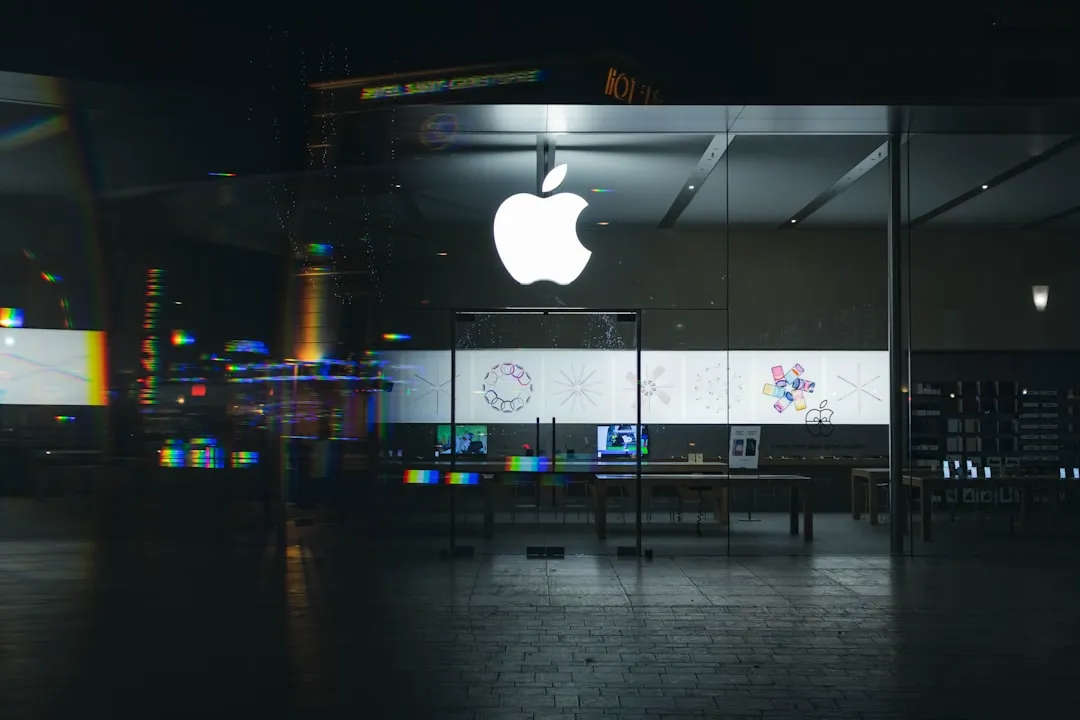
The tech world loves a good mystery, and Apple just dropped one right in our laps. The company has sent out press invites for what they're calling a "special Apple Experience" scheduled for March 4, according to iDrop News. What's particularly fascinating here is the global scale—invitations went out to media in three major cities: New York, London, and Shanghai. That kind of coordinated international effort signals Apple's recognition that whatever they're unveiling needs simultaneous global impact, suggesting we're dealing with products that have immediate worldwide relevance rather than region-specific launches.
But here's the detail that really caught my attention: Apple is deliberately avoiding the word "event" in their communications, as reported by iDrop News. This isn't just semantic nitpicking—it's a strategic signal about Apple's evolving approach to product launches in an era where hands-on differentiation matters more than flashy presentations. We're looking at something more intimate and boutique-style rather than their typical grand presentations that get live-streamed from Apple Park.
Why "experience" matters more than "event"
Let's break down what Apple's word choice really tells us about their strategic positioning in today's competitive landscape. The company has a long history of using press briefings for more targeted announcements, and they've maintained a New York office specifically for these purposes, iDrop News reports. This approach reflects Apple's understanding that certain product categories—particularly those targeting professional and educational markets—require tactile validation rather than visual spectacle.
The intimate setting approach makes perfect sense when you consider Apple's broader competitive strategy. While competitors like Samsung and Google rely heavily on spec presentations and feature comparisons, Apple's "experience" format allows them to demonstrate how their integrated ecosystem creates user value that doesn't translate well to livestreamed keynotes. There's a good chance the public won't be invited to this one at all—virtually or otherwise, according to iDrop News. This exclusivity allows Apple to control the narrative more carefully and gives journalists the kind of tactile experience that translates into more nuanced coverage emphasizing real-world utility over technical specifications.
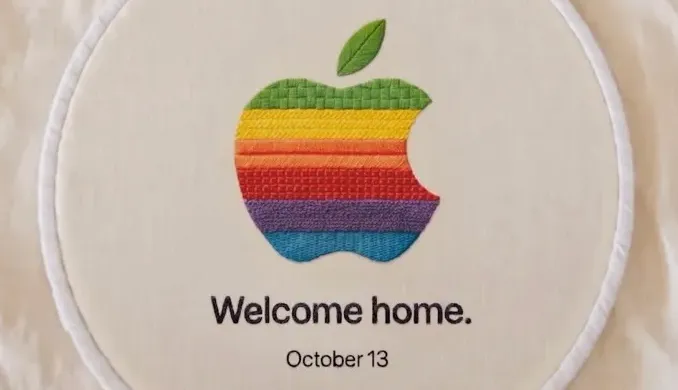
Now, some folks like to read tea leaves in Apple's invitation artwork, and this one certainly has a colorful glass aesthetic that could hint at new hardware designs. But here's the thing—those visual clues are often red herrings, as noted by iDrop News. The real strategic insight comes from understanding what types of products Apple feels need experiential validation versus what gets the simple press release treatment—and that calculus reveals a lot about their confidence levels and market positioning.
What's actually in Apple's pipeline right now?
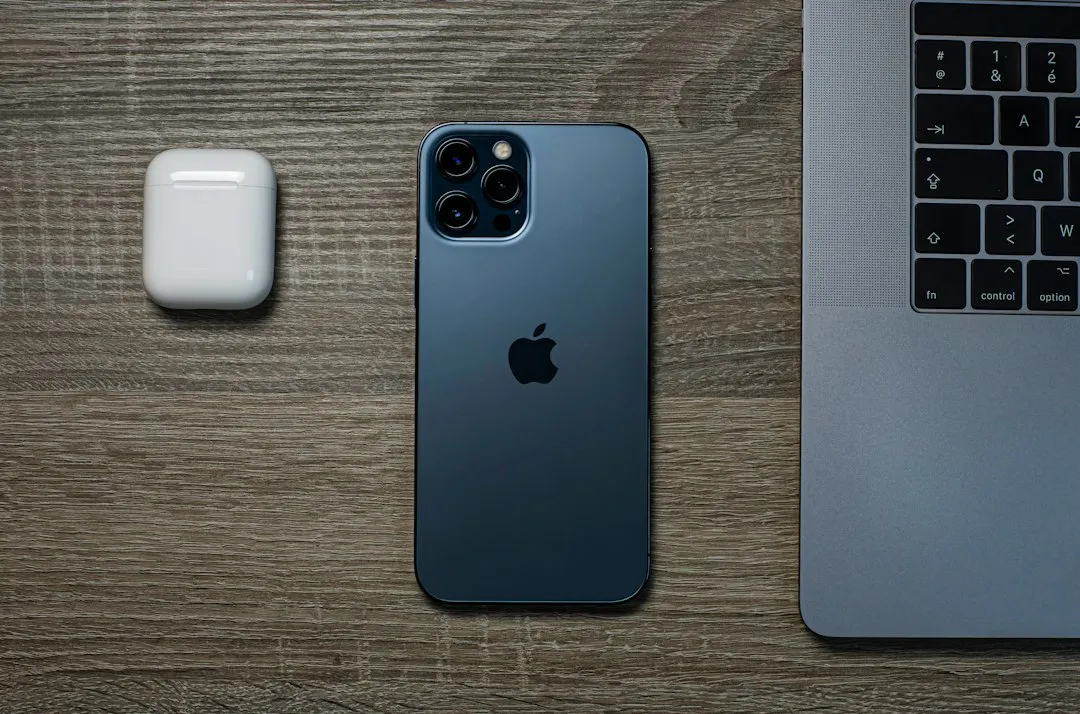
Here's where things get exciting from a product ecosystem perspective. Apple has plenty of physical products in the pipeline, and the timing couldn't be more strategic for demonstrating their integrated approach. The A19-powered iPhone 17e is widely expected to be just around the corner, potentially alongside an iPad 12 and even a groundbreaking $699 MacBook, all expected to run on A18 chip variations, iDrop News confirms.
The iPhone 17e situation reveals Apple's sophisticated timing strategy. Some reliable reports suggested it might debut as early as February 19—which would be exactly one year after the iPhone 16e announcement, according to iDrop News. However, bundling it with the iPad and MacBook for a March demonstration suggests Apple sees greater strategic value in showcasing how these devices work together across different use cases rather than launching them in isolation.
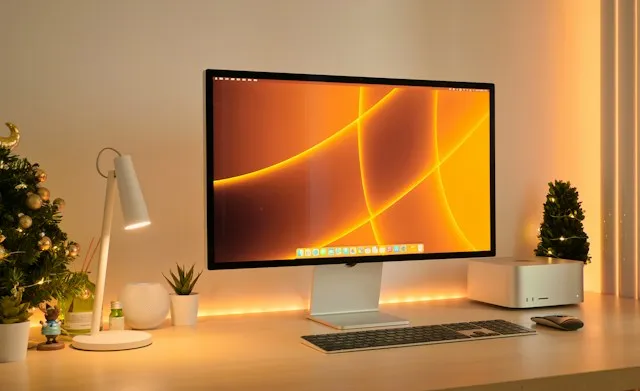
The broader product queue reveals Apple's systematic approach to market expansion. We're also expecting new MacBook Pro models with M5 Pro and M5 Max chips, plus an M4 iPad Air and refreshed Studio Display, iDrop News reports. Then there's the overdue next-generation Apple TV and HomePod mini—many industry watchers had expected their arrival last fall, as noted by iDrop News.
The MacBook revival deserves special attention because it represents Apple's response to evolving market demands. This would carve out an entirely new category, restoring a third tier to Apple's laptop lineup that's been vacant since the 12-inch model was retired nearly a decade ago, according to iDrop News. More importantly, it fills the gap between the iPad Pro and MacBook Air that competitors like Microsoft's Surface line have been exploiting in education and enterprise markets.
The Siri situation: AI strategy implications
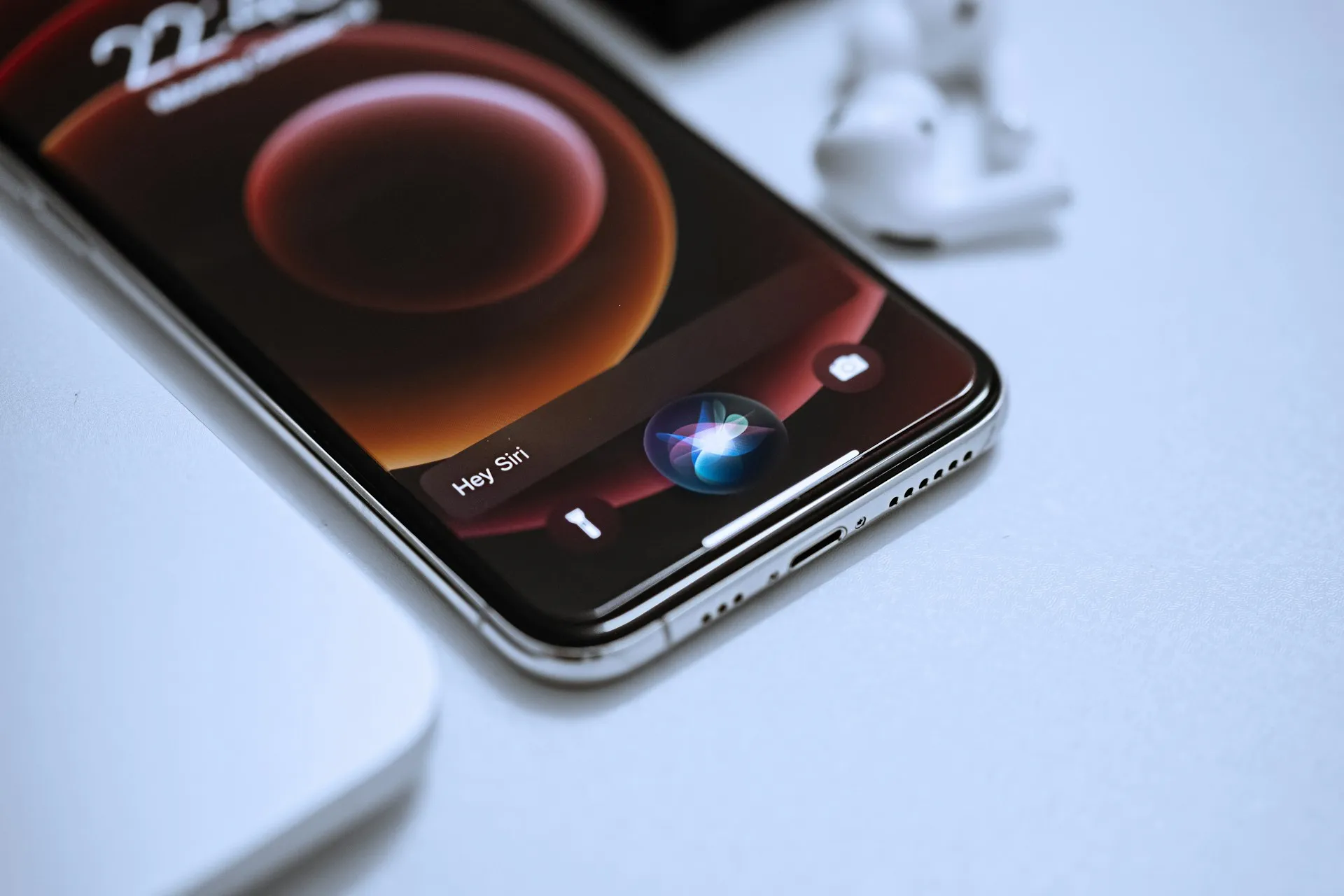
Now here's where the plot thickens and reveals Apple's broader AI positioning challenges. Industry speculation initially centered on whether Apple might showcase their Gemini-powered Siri upgrade at this March event, with the word "Experience" potentially serving as a subtle reference to this enhanced functionality, iDrop News suggests. This timing would have positioned Apple strategically against Google's AI initiatives and Microsoft's Copilot integration.
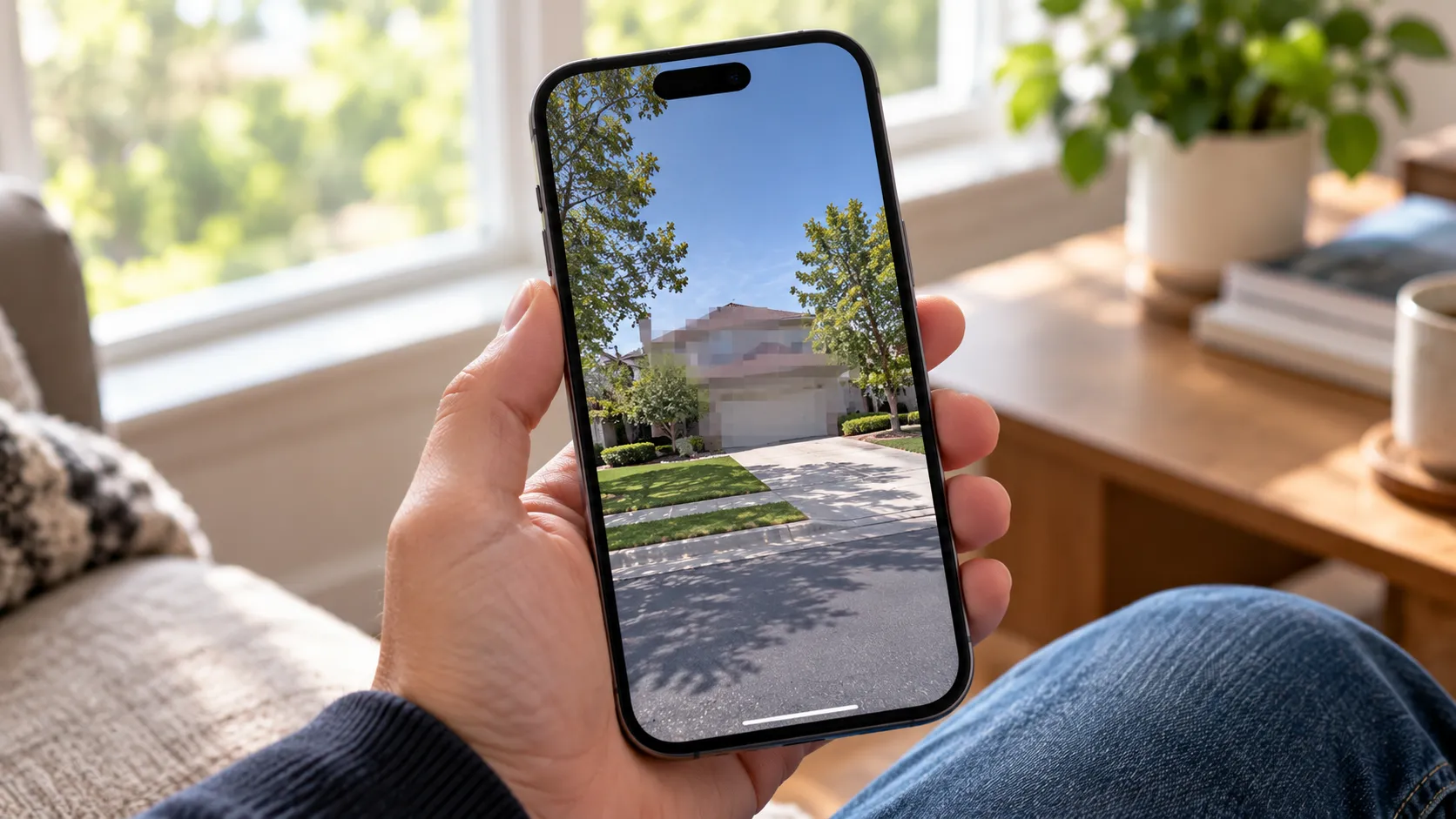
But recent reports indicate this Siri overhaul is running behind schedule, which throws some cold water on expectations for a March debut and reveals the complexity of Apple's AI integration strategy, according to iDrop News. Apple has maintained that the new Siri will still arrive in 2026, though their statement was notably oblique and doesn't expressly deny the delay rumors, iDrop News reports. This careful non-denial suggests Apple is managing expectations while working to ensure their AI implementation meets their quality standards rather than rushing to market.
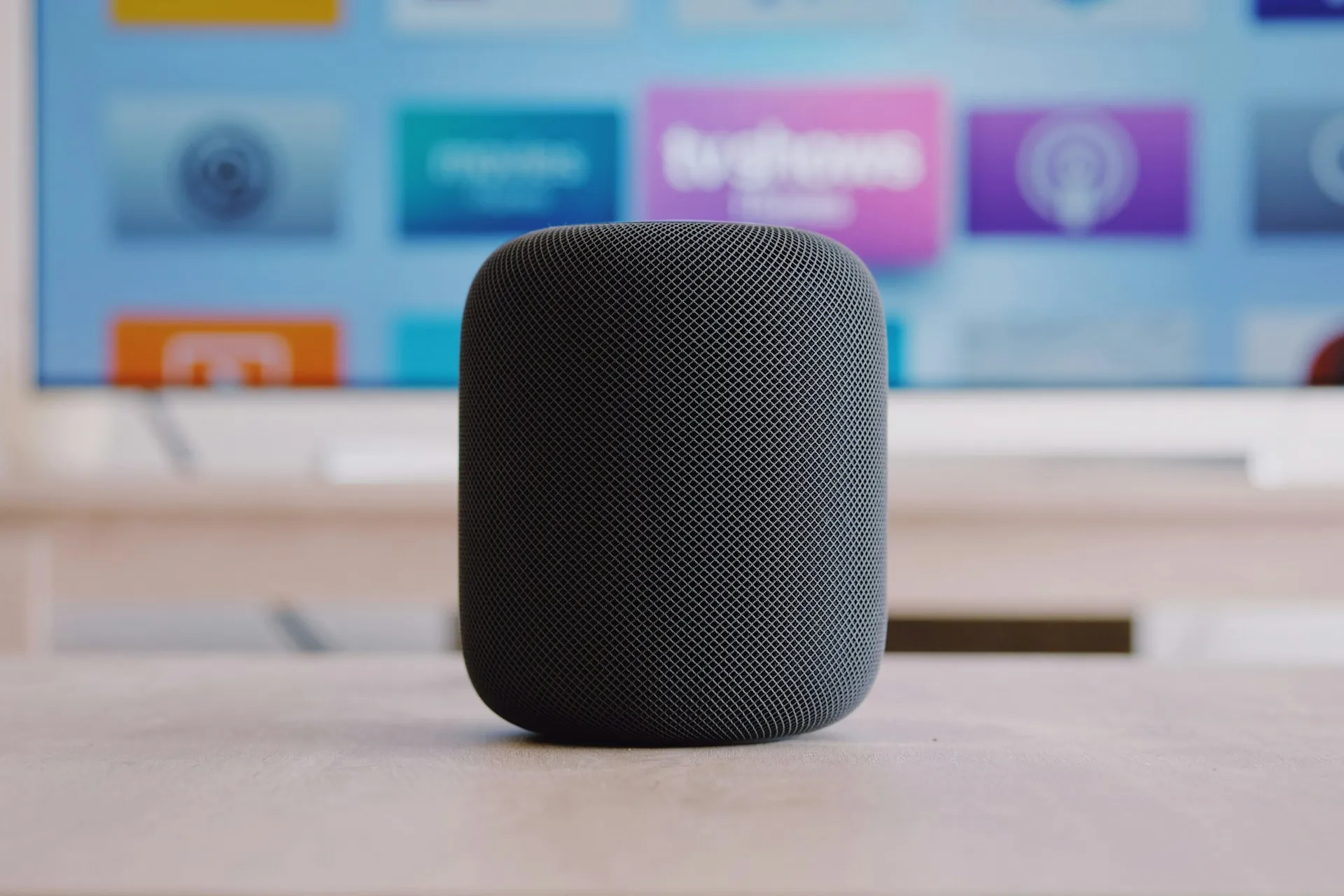
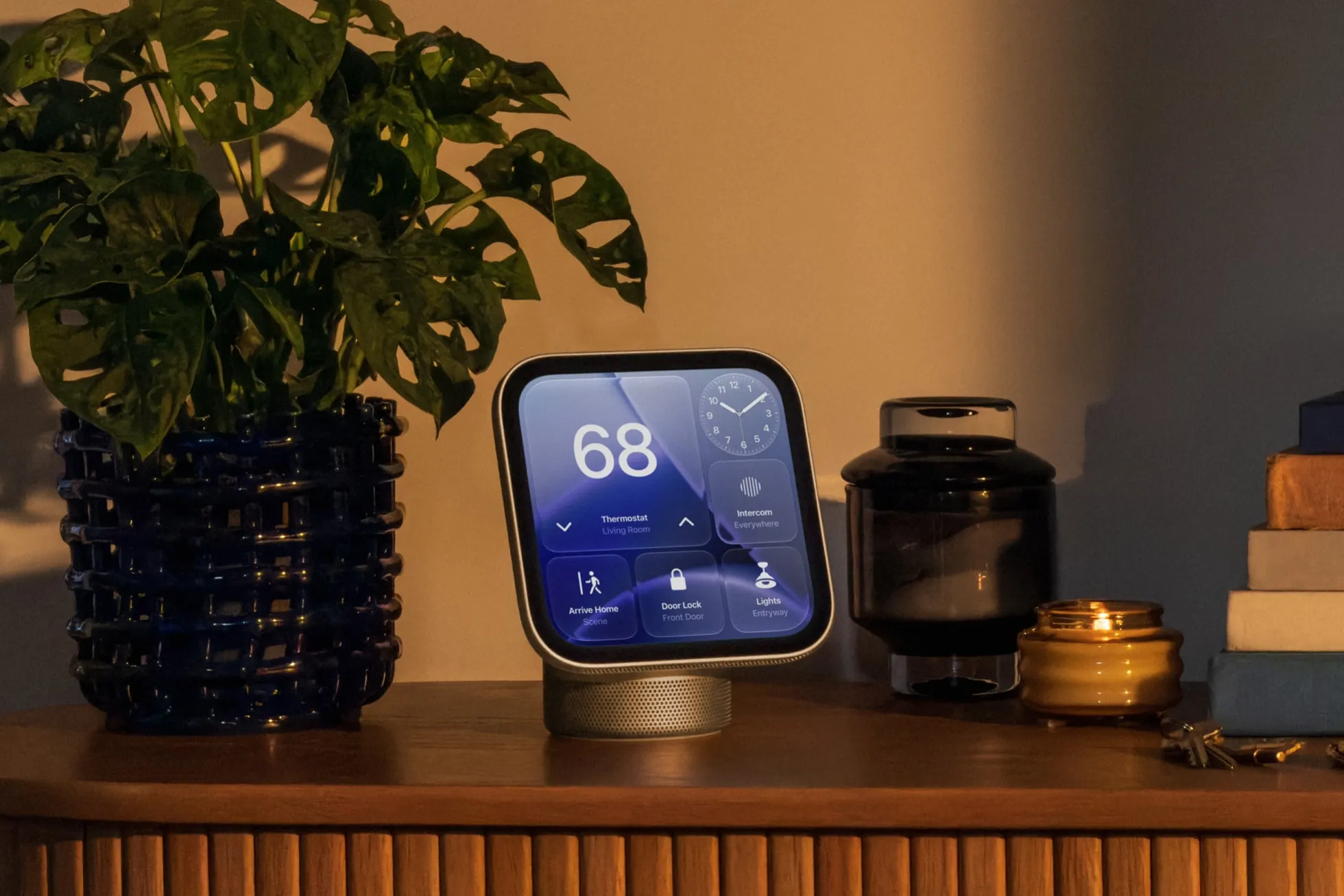
This Siri delay has created a strategic domino effect across Apple's product ecosystem. The rumored "HomePad" device has been particularly impacted—Siri has been pegged as the main reason that device has been taking so long, and it's likely sitting on the back burner until Apple can get its voice assistant smartened up for the iPhone, as noted by iDrop News. The fact that we haven't heard much about this device in recent weeks suggests it's more likely to arrive later in the year, giving Apple time to perfect the AI integration that will differentiate it from existing smart home competitors, according to iDrop News.
Reading between the lines of Apple's competitive strategy
The real strategic analysis comes from understanding how Apple's product demonstration choices reflect their competitive positioning across different market segments. The iPhone 17e is a bit of an outlier compared to the new iPad and MacBook that are coming. Those both have a stronger place in education and enterprise, iDrop News notes. This market focus makes perfect sense for experiential demonstrations where journalists can evaluate practical workflow applications rather than just consumer appeal—areas where Apple faces increasing pressure from Chromebooks and Windows devices offering similar capabilities at lower price points.
What's particularly revealing is how this approach reflects Apple's response to the commoditization of certain tech categories. The real guesswork is based primarily on what types of things Apple is likely to slip out via standard press releases versus what it feels needs to be shown off—but only to members of the media, rather than to the world at large from a virtual stage at Apple Park, iDrop News analyzes. Products that can be adequately explained through specs and features get press releases; products that require experiential validation to justify their premium positioning get the boutique treatment.
The education and enterprise angle also reveals Apple's long-term strategy for market share growth. These sectors represent areas where Apple can demonstrate clear ecosystem advantages—seamless device handoff, unified management tools, and integrated creative workflows—that justify premium pricing in ways that pure consumer marketing cannot. By giving journalists hands-on experience with these professional use cases, Apple creates more informed coverage that emphasizes total cost of ownership and productivity gains rather than just upfront pricing comparisons.
What this means for Apple's 2026 competitive positioning
March 4 represents more than just another product announcement cycle—it's a window into Apple's maturing approach to competitive differentiation in an increasingly crowded market. The simultaneous events across three major global markets demonstrate the company's recognition that regional tech preferences are converging, while the intimate format shows their confidence that their products can win on merit rather than marketing spectacle, MSN reports.
With multiple product categories converging around the A-series chip architecture and Apple's ecosystem integration reaching maturity, this "experience" could establish the template for how Apple competes in the post-smartphone growth era, iDrop News suggests. Rather than chasing market share through pricing competition, Apple appears to be doubling down on experiential differentiation—betting that hands-on validation will demonstrate value propositions that don't translate well to online comparisons or competitor keynotes.
The bottom line? We're looking at Apple's strategic response to a maturing tech market where incremental improvements matter less than integrated experiences. Whether we see the iPhone 17e, that rumored $699 MacBook, the new iPad, or something completely unexpected, the format itself signals Apple's confidence that their products perform better in real-world scenarios than they do in specification sheets, according to iDrop News.
So get your bingo cards ready—Apple's "experience" could deliver strategic insights about the company's future direction that matter more than any individual product announcement, as reported by iDrop News. March 4 might reveal how Apple plans to compete when everyone else has caught up to their hardware capabilities, and that's exactly the kind of strategic inflection point that makes these events worth watching.



Comments
Be the first, drop a comment!