



Reviewed by: Y. Garcia
Apple's been making headlines lately with reports of internal AI chatbots helping employees work more efficiently. But here's what caught my attention: while everyone's talking about consumer-facing AI features, Apple's quietly building a sophisticated internal AI ecosystem that's reshaping how its workforce operates. The company has developed its own ChatGPT-style iPhone application to help prepare for Siri's long-awaited AI overhaul, according to Tom's Guide. They've also been running experiments with multiple internal AI assistants throughout the year, as reported by Business Standard. Most recently, Apple introduced an AI chatbot within its Support app for customers in August, according to the same report. This isn't just about keeping up with AI trends — it's Apple laying the groundwork for something much bigger.
Meet Asa: Apple's retail training revolution
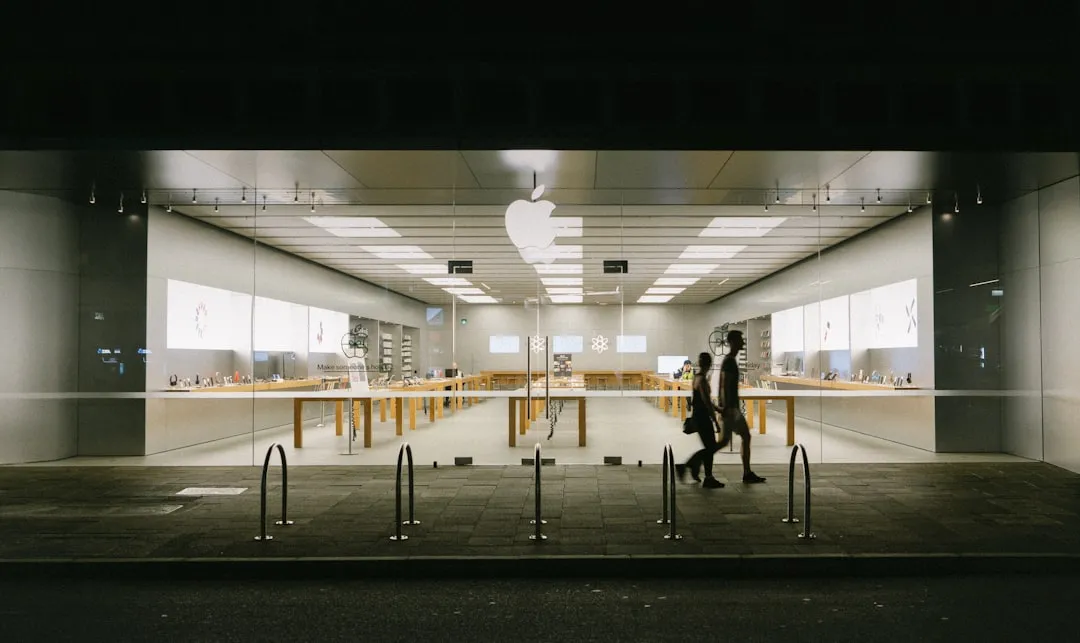
Apple's newest internal AI initiative centers around a chatbot called "Asa," designed specifically to train their retail workforce. This tool is being integrated into Apple's internal SEED (Sales Enablement, Education, and Development) application, according to Business Standard. Screenshots shared by MacRumors analyst Aaron Perris demonstrate Asa's ability to respond to queries about product features, device comparisons, and various use cases, as detailed in the same report.
What transforms this from typical corporate training is how it makes learning dynamic rather than static. The introduction of Asa is expected to make training more interactive by allowing staff to ask open-ended questions and receive tailored answers, according to Business Standard. Picture this scenario: a store associate preparing for the launch of a new iPhone model can ask Asa to compare camera specifications, explain the differences between storage options, or even get advice on handling specific customer objections.
The strategic timing reveals Apple's sophisticated operational thinking. The rollout aligns with Apple's preparations for the iPhone 17 series launch in September 2025, according to the same source. The tool was in testing phases but expected to roll out more widely across Apple's retail ecosystem in the following weeks, as reported by Business Standard. This synchronization between AI training tools and major product launches shows Apple recognizes that well-trained retail staff are crucial for successful launches, especially when those products incorporate complex new AI features that customers will want to understand.
Beyond retail: the broader internal AI strategy
Apple's internal AI efforts extend far beyond just retail training, revealing a comprehensive ecosystem approach. The company has developed another internal tool dubbed "Veritas," which serves as its own ChatGPT-like application, according to Tom's Guide. This tool allows store associates to query for product information, sales tips, and customer engagement strategies, potentially streamlining the sales process and enhancing employee performance, as reported by NewsBreak.
Here's where Apple's approach becomes particularly sophisticated: Apple Inc. has unveiled these AI chatbots specifically to assist retail employees in selling products like iPhones, according to the same source. But this represents a significant leap from basic product information databases to AI systems that understand sales psychology, customer engagement, and the nuances of effective retail communication. Apple isn't just building tools to answer product questions — they're creating AI that can coach employees on the art of sales itself.
The methodology here demonstrates classic Apple strategic thinking. For now, Asa remains strictly limited to Apple's internal systems, according to Business Standard. Apple has given no indication of plans to release a public version of the chatbot, as noted in the same report. This internal-first approach creates a controlled testing environment where Apple can refine its AI capabilities, understand enterprise deployment challenges, and perfect the user experience before potentially expanding to consumer applications.
The enterprise AI connection: preparing for bigger things
Apple's internal AI push connects directly to their broader enterprise strategy, positioning them at the center of a massive market opportunity. Apple is rolling out new tools that give businesses more granular control over where and how their employees can tap into artificial intelligence, according to TechCrunch. They're adding options for enterprise customers to configure the use of an enterprise version of OpenAI's ChatGPT, as reported in the same article.
The scale of this opportunity is enormous: Apple has already witnessed the demand for ChatGPT for Enterprise, which now serves over 1 million business customers, according to TechCrunch. But Apple is differentiating itself by building the infrastructure to manage AI intelligently rather than just providing access. The company's support documents indicate that IT administrators will be able to restrict or allow any 'external' artificial intelligence provider, not just OpenAI's technology, as detailed by TechCrunch.
This architectural flexibility gives Apple competitive advantages while keeping enterprise customers' options open. This flexibility means Apple can forge other deals with large AI players used in the enterprise environment, without having to recode things at the protocol level, according to the same source. Combined with their privacy-first philosophy, Apple leaves it up to businesses to decide if data should be processed in the cloud or on the device, as reported by TechCrunch. This positions Apple uniquely in the enterprise AI space — they're not just selling devices, but offering a complete AI management ecosystem with unparalleled privacy controls.
What this means for Apple's AI future
Apple's internal AI chatbot strategy reveals a company that's thinking several moves ahead, building the foundation for its entire AI ecosystem through real-world enterprise experience. By testing and refining AI tools internally first, they're gathering invaluable data about how people naturally want to interact with AI systems while building practical expertise with enterprise AI deployment. The success of these internal tools — from Asa's retail training capabilities to Veritas's broader applications — provides Apple with insights that will directly influence its consumer AI offerings.
The strategic synchronization is particularly clever. As Apple Intelligence continues rolling out to consumers with features like Live Translation and Visual Intelligence, according to TechCrunch, these internal AI experiments are generating the foundational knowledge needed to scale AI across the entire Apple ecosystem. Every interaction Apple employees have with Asa and Veritas teaches the company about natural language patterns, workflow integration challenges, and the privacy concerns that emerge in real-world AI deployments.
Apple's decision to keep these tools strictly internal for now, as noted by Business Standard, represents its characteristic approach of prioritizing refinement over market rushing. While other tech companies race to release AI features, Apple is methodically building expertise from the ground up, using its own workforce as the ultimate beta testing group to ensure that when AI features do reach consumers, they'll be polished, practical, and genuinely useful rather than impressive but imperfect demos.
Bottom line: Apple's internal AI chatbots aren't just productivity tools — they're the testing ground for the future of AI in the Apple ecosystem. As these tools prove their worth internally, expect similar capabilities to eventually make their way to consumer devices, bringing Apple's signature focus on privacy, seamless integration, and user experience to the broader AI landscape.




Comments
Be the first, drop a comment!