




When Apple promised Siri would become a more intelligent assistant at WWDC 2024, few expected it would take nearly two years to deliver—and even fewer predicted the company would partner with Google to make it happen. Yet here we are in early 2026, watching Apple finally embrace the chatbot model it once rejected while simultaneously developing an entirely new AI wearable category. The convergence of these developments suggests we're witnessing Apple's most significant AI transformation since the original iPhone launch, with each piece building toward a cohesive vision of ambient computing.
Siri 2.0: The chatbot Apple said it would never build
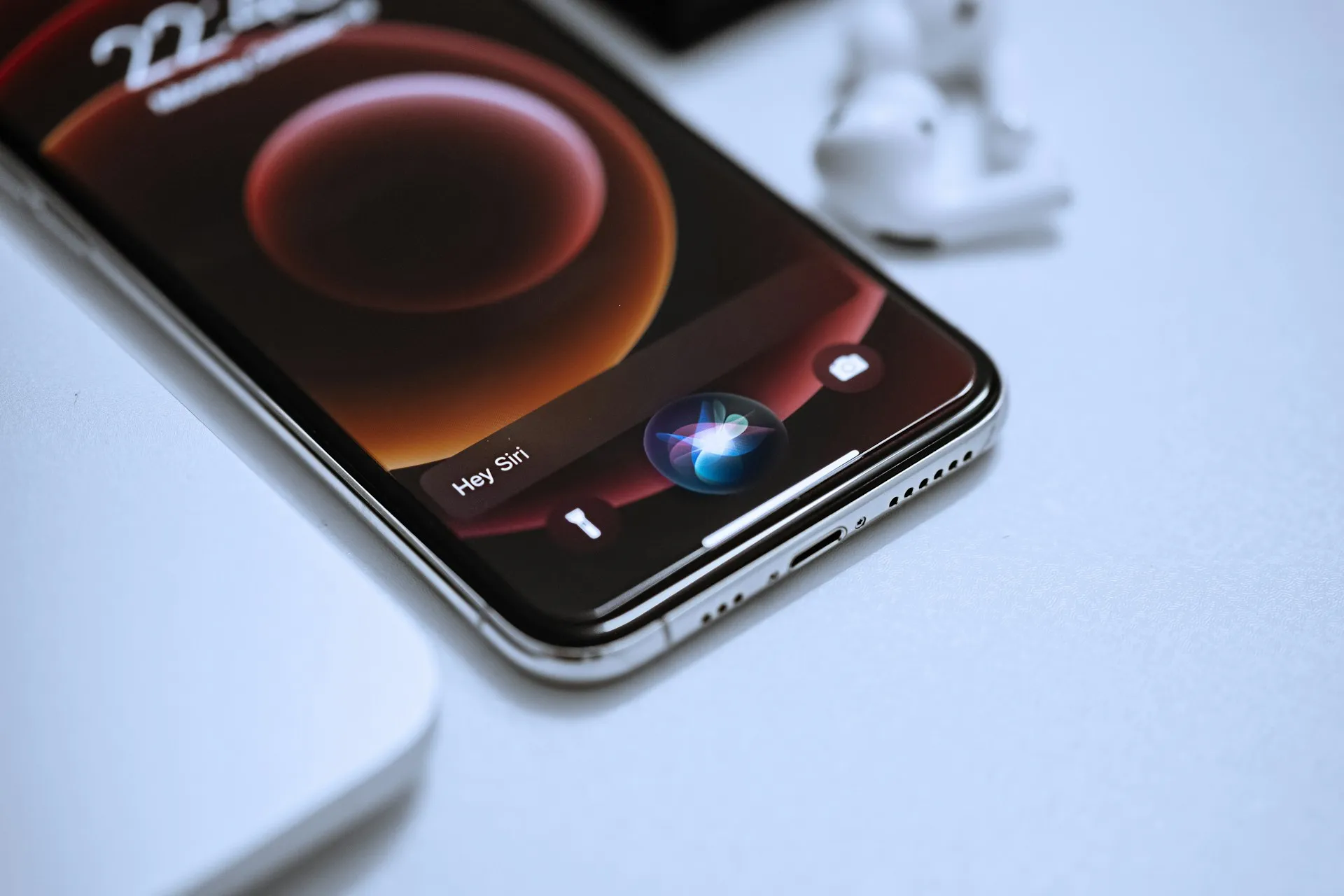
Remember when Apple insisted it wasn't interested in building a chatbot? Well, plans change—especially when you're playing catch-up in the AI race. The enhanced Siri experience will arrive through iOS 26.4, with beta testing beginning in February and public release by early April. This represents a fundamental shift from Apple's original AI strategy, moving toward the conversational model that has given competitors significant market advantages over the past two years.
The technical foundation powering this transformation reveals Apple's pragmatic approach to the AI challenge. The new assistant will operate through Google's infrastructure, utilizing Gemini models for enhanced processing speed and accuracy. This partnership, reportedly worth about $1 billion annually, allows Apple to leverage Google's advanced AI capabilities while maintaining its privacy-focused approach through Private Cloud Compute—a strategic compromise that addresses both competitive pressure and internal development limitations.
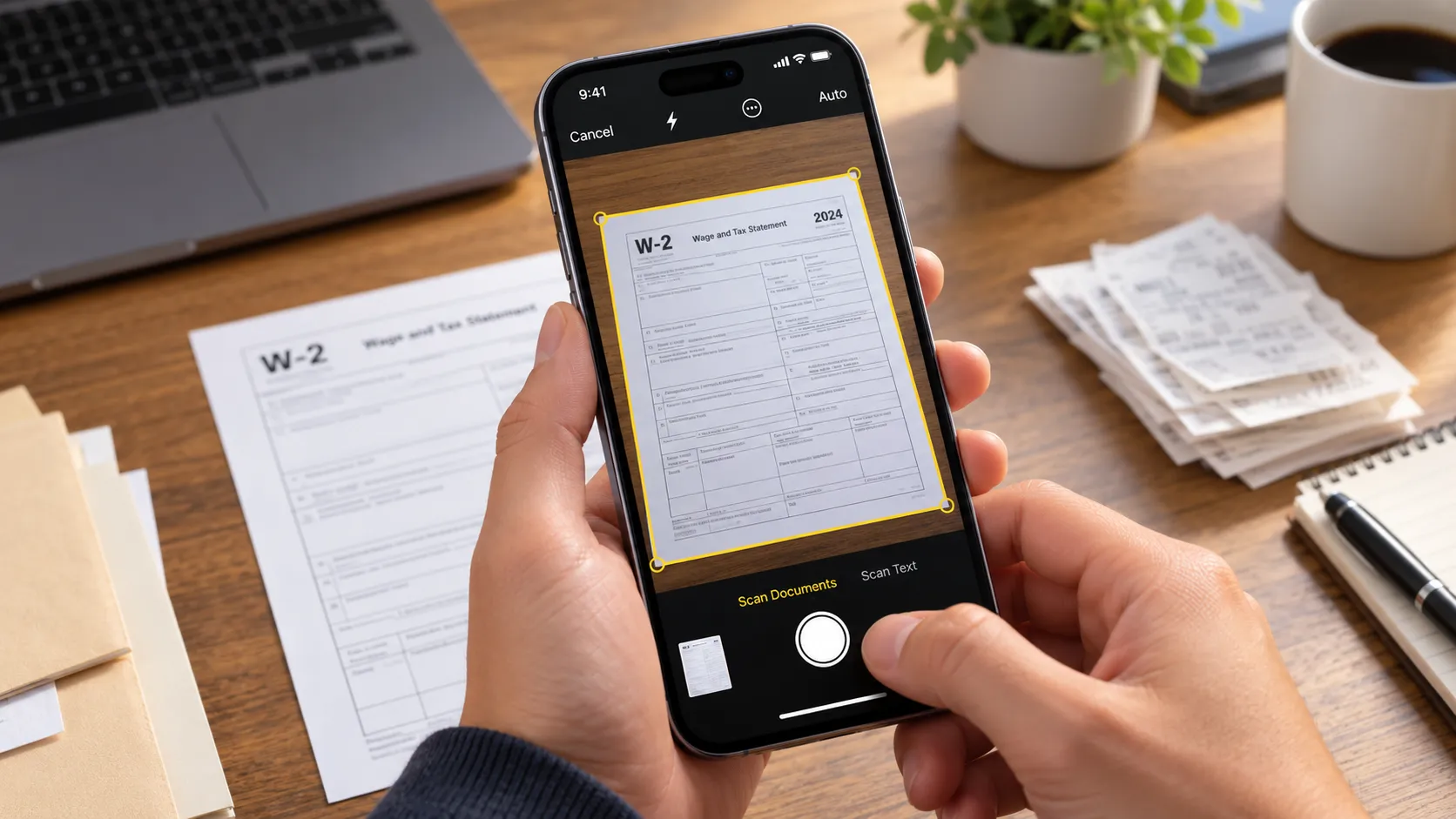
What makes this particularly significant is how it finally delivers on promises that shaped user expectations long ago. Features like Personal Context, on-screen awareness, and app-level control were demonstrated nearly two years ago but never materialized. The delay cost Apple momentum in the AI assistant race, but the Google partnership now enables capabilities that Apple's internal models couldn't deliver independently. The updated Siri will finally provide these core functions, alongside enhanced document creation and health data integration that transforms the assistant from a simple command processor into something approaching genuine intelligence.
The user experience represents a complete philosophical shift. This new Siri will offer chatbot-style interaction similar to ChatGPT and Gemini, with conversational responses and proactive suggestions. Users will engage in natural conversations, request complex document creation, and receive contextual recommendations based on their personal data and current screen content—capabilities that position Apple's ecosystem for the next phase of AI competition while setting the foundation for entirely new interaction paradigms.
iPhone 18 Pro: Under-display Face ID finally arrives
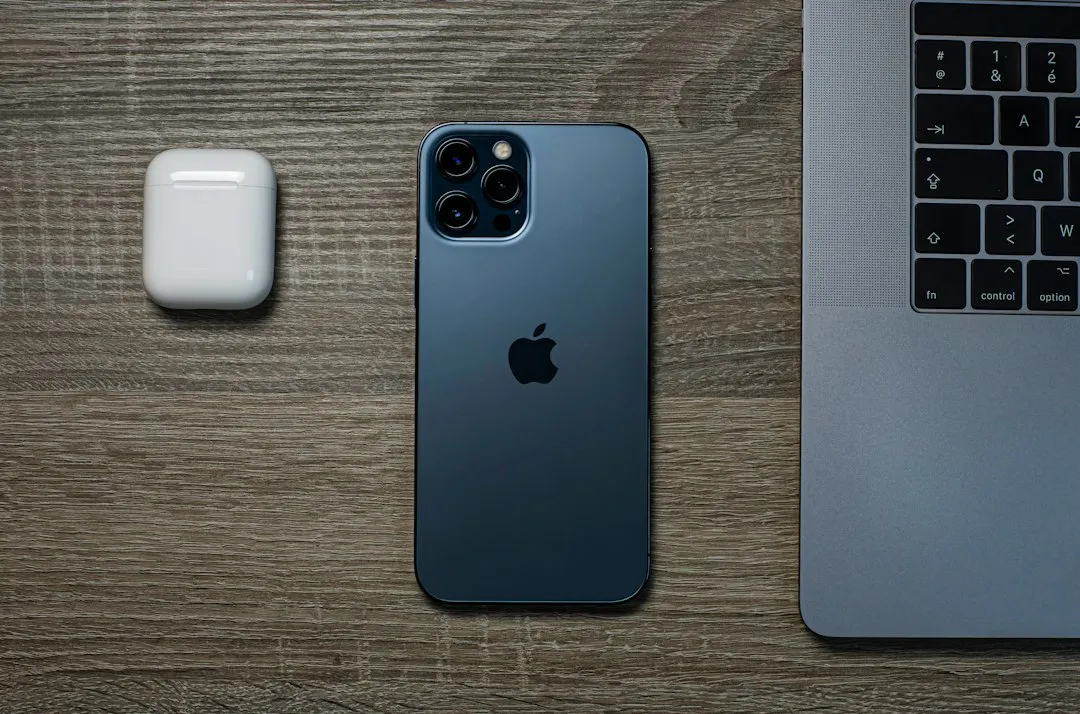
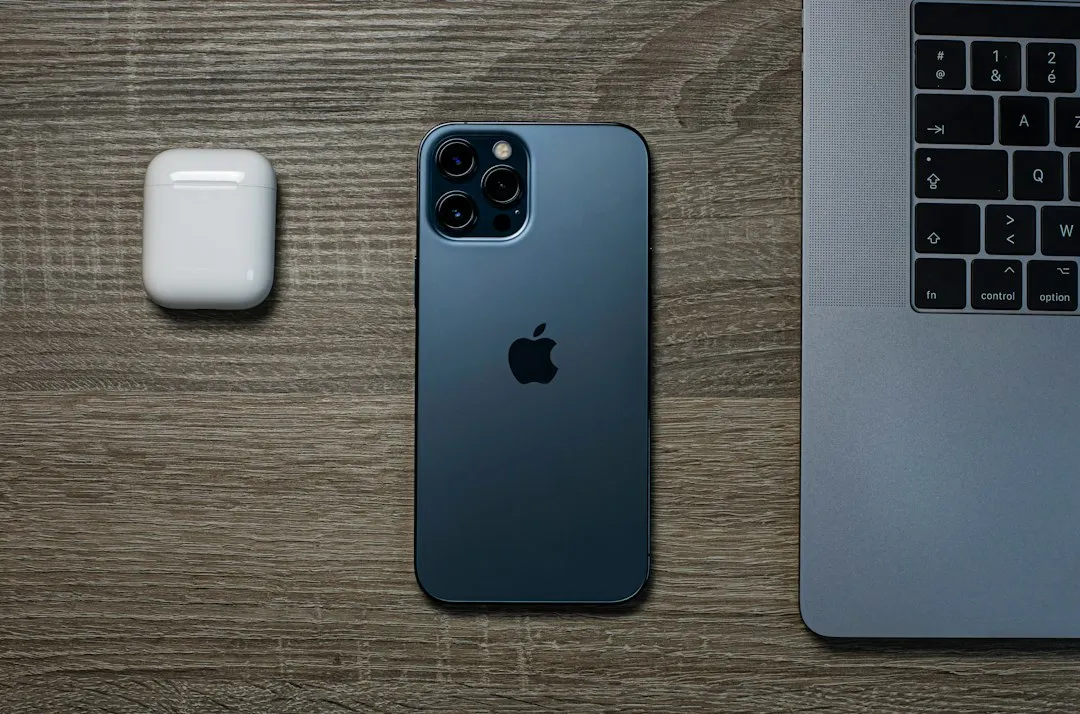
The iPhone 18 Pro represents Apple's most significant design evolution since the introduction of Face ID itself, with hardware improvements specifically engineered to support the enhanced AI experiences Siri 2.0 will deliver. Video leaks reveal under-display Face ID technology that eliminates the Dynamic Island, with the front-facing camera relocated to the top-left corner. This change creates the cleaner, more immersive display experience that users have been requesting for years, while enabling more sophisticated visual interfaces for AI interaction.
The engineering breakthrough behind this transformation required solving challenges that have persisted since Face ID's introduction. These devices will feature 6.3-inch and 6.9-inch displays with Samsung's under-screen infrared technology, enabling seamless Face ID functionality without any visible hardware interruption. More importantly, this design evolution supports the continuous environmental awareness that Apple's AI ecosystem requires, allowing sensors to operate without compromising screen real estate or user experience.
Performance improvements directly enable the sophisticated AI processing that Siri 2.0 demands. The new A20 Pro chip, manufactured using TSMC's 2-nanometer process, promises significant performance improvements alongside 12GB of LPDDR5 RAM—a substantial increase that supports the enhanced AI processing requirements while enabling local model execution for privacy-sensitive operations. This expanded memory capacity is crucial for maintaining responsiveness when Siri processes complex contextual queries or manages multiple AI-powered background tasks.
Camera enhancements extend Apple's computational photography leadership while adding AI-powered environmental understanding capabilities. The devices will include variable aperture technology and triple 48MP rear cameras with advanced plastic lens systems. These camera improvements aren't just about photography—they're essential components of the ambient computing experience Apple is building, enabling real-time scene analysis, object recognition, and contextual AI assistance. Apple is also testing new color options, with burgundy, brown, and purple under consideration for 2026's lineup.
The strategic timing reflects Apple's careful orchestration of its AI transformation. While iPhone 18 Pro models are expected in September 2026, the standard iPhone 18 and iPhone Air 2 may not arrive until March 2027. This staggered approach allows Apple to focus resources on delivering the most technically ambitious AI-capable hardware first, ensuring the under-display Face ID technology and enhanced processing capabilities are thoroughly proven before broader deployment across the product line.
Apple's mysterious AI wearable pin
Perhaps the most intriguing development is Apple's reported work on an AI-powered wearable pin, representing the company's exploration of computing beyond the smartphone paradigm. This device embodies a thin, circular disc made of aluminum and glass, roughly the size of an AirTag but slightly thicker. Rather than replacing existing devices, this represents Apple's vision for ambient AI—technology that seamlessly integrates into daily life without demanding constant attention or interaction.
The technical specifications reveal a sophisticated approach to environmental computing. The pin will include comprehensive sensing capabilities: dual cameras (standard and wide-angle), three microphones, and a built-in speaker, enabling environmental awareness and communication capabilities that extend far beyond simple voice commands. A physical button provides manual control, while magnetic inductive charging ensures convenient power management similar to the Apple Watch experience. This hardware foundation positions the device to serve as an environmental sensor and AI interface that complements rather than competes with traditional Apple products.
What distinguishes this from failed competitors like Humane's AI Pin is Apple's ecosystem-first strategy, informed by clear lessons learned from market failures. The device is designed to work alongside existing Apple products like iPhones, AirPods, and future smart glasses, rather than attempting to replace them entirely. Where Humane tried to create a standalone AI device that struggled with basic functionality, Apple appears focused on creating a seamless extension of its existing ecosystem. This complementary approach leverages the processing power and connectivity of nearby devices while providing ambient AI capabilities that traditional form factors cannot deliver.
The device represents Apple's entry into ambient computing powered by the enhanced Siri capabilities arriving this spring. With the new AI assistant providing the intelligence layer, the pin could offer real-time translation, continuous environmental analysis, and contextual assistance while maintaining Apple's privacy standards through local processing and Private Cloud Compute. The three-microphone array suggests advanced spatial audio capabilities that could enable sophisticated environmental understanding, while the dual cameras support visual AI functions like object recognition and augmented reality assistance.
Production planning signals serious long-term commitment to this new product category. Apple reportedly plans to unveil the device in 2027 with an initial production run of 20 million units, indicating confidence in market demand despite cautionary tales from early market entrants. This timeline allows Apple to refine the Siri 2.0 experience through traditional interfaces first, building user comfort and demonstrating AI capabilities before introducing more ambient interaction models.
The broader ecosystem transformation
These developments reflect Apple's comprehensive AI strategy extending far beyond individual products, with each component building toward a unified vision of intelligent computing. The Health app demonstrates this integrated approach with significant updates that include enhanced data visualization and AI-powered health coaching capabilities. Third-party integrations will support medical records, lab results, and data from non-Apple devices, creating a comprehensive health monitoring ecosystem powered by the same AI capabilities that enhance Siri's contextual understanding.
The strategic timing reveals careful orchestration across multiple product categories and technological capabilities. iOS 26.4's spring arrival establishes the AI foundation that will power experiences across all Apple devices. The iPhone 18 Pro's September launch showcases these capabilities in premium hardware specifically designed for AI workloads. The 2027 AI pin introduction then extends the ecosystem into entirely new interaction paradigms, supported by two years of refined AI experience and proven user adoption patterns.
This progressive approach mirrors Apple's historical strategy with transformative technologies, where initial skepticism gives way to market leadership through careful iteration and ecosystem integration. Users will first experience the enhanced Siri through familiar interfaces, building comfort and trust with AI capabilities. The advanced hardware in iPhone 18 Pro models will demonstrate what's possible when AI is properly supported by purpose-built components. Finally, the wearable pin will introduce ambient computing concepts to users already comfortable with Apple's AI ecosystem, reducing adoption barriers while expanding interaction possibilities.
Looking ahead, these innovations position Apple for fundamental changes in how we interact with technology. The integration of Google's Gemini models, combined with Apple's hardware expertise and privacy focus, creates a foundation for AI experiences that could finally deliver the seamless intelligence that has remained elusive across the industry. The success of this transformation will depend not just on individual product capabilities, but on how effectively Apple can orchestrate these diverse elements into a cohesive ecosystem that enhances rather than complicates daily life. Whether these ambitious plans translate into compelling user experiences that drive meaningful adoption remains to be seen, but Apple's systematic approach to this transformation suggests a level of strategic commitment that could reshape the competitive landscape of AI-powered computing.




Comments
Be the first, drop a comment!