



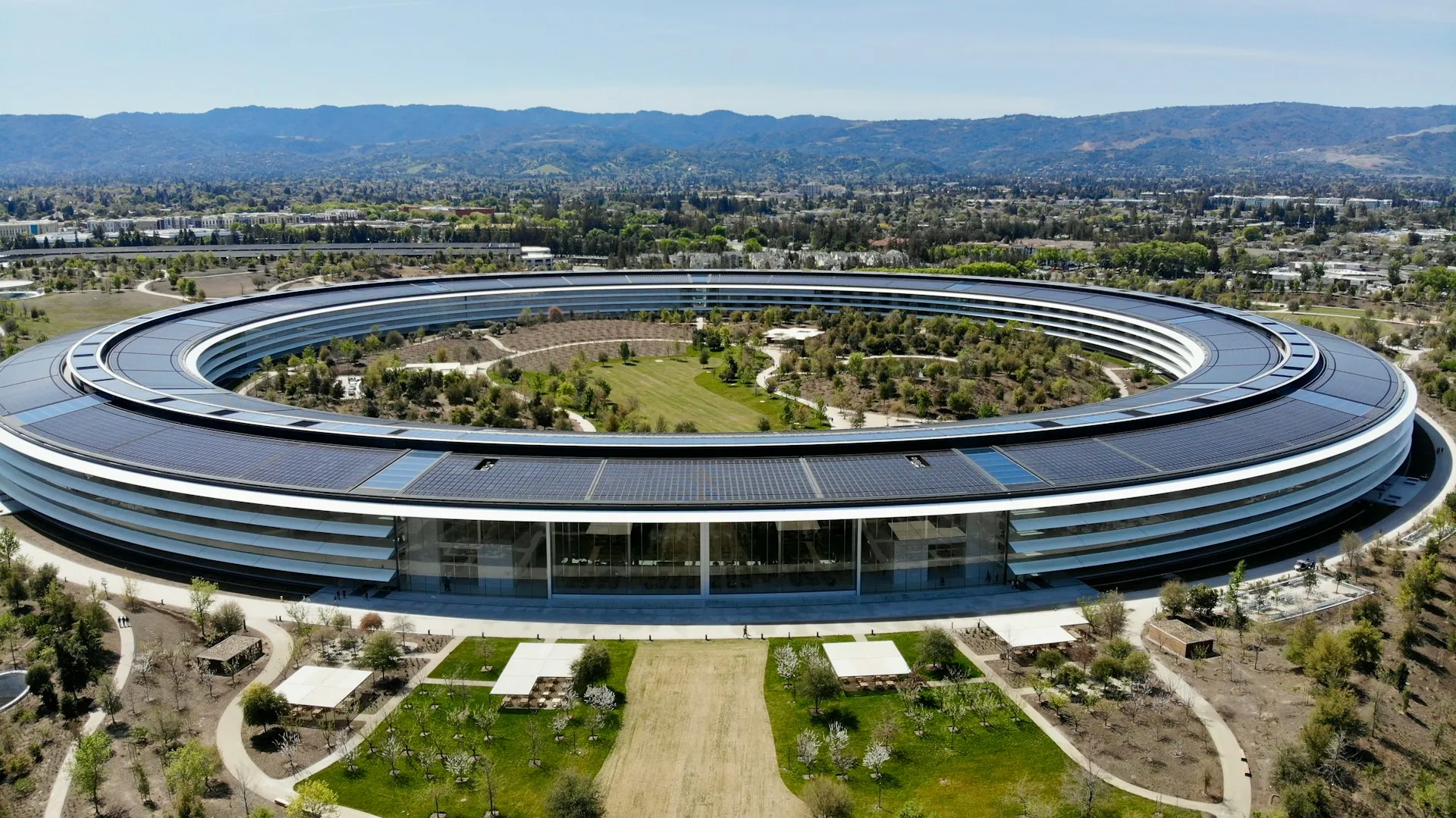
Apple's Super Bowl Presence: The Marketing Strategy That Lets Others Do the Heavy Lifting
Every year, as the Super Bowl approaches, marketing teams scramble for one of advertising's most coveted stages. But here's an interesting twist: the biggest Apple-related moment during the Big Game might not come from Apple at all. Instead, it could emerge from luxury brands, automakers, or lifestyle companies that choose to feature Apple products as the backdrop to its own aspirational narratives.
Think about it. Apple hasn't felt the need to make a splash during the Super Bowl in the way many expected—no grand product unveilings, no emotional storytelling on par with its legendary 1984 ad. Yet Apple's presence looms large anyway. How? By letting other companies do the advertising for them.
When Brands Borrow Apple's Halo Effect
The psychology behind this phenomenon is fascinating. When a luxury automaker films its Super Bowl commercial with the driver seamlessly using CarPlay, or when a high-end watch brand shows its timepiece next to an iPhone on a marble countertop, they're doing more than just set dressing. They're borrowing from Apple's carefully cultivated brand equity—that intangible quality that signals innovation, quality, and an aspirational lifestyle.
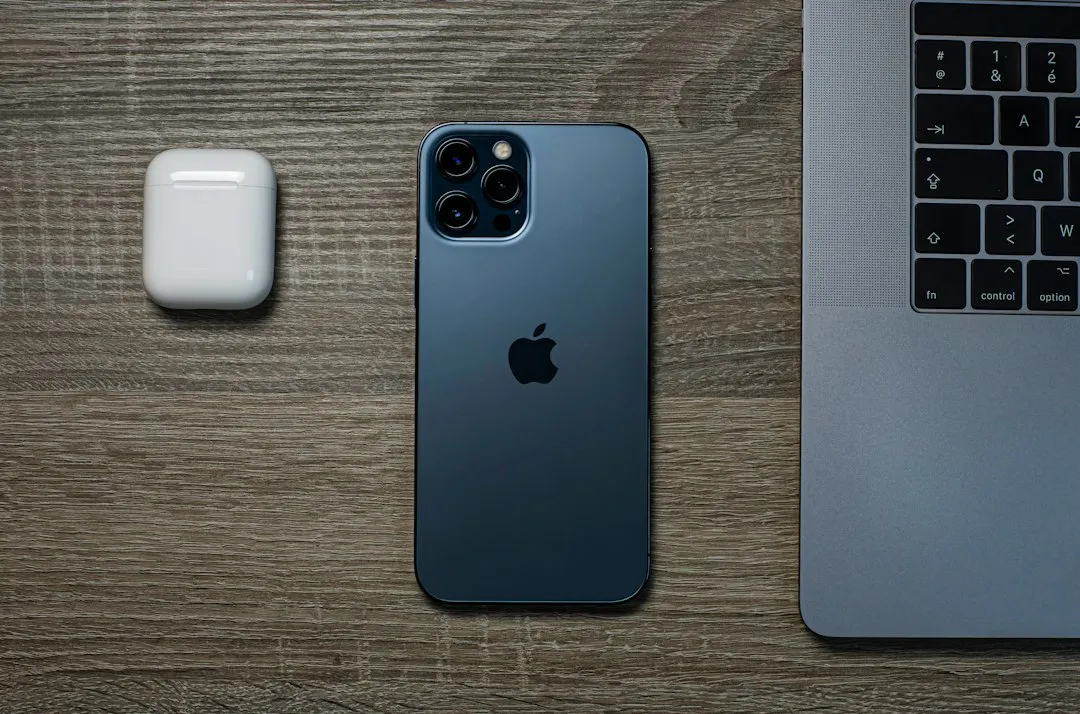
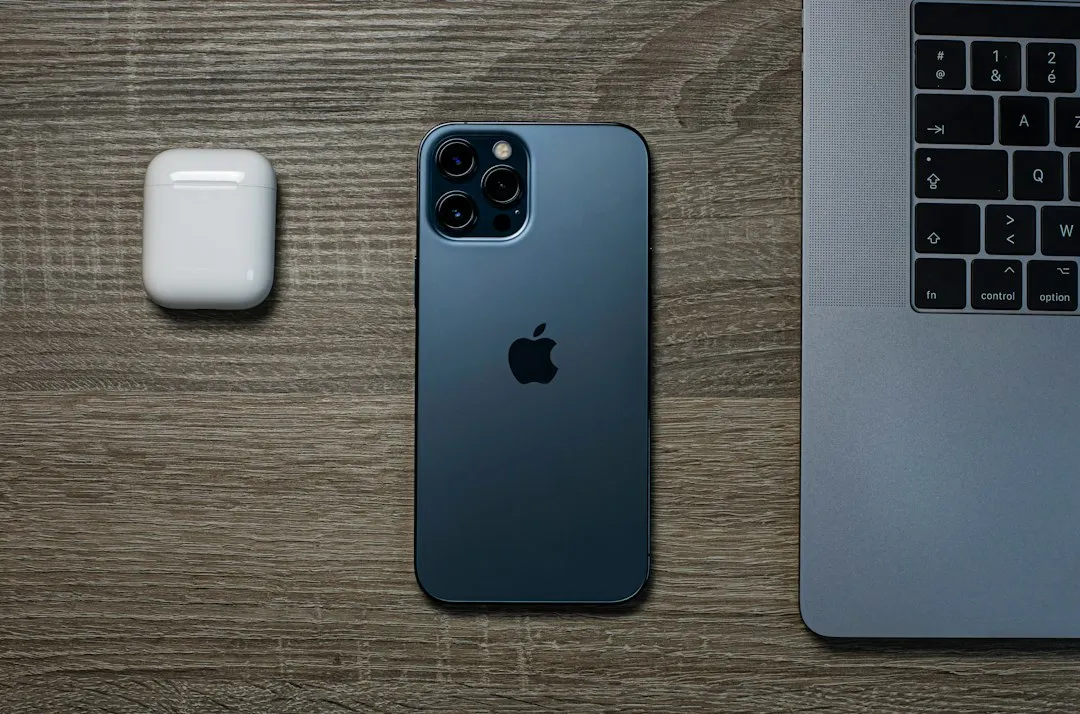
Let's break down the economics here. A brand investing millions in Super Bowl advertising wants every element of its creative to reinforce its message. If it's positioning its product as premium, cutting-edge, or essential to modern life, Apple's devices become natural props. The iPhone in the protagonist's hand, the MacBook on the designer's desk, the AirPods in the athlete's ears—these aren't accidents. They're deliberate choices that communicate "this is what successful, forward-thinking people use."
Here's what makes this arrangement so powerful: it's genuinely mutual. The advertiser gains instant credibility and cultural relevance by association. Apple receives prime-time exposure during one of television's biggest events, reinforcing its position as the default technology in aspirational scenarios. This happens organically during the Super Bowl, when creative teams across industries default to Apple products as visual shorthand for modern, premium living.
Consider the reach. The Super Bowl consistently draws over 100 million viewers—an audience that spans demographics but skews toward affluent, tech-savvy households that already live within or aspire to the Apple ecosystem. When multiple advertisers feature Apple products throughout the broadcast, the cumulative effect amplifies Apple's cultural presence without the company spending a dime on media buys.
Apple TV+ and the Streaming Sports Strategy
Apple's relationship with the Super Bowl gets even more interesting when you consider the company's broader sports strategy. Apple has made significant moves into live sports streaming, from Major League Soccer to MLB Friday Night Baseball. While traditional broadcasters still hold the Super Bowl rights, Apple's positioning in the sports world creates an interesting dynamic.
When sports fans tune into the Super Bowl, many are already familiar with Apple TV+ through its sports content. This creates an indirect benefit: even though Apple isn't broadcasting the game, the sports audience represents exactly the demographic Apple wants to reach—engaged viewers with disposable income who increasingly consume content across multiple platforms.
Bottom line: Apple's presence in sports culture means the company benefits from Super Bowl exposure through indirect channels. Sports advertisers who feature Apple devices are reinforcing the ecosystem that Apple TV+ is simultaneously building through its own sports investments.
The Marketing Strategy Behind the Calculated Absence
Here's what's interesting about Apple's Super Bowl approach: the company's absence from the ad lineup might be the smartest play of all. Think about the math. Super Bowl advertising costs approximately $7 million for 30 seconds of airtime. Apple doesn't need to spend that money when luxury brands, automakers, and lifestyle companies are essentially providing free product placement throughout the entire broadcast.
This represents a fascinating evolution in brand power. Apple has become such a cultural touchstone that its presence is assumed rather than asserted. The company's products appear in Super Bowl commercials not because Apple paid for placement, but because other brands recognize the value of the association.
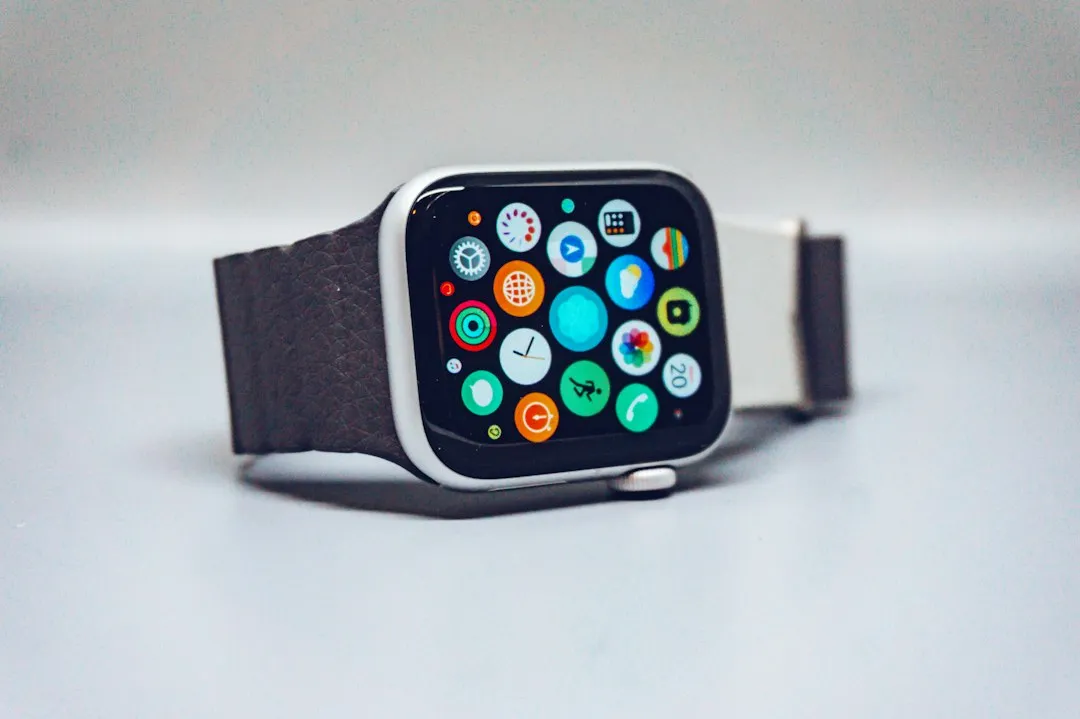
It's marketing judo, really. Apple has spent decades building a brand so powerful that it can let its ecosystem speak for itself. The carefully cultivated image of innovation, quality, and cultural relevance now works on Apple's behalf without requiring traditional advertising spend. Other brands validate Apple's position every time they feature an iPhone, Mac, or Apple Watch in its creative.
This approach also preserves something valuable: exclusivity. By not saturating the Super Bowl with Apple-branded messaging, the company maintains an air of intentionality. When Apple does choose to advertise—whether through product launches, service promotions, or cultural moments—the scarcity makes the message more impactful.
What This Means for Apple's Brand Evolution
The Super Bowl advertising dynamic reveals something important about where Apple sits in the technology and cultural landscape. The company has reached a level of brand maturity where traditional advertising rules don't always apply. While competitors might need the Super Bowl's massive audience to establish credibility or launch products, Apple has built self-sustaining brand momentum.
As streaming wars intensify and Apple TV+ expands its sports portfolio, this dynamic becomes even more advantageous. Third-party advertisers featuring Apple products aren't doing Apple a favor—they're recognizing a market reality. Apple's devices have become the default technology in aspirational storytelling, whether that story is about automotive innovation, athletic performance, or lifestyle achievement.
PRO TIP: Watch how Apple's competitors respond to this dynamic. Brands that successfully build similar ecosystem recognition—where its products appear naturally in other companies' advertising without payment—have achieved a level of cultural integration that money alone can't buy. This is the real measure of brand power.
The real Super Bowl victory isn't measured in thirty-second spots or viral commercials. It's measured in cultural ubiquity—when your products become so embedded in how people imagine success, innovation, and modern life that other companies can't tell its stories without including yours. Apple doesn't need to buy a Super Bowl ad. The game itself, and the commercials that surround it, already belong to the ecosystem Apple built.







Comments
Be the first, drop a comment!