





CarPlay entitlements for HomeView: what app support means
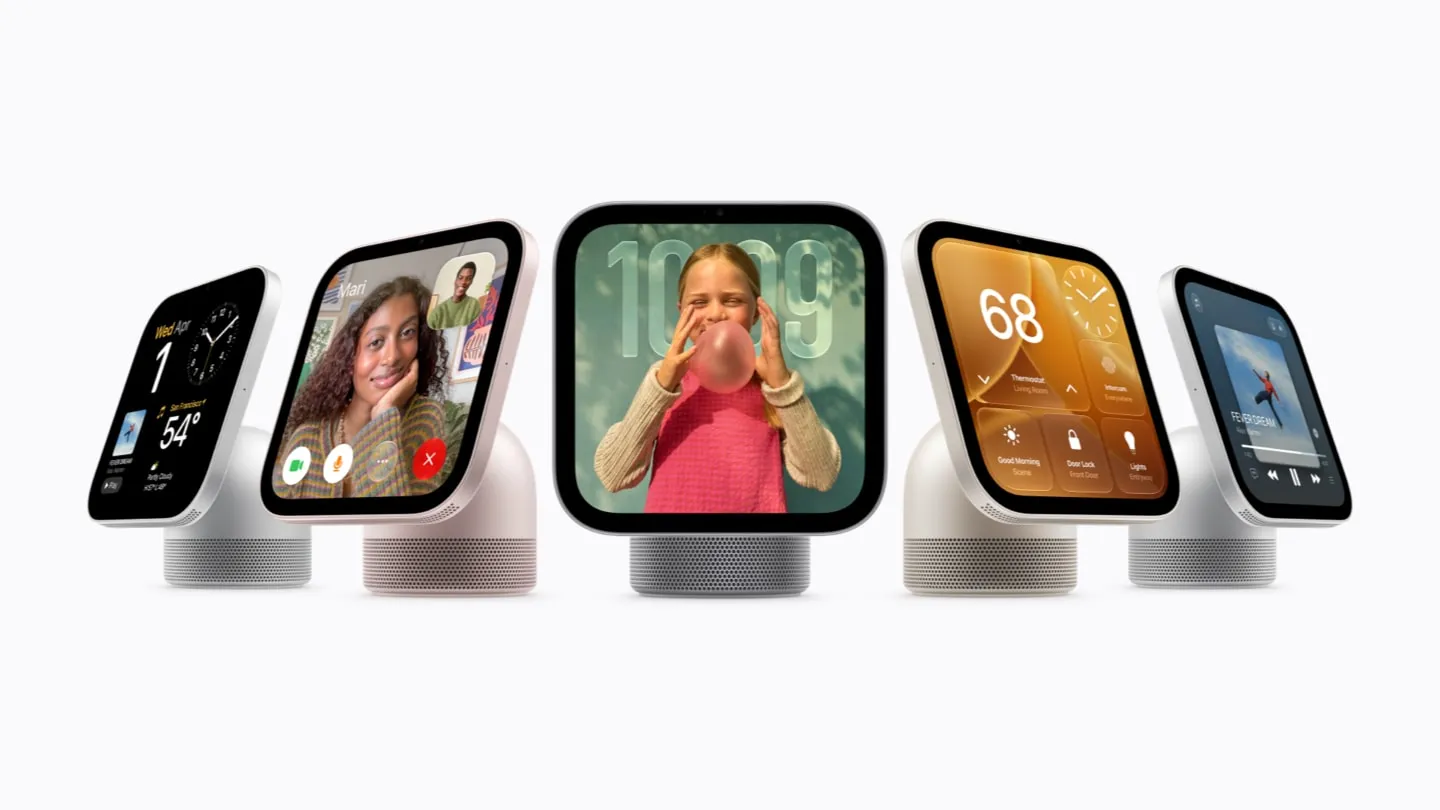
Pre-orders for Apple's HomeView are available starting today at $289 for select models, with the device launching November 13 (9to5Mac). Before handing over money, there's a detail worth understanding: 9to5Mac reports that apps with CarPlay audio or video entitlements appear on HomeView without any changes to the app itself (9to5Mac). That sounds like a fast track to a full launch catalog. It might be, but the claim covers less ground than the headline implies.
The report names two specific entitlement types, not CarPlay support broadly, and the video category only exists because Apple introduced it in iOS 27 this year. YouTube, Netflix, and Disney+ show up in the story as services that could add CarPlay support and land on HomeView as a result, not as confirmed launch partners (9to5Mac). Being eligible to request an entitlement is not the same as having a working, approved CarPlay feature in an app, and that gap is why HomeView's shelf might look thinner on day one than the pitch suggests. If a specific streaming or audio app is the whole reason you want this device, that's worth sitting with before you pre-order.
How CarPlay entitlements for HomeView actually work
9to5Mac's reporting describes apps that already hold a CarPlay audio entitlement or a CarPlay video entitlement appearing on HomeView without app modifications (9to5Mac). The report identifies audio and video as the two categories currently tied to HomeView, and it attributes the lack of extra developer work specifically to apps in those two categories.
What the report doesn't say is whether Apple's other CarPlay categories carry the same privilege. A developer guide published earlier this year lists CarPlay entitlement categories covering audio streaming, turn-by-turn navigation, EV charging, parking, quick food ordering, messaging, VoIP calling, and driving-task apps, each requested as its own distinct key rather than a shared toggle (Rork Lab). Current HomeView reporting doesn't mention navigation, messaging, or any of the rest, so there's no basis for assuming they qualify too. That silence also doesn't rule out some separate HomeView-side check existing alongside the CarPlay entitlement itself.
This claim comes from one outlet, not from Apple's developer documentation or a published HomeView spec. Treat it as the best current account of how the device sources its apps, not as settled Apple policy.
Why holding an entitlement isn't the same as approval
Developers generally can't flip on CarPlay categories themselves. Apple requires a formal request through a dedicated entitlement form, and each category, say audio versus navigation versus messaging, uses its own distinct key rather than one combined approval (Rork Lab). The category-specific model suggests audio and video would need separate approvals too, but the supplied sources don't document how Apple actually handles a combined request for both.
Category also governs what an app is allowed to build once approved. Rork Lab's guide describes Apple restricting which interface templates an app can use based on its approved category, with mismatches, like navigation-style layouts inside an audio app, cited as a documented cause of App Store rejection (Rork Lab). That's the mechanical reason an app's existing navigation or messaging entitlement wouldn't transfer to the audio and video rules 9to5Mac describes for HomeView.
Timelines matter too. One developer's account, published on Rork Lab earlier this year, put initial entitlement approval at roughly two to four weeks on a first attempt, with rejections adding more. Getting from approval to a shippable release took longer still: about four to six weeks if the build ran alongside the entitlement request, or eight to ten weeks if the developer waited for approval before writing any code (Rork Lab). Those are one developer's numbers, not an Apple service level, but they rule out a same-week turnaround for an app starting from nothing. A separate, older account described Apple's entitlement review as notoriously slow, with some developers never hearing back at all (Foti Dim, nearly five years ago), well before CarPlay video existed.
That last point matters for buyers trying to size up launch risk. The Rork Lab guide discusses older, established categories such as audio and navigation; it doesn't mention video at all. That omission may simply reflect the guide predating the category, but either way, nothing in current reporting confirms video follows the same review pace or template rules as the older ones.
For a buyer trying to gauge what's realistic by November 13, it helps to sort apps into three groups. Apps that already ship a working CarPlay audio or video feature are the ones 9to5Mac describes as reportedly showing up without extra work. Apps that support CarPlay in some other category, or don't support it at all, would need to clear a category-specific entitlement request and then build the feature, a process the developer accounts above put at weeks, not days. A third group, apps whose HomeView eligibility simply isn't addressed by current reporting, includes anything built under navigation, messaging, or the other CarPlay categories Rork Lab lists. None of that is confirmed to qualify, and none of it is confirmed to be excluded either.
What would confirm CarPlay video app support on HomeView
Streaming apps sit in that uncertain middle. CarPlay video apps are new this year in iOS 27, and 9to5Mac frames YouTube, Netflix, and Disney+ as services that could make their apps appear on HomeView simply by adding CarPlay support (9to5Mac). That's possibility language, and the same report goes further, raising the chance that several of these apps could show up before the November 13 launch without promising that any specific one will (9to5Mac).
Nothing in the supplied reporting confirms that any of these services has started, let alone finished, the process of adding CarPlay video support. Since the report treats audio and video as distinct entitlement categories, a streaming service aiming for HomeView would presumably need to clear the video path specifically, separate from whatever audio presence it might already have.
Three things would turn this from possibility into confirmation: an official Apple list of apps supported at HomeView's launch, a direct statement from a specific service about adding CarPlay support, or hands-on testing once the device ships showing which apps actually appear on a given unit. The supplied reporting doesn't provide any of those yet. And hands-on testing, once it happens, would only confirm what shows up on a particular device and software build, not prove how Apple's underlying entitlement system works more broadly.
What you can verify before you pre-order, and what you can't
The supplied sources don't offer a reliable consumer-facing check that turns ordinary CarPlay support into a HomeView guarantee. There's no indication an App Store listing or an app's own settings reveal which specific entitlement category, audio, video, navigation, or otherwise, it actually holds. That's a gap in what's documented so far, not proof such a check doesn't exist somewhere; the supplied sources simply don't show consumers how to verify an app's exact entitlement.
As a practical matter, an app with no CarPlay presence today likely faces more work than one that already ships some CarPlay feature. That's common sense rather than a sourced fact, and it doesn't settle whether any particular app will show up at launch. Checking an app's current CarPlay status is a loose signal at best, not proof of a HomeView listing.
The reporting also doesn't describe any consumer-side workaround, a setting, an account change, or a manual add, that would bring an unsupported app to HomeView. Separately, it doesn't address HomeView's device compatibility, iOS version requirements, regional availability, or any account or subscription requirements tied to the launch, so those details should be treated as unaddressed rather than assumed to match other Apple products.
Should you pre-order HomeView now?
9to5Mac's reporting ties HomeView's app catalog to two specific CarPlay entitlements, audio and video, not to general CarPlay compatibility or a dedicated HomeView developer program. Whether that extends to other CarPlay categories, whether the new video entitlement moves at the same pace as the older ones, and whether YouTube, Netflix, or Disney+ have actually committed to building support all remain open questions.
If a particular streaming or audio app is the reason you want HomeView, don't pre-order on the assumption it'll be there at launch. Checking whether that service already supports CarPlay in some form is a reasonable first step, but weigh it as a loose signal, not a confirmed listing. Wait for official Apple launch documentation or compatibility information, or a direct statement from the service you care about most, before treating its presence on HomeView as settled.


Comments
Be the first, drop a comment!