





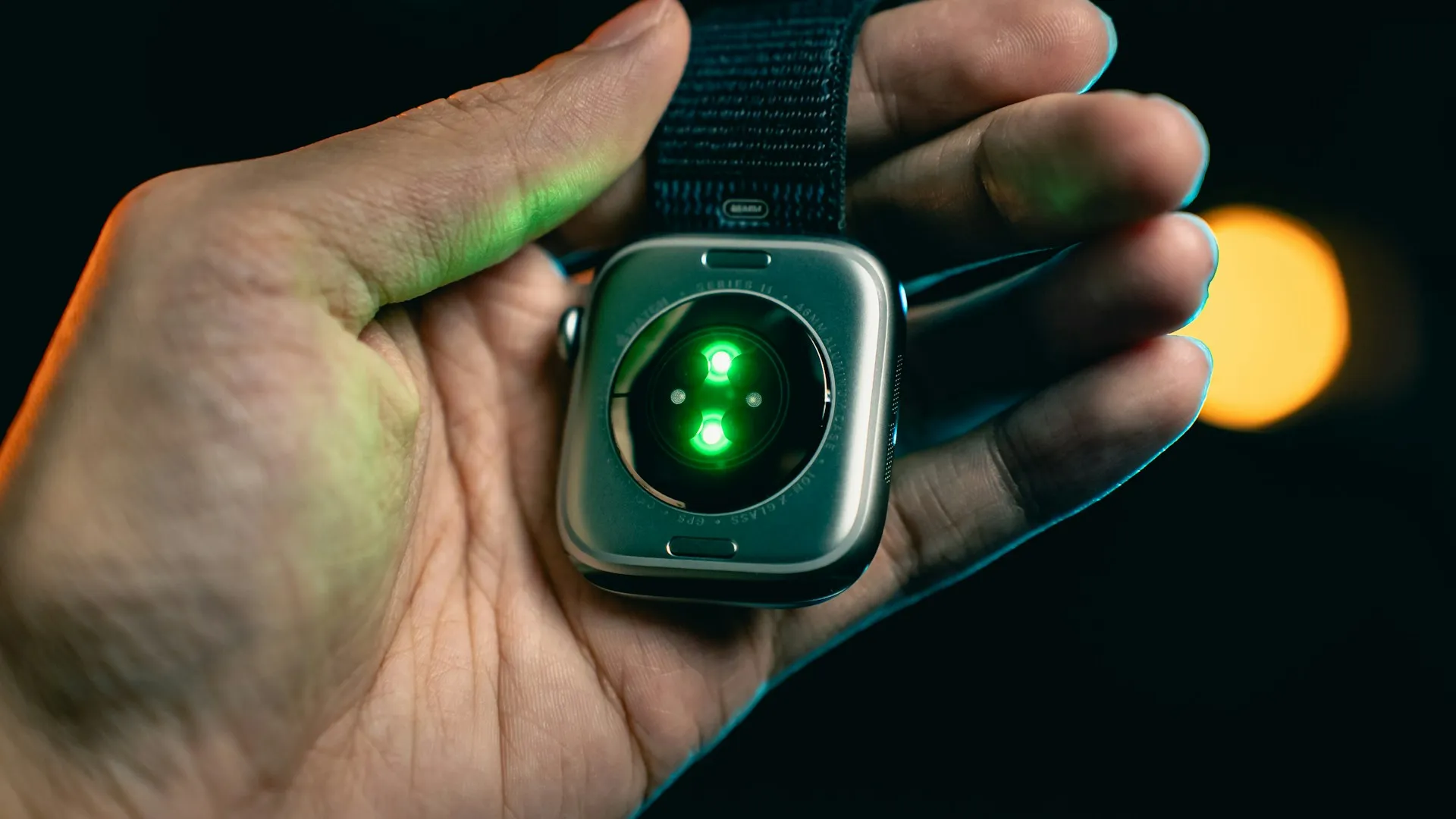
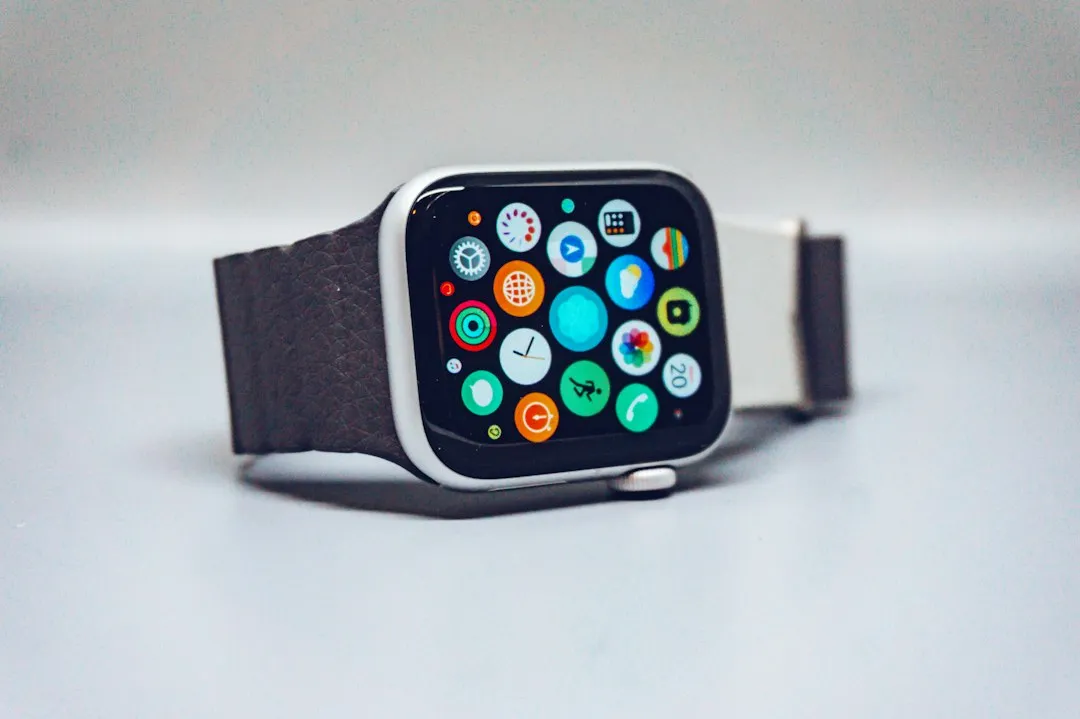
When tech meets healthcare, the results aren't always what we'd expect. OpenAI recently launched ChatGPT Health, a feature designed to analyze personal wellness data. The integration debuted this month with support for platforms including Apple Health and other wellness providers. A Washington Post technology columnist tested the system by connecting his Apple Watch data, raising questions about how well current AI tools interpret health information.
OpenAI reports that roughly one in four of its more than 800 million regular users submits a healthcare-related prompt each week. That's more than 200 million people globally. That level of usage underscores the importance of accuracy in health-related responses.
What went wrong with the Apple Watch analysis?
Here's where things get interesting (and a bit troubling). The testing revealed fundamental issues with how ChatGPT Health interprets wearable device data. The system delivered unreliable and contradictory assessments of the user's Apple Health information. Much of the AI's negative evaluation centered on VO2 max readings, despite Apple clearly stating these measurements are merely estimates rather than precise medical data.
Now, if you've ever upgraded your Apple Watch, you might relate to this next part. The system also misinterpreted changes in resting heart rate that occurred when the user upgraded to a newer Apple Watch—these weren't actual health changes but simply reflected improved sensors and updated measurement algorithms. It's like comparing readings from an old bathroom scale to a new digital one and assuming your weight actually fluctuated that dramatically overnight.
What we're seeing here is a core AI interpretation challenge: the system struggled to distinguish between device-generated estimates and clinical-grade measurements, then built health recommendations around those misinterpretations. When people are looking for meaningful insights about their well-being, this kind of confusion about data reliability becomes a serious concern that goes beyond simple accuracy issues.
Memory gaps and data oversight issues
Beyond interpretation problems, ChatGPT Health demonstrated significant memory and data processing shortcomings that reveal deeper architectural issues. The system repeatedly forgot crucial user information, including gender, age, and recent vital sign measurements.
Even more concerning, the AI had access to current blood test results but frequently failed to incorporate this important clinical data into its health assessments. Think about that for a moment—you've given the system both your wearable data and actual lab results, but it's essentially ignoring the more reliable medical information while focusing on fitness tracker estimates.
These aren't just technical hiccups—they point to challenges in how the system prioritizes and contextualizes health information. When an AI forgets your basic demographics or consistently overlooks clinical data in favor of consumer device readings, it suggests the underlying architecture isn't properly designed for the nuanced, contextual thinking that effective health analysis requires.
The broader implications for AI in healthcare
This real-world test illuminates wider challenges facing AI healthcare applications, and the stakes are genuinely higher here than in other AI use cases. Healthcare AI differs fundamentally from consumer AI because of the enormous scale of potential impact and the critical need for both accuracy and empathy in medical contexts.
Research indicates that even advanced AI models generate clinically harmful recommendations at concerning rates, with the primary failure mode being errors of omission—missing critical tests, referrals, or follow-up care rather than providing unsafe advice. What's particularly tricky is that the integration of structured medical records may increase relevance but also expands the clinical surface area where errors can occur.
The ChatGPT Health experience demonstrates exactly these challenges in action: the system's memory gaps and data prioritization issues are textbook examples of omission errors that could lead users to miss important health patterns or fail to seek appropriate medical attention when needed.
What this means for Apple's health ambitions
These findings arrive at a particularly interesting time for Apple's health ecosystem. Reports suggest Apple is developing an AI-powered 'Health+' service planned for later this year. The ChatGPT Health experience offers valuable lessons about the complexities of interpreting consumer health device data through AI systems.
Here's what makes Apple's position unique: while OpenAI has implemented various safeguards, including enhanced privacy protections and explicit disclaimers that the service isn't intended for diagnosis or treatment, Apple's approach to AI has traditionally emphasized on-device processing and tighter integration with their hardware ecosystem. This could potentially address some of ChatGPT's specific failures—particularly around understanding device limitations and sensor transitions—by building that contextual knowledge directly into the system architecture.
However, the real-world testing suggests that technical safeguards alone may not address fundamental interpretation challenges. Apple's rumored Health+ service will need to solve not just the privacy and processing questions, but also the deeper challenge of how to meaningfully contextualize health data from consumer devices without the interpretation errors we've seen with ChatGPT Health.
The path forward for health AI integration
The ChatGPT Health experience demonstrates both the promise and pitfalls of AI-driven health analysis. While millions of users clearly want AI assistance with health questions—with more than 40 million people asking health-related questions daily—the technology still faces significant accuracy and reliability challenges.
What's particularly telling is that safe deployment depends less on raw model performance and more on robust system architecture, including proper escalation thresholds, multi-agent review processes, and systematic harm measurement and auditing. The current experience with ChatGPT Health suggests these system-level safeguards need substantial improvement—especially around memory consistency, data prioritization, and the ability to appropriately weight different types of health information.
For Apple Watch users and the broader wearable device ecosystem, this serves as a crucial reminder that while AI can provide helpful insights, human medical expertise remains irreplaceable for interpreting our most important health data. The future of health AI will likely require much more sophisticated approaches to data interpretation, context awareness, and transparent communication about system limitations.
Bottom line: The technology shows promise for helping people navigate healthcare complexity and understand their wellness patterns, but we're still in the early stages of getting it right. Until AI systems can reliably distinguish between device estimates and clinical data, maintain consistent context about individual users, and appropriately escalate health concerns, they'll remain useful supplements to—rather than replacements for—human medical judgment.







Comments
Be the first, drop a comment!