



Apple's automotive strategy is reaching a major turning point with several groundbreaking developments reshaping how we interact with our vehicles. Recent backend confirmations show major automakers are finally embracing Apple's digital key ecosystem, while iOS 26.2 delivers enhanced CarPlay capabilities that make the driving experience more seamless than ever. Most significantly, we're witnessing an industry-wide shift as manufacturers from General Motors to Toyota recognize that digital integration isn't just about convenience—it's about staying competitive in an increasingly connected automotive landscape.
General Motors officially confirms Apple Wallet integration
Here's what you need to know: GM has finally made it official. The automaker has confirmed plans to support Apple Wallet digital car keys after months of speculation, according to 9to5Mac. This development follows backend code discovered in October that revealed GM's preparations for the feature, suggesting the timing reflects a strategic acceleration rather than a gradual rollout, as noted in the same report.
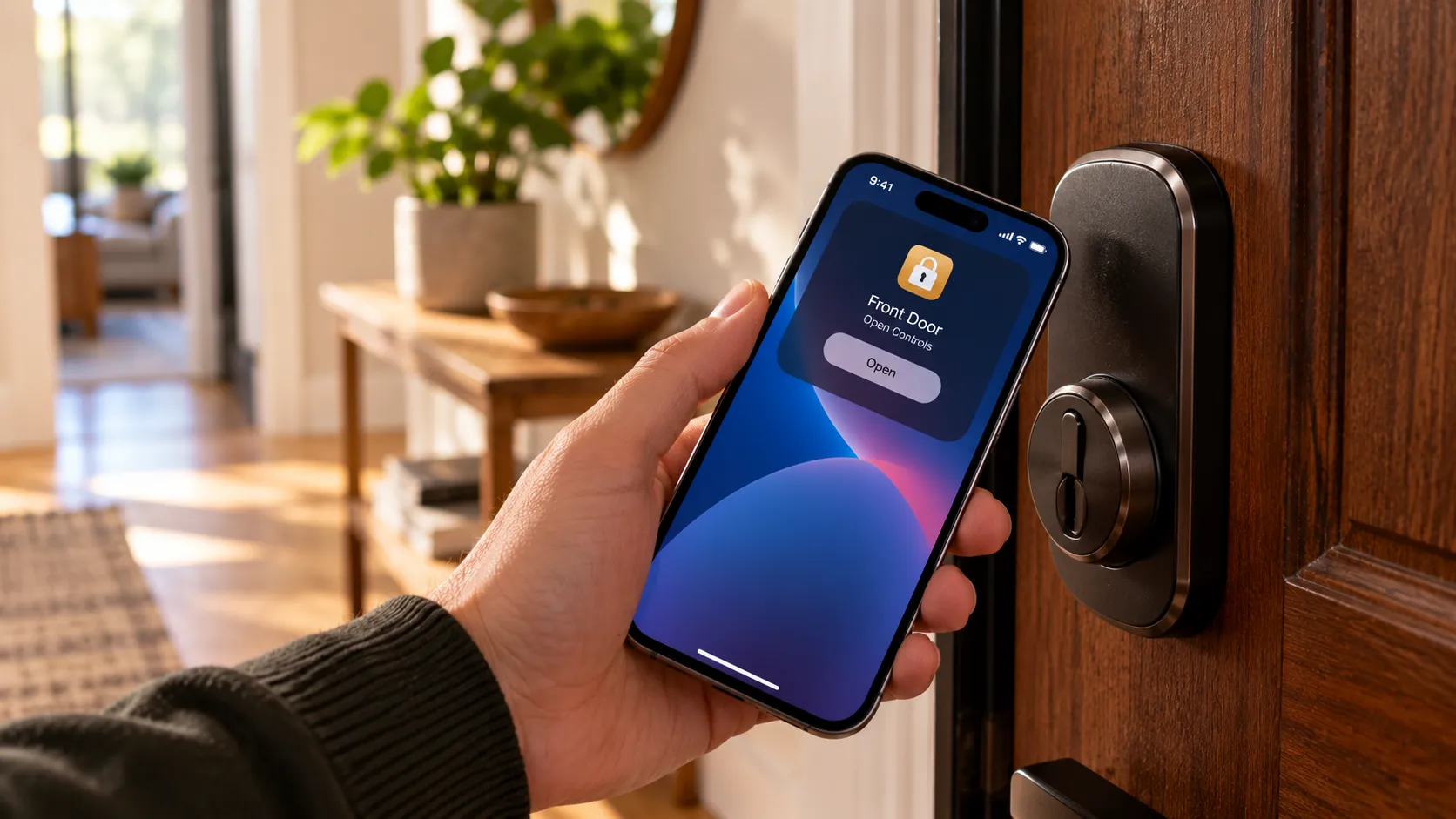
The comprehensive functionality will enable iPhone users to store digital copies of their vehicle keys directly in the Wallet app, according to the source. GM can choose from three implementation modes: passive entry (automatic unlock as you approach), proximity-based unlocking (requiring device positioning near the car), and remote functionality for distance-based locking and unlocking, as detailed by 9to5Mac.
What makes GM's approach particularly strategic is the competitive pressure they face. As Tesla explores CarPlay integration and EV manufacturers like Rivian implement cutting-edge digital features, traditional automakers must accelerate their digital transformation. However, GM maintains typical industry caution regarding specifics—while confirming their commitment, they haven't revealed launch dates or identified which vehicle models will receive support first, the report indicates.
iOS 26.2 brings enhanced CarPlay widget capabilities
The latest iOS update delivers genuinely useful improvements for CarPlay users, though the benefits vary significantly based on your vehicle's hardware capabilities. iOS 26.2 has expanded widget stack availability for certain cars, according to 9to5Mac, with Tom Warren from The Verge discovering that his vehicle now displays three widgets instead of the previous two after updating, as reported by 9to5Mac.
This enhancement represents Apple's ongoing challenge in the automotive space: creating unified software experiences across vastly different hardware platforms. The widget expansion depends entirely on individual vehicle screen capabilities, with Apple providing no official documentation about compatibility, the same source notes. It's a stark contrast to Apple's typically controlled ecosystem approach—here, automotive hardware constraints force a more fragmented implementation.
This builds on the substantial CarPlay improvements introduced in iOS 26, which brought widget support to the platform for the first time, as 9to5Mac previously covered. The widget expansion in iOS 26.2 demonstrates Apple's commitment to iterative improvement, gradually optimizing the experience as they gather data from real-world usage across different vehicle platforms.
Toyota joins the digital key revolution
Bottom line: Toyota's entry into Apple's digital key ecosystem could be a game-changer for mass market adoption. Apple's backend systems have been updated to include Toyota among supported manufacturers, according to 9to5Mac, with this integration going live on Apple's servers on 2025-12-15 (Dec 15, 2025), WebProNews reports.
Toyota's participation is strategically crucial given their existing digital infrastructure and massive global scale. The automaker already operates smartphone-based vehicle access through the Remote Connect package, MacRumors notes, providing a foundation for deeper Apple integration. Unlike manufacturers building digital key systems from scratch, Toyota can leverage their T-Connect platform's existing remote functions like engine start and climate control for enhanced digital key capabilities.
Apple's implementation promises superior security and integration through NFC and ultra-wideband technology, WebProNews explains. Users will be able to add vehicle keys to the Wallet app, share them digitally with customizable restrictions, and operate them entirely offline once configured, according to the same source. However, following industry patterns, neither Toyota nor Apple has announced specific launch timelines or revealed which Toyota models will support the feature initially, 9to5Mac reports.
Rivian leads the charge with immediate implementation
While traditional manufacturers plan and prepare, Rivian demonstrates the competitive advantage of EV-first development. The electric vehicle maker is rolling out Apple Wallet car key support for second-generation R1S and R1T vehicles via a 2025.46 software update in December 2025, MacRumors confirms. This implementation includes Ultra Wideband technology for passive entry and Express Mode functionality that eliminates Face ID authentication requirements, according to the report.
Rivian's comprehensive feature set highlights what's possible when automotive companies build digital-first platforms. The system includes Power Reserve functionality that maintains digital key access for up to five hours after iPhone battery depletion, plus the ability to share keys with up to eight people through AirDrop or messaging apps, the source details.
The hardware limitation reveals why EV manufacturers can move faster than traditional automakers: this advanced functionality won't be available for first-generation Rivian vehicles built through 2024, the report specifies. While traditional manufacturers must retrofit digital capabilities onto platforms designed for mechanical keys, EV companies like Rivian can architect their vehicles around digital-first experiences from the ground up.
Where do we go from here?
The automotive industry is clearly standardizing around digital key solutions, with Apple positioned at the center of this transformation. With 13 new vehicle brands preparing to add Car Key support, we'll soon have 33 supported manufacturers in Apple's ecosystem, 9to5Mac reports. This rapid expansion reflects broader industry recognition that digital integration is becoming a competitive necessity rather than a luxury feature.
The flexibility in Apple's implementation—supporting passive entry, proximity-based access, and remote functionality—allows manufacturers to tailor digital keys to their specific customer bases and vehicle platforms, according to the same source. This adaptability is crucial as automakers balance innovation with reliability concerns and varying regional regulations.
Industry experts predict digital keys will become standard in most new vehicles by 2030, driven primarily by consumer expectations for seamless digital experiences, WebProNews indicates. The convergence of Silicon Valley innovation and traditional automotive manufacturing is creating possibilities that extend far beyond vehicle access, as noted by WebProNews.
Future scenarios include intelligent vehicle preconditioning based on calendar integration, seamless smart home connectivity for garage and security systems, and entirely new business models around subscription features and shared mobility services, the source suggests. As manufacturers like Porsche announce Apple Car Key support for upcoming electric vehicles, we're witnessing a fundamental shift toward unified digital experiences that transform our cars from isolated mechanical systems into extensions of our connected digital lives, WebProNews concludes.
The key takeaway is that Apple's systematic expansion across major automakers signals something much more comprehensive than simple convenience features—it's building the foundation for a completely reimagined relationship between drivers, vehicles, and the broader digital ecosystem.




Comments
Be the first, drop a comment!