





When you step into a new GM electric vehicle these days, you might notice something missing—that familiar Apple CarPlay or Android Auto interface you've grown accustomed to. This isn't an oversight or cost-cutting measure. General Motors is making one of the boldest moves in automotive tech by moving away from smartphone mirroring across future models as it rolls out a unified software architecture through 2028. The automaker initially phased out Apple CarPlay and Android Auto from its electric models in 2023, starting with vehicles like the Chevy Blazer EV and Cadillac Lyriq. Now, CEO Mary Barra has confirmed that this strategy will eventually extend to all GM vehicles, including gas-powered models, making GM one of the few major automakers to completely abandon smartphone mirroring technology. This decision directly contradicts consumer preferences, as Apple reports that 79% of US car buyers would only consider purchasing CarPlay-compatible vehicles as of 2022.
Why GM is betting against smartphone integration
Here's where things get interesting. GM's decision stems from their belief that smartphone mirroring creates a fragmented user experience. The company argues that transitions between the car's native interface and phone-based systems can be clunky and potentially dangerous in some situations. But rather than simply removing these features, GM is pursuing a fundamentally different approach to vehicle connectivity.
GM is building its infotainment around Google's Android Automotive OS, which allows native Android apps to run directly on the vehicle's hardware. This approach enables deeper integration with vehicle systems, particularly for electric vehicle features like battery management and charging station routing. Consider the difference in EV trip planning: when you're mapping a cross-country journey in an electric vehicle, the car can simultaneously analyze your current battery health, real-time driving conditions, available charging networks, and even your driving patterns to create an optimized route that CarPlay simply cannot match.
GM's primary motivation centers on creating better comfort around the EV charging experience, which they believe works more effectively with built-in systems rather than phone projection technologies. The Blazer EV, for example, uses a native Google-based mapping app that integrates route planning with battery health and charging station locations in ways that external phone apps cannot access. When your navigation system can coordinate with features like Super Cruise hands-free driving technology, determining exactly where autonomous features are available and factoring that into charging schedules, you get capabilities that no smartphone projection system could provide.
The 2028 computing revolution
GM's smartphone elimination strategy becomes clearer when you understand their massive technology transformation launching in 2028. The new centralized computing platform will debut in the Cadillac Escalade IQ, featuring dramatically enhanced capabilities that dwarf current automotive computing systems.
The specifications represent generational leaps rather than incremental improvements: 10 times more over-the-air update capacity, 1,000 times more bandwidth, and up to 35 times more AI performance for autonomous driving features. This computing horsepower enables entirely new categories of in-vehicle experiences, from real-time vehicle health diagnostics that can predict maintenance needs before problems occur, to AI-powered route optimization that learns from your driving preferences and adjusts recommendations accordingly.
The system will include Google's Gemini AI as a voice assistant and GM's Level 3 hands-free highway driving technology, allowing drivers to take their eyes off the road in certain situations while remaining ready to resume control when needed. Level 3 autonomy represents a crucial threshold—the first level where you can actually divert your attention from driving, though you must stay alert to regain control when the system requests it.
What's particularly significant is that the new platform will be rolled out to both GM's EVs and internal combustion engine vehicles, meaning even traditional gas-powered cars will gain access to these advanced AI capabilities and enhanced connectivity features.
How car owners are fighting back
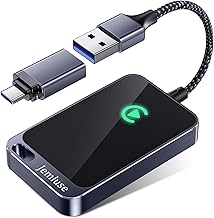
Despite GM's official stance, resourceful owners have developed workarounds to restore CarPlay functionality, demonstrating the lengths to which users will go to maintain their preferred digital ecosystems. A third-party modification using a $55 CPC200-CCPA adapter can bring wireless CarPlay to GM's electric vehicles, though it requires considerable technical expertise and patience.
The installation process involves compiling and installing an Android app through Google's Play Store using a developer account, making it accessible only to tech-savvy users comfortable with software development tools. You'll need familiarity with Android app compilation, developer account management, and troubleshooting complex installation procedures—definitely not a weekend project for most car owners.
Once successfully implemented, the mod enables Siri commands and popular apps like Waze and A Better Route Planner, though with notable limitations. It only works with Apple CarPlay wirelessly, and there's no direct audio output from the adapter. Music streaming still functions through Bluetooth audio, but the setup requires additional configuration steps. The hardware dongle comes with a USB-A cable, potentially requiring adapters depending on your vehicle's port configuration.
The developer has stated they'll continue working on the project privately but won't provide public updates, leaving users largely on their own for troubleshooting. However, a ready-made in-vehicle companion app might eventually surface on the Google Play store, which could eliminate the technical complexity for average users.
What this means for the Apple ecosystem
GM's decision creates a significant challenge for Apple's automotive strategy, particularly given the timing of broader industry hesitation around Apple's next-generation CarPlay platform. Research indicates that nearly half of automotive shoppers would not consider buying a vehicle without CarPlay connectivity, suggesting GM is potentially alienating a substantial customer base for their strategic bet.
The situation becomes more complex when considering Apple's slow rollout of CarPlay Ultra. Aston Martin was the first to ship Apple's CarPlay Ultra; broader automaker adoption remains limited so far, while many automakers appear hesitant to adopt the more comprehensive system. GM's decision effectively removes them from future CarPlay Ultra consideration entirely, potentially influencing other manufacturers who may view GM's approach as a viable alternative to deeper Apple integration.
This positions GM alongside manufacturers like Tesla, Rivian, and Lucid that don't support smartphone mirroring technologies, creating a bifurcated automotive landscape. However, unlike Tesla, which built its reputation partly on superior native infotainment, GM is asking customers to abandon familiar, beloved functionality for promised future capabilities.
For consumers deeply embedded in Apple's ecosystem—those who rely on iMessage, Apple Music, iCloud synchronization, and seamless device handoffs—GM's decision forces an uncomfortable choice between vehicle preference and digital lifestyle integration. This fragmentation could accelerate as other automakers evaluate whether following GM's path offers greater long-term strategic control over customer relationships and revenue streams.
The road ahead for connected cars
GM's strategy represents more than a technology choice—it's a fundamental shift toward viewing vehicles as revenue-generating software platforms. The company's long-term goal involves transforming vehicles into "software-defined platforms" that generate ongoing revenue through subscriptions and in-car services, similar to smartphone app ecosystems.
This approach centers on control and data ownership. When customers use CarPlay, they're essentially accessing Apple's ecosystem through Apple's interface, with Apple potentially capturing transaction revenue and usage data. GM wants to own that entire customer relationship and the valuable data streams that come with it, from driving patterns and destination preferences to in-vehicle purchase behavior.
For consumers caught in this transition, timing matters significantly. Consumers who want both CarPlay compatibility and GM vehicles should consider purchasing gas-powered models from Buick, Cadillac, Chevrolet, and GMC within the next couple of years before the full phase-out begins around 2028. This window provides an opportunity to experience GM's vehicle quality and features while maintaining smartphone integration familiarity.
The ultimate success of GM's gamble will depend on execution quality when the 2028 computing platform launches. They're betting that superior AI assistance, deeper vehicle integration, more sophisticated autonomous features, and seamless over-the-air updates will outweigh the convenience of familiar smartphone interfaces. If GM can deliver genuinely transformative in-vehicle experiences that exceed what smartphone projection offers, they could establish a competitive advantage that other automakers will struggle to match.
However, if the native experience falls short of user expectations or fails to deliver the promised capabilities, GM may find themselves struggling to win back customers who simply want their digital lives to work seamlessly across all their devices—including their cars.





Comments
Be the first, drop a comment!