



Google just pulled off something remarkable—and risky. Their newest Android devices can now seamlessly share files with iPhones through a direct connection to Apple's AirDrop protocol, according to tech-ish. This isn't a partnership or official collaboration; it's Google essentially reverse-engineering one of Apple's most beloved ecosystem features. The implementation uses Rust programming language for enhanced security and currently works exclusively on Pixel 10 devices, as reported by PC Mag. But here's the key question: will Apple embrace this breakthrough in cross-platform compatibility, or are we about to witness another chapter in the ongoing battle for ecosystem control?
How Google cracked Apple's walled garden
Let's break it down—Google's approach to AirDrop integration represents a fascinating technical achievement that bypasses Apple's traditional gatekeeping entirely. The search giant developed their own implementation of Apple's file-sharing protocol without any official cooperation, tech-ish reports. What makes this implementation particularly noteworthy is Google's choice to use Rust programming language—a memory-safe language that's rapidly becoming the industry standard for secure systems. This technical decision creates what Google claims is a "notably stronger" implementation than other industry attempts at similar integrations, according to the same source.
The brilliance of Google's execution lies in making Quick Share interoperable with AirDrop, enabling genuine two-way file sharing between Android and iOS devices, PC Mag confirms. However, there's a significant limitation: iPhone users must set their AirDrop to "Everyone for 10 Minutes" mode to receive files from Pixel devices, the publication notes. This requirement essentially forces iPhone users to temporarily open their devices to all nearby users, creating potential security concerns.
Google acknowledges this limitation and has diplomatically expressed willingness to collaborate with Apple on enabling "Contacts Only" mode in the future, according to PC Mag. The fact that Google said Apple was not involved in the development (per Google's blog and 9to5Google coverage) on this development makes it clear they're effectively bypassing what they call the "Apple blocker," tech-ish reveals.
Apple's response options and regulatory pressure
Apple finds itself in a particularly complex position as regulatory pressure mounts from multiple directions. The European Union has been aggressively pushing for increased interoperability through the Digital Markets Act, with draft proposals already released and final decisions expected in 2025, Mashable India reports. The EU prioritizes user choice and device interoperability over potential security concerns, the same source indicates.
Apple's competitive response is already taking shape through strategic iOS enhancements. The latest OS 26.2 beta introduces temporary sharing codes that provide 30-day access windows for file sharing, Tom's Guide reveals. This code-based approach offers arguably better security than the current "Everyone for 10 Minutes" setting that Google's implementation requires, according to Tom's Guide. If widely adopted, this feature could potentially make Google's reverse-engineering approach less attractive to users concerned about security.
Apple has historically responded to regulatory pressure with strong resistance, arguing that forced interoperability requirements are "unreasonable, costly, and stifles innovation" while potentially harming user privacy and safety, Notebook Check reports. Some reporting and commentary (e.g., 9to5Mac coverage of Apple's statements about the DMA) say Apple warned it might withhold or limit features in the EU rather than comply; Apple framed this as a concern about user experience. This represents a bold negotiating stance—essentially threatening to remove popular features rather than lose control over how they operate.
The technical battleground ahead
Google's implementation represents just the opening move in what could become a prolonged technical chess match. The company describes this AirDrop integration as "just the first step" toward improving the experience and expanding it to more Android devices beyond the current Pixel 10 exclusivity, PCMag indicates. This expansion strategy suggests Google views cross-platform file sharing as a long-term competitive advantage rather than a one-off technical demonstration.
Meanwhile, Apple's counter-moves are becoming apparent through both iOS updates and regulatory compliance efforts. The company has introduced new APIs in iOS 18 that allow third-party Bluetooth and Wi-Fi accessories to pair with iPhones using AirPods-like processes, iDownload Blog reports. Additionally, Apple must provide necessary frameworks and APIs to third-party developers free of charge, with the same timing as first-party access, according to the same source.
The underlying technology battle extends far beyond simple file sharing protocols. EU regulations are forcing Apple to transition from its proprietary Apple Wireless Direct Link (AWDL) protocol to the industry-standard Wi-Fi Aware technology, Ditto reveals. This shift could fundamentally alter how peer-to-peer connections work across Apple's ecosystem, potentially creating new opportunities for cross-platform integration, the same source confirms. Apple built AWDL specifically to address concerns with existing Wi-Fi Direct technology, and they've deployed it across over a billion devices to power AirDrop, AirPlay peer connections, GameKit, Apple Watch unlock, and more, Ditto notes. Forcing Apple to abandon this proprietary advantage could level the playing field for competitors like Google.
What this means for the future of device ecosystems
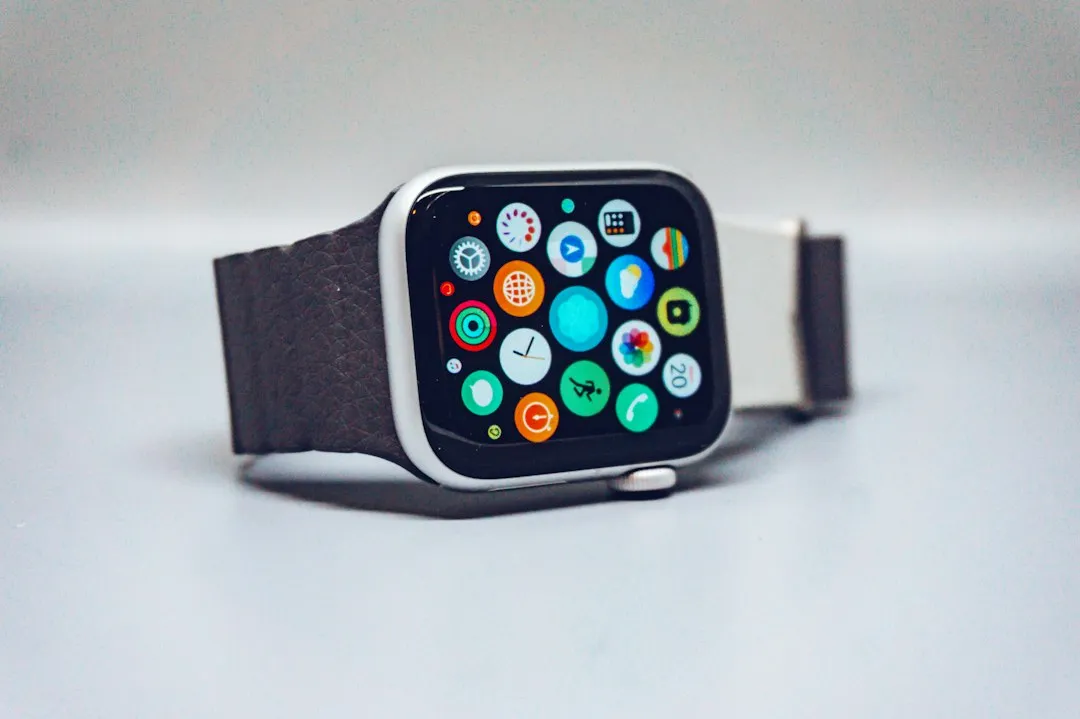
The implications of Google's AirDrop breakthrough extend far beyond simple file sharing convenience. This development signals a potential shift toward more open, interoperable device ecosystems that could reshape how we think about brand loyalty and device compatibility. European regulations are already mandating that Apple provide third-party devices with full access to iOS notifications and background execution privileges, ensuring third-party smartwatches can achieve Apple Watch-level integration, iDownload Blog confirms.
The timeline for these changes is accelerating rapidly. Third-party support for iOS notifications, background execution, and proximity pairing will enter testing by the end of 2025 and roll out fully in 2026 as part of iOS 19 and iOS 20, according to iDownload Blog. Apple must also ensure that any future first-party hardware integrations are simultaneously available to third-party companies, the same source notes.
These advances come with an important geographic caveat that could frustrate users worldwide. Apple has made clear it will not voluntarily extend EU-mandated interoperability features to other regions unless compelled by similar regulatory rulings, iDownload Blog reports. This creates a two-tier system where European users enjoy enhanced device compatibility while users elsewhere remain locked within traditional ecosystem boundaries, the publication confirms. The geographic fragmentation means a European iPhone user could seamlessly share files with any Android device, pair third-party smartwatches with full notification access, and enjoy Apple Watch-like functionality from competing wearables, while users in other regions remain constrained by Apple's walled garden approach.
PRO TIP: If you're planning to travel between regions, this geographic split could affect which features work with your devices depending on your location and device purchase origin.
Bottom line: Google's AirDrop integration represents more than a clever technical hack—it's a preview of a more interconnected future where device boundaries matter less than user convenience. Whether Apple embraces this change or fights it will likely determine how quickly we move toward truly platform-agnostic computing experiences. The key takeaway is that we're witnessing the beginning of a fundamental shift in how major tech ecosystems operate, with Google's breakthrough potentially forcing Apple to choose between maintaining control and providing the seamless cross-platform experiences users increasingly demand.




Comments
Be the first, drop a comment!