





HomePod mini 2 vs HomePod mini: New Features Worth It?
Apple opened preorders for HomePod mini 2 today, and the pitch leans on five capabilities framed as reasons to buy. Run a HomePod mini 2 vs HomePod mini comparison against Apple's own materials, though, and the comparison gets harder to make than the marketing suggests: Apple's October 13 announcement does not provide enough acoustic specifications to establish a measurable improvement over the original HomePod mini (Apple Newsroom).
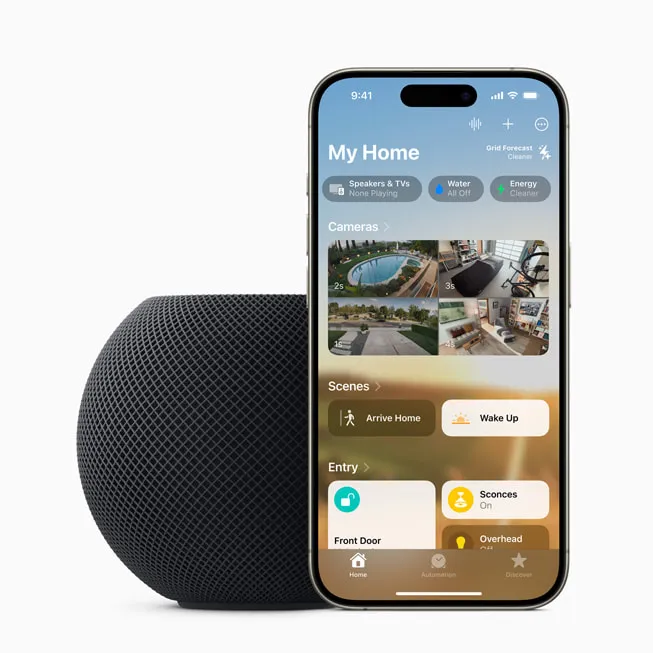
The speaker costs $149 in the U.S., ships October 30, and runs on HomePod software 27.2 (Apple Newsroom). Siri AI, the feature leading Apple's own announcement copy, isn't something buyers get on day one. Apple confirms it arrives later through a software update, and at launch it's limited to English in eight countries (Apple Newsroom).
Apple's launch materials also spotlight plenty beyond those five capabilities: five colors, a continuation of up-to-six-user voice recognition, and smart home conveniences like automated routines (Apple Newsroom; Apple Taiwan Newsroom). None of that is flagged in the announcement as new to this generation specifically. This piece narrows in on the five capabilities Apple highlights as new or enhanced, tied to new hardware and software, since those are the ones that actually move the needle on a buying decision.
Four-speaker surround sound with the new Apple TV 4K
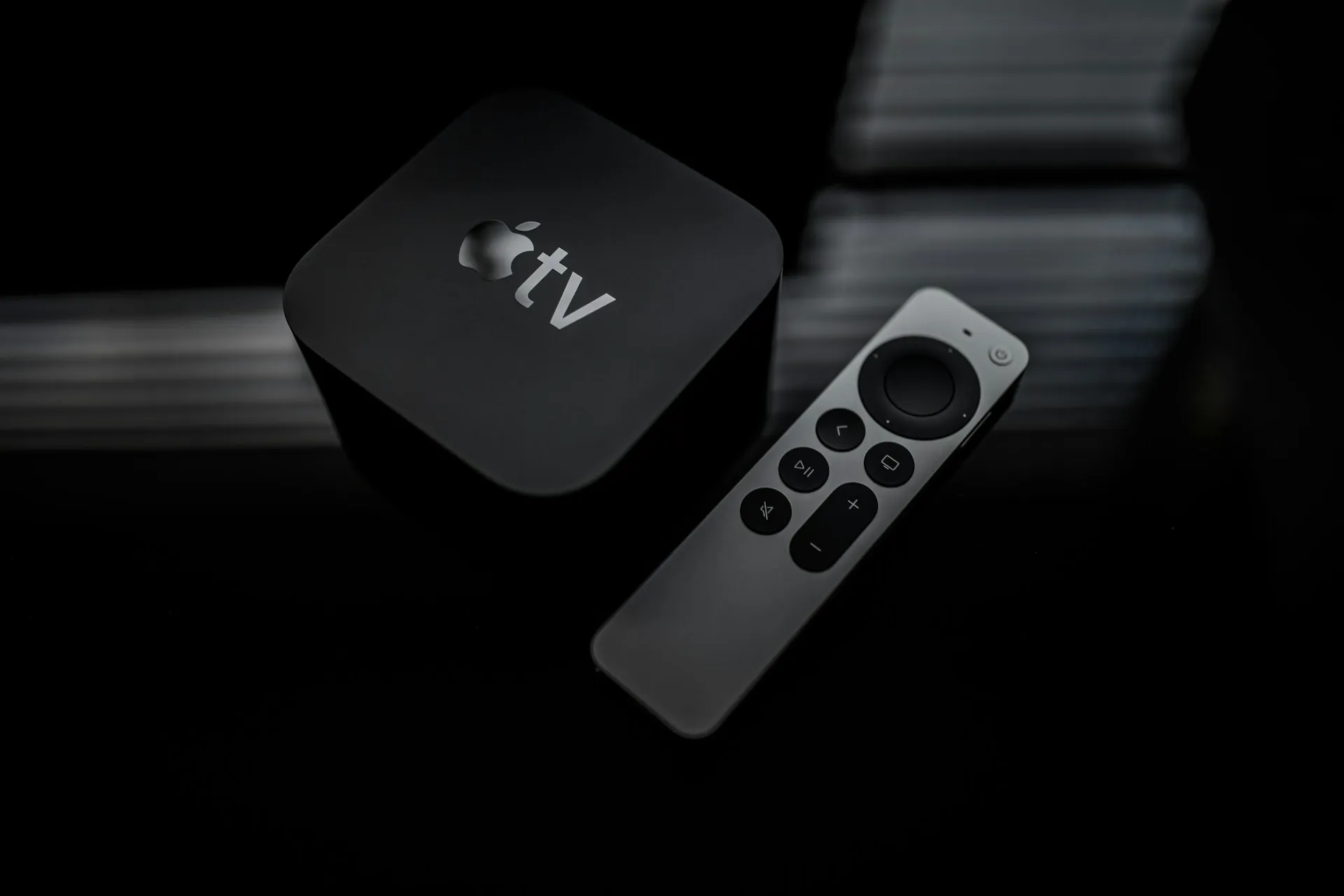
Apple says that for the first time, HomePod mini can combine with the new Apple TV 4K (4th generation) into a four-speaker surround sound setup, calling it the company's "most immersive home theater setup yet" (Apple Newsroom). Apple's Taiwan release adds a detail the U.S. version skips: the speakers and that Apple TV model can detect each unit's position in a room and automatically calibrate playback timing and volume (Apple Taiwan Newsroom).
This is an announced capability, not something anyone can verify yet. Preorders opened this morning, but HomePod mini 2 doesn't reach buyers until October 30, so there's no way to confirm how the setup actually performs in a real room until units ship and get tested.
Two gaps are worth flagging before spending money. This announcement does not clarify whether original HomePod minis can be mixed into the surround arrangement alongside mini 2 units, and it does not include Apple TV 4K (4th generation) pricing. That second gap matters because building this setup means buying four speakers at $149 each, roughly $596 before tax, plus a new Apple TV box (Apple Newsroom). The real cost of this feature is a full room system, not a single speaker purchase.
This one only matters if a buyer already owns, or plans to buy, the fourth-generation Apple TV 4K specifically. Anyone considering it should confirm the exact Apple TV model required and watch for Apple's setup documentation once units start shipping, particularly on whether older minis can join the mix.
Audio processing and Mac speaker support: two claims, neither independently verified
HomePod mini 2 runs on Apple's S10 chip, and Apple says that chip enables real-time audio analysis that adjusts dynamic range, volume, and acoustic performance while music plays (Apple Taiwan Newsroom). That's a description of internal processing, not a claim about how the speaker sounds compared to the original. The supplied research contains no independent listening results, and the speaker hasn't reached buyers yet, so there's nothing to compare that claim against.
Separately, Apple's Taiwan release states HomePod mini 2 can serve as a Mac's default speaker for movies, games, FaceTime, and video calls (Apple Taiwan Newsroom). That's a different kind of claim than the S10 story. It's a compatibility feature, something that will either work with a given Mac or won't, which makes it a reasonable thing for a buyer to confirm directly rather than wait on reviews for.
This announcement does not list the required Mac models or macOS versions for that pairing. Worth checking directly against a specific machine before assuming it works out of the box.
Anyone buying mainly for better sound should wait for independent listening comparisons once mini 2 units are actually in circulation. Anyone buying to use it as a Mac speaker should confirm their exact Mac model and macOS version before counting on it for calls or media playback.
Siri AI: the headline feature that isn't live at launch
Apple leads its own announcement with Siri AI, but the fine print puts that feature on a delay. It arrives through a future software update, not when the device ships October 30 (Apple Newsroom).
At rollout, it supports English only, and only in the U.S., Australia, Canada, India, New Zealand, Singapore, South Africa, and the UK. The supplied announcement gives no date or detailed feature list for that update, so there's nothing yet describing what Siri AI will do differently from the Siri already running on current HomePod minis (Apple Newsroom).
Apple's Taiwan release adds a privacy note alongside the launch: Siri doesn't store command audio by default (Apple Taiwan Newsroom). That's Apple's stated privacy behavior, but the release doesn't identify it as something new to mini 2, so it shouldn't factor into an upgrade decision either way.
Buying HomePod mini 2 specifically for Siri AI means buying ahead of the feature actually existing. Anyone excited about that part of the pitch should watch Apple's official software release notes for the update, rather than assume the launch-day assistant will behave any differently than current Siri.
Soundwave Glow: a new visual feature with an iPhone requirement
Apple's Taiwan release describes a feature called Soundwave Glow, where the top surface of HomePod mini 2 lights up and pulses in sync with music, reacting to bass and treble in real time (Apple Taiwan Newsroom). It's the one capability in this lineup that's purely visual rather than acoustic.
It also isn't something the speaker does on its own. The feature requires an Apple Intelligence-enabled iPhone running the current software version (Apple Taiwan Newsroom). Apple hasn't specified which iPhone models qualify for this, so that's one more thing to confirm before counting on the effect.
Without a qualifying iPhone, Apple's stated requirements for Soundwave Glow are not met, and the lighting effect won't fire. Check that the phone in question actually supports Apple Intelligence and is running current software before factoring this into a purchase.
HomePod mini 2 vs HomePod mini: Is it worth upgrading?
Laid out against the original HomePod mini, the baseline comparison is thinner than a marketing page suggests, mostly because this announcement doesn't describe the original model in detail. That gap is itself useful information.
| Category | Original HomePod mini | HomePod mini 2 | Evidence status |
|---|---|---|---|
| Price | Not provided in this announcement | $149 (U.S.) | Apple Newsroom |
| Colors | Not specified in this announcement | Five colors: pink, green, blue, white, midnight | Apple Newsroom |
| Voice recognition | Not clarified by this announcement | Described as recognizing up to six household users, not flagged as a mini 2-specific change | Apple Newsroom |
| Software compatibility | Not specified in this announcement | HomePod software 27.2 | Apple Newsroom |
| Smart home routines | Not clarified by this announcement | Described generically, not presented as new | Apple Taiwan Newsroom |
Here's the feature-by-feature status for the five capabilities Apple is promoting this generation:
| Feature | Status | What to check first |
|---|---|---|
| Four-speaker surround with Apple TV 4K | Announced capability, untested before the October 30 ship date | New Apple TV 4K (4th gen) plus four mini 2 units; speaker-mixing rules unconfirmed |
| S10 audio processing | Apple claim; audible benefit unverified | No published specs; no independent listening results available yet |
| Mac default speaker support | Documented compatibility claim | Required Mac model and macOS version not listed in this announcement |
| Siri AI | Delayed | Future software update; English only, eight countries at rollout |
| Soundwave Glow | Requires paired hardware | Apple Intelligence-enabled iPhone on current software |
None of these five map cleanly onto "HomePod mini 2 sounds better than HomePod mini." The surround sound feature is a system purchase that only pays off alongside a new Apple TV 4K. The S10 processing claim and the Mac speaker claim describe two different things: one is an internal performance promise waiting on a real test, the other a compatibility feature that's verifiable once the required Mac specs surface. Siri AI, the feature getting top billing, doesn't ship with the hardware at all.
Current HomePod mini owners who specifically want the four-speaker Apple TV 4K setup have a reason to preorder, provided they're ready for the combined cost of four speakers plus a new Apple TV box and willing to confirm setup rules as Apple publishes them. New buyers who don't care about surround sound, Siri AI, or Mac pairing can treat this as a straightforward color and chip refresh, since the original comparison data simply isn't in this announcement. Apple TV 4K owners upgrading their home theater should wait for Apple's setup documentation on speaker-mixing before buying extra mini 2 units. Anyone drawn in mainly by Siri AI should hold off on buying until Apple actually publishes the software update and its feature list, since that's the one capability on this list that isn't in the box on October 30.


Comments
Be the first, drop a comment!