



![Watch SE 3 [GPS 40mm] Smartwatch with Starlight Aluminum Case with Starlight Sport Band - S/M. Fitness and Sleep Trackers, Heart Rate Monitor, Always-On Display, Water Resistant](https://m.media-amazon.com/images/I/61xkvg-RStL._AC_UY218_.jpg)
![Watch SE 3 [GPS 40mm] Smartwatch with Midnight Aluminum Case with Midnight Sport Band - S/M. Fitness and Sleep Trackers, Heart Rate Monitor, Always-On Display, Water Resistant](https://m.media-amazon.com/images/I/61ZTaGRrabL._AC_UY218_.jpg)
![Watch Series 11 [GPS 46mm] Smartwatch with Jet Black Aluminum Case with Black Sport Band - M/L. Sleep Score, Fitness Tracker, Health Monitoring, Always-On Display, Water Resistant](https://m.media-amazon.com/images/I/71FfI3kYFQL._AC_UY218_.jpg)
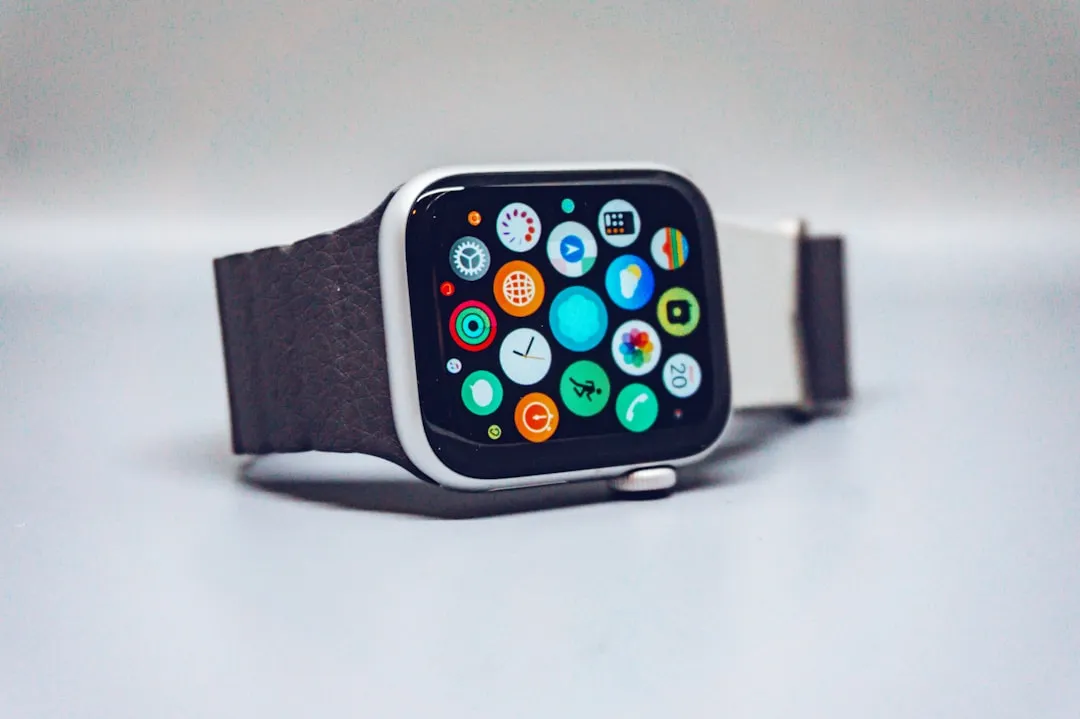
Apple has expanded Apple Watch sleep apnea notifications to more than 150 countries and regions, with India among the most recent additions, while the AirPods Pro hearing test and hearing aid features now reach over 100 countries.
The two features target conditions with staggering unmet need: sleep apnea affects more than 1 billion people worldwide and, in most cases, goes undiagnosed, while approximately 1.5 billion people live with hearing loss, per WHO figures cited by Apple.
Taken together, these Apple Health feature updates show the company pushing consumer hardware further into consumer health screening than its earlier Watch- and AirPods-based features. The practical limits are real, too. Most of the evidence available so far comes from Apple's own newsroom materials and studies it commissioned, and that context should shape how every claim below is read.
How Apple's health screening model works
Both features share the same basic design. A device the user already wears collects data passively, flags a potential issue, generates a shareable summary, and points the user toward a clinician. The Watch stays in detection-and-referral mode only.
AirPods Pro go further: the Hearing Aid feature can provide immediate functional assistance for mild to moderate hearing loss, moving from screening into treatment on the same device. That distinction matters and is worth holding onto throughout.
Apple Watch analyzes breathing disturbance data accumulated over 30 days before issuing any notification, rather than triggering on a single night's reading. The hypertension algorithm works the same way, developed using training data from more than 100,000 participants and validated in a clinical study of over 2,000, per Apple's Series 11 announcement.
Sleep score was built from over 5 million nights of data from the Apple Heart and Movement Study. That reduces single-night or single-reading alerts for Watch-based notifications, but it should not be applied to the AirPods Hearing Test, which returns results after a short test.
Sleep apnea notifications and the AirPods hearing features are the newest additions to a growing set of health monitoring capabilities across Watch, AirPods, and the Health app, which serves as the shared data hub across devices and providers. The platform is clearly covering more conditions with each product cycle.
Apple Watch sleep apnea notifications: what the feature actually does
Apple Watch tracks Apple Watch breathing disturbances using its accelerometer to detect small wrist movements linked to interruptions in normal respiratory patterns during sleep. Every 30 days, it reviews the accumulated data, and if it consistently finds signs of moderate to severe sleep apnea, it notifies the user and generates a PDF showing when sleep apnea may have occurred, along with three months of breathing disturbance history, according to Apple's India announcement this month. The notification also directs users to speak with their doctor about next steps. The feature is designed for adults 18 and older who have not already received a sleep apnea diagnosis.
Apple says the algorithm was validated in what it describes as the largest clinical study of its type for sleep apnea technology, with every participant the algorithm flagged having at least mild sleep apnea. That is a claim about positive predictive value.
Sensitivity, specificity, false-negative rates, and performance across different ages, body types, and comorbidity groups are not publicly reported. Apple also acknowledges that alcohol, medications, and sleep position can affect readings. "Validated" covers a specific and limited set of performance claims; readers should understand what sits outside that boundary.
A notification is a prompt to book a sleep study, not a confirmation of a condition.
AirPods Pro hearing test feature: screening and beyond
The Hearing Test uses pure-tone audiometry, the standard clinical approach used in hearing assessments, delivered through AirPods Pro 2 or later in about five minutes at home. Results include per-ear hearing levels, a classification, and an audiogram stored in the Health app and shareable with a provider.
For users with mild to moderate hearing loss, the Hearing Aid feature uses that profile to amplify and adjust real-world sound in real time; users with an existing professional audiogram can use that instead.
Loud Sound Reduction adds a third layer. The H2 chip actively reduces environmental noise at 48,000 times per second, on by default in Transparency and Adaptive Audio modes.
Apple's own materials state the Hearing Test is not a substitute for professional medical advice and that features may not be available in all regions or all languages. The validation study for the hearing features was conducted and sponsored by Apple. That matters when judging the company's "clinically validated" framing. A hearing result showing potential loss should prompt follow-up with an audiologist, not a self-managed Hearing Aid setup without further evaluation.
Where these features reach and who can actually use them
Sleep apnea notifications cover more than 150 countries and regions; the Hearing Test and Hearing Aid features are available in over 100, as Apple confirmed this month. Apple announced the hearing features in India this month alongside sleep apnea notifications. Australia received hearing features in March 2025; the Philippines followed a year later.
The rollout is not a simple software deployment. Hearing Test and Hearing Aid are regulated health features that require regulatory authorization in each market before they can launch, illustrated by Hearing Protection reaching EU and UK users only after regional certification was completed. "More than 100 countries" is real coverage, but which countries and on what timeline remain shaped by local regulatory processes.
Hardware requirements are a practical filter, too. The Hearing Test and Hearing Aid features require AirPods Pro 2 or later with current firmware, paired with a compatible iPhone or iPad. Sleep apnea notifications require a compatible Apple Watch with current software. Both are intended for adults 18 and older. Apple's current support pages carry the definitive list of compatible devices and OS combinations.
Then there's cost. AirPods Pro 3 start at $249; Apple Watch Series 11 starts at $399, according to Apple's September 2025 product announcements. Expensive hardware narrows who can use the features, and that constraint sits in direct tension with Apple's stated ambition to reach people who have never been screened.
The gap between ambition and impact
Apple has built a coherent, multi-device screening architecture that lowers the barrier between a potential health problem and a clinical conversation. The sleep apnea notification arrives with structured data already prepared for a provider visit; the AirPods hearing stack can screen and begin assisting a user the same afternoon. To illustrate the scale Apple believes it can operate at: the company projects its hypertension feature alone could notify over 1 million people with undiagnosed high blood pressure within its first year, per the Series 11 announcement.
What remains unresolved is substantial. Real-world sensitivity and false-negative rates for both the sleep apnea and hearing features are not publicly available. The validation studies were designed and funded by Apple. How these tools perform across diverse populations, different ages, body types, ambient noise environments, and levels of health literacy is a question the current public record does not answer. That's not a reason to dismiss the features; it's a reason to read them accurately.
The rollout suggests Apple now faces more of a regulatory and access problem than a sensor problem. Regulatory approval timelines in markets not yet covered, device cost, and whether healthcare providers build workflows that actually use the data these devices surface are the binding constraints now. The software is here. The harder question is whether regulators, clinicians, and patients will use it in ways that produce measurable health gains.

Comments
Be the first, drop a comment!