



Reviewed by: Y. Garcia
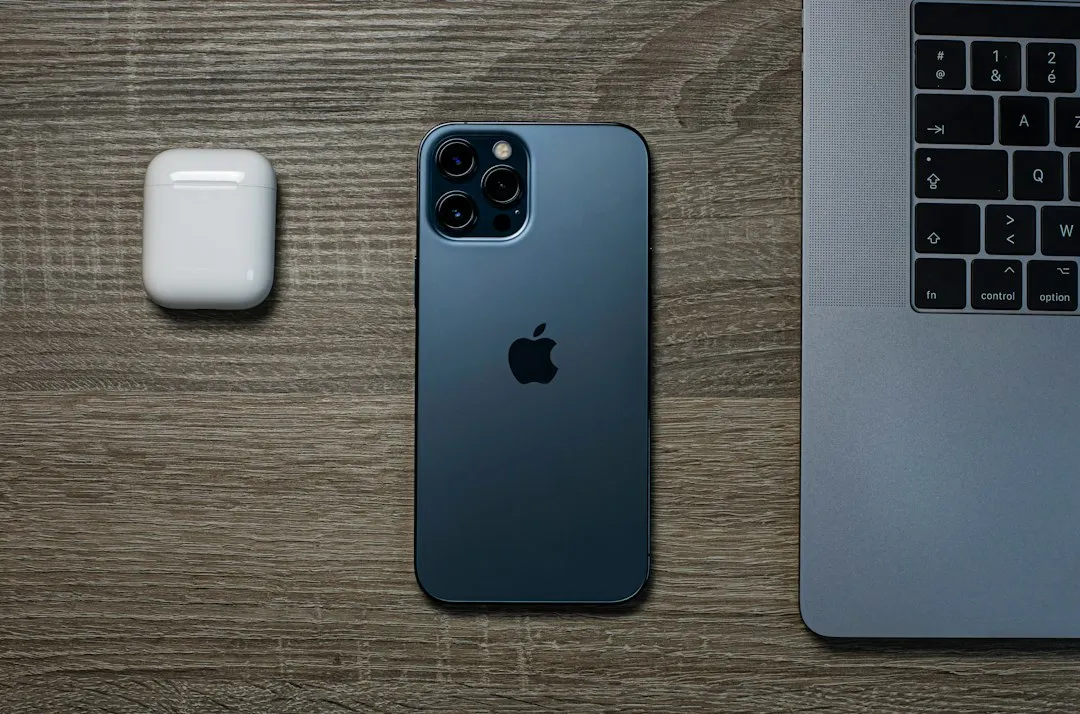
Looking at the staggering scope of India's new smartphone security proposal, I have to say this represents one of the most ambitious government overreach attempts in modern tech history. We're talking about a demand that could fundamentally change how your phone works — and not just in India, but potentially everywhere. Reuters reported India is considering requirements that would require source-code access for review; the government later denied it has proposed forcing companies to share source code.
What makes this particularly fascinating is the sheer audacity of the request. India isn't just asking for a peek behind the curtain — they want manufacturers to hand over the keys to the entire kingdom and then modify how smartphones operate at the most basic level. With nearly 750 million phones in circulation across India, this isn't some small market experiment. This is a direct challenge to the global tech order as we know it.
What exactly is India demanding from tech companies?
Let's break down what India's proposed Indian Telecom Security Assurance Requirements actually entail, because honestly, the scope is breathtaking. The government wants access to source code — basically the DNA of every smartphone operating system. Think of source code as the complete recipe for how your phone thinks, processes information, and makes decisions. Companies guard this more jealously than nuclear launch codes.
But here's where it gets really concerning from a security standpoint. India doesn't just want to peek at the code — they want manufacturers to notify the National Centre for Communication Security about major software updates and security patches before releasing them to users. This creates a fundamental timing problem: critical security vulnerabilities that need immediate patching would be delayed by government review processes, potentially leaving millions of devices exposed while bureaucrats conduct their assessments.
The software modification requirements are equally sweeping. Companies would need to ensure that pre-installed applications can be completely removed by users, which actually sounds great for consumers, honestly. But they also want restrictions that prevent apps from accessing cameras and microphones in the background to avoid malicious usage.
The surveillance implications become clear with additional requirements: devices would need automatic malware scanning capabilities built right in, plus they want phone logs stored for at least 12 months locally on each device. That's a comprehensive digital surveillance infrastructure hiding behind consumer protection language.
Why Apple and other manufacturers are pushing back hard
Now here's where this gets really juicy from a tech industry perspective. Smartphone makers treat their source code like the crown jewels, and for good reason. Apple previously refused China's requests for source code access between 2014 and 2016, and even U.S. law enforcement agencies have been unsuccessful in obtaining it. We're talking about companies that would rather lose entire markets than compromise their core security architecture.
The resistance stems from legitimate technical concerns about what security experts call "attack surface expansion." India's proposed vulnerability analysis and source code review process would require manufacturers to undergo comprehensive security assessments, with Indian test laboratories authorized to examine and verify their claims through detailed code analysis. Every additional person or institution with access to source code represents a potential leak point that bad actors could exploit.
What's particularly concerning for manufacturers is the precedent this sets globally. Tech companies argue that the package of 83 security standards lacks any global precedent and risks revealing proprietary details. Once you open this door for one government, every other government is going to want to walk through it too, potentially creating a fragmented security landscape where companies must maintain different versions of their operating systems for different jurisdictions.
India's track record adds weight to these concerns. The government previously mandated that manufacturers pre-install a state-run tracking application called Sanchar Saathi that users cannot remove. While such precedents have led to the revocation of certain mandates, they demonstrate the government's willingness to test the boundaries of technological control before scaling back under industry pressure.
The broader implications for global tech governance
What we're witnessing here isn't just a regulatory spat — it's a fundamental test of whether national governments can force global tech companies to fragment their security models based on local demands. The stakes couldn't be higher, and the implications extend far beyond India's borders.
From what I can tell, this approach really is unprecedented globally. According to government documentation, major countries across the European Union, North America, Australia, and Africa do not currently mandate these types of requirements. India would essentially be pioneering a new model of digital sovereignty that could inspire copycat legislation worldwide, potentially balkanizing the global smartphone ecosystem.
The economic leverage here is substantial and impossible to ignore. Looking at the numbers, Xiaomi holds 19% market share, Samsung at 15%, and Apple at 5% according to Counterpoint Research estimates. With nearly three-quarters of a billion phones in circulation, walking away from the Indian market would be financially devastating for any major manufacturer, which is exactly why the government feels confident making these demands.
The strategic timing reveals careful planning rather than reactive policy-making. The security standards were drafted in 2023 and are now under consideration for legal enforcement, indicating they are part of a broader digital sovereignty strategy that the Modi administration has been developing for years.
The ripple effects could fundamentally alter how we think about user privacy and digital rights. As internet advocacy lawyer Mishi Choudhary pointed out regarding similar government mandates, such demands "effectively remove user consent as a meaningful choice". When governments can dictate what software runs on your personal device and how that software operates, we're looking at a fundamental shift toward state control over personal computing infrastructure.
What happens next in this high-stakes showdown?
The government appears serious about moving forward with legal enforcement. Officials are considering imposing these security standards legally, with discussions involving technology companies expected to intensify. This puts manufacturers in an incredibly difficult position — comply with demands that could fundamentally compromise their global security architecture, or potentially lose access to one of the world's most important smartphone markets.
Apple's historical approach gives us insight into how this might play out strategically. The company has consistently resisted similar government mandates, understanding that once you permit one government to install apps or access source code, every other government will make similar demands. There's a strong security argument that maintaining user protection requires saying no to everyone, even if it means short-term business losses.
What's particularly fascinating is how this could reshape the entire smartphone industry if India follows through. Manufacturers might need to create India-specific versions of their operating systems, essentially fragmenting the global smartphone ecosystem along national boundaries. Imagine if your iPhone worked fundamentally differently depending on which country you bought it in — that's the direction this regulatory approach could lead us.
The broader implications for democratic governance in the digital age are equally significant. This confrontation will likely set important precedents for how governments worldwide balance national security concerns with privacy rights and corporate intellectual property. If India succeeds in forcing compliance, we could see similar demands from governments across the globe, potentially creating a complex patchwork of different security requirements that could make global smartphone security significantly more fragmented and potentially less robust.
For consumers, the outcome of this dispute may determine whether their personal devices remain secure, private tools, or become subject to unprecedented government oversight. The resolution could influence how technology companies design future products and approach the fundamental trade-offs between user privacy and regulatory compliance in an increasingly fragmented global regulatory environment.
As this story develops, it will be crucial to monitor whether India's approach gains international support or faces broader resistance from both the technology industry and privacy advocates worldwide. The stakes extend far beyond smartphones — this could establish the template for government control over all personal computing devices in the decades ahead.









Comments
Be the first, drop a comment!