



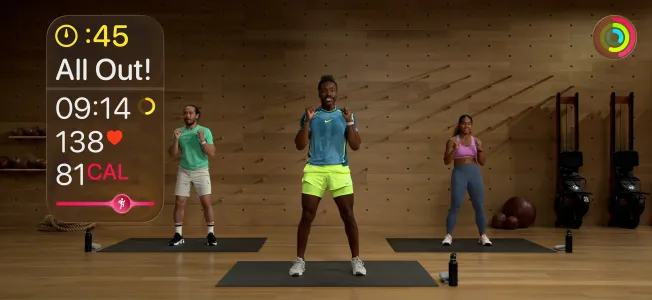
Apple's latest iOS 26 update brings significant enhancements to the Fitness app that could transform how millions of users approach their health and exercise goals. The timing couldn't be better as we head into a new year filled with fitness resolutions. These three major upgrades represent Apple's most comprehensive fitness overhaul since the Apple Watch's introduction, combining artificial intelligence, improved tracking capabilities, and seamless device integration.
Let's break down what makes these changes so significant. The updates span from intelligent workout coaching to manual activity logging, addressing specific user pain points while introducing cutting-edge AI features that build on behavioral science. Here's what's particularly interesting: research shows that fitness apps significantly improve adherence to exercise routines, with users being 30-40% more likely to maintain consistent workout habits. Each of Apple's new upgrades directly targets the barriers that typically prevent users from achieving this improved adherence—from forgetting to start tracking to needing real-time motivation.
The Fitness app now has features it arguably should have had all along, including the ability to track workouts without your Apple Watch. This democratization of fitness tracking significantly expands who can benefit from Apple's ecosystem. Most notably, iOS 26.1 introduces manual workout logging that lets you retroactively add workouts and earn Activity ring credit—addressing one of the most frustrating gaps in comprehensive fitness tracking.
Meet Workout Buddy: your AI-powered fitness companion
The standout feature in iOS 26's fitness arsenal is Workout Buddy, an intelligent coaching system that brings personalized motivation directly to your workouts. Workout Buddy is a first-of-its-kind fitness experience with Apple Intelligence that incorporates a user's workout data and fitness history to generate personalized, motivational insights during their session.
This isn't just another generic fitness app notification system—it's a sophisticated AI that understands your personal fitness journey and contributes to that crucial 30-40% adherence improvement through real-time psychological reinforcement. Think of it as having a knowledgeable gym buddy who knows your workout history, understands your goals, and can offer encouragement based on how you're actually performing in the moment.
What makes Workout Buddy particularly impressive is its foundation in real human expertise. Here's something that caught my attention: the voice heard in Workout Buddy isn't just some generic audio prompt but a generative model trained on the voices of actual Fitness Plus trainers. This means Apple took the motivational skills and expertise of real trainers and built an AI system that can deliver that same quality of encouragement, but personalized to your specific fitness journey and current performance.
The technical capabilities demonstrate sophisticated real-time analysis. Workout Buddy uses real-time analysis of fitness history and data from the current workout to provide encouragement, analyzing metrics like heart rate, pace, distance, Activity rings, and personal fitness milestones. Rather than delivering generic motivational scripts, it's actually understanding what's happening in your workout and responding with contextually relevant encouragement that builds on your historical patterns and current achievements.
The initial rollout covers the workout types that matter most to everyday users: Workout Buddy will be available starting in English, across some of the most popular workout types: Outdoor and Indoor Run, Outdoor and Indoor Walk, Outdoor Cycle, HIIT, and Functional and Traditional Strength Training. This covers the majority of activities that contribute to improved fitness adherence rates, maximizing the feature's impact on user behavior.
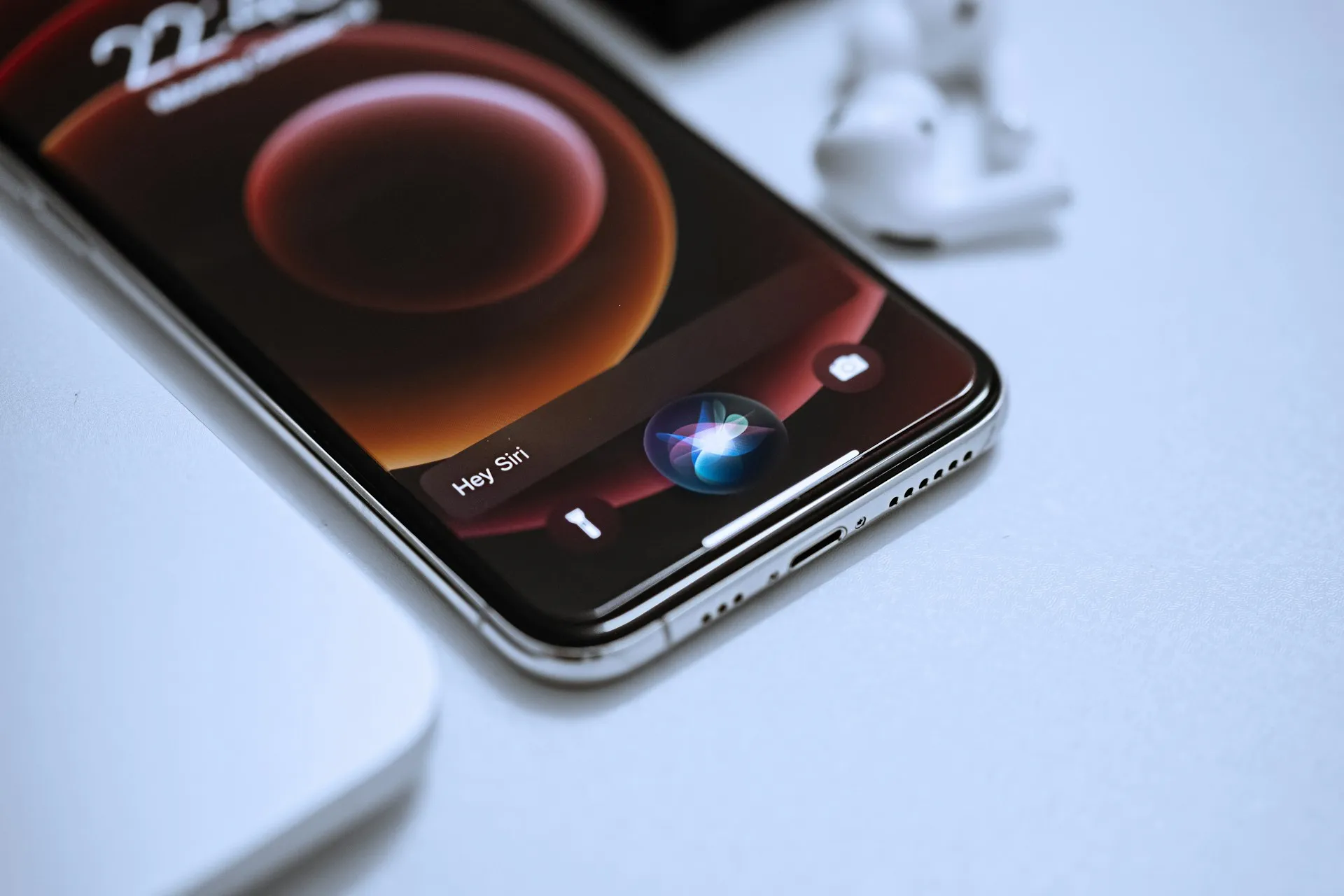
There are some technical requirements that limit initial availability. Workout Buddy requires Bluetooth headphones with the device and Siri language set to English. More significantly, Workout Buddy is only available to those with Apple Intelligence-supported iPhones due to processing power limitations. This hardware requirement reflects the sophisticated real-time processing needed to analyze your performance and generate contextually appropriate responses.
Manual workout logging bridges the gap
One of the most requested features has finally arrived with iOS 26.1, and it addresses a fundamental challenge that directly impacts the 30-40% adherence improvement research identifies. The scenario is universal: you forget to start your workout tracking, your device runs out of battery, or you're doing an activity where wearing your Apple Watch isn't practical. Previously, all that effort simply disappeared from your fitness record, creating gaps that could undermine long-term motivation.
The iPhone's Fitness app now supports manual workout entry, allowing users to retroactively add workouts and earn Activity ring credit. This addresses a critical psychological component of fitness tracking—the all-or-nothing mentality that can derail progress when data gaps occur.
The feature comprehensively handles real-world scenarios. Manual logging supports the addition of workouts after the fact, even if the workout was forgotten to be started or the device was off. This builds on iOS 26's broader Fitness app overhaul, which introduced custom workout creation capabilities that we'll explore next, creating a more complete ecosystem for fitness management.
The behavioral benefits extend beyond simple data completion. Manual logging can help keep data accurate and streaks alive in the Activity rings, which is crucial for users who rely on these visual metrics for daily motivation. More importantly, more complete records from manual logging can contribute to better habits and awareness over time. When users can see a comprehensive picture of their activity—including workouts that might have gone untracked—they develop a better understanding of their actual fitness patterns and progress.
Bottom line: iOS 26.1's manual workout logging bridges the gap between Apple's health tracking ambitions and everyday life realities. It transforms incomplete fitness records from sources of frustration into opportunities for reflection and comprehensive self-awareness.
Enhanced workout creation and device flexibility
The third major upgrade focuses on making workout creation more intuitive and accessible across all your Apple devices, representing a significant shift in Apple's fitness philosophy. This change directly supports improved adherence by removing technological barriers that previously limited who could fully participate in Apple's fitness ecosystem.
You can now start workouts from the phone app, even without an Apple Watch, which opens fitness tracking to users who can't or don't want to wear a watch during every workout. The Fitness app has a new tab at the bottom, labeled Workout, where you'll find a variety of workout types that you can start just by tapping the play button.
The technical capabilities have expanded to support diverse workout preferences and equipment. The Fitness app can now pair with Bluetooth heart rate sensors, including chest straps and the Powerbeats Pro 2 headphones. This flexibility means you're not locked into Apple's hardware ecosystem for accurate fitness tracking—you can use whatever heart rate monitoring setup works best for your specific workout style, from cycling with chest straps to strength training with compatible headphones.
For users with both devices, the integration creates a seamless multi-device experience. Metrics from the Apple Watch can now mirror to the phone during your workout, allowing you to glance at your phone for detailed metrics while still benefiting from wrist-based tracking. This addresses different viewing preferences during various workout types—phone screens for detailed interval data, watch screens for quick pace checks.
The workout creation process itself has been dramatically streamlined, especially for Apple Watch users who previously struggled with complex workout programming on a small screen. As one reviewer noted, it's a lot easier to do it on a phone, and that's exactly what you can now do in the Fitness app, building your workouts from scratch before they're instantly synced across to your watch. This eliminates the long-standing frustration of trying to create complex interval workouts with multiple phases using only the Apple Watch's small interface.
Along with your custom workouts, you can also view other workout modes in the Workout tab, like the routes you can race and any Pacer modes you've set up. This centralized approach transforms your iPhone into a comprehensive fitness command center where you can plan, customize, and manage your entire workout ecosystem before seamlessly executing on whatever device works best for each activity.
What this means for your fitness goals
These three upgrades represent more than just incremental improvements—they signal Apple's commitment to making fitness tracking more intelligent, flexible, and behaviorally effective. The combination of AI-powered coaching, comprehensive logging capabilities, and cross-device flexibility directly addresses the barriers that prevent users from achieving the 30-40% improvement in exercise adherence that research shows is possible with effective fitness app implementation.
What's particularly interesting is the long-term vision these features reveal. Workout Buddy may be the clearest signal yet that Apple is laying the groundwork for something much bigger in terms of fitness tools and AI. Currently, it functions more as an intelligent motivational system than a comprehensive coach, but the infrastructure being built—real-time performance analysis, contextual encouragement, integration of historical data—creates the foundation for much more sophisticated guidance systems.
The manual logging feature represents Apple's acknowledgment that perfect technology usage isn't realistic for sustained behavior change. Previously, the company seemed to assume that everyone would always remember to start their workouts and keep their devices charged. Now they're building tools that accommodate real life's messiness, which is essential for long-term habit formation and the kind of consistent tracking that leads to improved fitness outcomes.
The enhanced device flexibility serves a broader strategic purpose beyond convenience. By making the iPhone a more capable fitness device on its own, Apple is expanding its potential user base significantly while also reducing the technological complexity that can prevent people from starting or maintaining fitness tracking routines.
Whether you're a fitness veteran looking for more sophisticated tracking or a newcomer who needs gentle guidance and motivation, iOS 26's Fitness app upgrades offer tools specifically designed to support the behavioral patterns that research shows lead to sustained exercise habits. The timing for a new year couldn't be better—these features are engineered not just to help you start strong, but to provide the flexibility, motivation, and comprehensive tracking that maintain momentum throughout your entire fitness journey.




Comments
Be the first, drop a comment!